

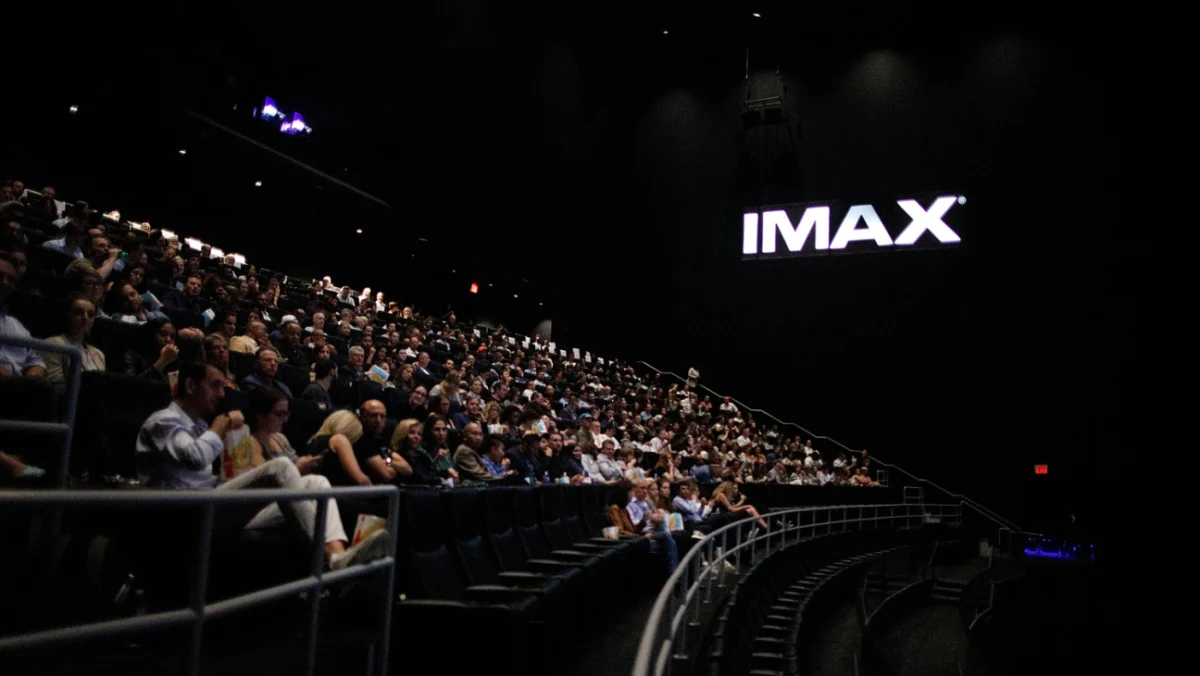
The cinematic landscape is currently vibrating with the news that Imax, the global titan of large-format film technology, has reportedly entered early-stage discussions regarding a potential sale. As the company tests the market for a possible acquisition, Wall Street analysts have launched a wide-ranging, high-stakes parlor game: Who would—or should—own the most premium footprint in the global cinema industry?
The potential sale of the Toronto-based company, which has been helmed by CEO Richard Gelfond since 1994, has triggered a surge in interest from a diverse list of suitors. From traditional cinema chains and massive tech conglomerates to private equity firms and even sovereign wealth funds, the "buyer universe" for Imax is being described as unusually broad. This inquiry comes at a pivotal moment for the theatrical industry, as studios move past the turbulence of the pandemic and reaffirm their commitment to exclusive, long-windowed theatrical releases.
The Main Facts: A Premium Asset in Play
Imax is not merely a theater chain; it is a proprietary technology and distribution platform. Its unique market position—offering a "premium large format" (PLF) experience that studios rely on to drive opening-weekend box office revenue—makes it a rare commodity.
Recent reports indicate that Imax is actively exploring strategic alternatives. For investors, this is familiar territory. Throughout Gelfond’s long tenure, the company has periodically flirted with sale or merger possibilities, only to retreat when the market’s valuation failed to match the board’s internal assessment of the brand’s long-term potential.
The current atmosphere, however, is distinct. With the post-pandemic resurgence of "event cinema," Imax’s screens have become the most valuable real estate in Hollywood. Whether it is Christopher Nolan’s Oppenheimer or the latest Marvel blockbuster, the Imax screen is the standard for prestige exhibition. This dominance is why the list of potential suitors is so expansive, spanning disparate sectors of the global economy.
A Chronology of Strategic Ambition
To understand the current situation, one must look at the historical arc of Imax. Under Richard Gelfond’s leadership, the company evolved from a niche provider of educational documentaries into a global powerhouse for commercial film.
- The 1990s and 2000s: Imax solidified its business model, moving away from museum-based installations toward the multiplex, partnering with theater chains to install its proprietary projection and sound systems.
- The 2010s: The company successfully navigated the transition to digital projection, allowing for a rapid global expansion, particularly in the Chinese market, which became a critical engine for growth.
- The Pandemic Era (2020–2022): Like all exhibition companies, Imax faced an existential threat as theaters shuttered worldwide. However, it emerged with a sharpened focus, emphasizing the "premium" nature of its product as the primary draw for audiences hesitant to return to generic multiplexes.
- The 2023–2024 Strategic Pivot: Post-pandemic, Imax has aggressively diversified its content, moving beyond standard Hollywood tentpoles to include concert films, local-language content in international markets, and alternative programming. This diversification has strengthened its balance sheet and rendered the company an attractive target for a wider range of buyers than it would have been a decade ago.
Supporting Data: Why the Interest is "Unusually Broad"
Financial analysts are currently weighing the pros and cons of various ownership structures. The consensus is that Imax is performing well as a standalone entity, which raises the bar for any potential acquirer.
The Case for Tech Giants
Wedbush analyst Alicia Reese has highlighted the "rounding error" argument regarding companies like Apple. For a tech giant with deep cash reserves, purchasing Imax would be a relatively minor capital expenditure. More importantly, it would provide an immediate, prestige-focused physical distribution channel for Apple TV+ content, allowing the tech firm to control the "theatrical-to-home" pipeline.
The Private Equity Angle
Private equity remains a top contender for many analysts. As Reese noted, "PE ownership avoids the platform conflict issue entirely." If a major studio like Disney or Universal were to buy Imax, there is a risk they would prioritize their own films, potentially alienating rival studios and eroding the brand’s neutral, "must-have" status. A private equity firm, by contrast, would likely maintain Imax’s current open-market model to maximize licensing revenue from all major distributors.
The Traditional Exhibitor Dilemma
David Joyce of Seaport Research Partners has pointed to companies like AMC Theatres or Cinemark as logical, if problematic, buyers. While these firms understand the exhibition business, they operate under the weight of debt and the volatility of the theater market. Joyce emphasized that any deal should ideally be an "all-cash" transaction to ensure the buyer has the capital to continue investing in the technology rather than burdening the brand with corporate debt.
Official Responses and Expert Outlook
The discourse among industry analysts reveals a tension between the value of the brand as an independent entity and the allure of a strategic buyout.
The "Independent Value" Argument:
Steve Frankel of Rosenblatt Securities remains one of the most vocal proponents of the "standalone" path. In a note to investors, he argued that Imax’s current trajectory—characterized by margin expansion and a diversified slate—is already delivering value to shareholders. For Frankel, the company’s growing influence with elite filmmakers is a competitive moat that is best preserved if Imax remains free from the specific strategic agendas of a single studio.
The "Universal Platform" Perspective:
Mike Hickey of Benchmark Equity Research offers a contrasting view, arguing that Imax is so technologically distinct that it is essentially "platform-agnostic." This, he argues, allows the company to be a perfect fit for a variety of entities, including sovereign wealth funds that are looking for "globally recognized premium entertainment infrastructure assets." These funds, according to Hickey, are increasingly interested in the "hard assets" of the entertainment world—the actual venues where cultural experiences occur.
The Integration Risk:
Perhaps the most cautious voice is that of Eric Wold of Texas Capital Securities. Wold warns that a poor fit—particularly an acquisition by a studio or a traditional exhibitor—could "adversely impact either the upcoming film slate or network stability." His view is that the primary danger in a sale is the potential loss of Imax’s neutral status. If the "Imax" brand becomes synonymous with a specific corporate parent, it could lose the trust of competing studios, which would be catastrophic for its long-term health.
Implications: The High Stakes of Neutrality
The central theme running through all discussions regarding an Imax sale is neutrality. Imax’s business model is predicated on being the "Switzerland" of the film industry. Every studio wants its biggest tentpoles on an Imax screen because the brand guarantees a high-quality experience that audiences are willing to pay a premium for.
If the buyer is a studio, the implication is a potential "walled garden." If a studio decides to reserve 70% of Imax’s prime dates for its own releases, the platform’s value to competitors like Warner Bros., Universal, or Sony diminishes immediately. This is why many analysts believe a tech firm or an investment firm is the "cleanest" buyer.
Furthermore, there is the global consideration. Imax has made significant inroads into local-language film industries. A buyer must be prepared to nurture these relationships, particularly in Asia, where Imax has become a symbol of modern cinematic culture.
Conclusion
As Imax weighs its future, it stands at a unique intersection of technology, real estate, and cultural influence. The company has successfully rebranded itself as a necessary utility for the modern moviegoer. Whether it decides to remain an independent, publicly traded entity or moves into the fold of a larger conglomerate, the outcome will fundamentally alter the economics of theatrical exhibition.
For now, the market remains in a state of watchful anticipation. The "for sale" sign is up, the suitors are circling, and the industry is waiting to see if one of the most iconic names in cinema will find a new home, or if it will continue to chart its own course in an increasingly digital world. One thing remains clear: in an era of streaming, the value of the "big screen" has never been higher, and Imax holds the keys to the most coveted real estate in the business.










No comments yet. Be the first to join the conversation!