

For years, Apple has positioned itself as the premium outlier in the digital music landscape. While rivals like Spotify have built massive empires on the back of ad-supported, free-to-use tiers, Apple has remained steadfast in its commitment to a paid-only model. However, fresh evidence discovered within the latest Android beta of the Apple Music application suggests that the tech giant may finally be reconsidering its stance on subscription tiers, potentially opening the door to a more fragmented—and accessible—user experience.
The Discovery: Deciphering the Android Beta Strings
The speculation began when observant software sleuth Aaron Perris, known for his deep dives into Apple’s code, discovered cryptic strings within the latest Android beta build of the Apple Music app. These snippets of code, intended to govern user interface behavior, explicitly reference "premium access" requirements and, more tellingly, a "skip limit."
Specifically, the code includes an error message that triggers when a user reaches a "skip limit," informing them that they "Can’t skip any more tracks." For industry veterans and long-time streaming users, this language is instantly recognizable. It is the hallmark of the "freemium" model, a strategy used by virtually every major music streaming platform—except, until now, Apple—to encourage users to upgrade from a restricted, ad-supported experience to a seamless, unlimited premium subscription.
While Apple has yet to issue a formal comment regarding the purpose of these strings, their presence in a public-facing beta indicates that the company is at least testing the technical infrastructure required to gate features behind a paywall.
A Chronology of Apple’s "Premium-Only" Strategy
To understand why these strings have caused such a stir, one must look at the historical trajectory of Apple Music.

- June 2015: Apple Music officially launches. Unlike its predecessor, iTunes, which focused on individual track and album purchases, Apple Music adopted a monthly subscription model. From day one, it required a paid commitment, save for a generous free trial period.
- The Streaming Wars (2016–2020): As Spotify’s user base ballooned due to its free, ad-supported tier, Apple doubled down on its "premium" branding. Apple executives repeatedly argued that a free tier devalued music and artists, positioning the $9.99/month price point as the standard for a professional, artist-friendly platform.
- Expansion (2021–2025): Apple introduced Spatial Audio, Lossless streaming, and Apple Music Classical. Each move reinforced the idea that Apple Music was an audiophile’s playground, distinct from the mass-market accessibility of its competitors.
- May 2026: The discovery of "skip limit" strings in the Android beta marks the first significant departure from this decade-long philosophy.
The Conflict: Executive Stance vs. Market Reality
The timing of this discovery is particularly ironic. Just one month prior to the beta release, Apple Music’s head, Oliver Schusser, gave a candid interview with Bloomberg. When asked about the industry’s reliance on free tiers, Schusser was unequivocal:
"I’m sure you’ve heard me say this: I think ‘free’ was a terrible idea. Apple Music is the only service that doesn’t have a free tier, and believe it or not, we are really proud of that."
Schusser’s comments reflected a long-standing cultural consensus within Apple’s Cupertino headquarters. The company has historically viewed free streaming as an impediment to high-quality audio and a fair royalty ecosystem for creators. By avoiding a free tier, Apple has successfully maintained a narrative of "premium quality."
However, the internal reality—evidenced by the new beta strings—suggests a friction between the company’s stated ideals and the pragmatic need to capture market share, particularly in regions where disposable income is lower or where the competitive landscape is dominated by free services.
Implications: Why Now?
Why would Apple, a company so fiercely protective of its premium brand, consider a lower-tier or free version of its service?
1. Market Penetration in Emerging Economies
In markets like India, Southeast Asia, and parts of Latin America, the barrier to entry for a $10/month service is significantly higher than in North America or Europe. A limited, ad-supported tier could act as a "top-of-funnel" strategy, introducing millions of new users to the Apple ecosystem without requiring an immediate, significant financial commitment.
2. The Battle for the Android Demographic
Apple Music on Android has always been a strategic necessity to maintain platform parity. By introducing a tiered model, Apple could potentially siphon users away from Spotify’s free tier. If a user is already accustomed to limited skips and ads on Spotify, moving to an Apple-branded equivalent might feel like a natural transition, especially if it offers better integration with other Android-based hardware or services.
3. Data Collection and Advertising
Even if Apple’s core revenue comes from hardware and premium subscriptions, the data generated by an ad-supported tier is invaluable. Understanding the listening habits of non-paying users allows the company to refine its recommendation algorithms (the "For You" section) and better understand the market trends that drive global music consumption.
The "Radio Station" Hypothesis
It is important to note the caveat provided by Aaron Perris himself. It is entirely possible that these strings are not for a new, user-controlled streaming tier, but rather for an expanded, perhaps ad-supported, version of Apple’s live radio offerings (such as Apple Music 1).
Radio, by its nature, involves limited skipping. If Apple plans to expand its live, human-curated radio content to non-subscribers, the "skip limit" strings would be a functional necessity to prevent users from treating a broadcast stream like an on-demand playlist. This would allow Apple to monetize its radio platform through advertisements without compromising the "premium" nature of its on-demand library.
The Competitive Landscape: A Comparison
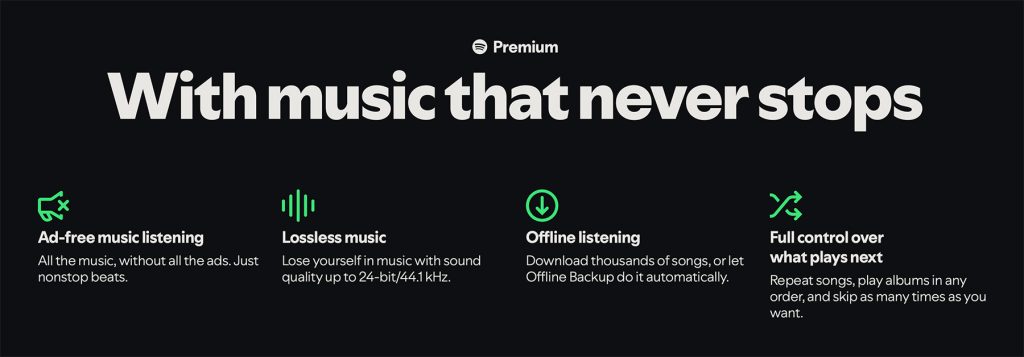
If Apple were to introduce a free, ad-supported tier, it would be following in the footsteps of every major competitor:
- Spotify: The gold standard of freemium. Limited skips on mobile, ad interruptions, and lack of offline playback for free users.
- YouTube Music: Offers a free, ad-supported experience that is highly integrated with the broader video ecosystem, making it a formidable competitor for the younger demographic.
- Amazon Music: Offers a limited, ad-supported service for Prime members, creating a hybrid model that incentivizes loyalty to the broader Amazon ecosystem.
For Apple, the challenge is maintaining its brand equity. If the company introduces a "free" tier, it risks diluting the perception of Apple Music as a "pro" service. However, the potential to onboard the next generation of listeners—who may currently view Apple as too expensive or inaccessible—might outweigh the risks of brand dilution.
What Does This Mean for Current Subscribers?
For existing subscribers, these changes are unlikely to affect the quality of service. In fact, they might even be beneficial. If Apple generates revenue from a new ad-supported tier, those funds could theoretically be reinvested into better licensing deals, more exclusive content, or further development of the Apple Music app.
Furthermore, if Apple introduces a "lower-cost" tier (perhaps a version that is cheaper than the standard $10.99 but more expensive than free), it would give current users more flexibility. Many subscribers today are part of family plans or bundles; a tiered system could provide a middle ground for individuals who find the current price point too high but want a better experience than what a free tier would offer.
Conclusion: A Shift in Philosophy?
The emergence of these strings in the Android beta is a watershed moment. Whether it results in a fully-fledged, ad-supported music tier or simply a refined, ad-supported radio experience, it signals that Apple is no longer content to simply be the "premium choice."

In the hyper-competitive world of digital entertainment, growth is the ultimate currency. While Oliver Schusser’s pride in a subscription-only model is a testament to Apple’s commitment to quality, the shifting sands of the global music market are forcing even the most stubborn giants to adapt.
As we await further updates from future beta releases, the music industry will be watching closely. If Apple flips the switch on a free, ad-supported tier, it will mark the end of an era—and perhaps the beginning of a much more aggressive chapter in the streaming wars.
What do you think? Would you accept ads and limited skips in exchange for a free Apple Music experience, or does the premium, ad-free nature of the service remain your primary reason for staying? Let us know in the comments below.












No comments yet. Be the first to join the conversation!