Iffa Jayyana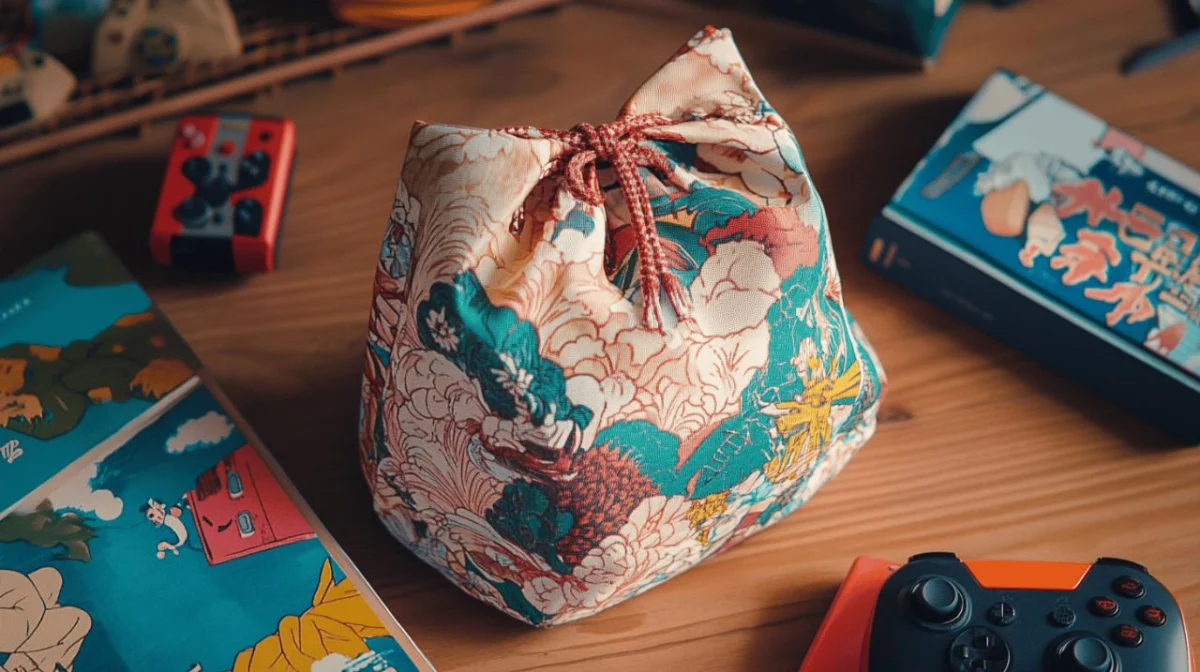
The Japanese tea ceremony, or Chanoyu, is far more than a simple act of preparing a beverage; it is a profound, meditative art form that has shaped Japanese aesthetics for centuries. At the heart of this ritual lies a paradox: while the ceremony celebrates simplicity and impermanence, the tools required to perform it—the chawan (tea bowl), chasen (bamboo whisk), and chashaku (tea scoop)—are precious instruments that require specialized care. This is where the ceremonial tea bag, or shifuku, becomes an indispensable protagonist in the narrative of the tea master.
More than a mere utility, the ceremonial bag is a bridge between the secular world and the sacred space of the tea room. It embodies the four pillars of the Way of Tea: Wa (Harmony), Kei (Respect), Sei (Purity), and Jaku (Tranquility).
The Chronology of an Ancestral Craft
The evolution of the tea bag is inextricably linked to the history of Zen Buddhism and the rise of the samurai class in Japan.
The Kamakura Period (1192–1333): The Genesis
The roots of the tea ceremony in Japan can be traced back to the Kamakura period, when Buddhist monks returning from China introduced the powdered green tea known as matcha. As Zen masters integrated the tea ritual into monastic life, the need to protect delicate, often hand-crafted Chinese ceramics became paramount. Early iterations of carrying cases were utilitarian, designed for safety during travel between mountain temples.
The Muromachi to Edo Periods: The Rise of Aesthetic Refinement
By the 16th century, under the influence of Sen no Rikyū, the ceremony shifted toward wabi-sabi—the appreciation of beauty in simplicity and imperfection. The tea bag evolved from a simple protective pouch into an expression of the owner’s status and artistic sensibility. Textiles were no longer just functional; they became symbols of cultural literacy, featuring intricate brocades and symbolic patterns that signaled the owner’s connection to the changing seasons.
Supporting Data: The Anatomy of a Masterpiece
A high-quality tea ceremony bag is a masterclass in material science and craftsmanship. Modern artisans continue to source textiles from renowned regions like Uji—the heart of Japanese tea production—to ensure that the containers are as refined as the tea itself.
Material Selection and Durability
Authentic bags are typically crafted from high-density silk, linen, or cotton, often sourced through fair-trade channels to support local weaving communities. The durability of these materials is not accidental; they must withstand the friction of repeated use while protecting the fragile bamboo whisks and ceramic bowls stored within.
Standard Dimensions and Ergonomics
While sizes vary, a standard professional-grade shifuku generally adheres to a height of 25 to 30 centimeters and a width of approximately 20 centimeters. This dimension is mathematically optimized to ensure that the chawan fits snugly without unnecessary movement, preventing structural damage during transit. The interior is often lined with softer fabrics, such as raw silk or brushed cotton, to prevent scratching the glaze of the pottery.
The Significance of Motifs and Symbolism
Every design choice on a traditional tea bag is a deliberate communication of the host’s intent.
- Floral Motifs: Often used to denote the current season, these designs connect the participant to the transient beauty of the natural world.
- Geometric Patterns: These represent order, structure, and the cosmic balance of the universe, serving as a reminder of the discipline required to master the tea ceremony.
- Regional Emblems: Symbols specific to the Uji region are frequently featured, paying homage to the birthplace of premium matcha.
Professional Criteria: Selecting the Right Vessel
For practitioners and collectors alike, selecting a bag is an exercise in discernment. When evaluating a piece for purchase or use, one must look beyond aesthetic appeal.
Examining Quality and Craftsmanship
A professional-grade bag must pass several rigorous inspections:
- Stitch Integrity: The seams must be perfectly aligned and reinforced. In traditional Japanese craft, the "invisible stitch" is the mark of a master artisan.
- Hardware: Any fasteners or drawstrings should operate smoothly. The material for cords is typically braided silk, chosen for its strength and ability to hold a knot securely without slipping.
- Compartmentalization: A superior bag includes interior dividers. This is critical for the chasen (whisk), which is highly susceptible to humidity and pressure. Properly separating the whisk from the damp cloth or the tea canister prevents the transfer of moisture and odors.
The Ritual of Organization: Implications for the Practitioner
The act of packing the tea bag is, in itself, a meditative practice. By meticulously arranging the tools, the practitioner enters a state of mindfulness long before the first whisk of matcha is prepared.
Strategic Storage
The interior of a well-designed bag functions like a professional tool kit. There are dedicated sections for:
- The Chakin: The white linen cloth used to wipe the tea bowl.
- The Fukusa: The silk cloth used to symbolically purify the tea utensils.
- The Tea Container: Whether it be natsume or cha-ire, the container must be shielded from light and heat.
This systematic approach serves to minimize clutter, reflecting the Sei (Purity) pillar of the ceremony. By keeping the environment organized, the practitioner removes physical distractions, allowing the mind to focus entirely on the present moment.
Maintenance and Long-Term Preservation
To own a traditional tea bag is to become its steward. Given the organic nature of the materials, climate control and hygiene are essential.
Cleaning Protocols
Avoid aggressive machine washing, which can ruin the structural integrity of the fabric. Instead, use:
- Dry Brushing: A soft-bristled brush should be used to remove dust particles.
- Spot Cleaning: Use a clean, white cotton cloth dipped in lukewarm, distilled water. Gently dab the stained area. Never rub, as this can force particles deeper into the fibers.
- Eco-Friendly Care: Only use natural soaps designed for delicate textiles to maintain the pH balance of the fibers.
Environmental Storage
The most common mistake is storing a tea bag in a plastic container, which traps moisture and encourages mold. Instead, store the bag in a cool, dark, and dry area. For long-term storage, stuff the interior with acid-free tissue paper to help it retain its shape, and wrap the exterior in a breathable cotton or linen cloth. This allows the fibers to "breathe" and prevents the degradation of natural dyes.
Future Outlook: Tradition in a Modern World
As interest in Japanese tea culture grows globally, the demand for authentic, handcrafted tea ceremony accessories has seen a resurgence. However, this popularity brings challenges. The mass production of "tea-themed" bags threatens to dilute the cultural significance of the craft.
Official representatives of the Uji artisanal guilds have recently issued statements emphasizing the importance of "Provenance and Process." They argue that the value of the bag is not in the object itself, but in the lineage of the techniques used to create it. Collectors are encouraged to seek out items that come with certification of traditional production methods.
Conclusion
The ceremonial tea bag remains a cornerstone of the Chanoyu experience. It is a testament to the fact that, in the Japanese tradition, there is no distinction between "art" and "utility." Every stitch, every fold, and every choice of material serves a higher purpose: the creation of a moment of absolute harmony and tranquility. As we navigate an increasingly chaotic world, the discipline of caring for these simple, elegant vessels offers a grounding reminder of the beauty found in order, care, and the quiet pursuit of perfection.


 Siti Muinah
 Azzam Bilal Chamdy