

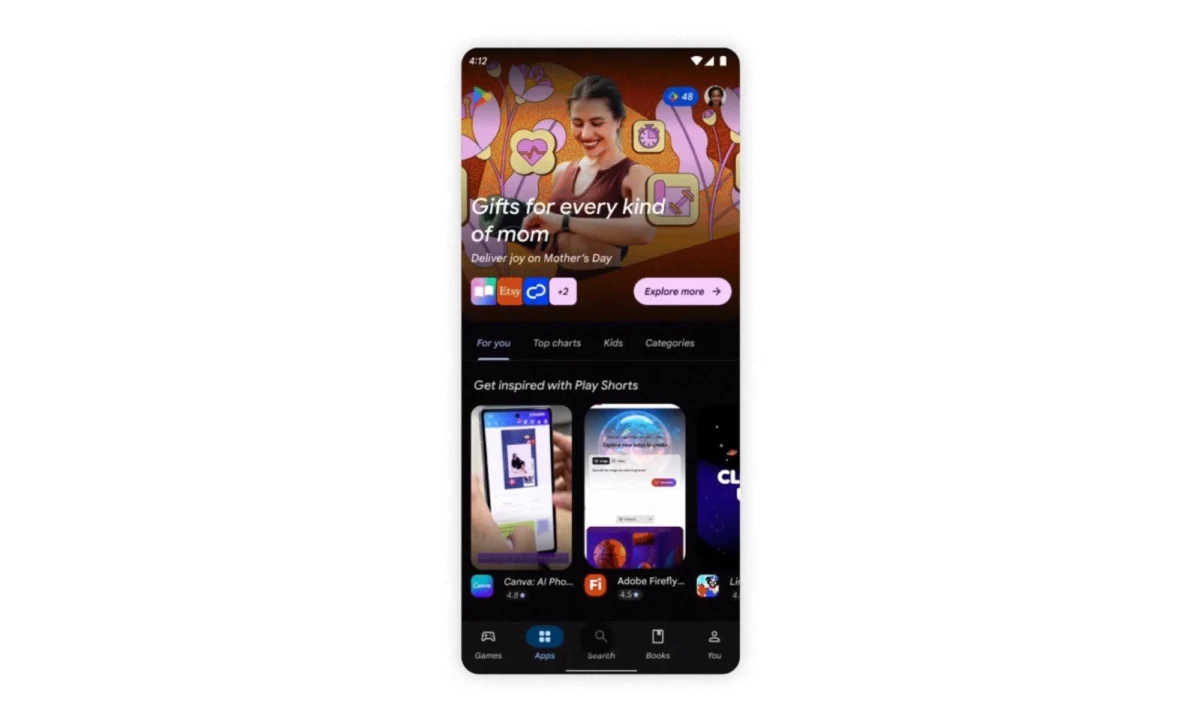
At Google I/O 2026, the tech giant unveiled a transformative vision for its digital storefront, Google Play. Moving away from the traditional, static list-based interface that has defined app stores for nearly two decades, Google is pivoting toward an AI-first, video-centric ecosystem. This radical redesign aims to resolve the "discovery fatigue" users often face when navigating millions of available titles, shifting the focus from keyword-based searching to intuitive, conversational, and visual exploration.
Main Facts: The Pillars of the New Play Store
The core of Google’s update rests on three foundational pillars: deep integration with Gemini, the introduction of "Play Shorts," and the rollout of "Ask Play."

1. Gemini Integration
Google is effectively breaking the walls of the Play Store. By integrating Google Play directly into the Gemini app on Android and the web, Google is enabling users to discover apps and games without ever opening the store. Starting in the coming weeks, users can ask Gemini for recommendations based on specific needs—such as "Find me a photo editor that works well with HDR" or "Recommend a low-stress puzzle game for a flight"—and receive curated, actionable suggestions. By the end of the year, this will expand to include over 450,000 movies, TV shows, and live sports streaming options, deep-linking users directly into the relevant apps.
2. Play Shorts
Recognizing the shifting consumption habits of younger demographics, Google is introducing "Play Shorts." This feature brings a full-screen, portrait-mode video feed directly into the Play Store. Much like the interfaces popularized by TikTok and YouTube Shorts, these previews provide an immediate, unfiltered look at how an app or game actually functions. This move seeks to reduce the bounce rate on app pages by offering a more authentic "try-before-you-buy" experience.

3. Ask Play and Conversational Search
The search function is receiving a massive upgrade through "Ask Play," a conversational AI layer. Unlike traditional search, which relies on static metadata and SEO-optimized keywords, Ask Play understands the intent and context of a user’s query. It can handle multi-turn follow-up questions, allowing users to refine their search parameters in real-time. Complementing this is "Ask Play Highlights," which synthesizes search results into a concise, high-level summary, helping users parse through complex options without needing to click on individual listings.
Chronology of the Shift
The transition toward an AI-driven discovery engine did not happen overnight. The following timeline outlines the evolution leading up to the 2026 announcements:

- 2023-2024 (The Foundation): Google begins experimenting with generative AI in search results (SGE) and enhancing app store metadata with AI-generated summaries for developer descriptions.
- Early 2025: Beta testing begins for AI-powered personalized recommendations, utilizing user behavioral data to suggest apps that fit niche lifestyle needs.
- May 2026 (I/O 2026): Official announcement of the Play Store overhaul. Google outlines the timeline for the deployment of Gemini integration, Play Shorts, and Ask Play.
- Summer 2026 (Immediate Future): Initial rollout of Play Shorts to US users and select developers; updates to the Play Games Sidekick overlay to bolster social discovery.
- Late 2026: Full integration of movie, TV, and live sports search into the Gemini app, marking the completion of the "discovery layer" phase.
Supporting Data and User Experience Metrics
The urgency behind these changes stems from significant shifts in user behavior. Market research suggests that the average smartphone user spends less than 30 seconds deciding whether to download an app based on a static store page.
- Engagement Lag: Prior to these changes, internal data suggested that a high percentage of users abandoned their search after the first page of results due to the sheer volume of "noise" and low-quality app saturation.
- Video Conversion: Early internal testing of short-form video previews showed a 25% increase in conversion rates for users who interacted with the media, compared to those who only viewed static screenshots.
- Conversational Efficiency: Ask Play is designed to reduce the number of "refinement" searches by approximately 40%, as the AI can account for nuances in user needs—such as "free," "offline," or "kid-friendly"—in a single conversational turn rather than multiple search iterations.
Official Responses and Developer Perspectives
Google’s leadership team has framed these updates as a necessary evolution. At the I/O keynote, representatives emphasized that "the goal is to bridge the gap between user intent and app discovery." By allowing Gemini to act as a curator, Google is essentially creating a personalized concierge for the entire Android ecosystem.

For developers, the implications are profound. Smaller developers who have historically struggled to gain visibility against high-budget marketing campaigns may find a new lifeline in "Ask Play." If the AI recommends their app based on functionality and user-satisfaction metrics rather than just paid advertising slots, the playing field could become significantly more meritocratic. However, some developers have expressed concerns about the "black box" nature of AI discovery, fearing that if the algorithm misinterprets their app’s core features, they could be excluded from relevant search results.
Implications: The Death of the Traditional Storefront?
The broader implications of these changes suggest that the "app store" as a destination may soon be obsolete.

1. The Disappearance of the Store
By moving discovery into the Gemini app, Google is effectively decentralizing its own store. In the near future, the Play Store may transition from being a place where users go to browse into a back-end utility that merely facilitates the download. This is a direct challenge to the Apple App Store, which remains a more centralized, curated, and static experience.
2. The Rise of "Agentic" Discovery
As Android integrates features like the "Android Halo" (which allows users to monitor AI activity without interruption), the phone becomes an agentic device. Users will increasingly stop looking for specific apps and start asking their phone to "solve problems." This changes the developer’s job from "building an app that ranks well" to "building a feature that an AI agent will call upon."

3. Impact on Content Ecosystems
The inclusion of movies, TV shows, and live sports in the discovery layer marks a major shift in how Google competes with streaming aggregators. By deep-linking directly into content, Google is positioning Android as the ultimate entertainment hub, potentially reducing the need for users to open Netflix, Hulu, or ESPN individually to find out what is currently playing.
4. Privacy and Trust
With AI playing a more active role in guiding users to applications, the question of data privacy looms large. Google has reiterated that these features are built with privacy-centric design, ensuring that user history and behavioral patterns are handled within the parameters of their existing data policies. However, as AI becomes the primary gatekeeper for what users see, the burden of ensuring "unbiased" results will fall heavily on Google’s engineers.

Conclusion
The 2026 Google Play update is more than a UI refresh; it is a fundamental re-architecting of how humans interact with software. By embracing generative AI and the short-form video format, Google is betting that the future of the internet is not found in browsing lists, but in conversing with machines that already know what we need. As these features roll out, the success of this strategy will depend on whether users find the AI’s recommendations helpful and authentic, or if the "discovery layer" becomes just another layer of corporate noise. One thing is certain: the era of the static app store is drawing to a close.












No comments yet. Be the first to join the conversation!