Evan Lee Salim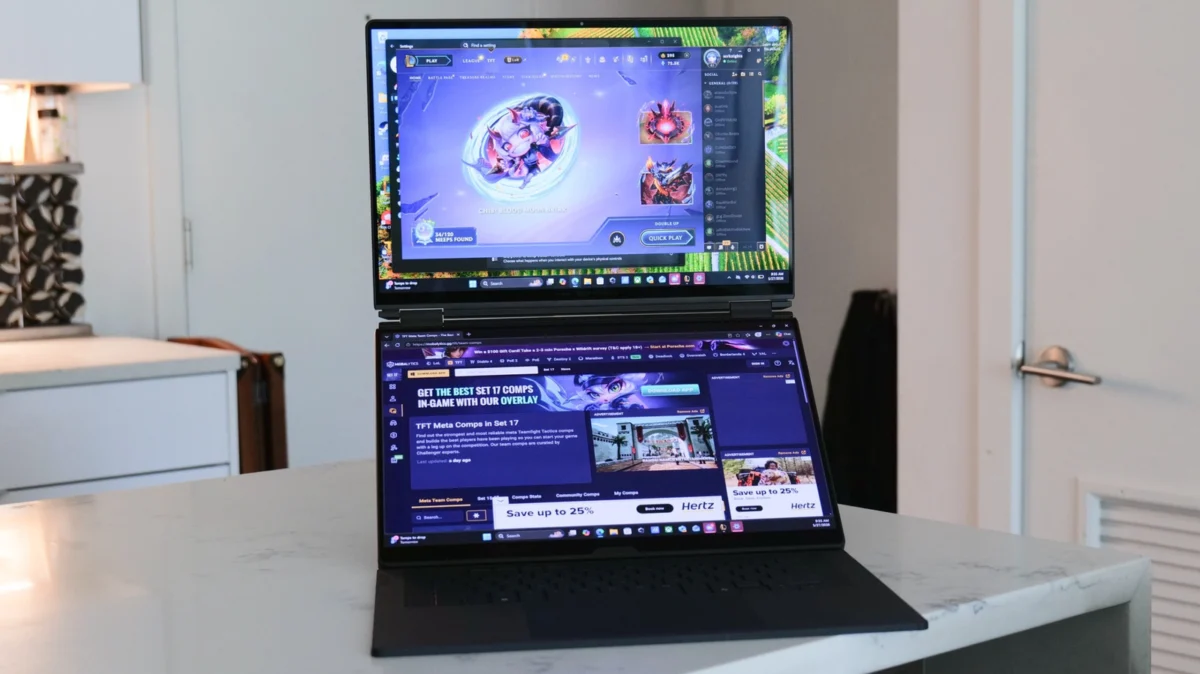
The last two weeks in the technology sector have been characterized by a push toward extremes: extreme pricing, extreme sensor sizes, and extreme niche specialization. From dual-screen gaming powerhouses that challenge the very definition of a laptop to the evolving battle for supremacy in the smartphone photography market, the landscape is shifting.
In this comprehensive review recap, we examine the latest gadgets that have crossed our desks at Engadget. We explore the high-stakes world of flagship hardware, where companies are increasingly betting that consumers are willing to pay a premium for incremental, yet impactful, technological leaps.
Main Facts: The Current Hardware Landscape
The recent wave of hardware releases reveals a clear trend: manufacturers are moving away from "all-rounder" devices in favor of specialized, high-performance tools. Whether it is the ASUS ROG Zephyrus Duo’s dedication to screen real estate or the GoPro Mission 1 Pro’s commitment to cinema-grade action capture, the message is clear: hardware is becoming more specialized.
However, this specialization comes with a caveat. As features improve, so does the price. We are seeing flagship-tier pricing reach heights that alienate casual consumers, effectively creating a "prosumer" class of hardware that sits just out of reach for the average buyer.
Chronology of Recent Releases and Reviews
Over the past fortnight, the Engadget reviews team has conducted an intensive audit of the latest market entries. The following timeline outlines the progression of these evaluations:
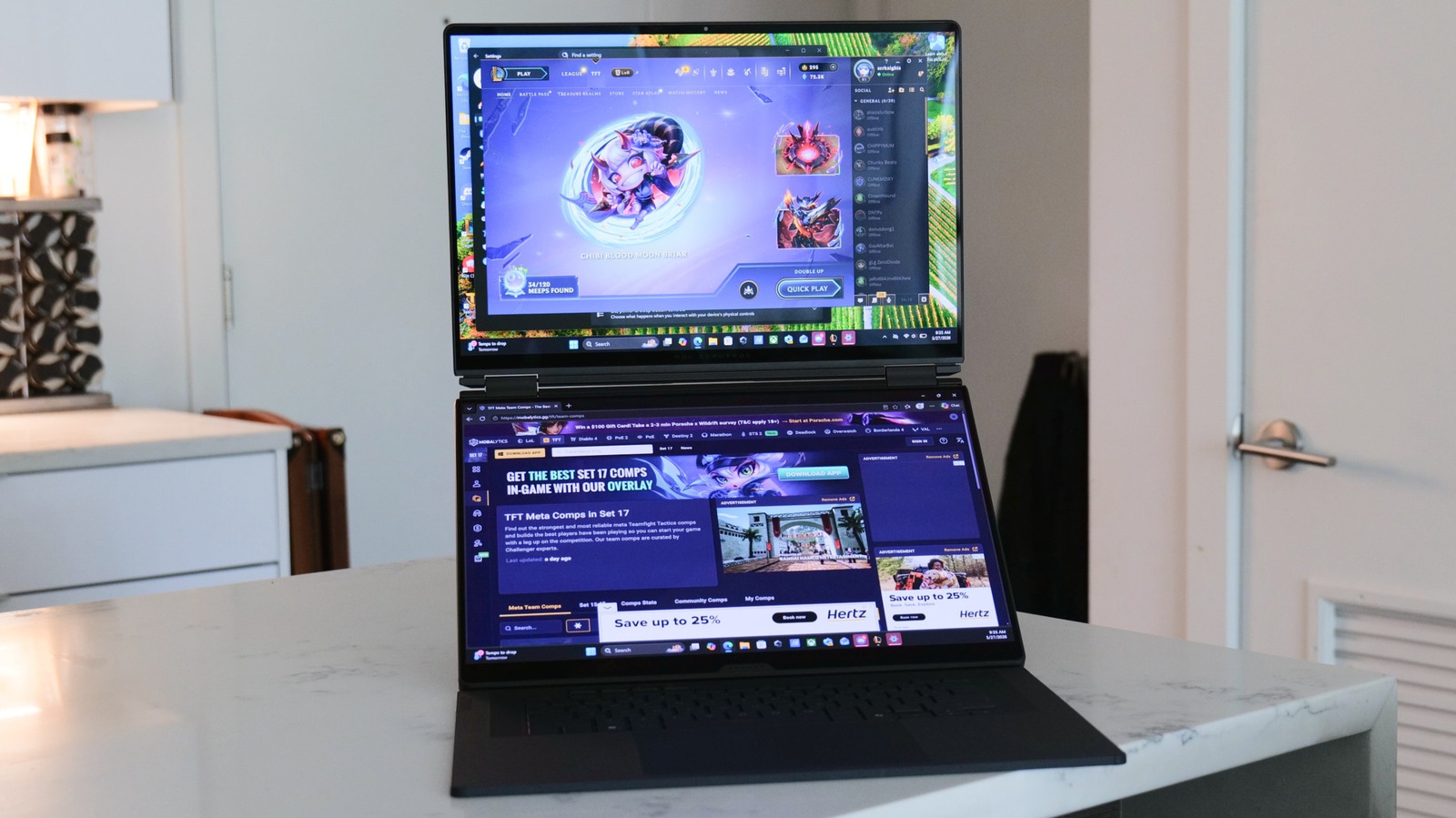
- Week 1 (Gaming and High-End Audio): Our focus began with the ASUS ROG Zephyrus Duo, followed closely by the highly anticipated, if controversial, Sony 1000X "The Collexion" headphones and the Steelseries Arctis Nova Elite gaming headset.
- Week 2 (Wearables and Imaging): The latter half of the period was dominated by the debut of the Fitbit Air, the GoPro Mission 1 Pro action camera, and a head-to-head comparison of the Oppo Find X9 Ultra and the Vivo X300 Ultra.
- Ongoing (Projectors and Audio Refreshes): We rounded out our testing with the XGIMI Titan Noir Max projector and the long-awaited Sennheiser Momentum 5 Wireless headphones.
Supporting Data: Performance and Market Positioning
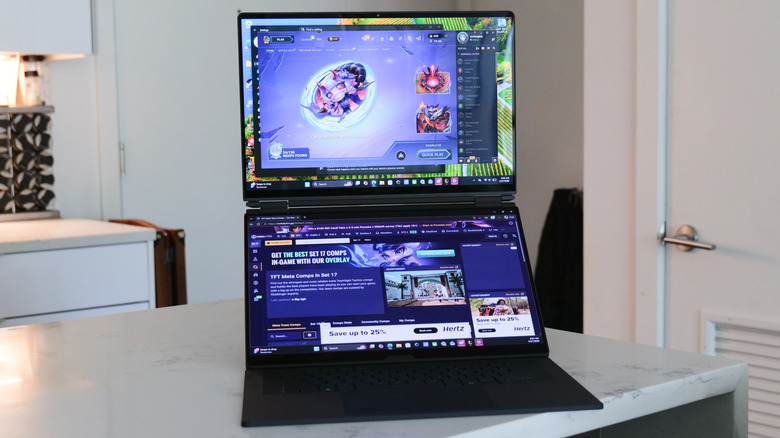
The Dual-Screen Dilemma: ASUS ROG Zephyrus Duo
For the "more screens are always better" demographic, the ASUS ROG Zephyrus Duo remains the gold standard. Senior reviews editor Sam Rutherford noted that while the utility of the dual-screen setup is undeniable for productivity and streaming, the laptop remains a "gaming powerhouse" that is hampered by its prohibitive cost. The design offers a unique "childlike joy" when deployed, but as Rutherford points out, "most of the people who might also enjoy it probably can’t afford one."
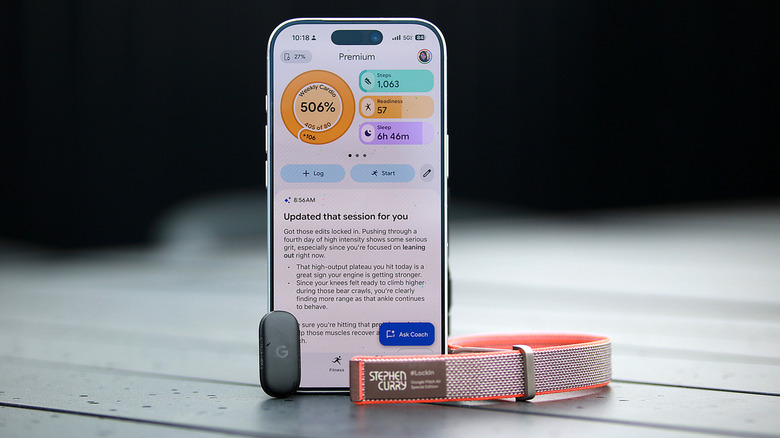
The Fitness Wearable War: Fitbit Air
Google is making a calculated play for the fitness market with the Fitbit Air. By merging its deep expertise in AI-driven software with Fitbit’s dominance in heart-rate monitoring, Google has created a compelling challenger to the screenless tracker market, specifically targeting the Whoop ecosystem. Executive editor Cherlynn Low emphasizes that the device feels like a "natural marriage" of the two companies’ strengths, signaling a shift in how we might expect future health trackers to function.
Imaging Supremacy: GoPro Mission 1 Pro
GoPro has officially entered the "pro" imaging space with the Mission 1 Pro. By utilizing the largest sensor seen in an action camera to date and supporting open-gate 8K video, GoPro is targeting content creators who require high-fidelity footage. Contributing editor Steve Dent suggests that while the camera handily outperforms the DJI Osmo Action 6, the trade-offs—increased size and a higher price tag—make it a niche product rather than a consumer essential.
Audio’s Anniversary Misstep: Sony 1000X The Collexion
Sony’s 1000X series has long been the industry benchmark for noise cancellation. However, the 10th-anniversary "Collexion" has met with mixed reviews. Despite the premium price point of $650, the performance does not necessarily eclipse the WH-1000XM6. For the first time in a decade, Sony’s flagship audio product failed to justify its cost, with reviewers noting that the tuning and active noise cancellation (ANC) on cheaper legacy models remain superior.
Official Perspectives and Expert Analysis
The consensus among our editorial team is that we are currently in a period of "feature saturation."
- Mat Smith (UK Bureau Chief): Commenting on the Chinese smartphone market, Smith notes that the evolution of teleconverter attachments in devices like the Oppo Find X9 Ultra and Vivo X300 Ultra demonstrates how aggressive innovation is currently coming from regions where these phones are primary devices. Even if they never reach US shores, these devices serve as the "bleeding edge" of mobile photography.
- James Trew (Contributor): On the subject of high-end peripherals, Trew’s analysis of the $600 Steelseries Arctis Nova Elite suggests that the gaming headset market is reaching a price ceiling. At this level, consumers are not just buying audio quality; they are buying brand cachet and premium build materials that may not offer a linear improvement in performance.
Implications for the Future of Technology
1. The Price-to-Utility Gap
The most significant implication of these reviews is the widening gap between the utility of a device and its price. As hardware becomes more complex, the cost of manufacturing and R&D is being passed directly to the consumer. This suggests a future where high-performance hardware is increasingly restricted to professional creative workflows, while the average consumer is left with mid-tier options that have stagnated in innovation.
2. Software as the New Hardware
The success of the Fitbit Air highlights that hardware is no longer the primary differentiator. Google’s integration of AI-driven health insights proves that software ecosystems will determine the success of future wearables. Expect to see more manufacturers pivoting toward subscription-based software services to recoup the costs of their expensive hardware.
3. The "Prosumer" Niche
Devices like the GoPro Mission 1 Pro and the ASUS ROG Zephyrus Duo indicate that companies are finding success in smaller, high-margin niches. Rather than trying to design a device for everyone, brands are building "best-in-class" tools for specific workflows. This trend is likely to continue as the global tech market matures and consumers demand more specialized functionality.
Conclusion: A Changing Landscape
The last two weeks have provided a snapshot of an industry at a crossroads. While the innovation is undeniable—from 8K action cameras to dual-screen productivity machines—the accessibility of this technology is decreasing.
As we look toward the remainder of the year, the question for manufacturers will not be "what can we build?" but "how can we make it accessible?" For the time being, however, the latest crop of devices serves as a reminder that if you want the absolute best performance, you should be prepared to pay a premium that reflects the cutting-edge nature of today’s engineering.
For those interested in the full, in-depth analysis of these devices, we encourage you to visit the individual review pages linked throughout this recap. Whether you are in the market for a high-end gaming laptop or are simply keeping an eye on the future of mobile imaging, these devices represent the current pinnacle of their respective categories.
Summary Table of Recent Reviews:
| Device | Category | Verdict |
|---|---|---|
| ASUS ROG Zephyrus Duo | Gaming Laptop | Excellent but overpriced |
| Fitbit Air | Wearable | A strong competitor to Whoop |
| GoPro Mission 1 Pro | Action Cam | Best in class; expensive |
| Sony 1000X The Collexion | Headphones | Disappointing value |
| Oppo/Vivo Ultras | Smartphones | Innovative camera tech |
| Sennheiser Momentum 5 | Headphones | Competitive with Bose/Sony |


 Asro
Asro
 Ammar Sabilarrohman