

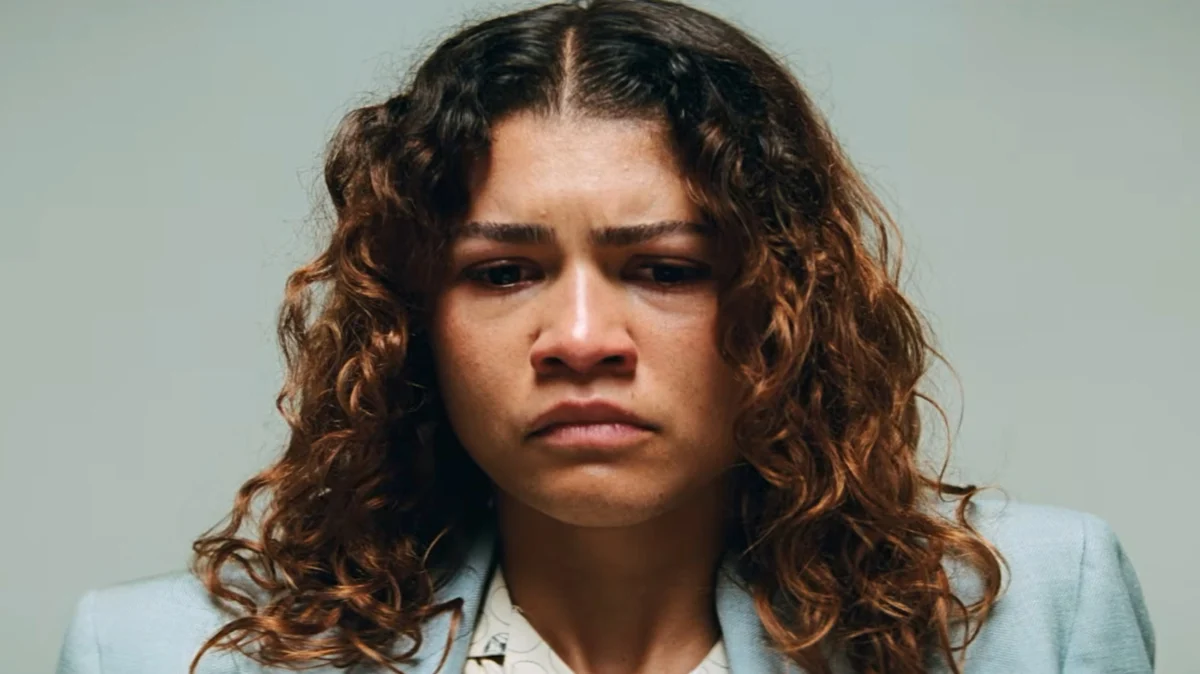
Warning: The following article contains major spoilers for the series finale of "Euphoria," titled "In God We Trust."
The neon-soaked, visceral, and often polarizing world of HBO’s Euphoria has officially gone dark. Following the conclusion of its third season—a chapter marked by intense narrative pivots and a finale that shifted the show from a character study into a stark, unflinching meditation on mortality—creator Sam Levinson has confirmed that there will be no fourth season.
While speculation regarding the show’s future has dominated entertainment news cycles for over a year, the confirmation came via an appearance on The New York Times’ Popcast. Levinson, alongside HBO, has brought a definitive end to a series that redefined the visual language of modern television and sparked a global conversation about the realities of youth addiction.
The Narrative End: A Departure from Expectations
For years, Euphoria operated under a veneer of chaotic possibility. Would Rue (Zendaya) find sobriety? Would the ensemble cast of East Highland High navigate their trauma toward a semblance of peace? By the time the credits rolled on the series finale, "In God We Trust," it became clear that Levinson had no intention of providing a "Hollywood ending."
In his interview with the Popcast, Levinson was candid about his creative philosophy. "In terms of the story that we set out to tell, which is a story about addiction and its consequences, this feels like the end to me," he stated. He characterized the series as a "tragic one," noting that to prolong the narrative would be to dilute the harrowing truth the show aimed to present. "If you are experimenting or taking drugs today, it’s very possible it’ll kill you," Levinson remarked, emphasizing that the finale was designed to mirror the cold, often unforgiving reality of the opioid crisis.
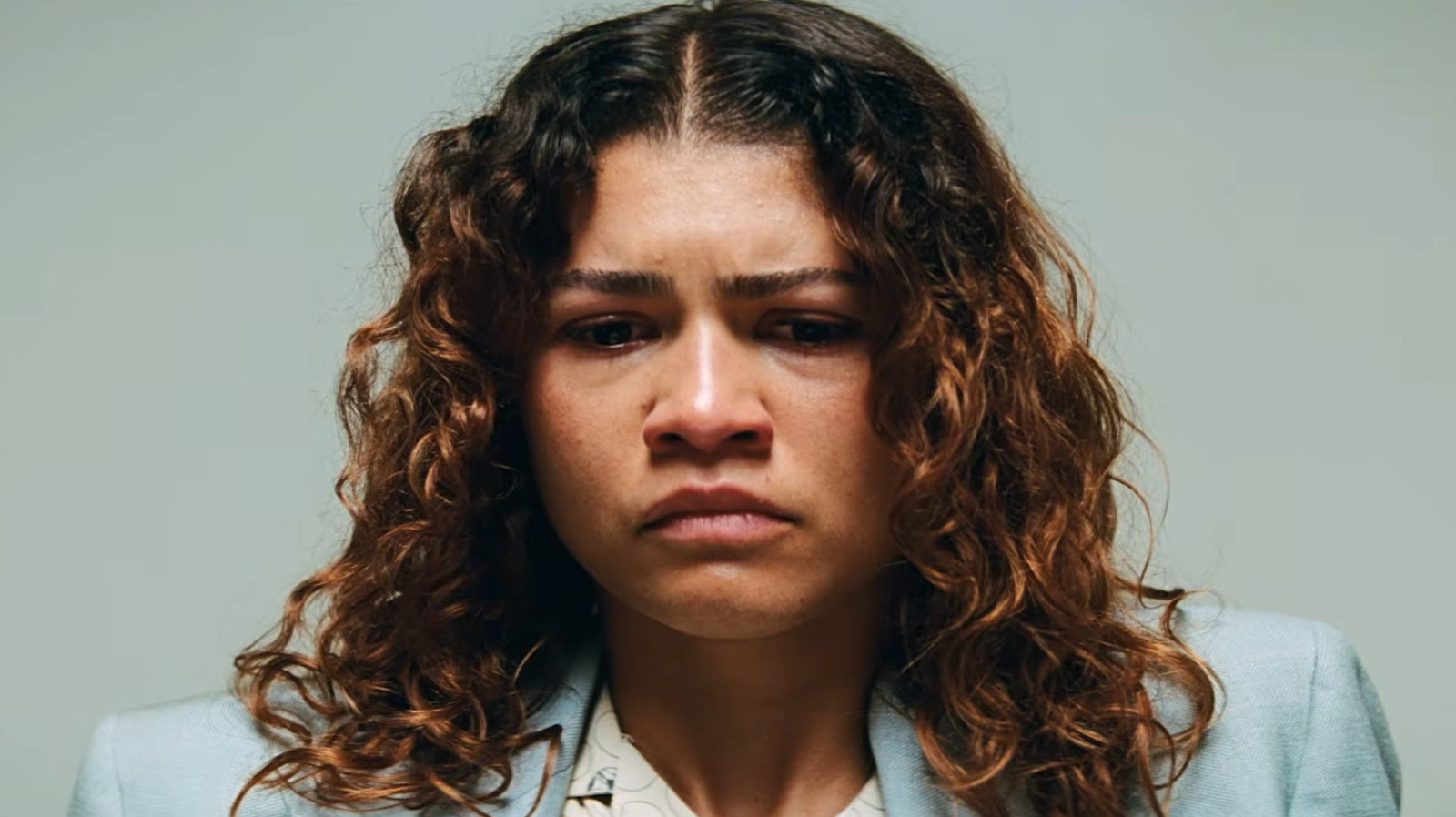
Chronology of a Conclusion
The road to the end of Euphoria was paved with rumors, production delays, and profound off-screen tragedy. To understand why the show concluded when it did, one must look at the timeline of its final years:
- The 2023 WGA Strike: During the industry-wide writers’ strike, production on Euphoria hit a mandatory standstill. It was during this period of forced reflection that Levinson began to reconsider the trajectory of the series.
- The Passing of Angus Cloud: The death of beloved cast member Angus Cloud in July 2023 served as a catalyst for a massive tonal shift. Cloud’s character, Fezco, was a moral anchor for many in the show’s dark universe. His absence fundamentally altered the landscape of the show.
- Post-Strike Revision: Upon returning to the writers’ room, Levinson abandoned his initial scripts. He made the conscious decision to move away from a redemptive arc for Rue, opting instead for a path that reflected the lethality of modern narcotics.
- The Finale Announcement: Following the release of the Season 3 finale, the ambiguity surrounding a potential fourth season was officially dispelled by HBO, confirming that the network and the creator were in total alignment regarding the show’s closure.
The Catalyst of Change: Addressing the Fentanyl Crisis
Perhaps the most discussed aspect of the finale is the death of Rue Bennett via a fentanyl overdose. This creative choice has sparked intense debate among fans and critics, but Levinson maintains it was a necessary evolution of the show’s central thesis.
"I had to reconceive the script," Levinson explained regarding his post-strike writing process. "I thought, you can’t tell a story about addiction today without the very real consequences. Most people don’t get a second chance. Fentanyl can just take you out in an instant."
By centering the finale on the finality of an overdose, Euphoria shifted its focus from the "seduction" of substances—the glamorous, stylized aesthetic of the early seasons—to the grim, irreversible nature of addiction. It was a bold move that repositioned the series as a cautionary tale rather than a stylized drama.
Supporting Data and Industry Context
The conclusion of Euphoria is not merely a creative choice; it is also a pragmatic one. The series stars—Zendaya and Jacob Elordi—have become two of the most bankable actors in Hollywood. Zendaya, an Emmy-winning powerhouse, and Elordi, a rising star with a string of major studio successes, possess schedules that are increasingly difficult to align with the grueling production demands of a high-budget HBO drama.
Furthermore, the show’s departure reflects a shifting trend in prestige television. Networks are increasingly moving away from long-running, multi-season dramas that risk "jumping the shark." Instead, there is a preference for definitive, limited-run narratives that maintain a consistent quality and vision.
The analytical consensus, as highlighted by various media outlets throughout the final season, was that the characters had reached the logical limit of their development. The "Game of Thrones-style" wedding mentioned in earlier episodes served as a microcosm of the show’s tendency toward grand, final-act gestures, signaling to viewers that the story was moving toward an inescapable conclusion.
Official Responses and Behind-the-Scenes Sentiment
The cast, particularly Zendaya, has expressed a deep, emotional connection to the project. In an internal behind-the-scenes video released by HBO, the actress offered a heartfelt tribute to the crew that had supported her throughout the show’s run.
"I’m incredibly grateful for every single one of you," Zendaya said. "Many of you have been here from the beginning and watched me grow up. It’s been such a pleasure and an honor."
These comments underscore the familial atmosphere of the set, which stood in stark contrast to the volatile and often toxic dynamics depicted on screen. For the network, the decision to end the show was a collaborative effort, balancing the creative vision of Levinson with the practical realities of a cast that had outgrown the high school setting of the series.
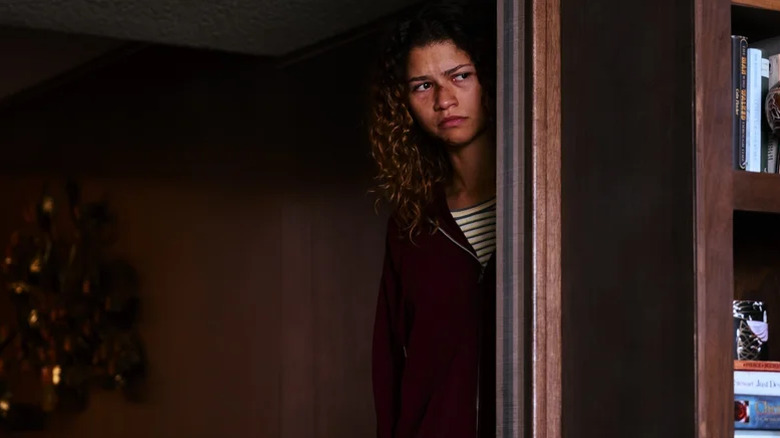
Implications for the Future of HBO and Sam Levinson
The end of Euphoria marks the conclusion of an era for HBO. The show was instrumental in defining the network’s digital identity, attracting a younger demographic and setting a new standard for cinematography and music integration.
For Sam Levinson, the success and subsequent conclusion of Euphoria cement his status as a divisive but undeniably impactful auteur. Whether audiences agree with the bleakness of the finale or not, the show has left an indelible mark on pop culture. It forced a conversation about the intersection of social media, identity, and the substance abuse crisis that remains relevant long after the final credits have rolled.
As for the fans, the "Euphoria" void will undoubtedly be felt. However, the show’s legacy is now secured as a complete, self-contained, and uncompromising work of art. It did not fade away through endless seasons of diminishing returns; instead, it chose to end with a visceral, jarring, and arguably honest conclusion.
If you or anyone you know is struggling with substance abuse or mental health issues, help is available. You are not alone. Please contact the Substance Abuse and Mental Health Services Administration (SAMHSA) National Helpline at 1-800-662-HELP (4357) or visit https://www.samhsa.gov/ for confidential, free, 24/7 information and support.











No comments yet. Be the first to join the conversation!