

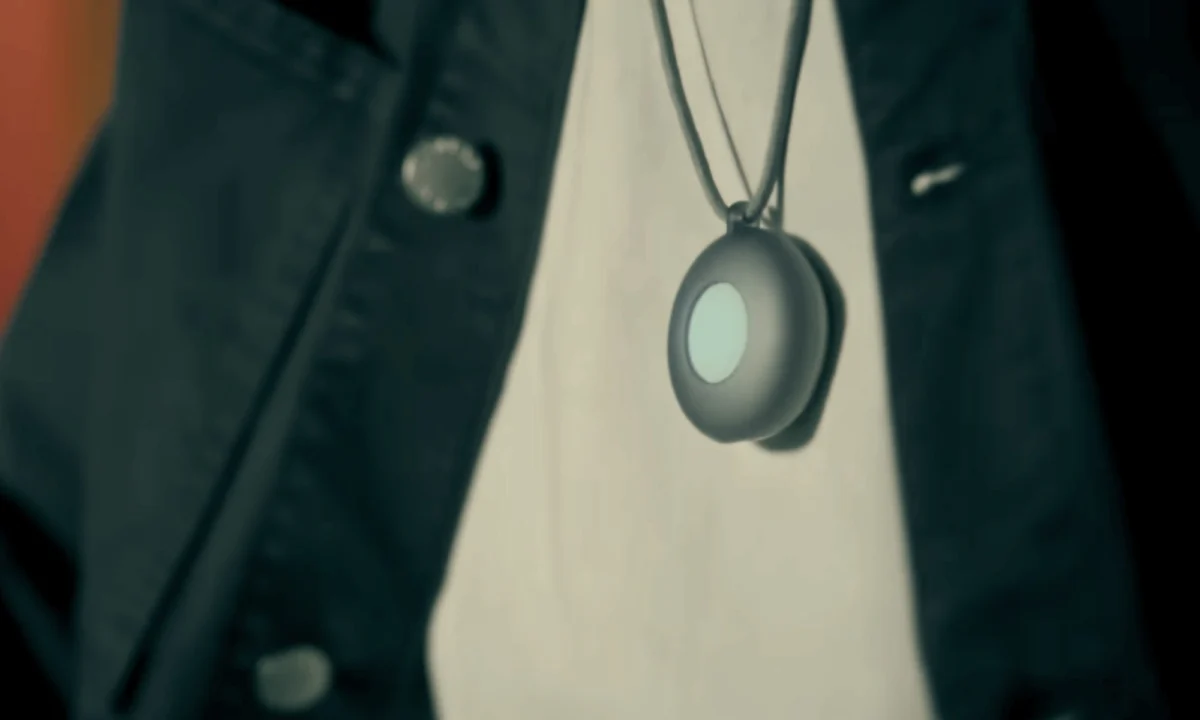
Meta is no longer content with merely influencing your digital interactions through social media platforms or augmented reality eyewear. If recent reports are to be believed, the company is preparing to shift its hardware strategy toward a more intimate—and perhaps more intrusive—form factor: an AI-powered pendant. According to a report by The Information, Meta is currently in the development phase of a wearable device designed to sit around the user’s neck, functioning as a continuous, ambient AI observer.
This move represents a significant escalation in the race to dominate the "AI wearable" market. While Meta has already made notable strides with its smart glasses, which integrate AI into a head-worn form factor, a pendant capable of recording, transcribing, and summarizing every conversation throughout the day marks a departure from human-centric computing toward something closer to constant surveillance.
The Genesis: From Limitless to Meta’s Laboratory
The concept of a "pendant" is not entirely new to the tech industry. In 2025, Meta acquired the startup Limitless, a company whose flagship product was, quite literally, the "Pendant." The device was marketed as a productivity-enhancing clip-on microphone that captured ambient audio to generate searchable transcripts and automated meeting summaries. At the time, the acquisition was interpreted as a strategic play to secure talent and intellectual property in the budding field of AI-assisted memory.

Now, it appears Meta is ready to integrate that vision into its broader Reality Labs ecosystem. By building a proprietary version of this hardware, Meta aims to move beyond reactive AI—where users must prompt a chatbot—and toward a proactive AI that functions as a background layer to human life.
Chronology of a Shifting Hardware Strategy
To understand why Meta is pursuing this, one must look at the timeline of its hardware evolution:
- 2023–2024: Meta establishes a firm foothold in the smart glasses market, focusing on Ray-Ban collaborations. The emphasis is on "AI on your face," bridging the gap between cameras, voice assistants, and augmented reality.
- 2025: Meta acquires Limitless. The move signals a pivot toward capturing, analyzing, and storing long-form audio data from a user’s environment.
- Late 2025: Reality Labs reports a staggering $19 billion annual loss. The pressure to monetize AI and hardware becomes the primary driver for executive decision-making.
- 2026 (Current): Reports emerge that Meta is testing an AI pendant alongside a new suite of smart glasses (codenamed Modelo, Luna, RBM2 Refresh, and Mojito VIP). The company begins outlining a subscription-based "Wearables for Work" service.
Supporting Data and The Reality Labs Financial Burden
The impetus for this hardware push is, at least in part, financial. Meta’s Reality Labs division, the engine behind its metaverse and wearable ambitions, has proven to be a financial black hole. A $19 billion deficit in 2025 underscores the urgency with which Mark Zuckerberg must demonstrate a viable, consumer-ready product that generates recurring revenue.

The proposed "Wearables for Work" subscription model suggests that Meta is pivoting away from the "all-in-one" social consumer model and toward enterprise-grade utility. By offering tools like "Hatch"—an internal AI agent capable of managing calendars, transcribing discussions, and organizing task lists—Meta hopes to justify the cost of its hardware through productivity gains.
The Mechanics of Constant Observation
Unlike smart glasses, which are often used sporadically, a pendant suggests a "set it and forget it" usage pattern. This device would theoretically remain active throughout the day, filtering out background noise while isolating human speech to build a comprehensive digital memory of the user’s life.
This is a significant departure from the current state of AI. Most AI interfaces are transactional: you ask a question, and the AI answers. A wearable pendant is observational: the AI watches and listens, indexing the world around you so that you can later ask, "What did my boss say about the project deadline in that meeting last Tuesday?" or "Where did I put my keys?"

However, this creates a massive data storage and processing requirement. To make this functional, the device must either have immense on-device processing power or, more likely, a cloud-based infrastructure that constantly streams audio data to Meta’s servers.
Privacy, Consent, and the Social Contract
The privacy implications of an "always-listening" device are profound. We have already seen intense public debate regarding the cameras embedded in smart glasses—the fear of being recorded in private settings is palpable. An AI pendant, which is inherently designed to listen, creates an even more complex minefield regarding consent.
The Problem of Third-Party Consent
If a user wears an AI pendant to a dinner, a board meeting, or a private conversation, do the other participants have the right to opt-out? Unlike a camera, which is visible and directional, a pendant can be easily hidden under clothing, raising the specter of covert recording.

Data Sovereignty and Security
Who owns the transcript of your day? If Meta stores audio data to train its large language models (LLMs), the security risks are astronomical. A breach of such a device wouldn’t just reveal credit card numbers; it would reveal the intimate details of a person’s life, private grievances, and sensitive corporate secrets.
Meta has struggled with public trust regarding data privacy for over a decade. Convincing the general public to voluntarily wear a device that serves as a microphone for the company is a massive psychological and social hurdle.
Implications for the Future of Wearables
The introduction of an AI pendant by a major player like Meta would likely trigger a gold rush in the wearables industry.

- The Death of the Memo: As these devices become more accurate, the need for manual note-taking, calendar management, and task logging will diminish. The AI becomes the user’s "second brain."
- Corporate Surveillance: While sold as a productivity tool, the "Wearables for Work" model could easily devolve into corporate surveillance, where employers track the efficiency, conversation topics, and office interactions of their staff.
- Hardware Proliferation: If Meta succeeds, we will likely see a surge of "ambient AI" hardware—pins, necklaces, and ear-worn devices that prioritize listening over display.
Official Responses and Market Positioning
As of this writing, Meta has not issued a formal press release confirming the technical specifications or the release date of the pendant. However, CEO Mark Zuckerberg has been vocal about his vision for "AI agents" that act as personal assistants. During recent earnings calls, he has emphasized that the integration of hardware and software is the key to Meta’s future, noting that "AI will eventually be the primary interface for how we interact with technology."
Industry analysts are divided. Some argue that this is the logical conclusion of the smartphone era—moving from a device in our pocket to a device on our body. Others, however, believe that Meta is overestimating the public’s appetite for constant surveillance, even if it is cloaked in the promise of convenience.
Conclusion: A High-Stakes Gamble
Meta’s potential entry into the AI pendant market is a high-stakes gamble that will test the boundaries of privacy, consumer trust, and the utility of artificial intelligence. While the technology promises to streamline our complex lives and act as a digital assistant, the cost—a loss of personal anonymity and the potential for a continuous, cloud-connected microphone—may be too high for many.

As Meta prepares its next generation of hardware, the question is not whether the technology will work, but whether society is ready to welcome an "always-listening" observer into the most private spaces of our lives. Whether this becomes the next essential tool for modern productivity or a cautionary tale about the limits of technology remains to be seen. One thing is certain: if Meta succeeds, the way we record and remember our lives will be fundamentally altered forever.












No comments yet. Be the first to join the conversation!