Layla Zulfa
In the ever-evolving landscape of the video game industry, few studios command the creative prestige of Remedy Entertainment. Known for its distinct "authored" experiences—characterized by surreal narratives, meta-textual storytelling, and innovative gameplay—the Finnish developer is currently navigating a pivotal transition. Under the leadership of new CEO Jean-Charles Gaudechon, Remedy is realigning its corporate strategy, shifting away from experimental genre-hopping to focus on maximizing the global reach and commercial potential of its established powerhouse franchises: Alan Wake and Control.
This strategic recalibration follows a sobering period for the studio, marked by the challenging launch of its first self-published title, FBC: Firebreak, and a commitment to refining how the company navigates the complex waters of independent publishing and cross-media expansion.
The Lessons of Experience: The FBC: Firebreak Saga
To understand where Remedy is going, one must examine the lessons learned from its recent past. Last year, the studio launched FBC: Firebreak, a co-op multiplayer title set in the world of its hit game Control. For Remedy, this project represented more than just a new entry in their portfolio; it was their first foray into self-publishing, a move intended to grant the studio greater creative and financial control.
However, the leap proved more difficult than anticipated. In an interview with The Game Business, Gaudechon reflected on the challenges of shifting genres. "I have tremendous respect for previous management and for the team, which is still here," Gaudechon noted. "But it doesn’t always work. Going into a bit of a different genre, that’s when you see that the leap is sometimes much bigger than it looks."
The market performance of Firebreak fell short of expectations, leading to significant financial repercussions for the studio. Following a sluggish debut, Remedy was forced to adjust its Fiscal Year 2025 outlook. The company recorded a non-cash impairment of €14.9 million, a stark reflection of the gap between the game’s development costs and its consumer sales. Despite being positioned as the primary PC sales channel, the title struggled to gain traction on Steam, a disappointment that prompted the studio to be transparent about its "unsatisfied" outlook regarding the game’s performance.
While the studio has since released its final major content update for Firebreak, confirming that the servers will remain active for years to come, the project serves as a foundational "learning experience." Gaudechon emphasized that the process highlighted gaps in their internal operations, particularly regarding how to position a new game, manage community expectations, and execute a self-publishing strategy at scale.
A Chronology of Growth and Contraction
Remedy’s journey has been defined by its ability to punch above its weight, but its history is not without turbulence. The following timeline tracks the studio’s evolution into its current strategic phase:
- The Foundation: Establishing its reputation with iconic titles like Max Payne and Alan Wake, Remedy cemented its status as a master of narrative-driven, third-person action games.
- The Control Era: The 2019 release of Control proved that Remedy’s "weird fiction" brand could achieve massive critical and commercial success, spawning a shared universe that would define the studio’s future.
- Expansion and Ambition: The studio began ramping up its production capacity, taking on multiple projects simultaneously, including the long-awaited Alan Wake 2 and the ambitious FBC: Firebreak.
- The Self-Publishing Leap: The transition to self-publishing Firebreak marked a shift in business model, intended to capture a larger share of revenue.
- Market Realignment (2024–2025): Faced with the underwhelming sales of Firebreak, the studio initiated a strategic review, leading to the appointment of Jean-Charles Gaudechon and a renewed focus on core strengths rather than genre expansion.
Supporting Data: Understanding the Financial Realities
The financial data surrounding Remedy’s recent performance illustrates the volatility inherent in the modern games industry. The €14.9 million impairment charge was a significant event for a mid-sized studio, yet it was balanced by other areas of growth. In the same reporting period, Remedy saw a 63.5% jump in Q2 sales, totaling €16.9 million, driven by the continued long-tail performance of Alan Wake 2 and other legacy assets.
This dichotomy—strong performance from core, narrative-heavy titles versus the struggle of new, experimental formats—is the catalyst for the current shift. Gaudechon argues that the primary issue is not the quality of the games, but the reach of the brands. "It’s a pity, I think Alan Wake should have sold more. Control should have sold more," he stated. The strategy is now to bridge the gap between "cult classic" status and mainstream blockbuster success.
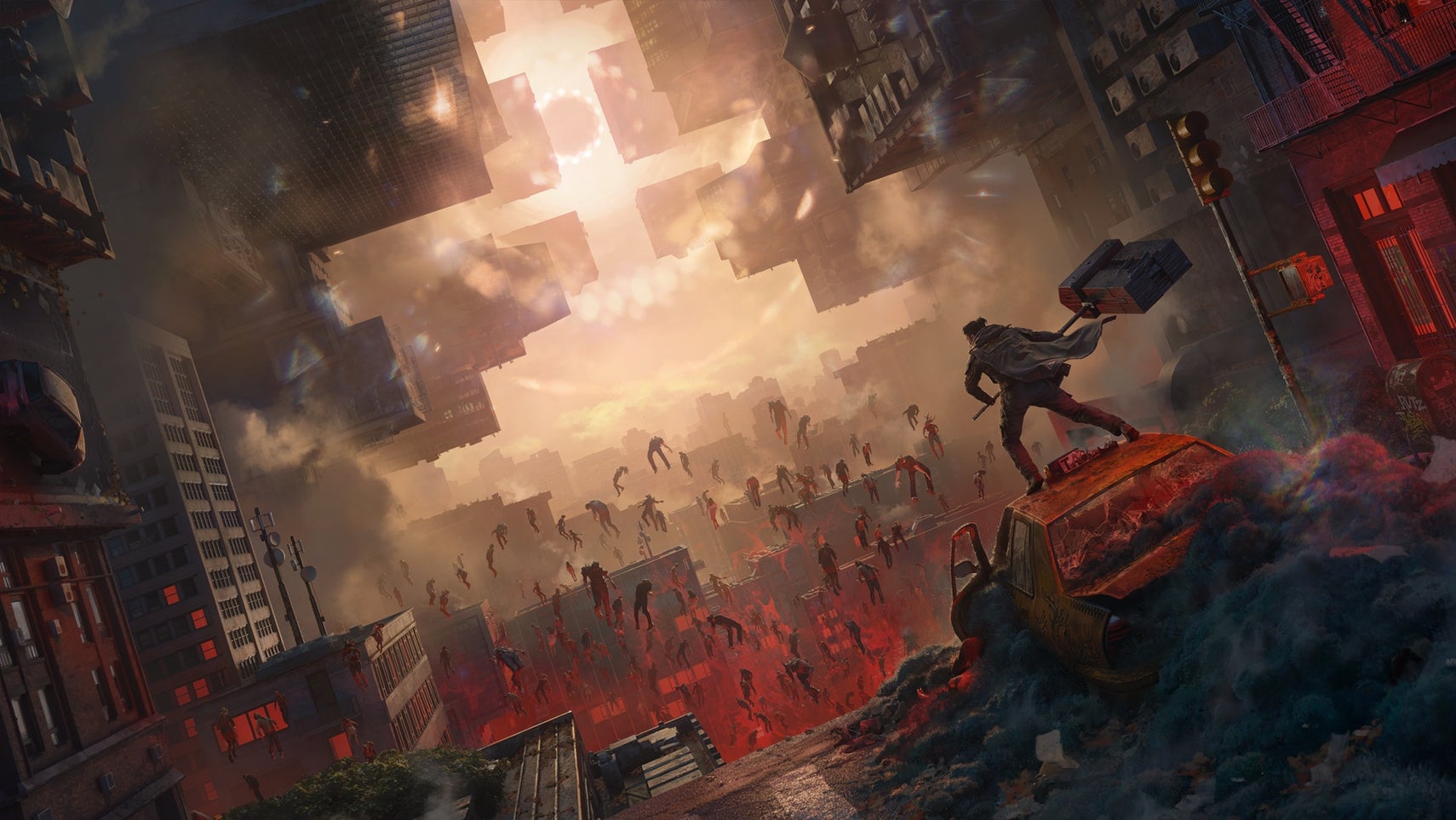
Official Responses: The Philosophy of "Authoring" Games
Jean-Charles Gaudechon’s vision for Remedy is rooted in the idea of the studio as an "author" of interactive experiences. In his view, the industry is currently saturated with "vanilla products"—titles designed primarily to chase market trends or facilitate quick monetization.
"How do you differentiate yourself?" Gaudechon asked. "By your creative voice, by actually saying and standing for something that is unique to you, that represents you. Remedy has done the hardest part by doing all this."
He is clear about what Remedy will not do. The studio has no interest in chasing fleeting market segments like mobile free-to-play gaming unless such a move directly enhances the core IP. "You don’t try to go after business and turn that back into making a game. That’s never worked," he insisted. By protecting the studio’s "core strength"—narrative, single-player experiences—Gaudechon aims to avoid the pitfalls of design-by-committee.
Implications: Cross-Media and the Future of the "Remedyverse"
The most significant step in Remedy’s new strategy is its partnership with Annapurna. Signed in 2024, the agreement is designed to fund the development of Control 2 (formerly referred to as Control Resonant) while simultaneously accelerating the studio’s expansion into film and television.
This is not merely a licensing deal; it is a holistic strategy to maximize the potential of existing franchises. By bringing Alan Wake and Control to television and film screens, Remedy hopes to cultivate an audience that "doesn’t exist today." The goal is to create a flywheel effect: high-quality media adaptations drive interest back to the games, and the games provide the depth for the adaptations to flourish.
The Road Ahead
As Remedy looks to the future, the message from the top is one of unfulfilled potential. "Honestly, we haven’t achieved half of the potential in terms of the products that we make," Gaudechon claimed. This statement is both a critique of past performance and a rallying cry for the studio’s future.
By narrowing its focus, Remedy is betting that its unique, "crazy" creative voice is its greatest asset. The company is moving away from the temptation to be all things to all players, opting instead to double down on the high-fidelity, narrative-heavy, auteur-driven games that established the "Remedy" brand in the first place.
For fans, this signals a return to the studio’s roots—an era where Control and Alan Wake are not just games, but the foundations of a transmedia empire. The road from here will require careful execution, particularly in how the studio manages its self-publishing efforts for upcoming titles like Control 2. However, with a clear mandate to prioritize creative integrity over market trends, Remedy appears to be positioning itself for a new cycle of growth, one that values the depth of its storytelling as the ultimate competitive advantage.
In an industry often obsessed with the next "live service" trend, Remedy’s commitment to the single-player, narrative-led experience serves as a powerful reminder: the most successful games are often those that refuse to be anything other than exactly what they were designed to be.

 Asro
Asro
 Nana Wu