Ali Ikhwan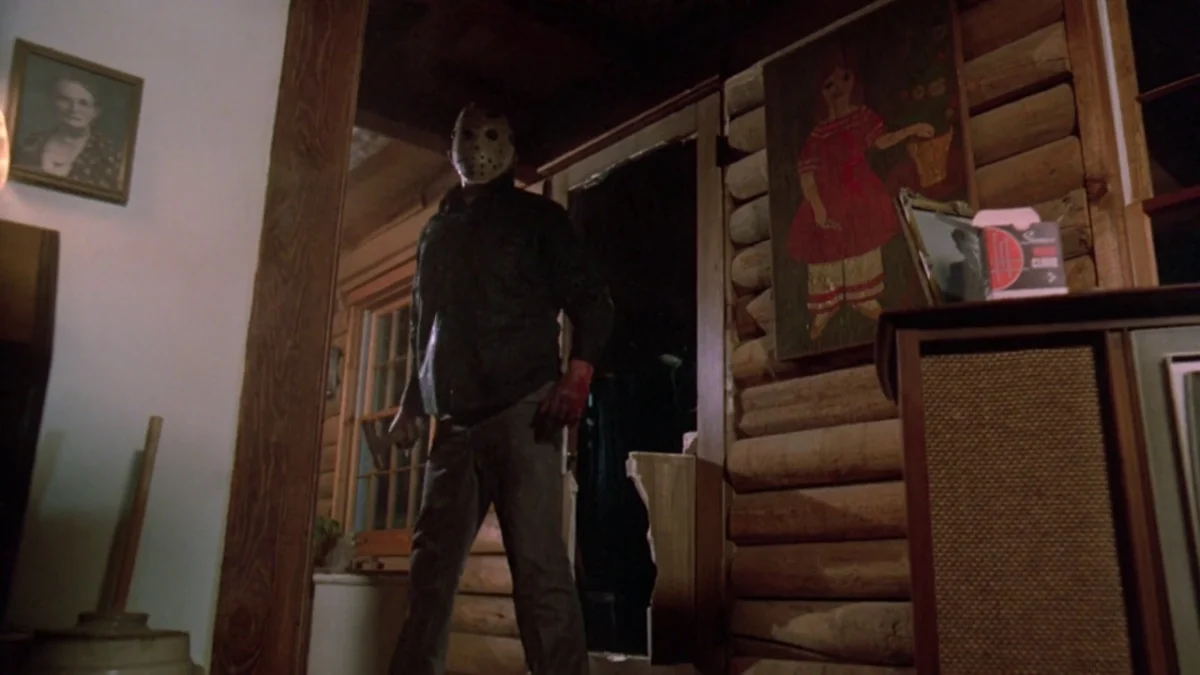
For over four decades, the Friday the 13th franchise has stood as a monolith of slasher cinema. It is a series defined by a singular, iconic figure: Jason Voorhees. Yet, if one were to attempt to map the chronological progression of the Voorhees saga, they would find themselves lost in a labyrinth of conflicting dates, shifting timelines, and a blatant disregard for the calendar—a peculiar irony for a series whose very title promises a specific day of the week and a specific date on the month.
As A24 and Peacock prepare to debut Crystal Lake, an ambitious prequel series starring Linda Cardellini as Pamela Voorhees, a burning question has emerged among horror aficionados: Will the production attempt to "fix" the franchise’s notorious timeline? To do so would be a fundamental misunderstanding of the series’ DNA. Friday the 13th is not a historical record; it is a campfire ghost story.
The Myth of the Calendar: Main Facts of the Franchise
At its simplest, the Friday the 13th premise is a masterpiece of efficiency: a summer camp with a dark history, a vengeful mother, and a supernatural force of nature. The original 1980 film established a clear baseline: the massacre at Camp Crystal Lake occurs on Friday, June 13, 1979. It is a date that carries weight, setting the tone for the superstitions that would haunt the subsequent twelve films.
However, the franchise’s commitment to this temporal anchor began to fray almost immediately. By the time the series reached its fourth entry, The Final Chapter (1984), the narrative had become untethered from its own internal clock. The "Friday the 13th" branding is often a marketing tool rather than a narrative constraint. The series has survived—and thrived—precisely because it treats its timeline as malleable, prioritizing visceral terror and creative kills over the dry, clinical precision of a continuity expert.
A Legacy of Disarray: Chronological Breakdown
To understand why Crystal Lake should avoid the temptation of a "clean" timeline, one must look at the tangled web spun by Paramount and later New Line Cinema.
The Paramount Era (1980–1989)
The first four films exist in a relatively tight cluster. Friday the 13th Part 2 (1981) picks up five years after the original, with Part 3 (1982) and The Final Chapter (1984) occurring in rapid, almost back-to-back succession. By the time we reach A New Beginning (1985), the series leaps forward to 1989. The narrative inconsistencies began to compound: characters age at different rates, technology fluctuates, and the "Jason" we see in Jason Lives! (1986) is a reanimated corpse, yet the timeline remains curiously vague about the elapsed years.
The New Line Shift and the Space-Time Continuum
When New Line Cinema acquired the rights, the timeline underwent a series of "soft reboots." Jason Goes to Hell (1993) ignores much of the Paramount lore, while Jason X (2002) takes the absurd step of jumping to the year 2455. In the far future, the concept of a Friday the 13th becomes an abstract, almost ancient relic.
The 2009 remake further complicated matters, attempting to consolidate the events of the first three films into a modernized, streamlined origin story. By trying to "fix" the timeline, the 2009 entry sacrificed the folkloric, mythic quality of the original films for a grounded, gritty realism that felt, to many fans, antithetical to the spirit of the series.
Supporting Data: Why Consistency Kills the Slasher
The horror genre relies on what scholars call "liminality"—the state of being between worlds. The Friday the 13th films function as urban legends. If you ask ten people to tell you a ghost story, they will embellish, omit, and reorder events to make the story scarier. The Friday the 13th movies function in the exact same way.
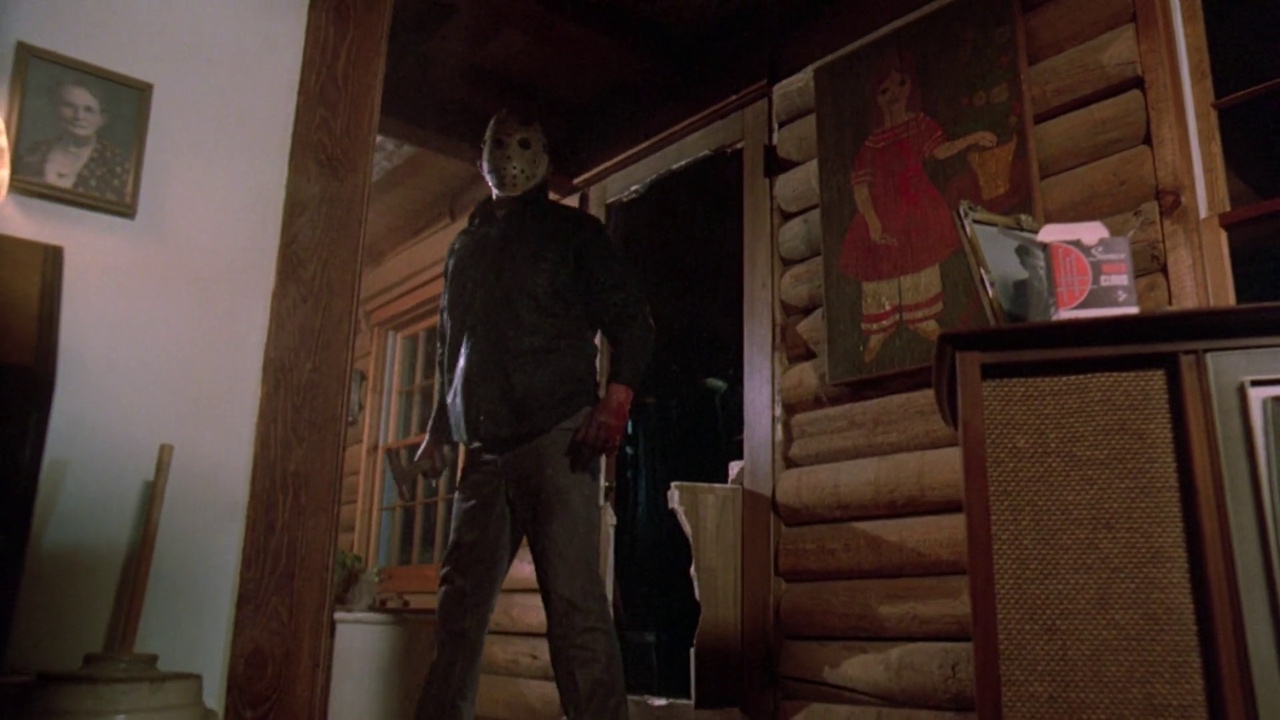
The data of the franchise’s history supports this:
- The "Jason" Problem: Jason has been a drowned boy, a living man, a vengeful spirit, a cyborg, and a demonic entity. None of these transitions are handled with scientific rigor.
- The Teleportation Phenomenon: Fans have long joked about "Teleporting Jason," a trope where the killer appears to move faster than the geography of the film allows. This is not a mistake; it is a cinematic choice to heighten the feeling of being trapped.
- The Seasonal Drift: The films frequently jump between summer, autumn, and winter, regardless of how much time has allegedly passed between sequels.
If A24’s Crystal Lake attempts to explain how these events align with the Gregorian calendar, they will lose the dreamlike, inevitable nature of the terror. The audience does not need to know what day of the week it is; they need to know that the woods are dark, the lake is deep, and that something is coming for them.
Official Responses and Creative Direction
While showrunner Bryan Fuller and the team at A24 have remained tight-lipped regarding the specific plot beats of Crystal Lake, the involvement of Linda Cardellini as Pamela Voorhees suggests a character-driven approach.
The industry expectation is that A24 will bring a high-minded, "elevated" approach to the slasher genre, similar to their work on Hereditary or X. However, the challenge for the producers is to balance prestige storytelling with the grindhouse roots of the franchise. In recent interviews, those close to the production have emphasized that the series is a "deep dive" into the Voorhees family tree. The temptation to "fix" the timeline—to create a unified, logical history of the Voorhees clan—is immense, but it is a trap that could alienate the franchise’s core demographic.
Implications for the Future of the Franchise
The implication of a "fixed" timeline is a sterile, predictable universe. If Crystal Lake provides definitive answers to the mysteries of the 1980s, it effectively closes the door on the mystery that has kept the franchise alive for 46 years.
The beauty of Friday the 13th is that it is a campfire tale. When you sit around a fire, you don’t ask the storyteller for a calendar to verify the date of the event; you listen to be scared. By embracing the inconsistencies, the Crystal Lake series can honor the legacy of the original films. It can explore the trauma of Pamela Voorhees, the isolation of the camp, and the descent of a young boy into a monster, all without needing to be a slave to the calendar.
As we look toward the October 15, 2026, premiere, the hope is that A24 treats the Friday the 13th timeline not as a puzzle to be solved, but as a legend to be told. The series should be messy, it should be haunting, and it should, above all else, feel like a nightmare that refuses to be categorized.
If the showrunners succeed, Crystal Lake will not just be a prequel—it will be a new chapter in a campfire story that, by its very nature, can never truly be finished. Let the days be wrong. Let the years be blurry. Let Jason be the legend that defies the calendar. That is the only way to keep the spirit of Friday the 13th alive.


 Sagoh
Sagoh
 Nana Wu