

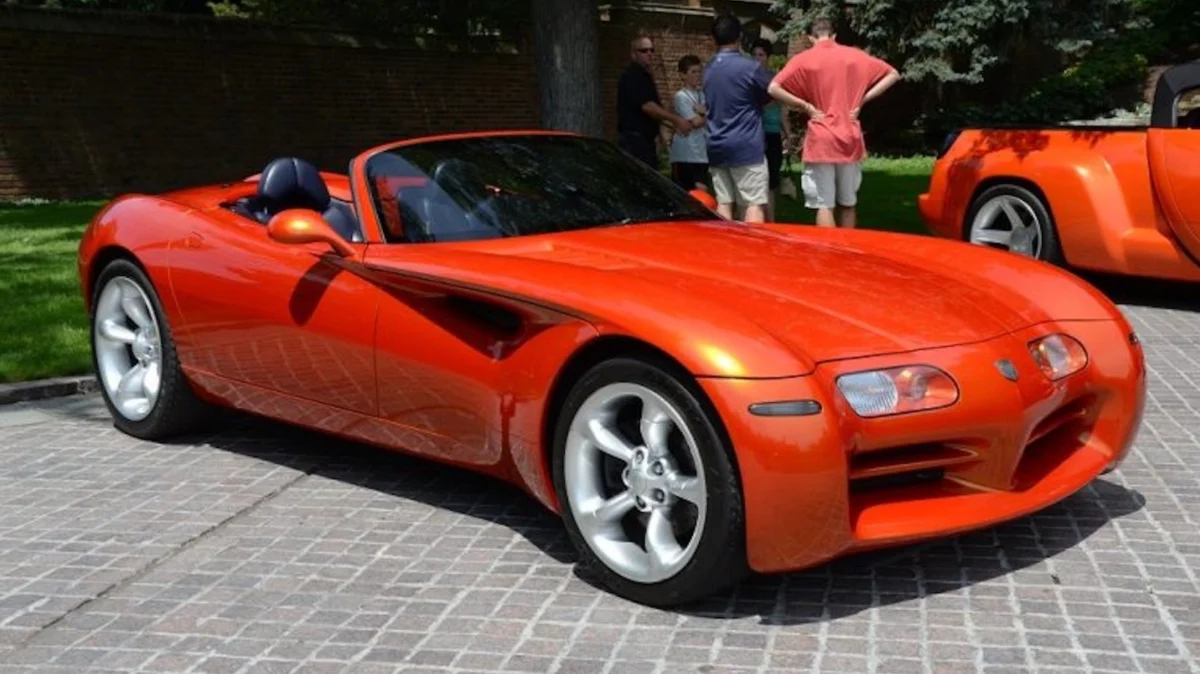
In the high-stakes world of automotive manufacturing, few brands carry the raw, visceral heritage of Dodge. While the automotive industry pivots aggressively toward electrification and software-defined vehicles, Dodge is signaling a defiant, high-octane future. During the recent Stellantis 2026 Investor Day, the automaker pulled back the curtain on its next "halo" vehicle: the 2029 Dodge Copperhead. While not a direct successor to the legendary Viper, the Copperhead represents a bold reimagining of the American sports car, blending historical iconography with cutting-edge engineering.
Main Facts: A New Name with Deep Roots
The announcement of the Copperhead has sent shockwaves through the enthusiast community. The name itself is a nod to a 1997 concept car that made its debut at the Detroit Auto Show—a vehicle that, at the time, was lauded for its agility and aggressive, low-slung proportions.
Though Dodge has yet to release official studio photography, attendees at the Investor Day were given a rare glimpse of a styling prototype. Descriptions from the press corps paint a picture of a vehicle that prioritizes aerodynamic dominance and presence. The Copperhead is confirmed to be a two-door coupe characterized by a "long and low" silhouette, punctuated by aggressive, narrow LED lighting signatures.
Perhaps most tellingly, the design language heavily features functional cooling elements—massive brake vents, hood vents for heat extraction, and dual exhaust exits—confirming that despite the industry’s shift, the Copperhead is intended to be a combustion-focused performance machine. Observers have also noted the inclusion of a specialized snake badge, a stylistic homage to the Viper that reinforces the car’s identity as a track-focused predator.
Chronology: From Concept to Reality
The journey to the Copperhead is a tale of strategic evolution. The path began with the internal realization at Stellantis that the current Charger platform, while capable, was designed with a degree of versatility—specifically the accommodation of massive battery packs—that inherent in its architecture, raises the floor of the vehicle.
- 1997: The original Copperhead concept debuts at the North American International Auto Show, capturing the imagination of enthusiasts who clamored for a smaller, more nimble alternative to the Viper.
- 2024-2025: Dodge navigates the transition to the new Charger platform, establishing the "Sixpack" inline-six engine as the new baseline for performance.
- 2026: Stellantis Investor Day provides the first public acknowledgment of the Copperhead project. Executives confirm the vehicle will bypass the current Charger architecture to prioritize a lower center of gravity.
- 2029 (Projected): The Copperhead is slated to hit showrooms as a flagship model, positioned as the absolute performance apex of the Dodge brand.
Supporting Data: Engineering the Apex
The technical specifications surrounding the Copperhead remain the subject of intense, often wild, speculation. However, the engineering parameters provided by Dodge leadership offer a roadmap of what to expect.
The Powertrain Question
Initially, rumors suggested the potential for a supercharged Hellcat Hemi V8, a powertrain that has defined the last decade of Dodge performance. However, Tim Kuniskis, the lead voice for Stellantis’ North American brands and SRT, has pivoted the narrative in recent months. While he has downplayed the likelihood of a hybridized V8, he has dropped tantalizing hints about "another engine coming that nobody’s aware of."
This suggests Dodge is looking toward a future beyond the traditional Hemi. With the Hellcat engine sunsetting in various applications, the industry is looking at high-output forced-induction alternatives—potentially a high-displacement modular engine or a sophisticated twin-turbocharged configuration—that can exceed the 777-horsepower threshold established by the Ram SRT TRX.
Platform and Production Strategy
Perhaps the most significant piece of data regarding the Copperhead is its architectural origin. To make a low-volume halo car financially viable, Stellantis is utilizing an "economies of scale" approach. The Copperhead will share a platform with an existing, globally manufactured vehicle under the Stellantis umbrella. By avoiding the massive R&D costs of a bespoke, ground-up chassis, Dodge can ensure that the Copperhead remains a "guilty pleasure" that doesn’t suffer from the profit-margin pitfalls that claimed the Viper.
Industry analysts estimate a starting price tag of at least $100,000. This places the Copperhead firmly in the luxury performance segment, pitting it against established European and American titans of the track.
Official Responses and Executive Strategy
Tim Kuniskis has been the primary architect of the narrative surrounding the Copperhead. His strategy is clear: Dodge must offer a vehicle that fulfills the enthusiast’s dream without violating the corporate requirements of a global conglomerate like Stellantis.
"We aren’t just building a car; we are building a statement," a sentiment echoed in his recent interviews. By moving away from the Charger platform, which is optimized for broad-market battery-electric and internal-combustion flexibility, Dodge is creating a dedicated "driver’s car." The refusal to simply electrify the platform or use a heavy, floor-raised architecture suggests a focus on weight reduction and handling dynamics—areas where the Viper excelled and where the Copperhead aims to compete.
Implications: What the Copperhead Means for Dodge
The arrival of the 2029 Copperhead serves as a bridge between two eras. As Dodge aggressively pursues its "eMuscle" goals with vehicles like the Charger Daytona, the Copperhead acts as a reminder that the brand has not abandoned its roots in internal combustion.
The "Halo" Effect
A halo car’s primary function is to cast a glow over the rest of the lineup. The Copperhead will serve as the benchmark for performance, signaling to consumers that the Dodge brand remains the home of high-output, high-emotion machinery. Even if a customer buys a base-model vehicle, the existence of the Copperhead validates their purchase as part of a performance-oriented lineage.
Market Positioning
At a projected $100,000 price point, the Copperhead is not a mass-market vehicle. It is a tool for brand equity. It forces competitors to acknowledge that Dodge is still capable of producing low-slung, aggressive, track-capable hardware. Furthermore, by sourcing the platform from an existing global vehicle, Dodge is demonstrating a masterclass in modern automotive manufacturing: utilizing corporate synergy to keep the "wild" spirit of the brand alive in a highly regulated, cost-conscious environment.
A New Chapter for SRT
The SRT (Street and Racing Technology) division has long been the heart of Dodge’s performance output. The Copperhead will be the ultimate testing ground for whatever comes next for SRT. Whether that is an entirely new, secret engine architecture or a refined, high-performance iteration of a global power plant, the Copperhead is the canvas upon which SRT will paint its future.
Conclusion: The Predator in Waiting
The 2029 Dodge Copperhead is more than just a nameplate resurrected from a 1997 concept. It is a calculated, strategic, and highly anticipated evolution of the American sports car. By rejecting the compromises of electrified architectures and opting for a specialized, performance-first platform, Dodge is betting that there is still a massive market for raw, unapologetic internal combustion power.
While we wait for the official debut, the pieces are falling into place. From the massive cooling ducts and the iconic snake logo to the promise of an "unknown" powertrain, the Copperhead is shaping up to be the ultimate expression of the Dodge brand. It is an apex predator designed for a world that is moving fast, but still has time to appreciate the roar of an engine. As the 2029 model year approaches, the automotive world will be watching closely to see if the Copperhead can deliver on the monumental legacy of the name it carries.












No comments yet. Be the first to join the conversation!