

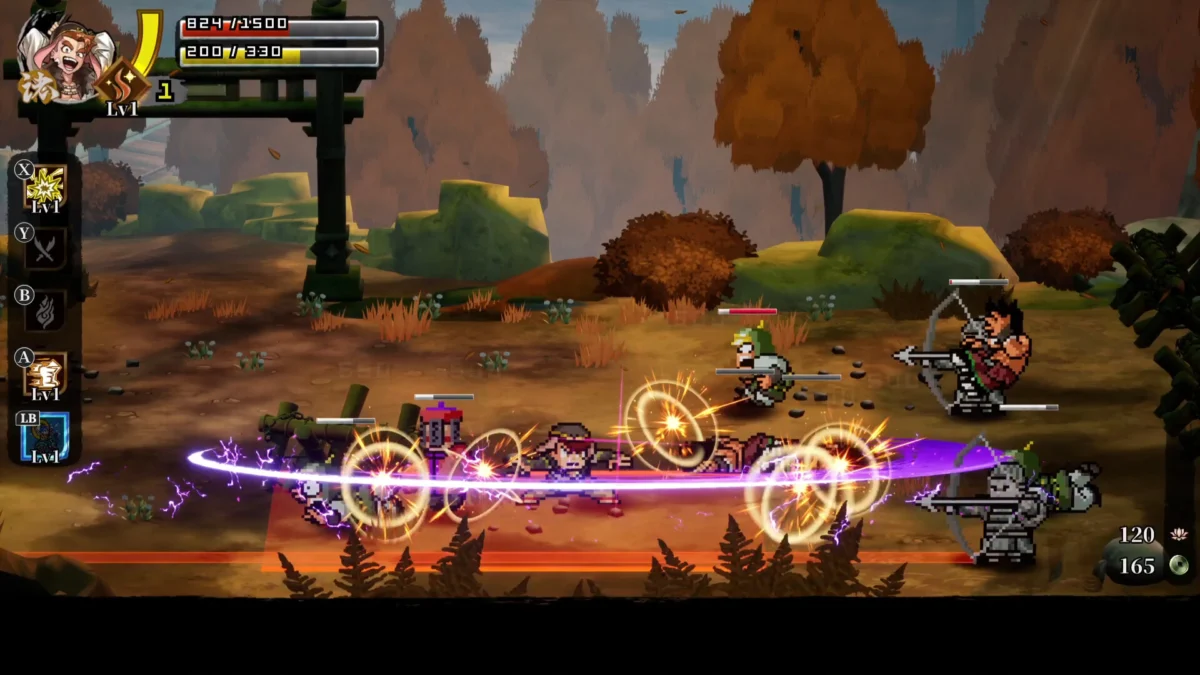
The Kunio-kun franchise—known globally under the River City or Double Dragon umbrellas—has spent nearly four decades defining the beat-’em-up genre. From its humble beginnings in the 8-bit arcades of 1986 to its modern-day iterations, the series has consistently prioritized chaotic, multiplayer brawling. However, a seismic shift is occurring within the franchise. Publisher Arc System Works and developer UnitePlus have officially unveiled a new trajectory for the series: the roguelike genre. With the release of the official trailer for River City Saga: Journey to the West, fans are getting their first true look at how the iconic hooligans of River City translate to a procedurally generated, high-stakes adventure.
Main Facts: A Genre-Bending Retelling
River City Saga: Journey to the West represents a bold departure from the linear level-based progression that has characterized the series for years. By transplanting the classic Kunio-kun cast into the framework of the legendary Chinese literary classic Journey to the West, Arc System Works is attempting to breathe new life into a seasoned IP.
The game features an ensemble cast where the series’ familiar faces take on the roles of the ancient pilgrimage. Kunio himself steps into the role of Sun Wukong (the Monkey King), while his allies fill the shoes of Zhu Bajie, Sha Wujing, and Tang Sanzang. The core gameplay loop shifts from pure arena-brawling to a roguelike structure, meaning players will encounter randomized encounters, unique loot drops, and permadeath-adjacent stakes as they fight their way toward Tianzhu.
Priced at an accessible $19.99 (2,970 yen), the title is scheduled for a global release on June 4th across Windows PC (via Steam), Nintendo Switch, and PlayStation 5.
Chronology: From Street Brawls to Mythological Journeys
To understand the significance of this release, one must look at the timeline of the River City franchise.
The Arcade Era (1986–1990)
The series began with Nekketsu Kōha Kunio-kun, which introduced the world to the "delinquent" brawler archetype. It was raw, grounded, and focused on street fights, school rivalries, and the sheer joy of physical combat.
The Experimental Years (1990–2010)
As the franchise moved into the 16-bit era, developers began experimenting with RPG elements. River City Ransom added shops, stats, and leveling, creating the "beat-’em-up RPG" hybrid that would become the series’ hallmark. This era solidified the idea that Kunio and his friends could adapt to almost any setting—be it sports (the Super Dodge Ball series) or competitive racing.
The Modern Renaissance (2015–Present)
Under the stewardship of Arc System Works, the series saw a resurgence. Titles like River City Girls expanded the lore, adding complex combat systems and a vibrant aesthetic. River City Saga: Journey to the West marks the next logical step in this evolution: the adoption of the roguelike format, a genre that thrives on the very same high-replayability loop that made the original arcade games so addictive.
Supporting Data: Why Roguelike?
The decision to pivot toward the roguelike genre is not merely a stylistic choice; it is a calculated response to current market trends. Data from Steam and console platforms suggests that players are increasingly gravitating toward "bite-sized" gaming sessions that offer high replay value.
- Procedural Generation: By utilizing randomized map layouts and enemy spawn patterns, UnitePlus ensures that no two "pilgrimages" to Tianzhu are the same.
- Skill-Based Progression: Unlike traditional linear games where you simply memorize patterns, Journey to the West forces players to adapt to the loot and power-ups they receive during a run, rewarding tactical flexibility.
- Accessibility: The $19.99 price point positions the game as a "mid-tier" title. This is a vital market segment that allows developers to take risks with genre experimentation without the crushing budget requirements of a AAA title.
Official Responses and Creative Vision
In the official press materials, the developers have emphasized the "wild, exhilarating comedy" inherent in the game. By casting the entire Kunio-kun ensemble in these legendary roles, the team is leaning into the slapstick humor that has always been the subtext of the series.

"All of the main characters are Kunio!" the developers noted in a recent briefing. This self-referential humor is a cornerstone of the River City brand. By keeping the spirit of the original cast intact while placing them in a mythological context, Arc System Works is creating a narrative bridge that appeals to both long-time fans who want to see familiar character dynamics and newcomers who are drawn to the aesthetic of a classic Chinese folktale retold through a chaotic, 8-bit-inspired lens.
The trailer released alongside this announcement showcases high-octane combat that feels faster and more fluid than previous 2D entries. It highlights the use of special abilities that mirror the magical powers associated with the original Journey to the West characters, all while maintaining the satisfying "crunch" of 1980s-style hit detection.
Implications: The Future of the Franchise
The implications of River City Saga: Journey to the West are profound for both the developer and the broader beat-’em-up genre.
1. The Death of Stagnation
For years, the beat-’em-up genre was considered a "dead" or "niche" category, relegated to the occasional indie revival. By incorporating roguelike elements, Arc System Works is proving that the genre is not dead; it just needed to evolve. If this title performs well, we can expect to see more established beat-’em-up franchises adopting randomized elements to keep players engaged for dozens, rather than hours, of gameplay.
2. Multi-Platform Strategy
The simultaneous launch on PC, Switch, and PS5 underscores a global strategy. By targeting the Switch, the developers are leaning into the "pick-up-and-play" nature of roguelikes, which thrive on portable hardware. Simultaneously, the PC release opens the door for modding communities, which have historically kept the River City community alive for decades.
3. The "UnitePlus" Factor
Developer UnitePlus is being positioned as a key partner for Arc System Works. Their ability to synthesize the legacy mechanics of the Kunio-kun series with the modern design philosophy of a roguelike will serve as a litmus test for future collaborations. If they succeed in balancing the difficulty curve—a notorious hurdle for roguelike developers—they will likely be entrusted with further deep-cuts from the Kunio-kun library.
Final Thoughts: A New Pilgrimage
As we approach the June 4th release date, the gaming community remains cautiously optimistic. The River City franchise has survived various corporate acquisitions and shifts in gaming hardware, always remaining tethered to its core identity of neighborhood brawls and school-yard rivalries.
River City Saga: Journey to the West is more than just a new game; it is an assertion of the series’ longevity. It suggests that even after nearly 40 years, the characters of River City still have stories to tell—and those stories can be just as wild, unpredictable, and chaotic as the brawls that started it all. Whether you are a fan of the original NES classics or a newcomer looking for your next roguelike obsession, the path to Tianzhu promises to be one of the most interesting journeys of 2026.
As the release date nears, players should keep a close watch on the official Steam page for potential pre-order bonuses or early access insights. One thing is certain: the streets of River City have never looked quite like this, and the journey is just beginning.











No comments yet. Be the first to join the conversation!