

By The Graphic Policy Team
Published: May 31, 2026
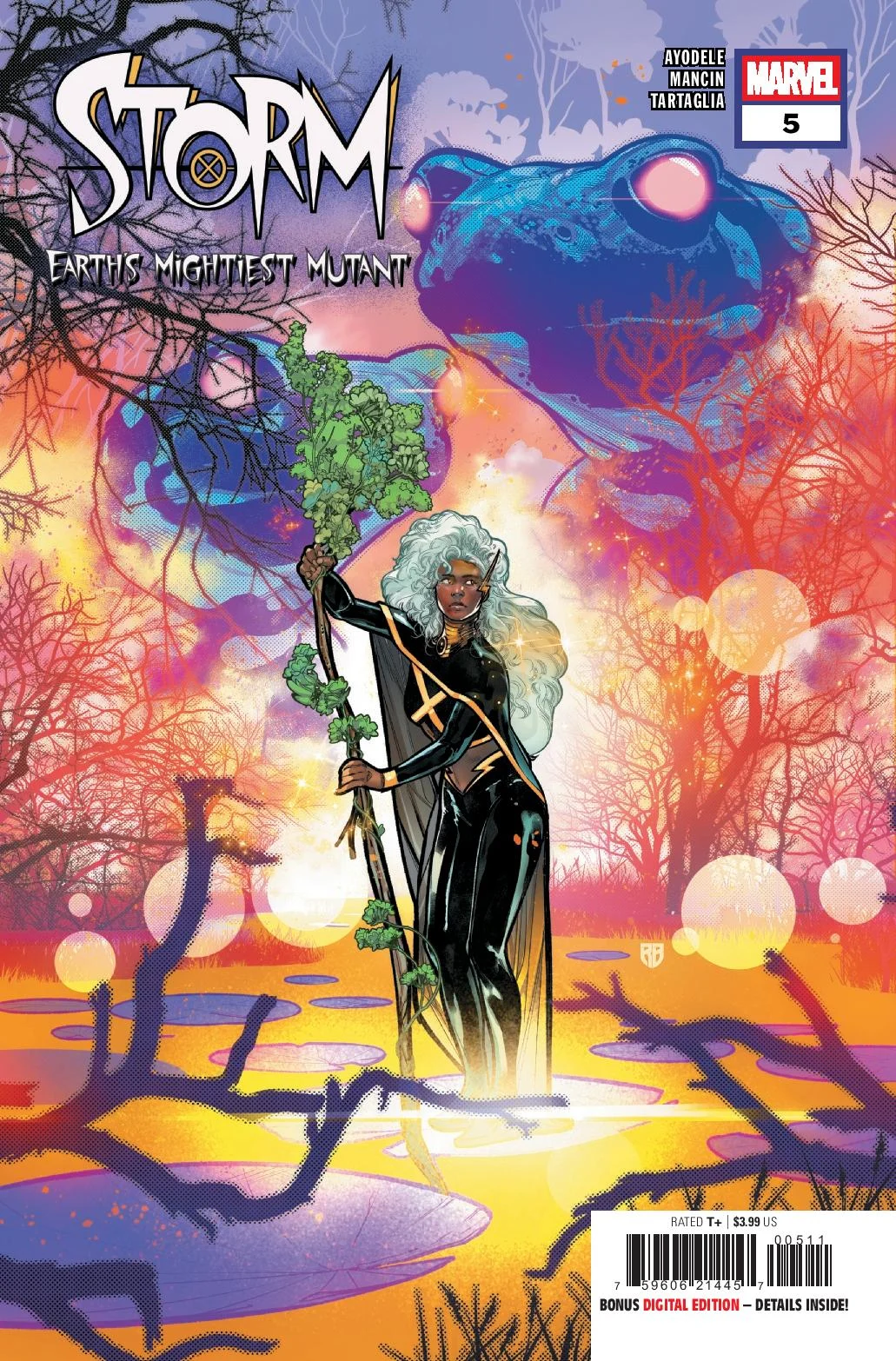
The Marvel Universe stands on the precipice of an existential crisis, yet the one individual most capable of shielding the planet from total annihilation is conspicuously absent. In the highly anticipated fifth installment of the critically acclaimed series Storm: Earth’s Mightiest Mutant, writer Murewa Ayodele and artist Federica Mancin thrust the reader into a world where the stakes have never been higher—and the protagonist’s emotional resolve has never been more fragile.
As the shadows lengthen and the forces of darkness align, the narrative pivots away from traditional superhero bombast to explore the interior landscape of Ororo Munroe. With the release of this latest issue, fans are treated to a masterclass in tension, atmospheric storytelling, and character-driven stakes that redefine what it means to be a hero when your heart is broken.
Main Facts: The Gathering Storm
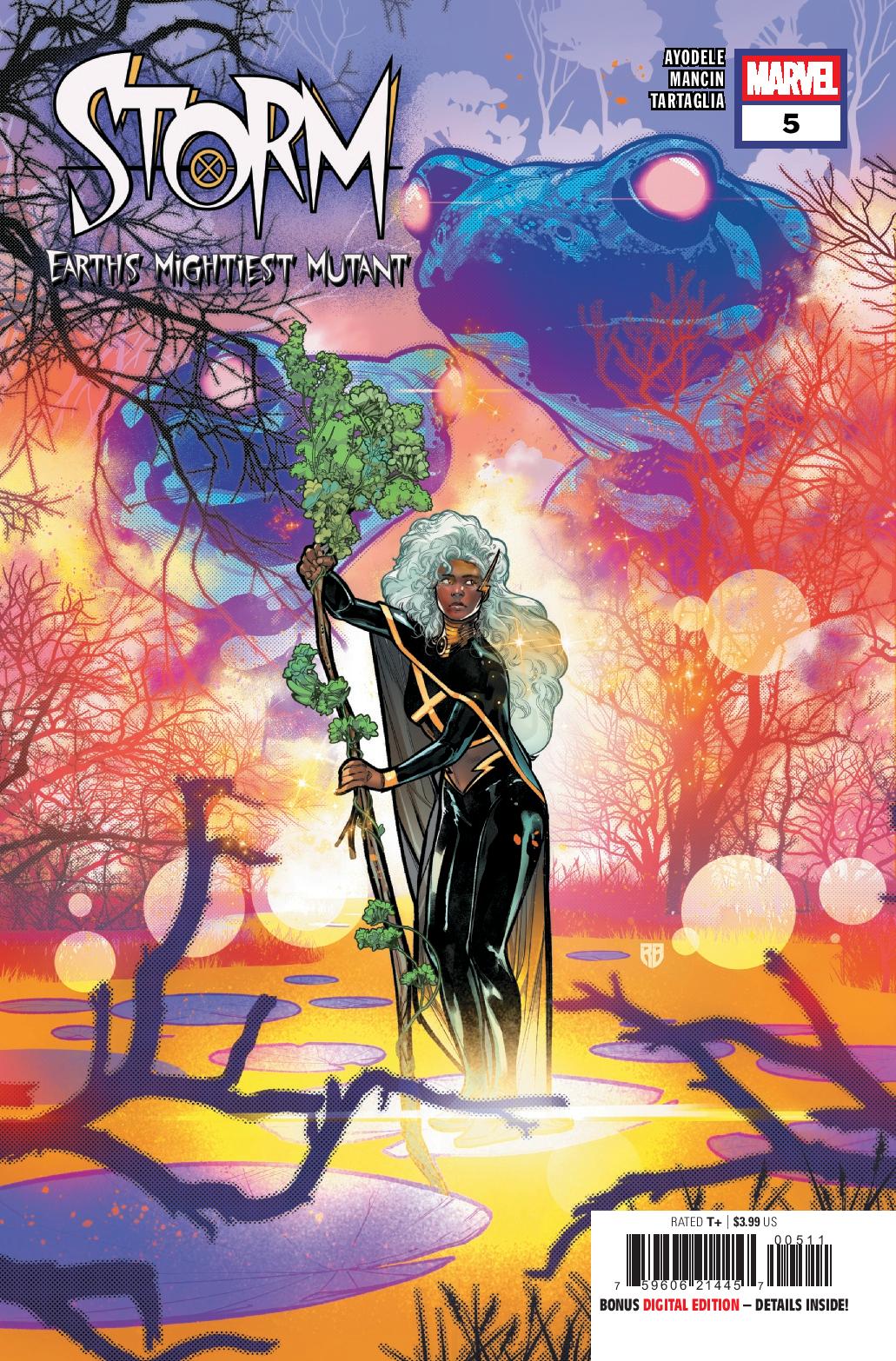
The premise of Storm: Earth’s Mightiest Mutant #5 is deceptively simple, yet it carries the weight of a Shakespearean tragedy. The world is facing a multi-fronted catastrophe: the Cyclopes, creatures defined by their insatiable hunger for human flesh, are emerging from the periphery; the fishmen are rising, fueled by a collective, deep-seated grief for the widows of their kind; and ancient, malevolent wizards are congregating to weave spells of absolute, genocidal destruction.
In any standard superhero narrative, this would be the moment for a "call to arms," a rallying cry that brings the X-Men’s most powerful leader to the front lines. However, Ayodele and Mancin deliberately subvert this trope. Ororo Munroe is not the protector we recognize in this issue; she is a woman retreating from the world. Her absence is not born of cowardice, but of an all-consuming, visceral ache—the mourning of a lost love that has rendered the trivialities of war secondary to her personal grief.
This narrative choice places the reader in a position of extreme vulnerability. We see the world burning, yet our gaze is fixed on the isolation of a woman who controls the heavens but cannot command her own heart to stop hurting.

Chronology of the Conflict
To understand the weight of Storm #5, one must look at the trajectory of the series thus far. Since the inception of this limited run, Ayodele has meticulously built a world where Ororo’s status as "Earth’s Mightiest Mutant" is tested not by the power level of her foes, but by the integrity of her spirit.
- Issues #1-2: Establishment of the Mythos. The series began by grounding Storm in a landscape that demanded both her political acumen and her raw elemental power. The tone was one of discovery, establishing the specific threats—the fishmen and the arcane wizards—that would eventually coalesce into the current threat.
- Issues #3-4: The Erosion of Stability. As the external threats grew more organized, the narrative began to introduce the cracks in Ororo’s armor. Small, subtle hints of her preoccupation with a past romance were woven into scenes of high-octane action.
- Issue #5: The Breaking Point. Released today, this issue marks the climax of the internal-external dichotomy. The narrative begins on the "Eve of Battle," setting a ticking clock that forces the reader to confront the reality that the primary deterrent against the coming apocalypse is currently unavailable.
The chronology of this issue is non-linear in its emotional delivery. By flashing between the encroaching monstrosities—the "dripping human flesh" imagery used to describe the Cyclopes’ hunger—and the quiet, agonizing stillness of Storm’s retreat, the pacing creates an almost unbearable sense of suspense.
Supporting Data: The Artistic Vision
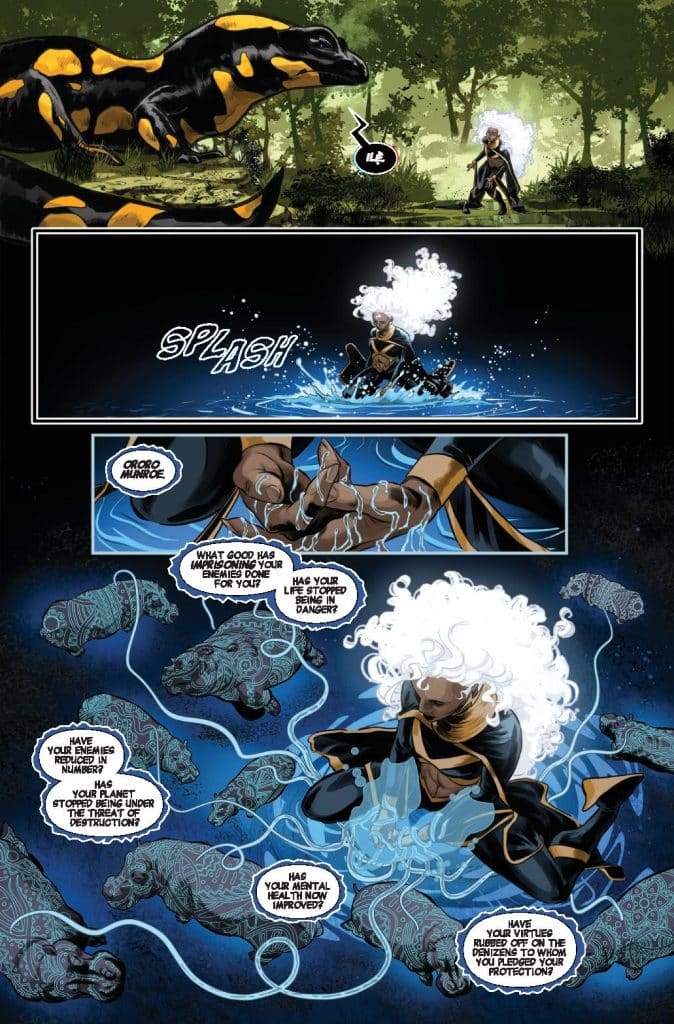
Federica Mancin’s contribution to this issue cannot be overstated. In comic book storytelling, the interplay between the writer’s script and the artist’s panels is the heartbeat of the medium. Mancin uses a palette that emphasizes the isolation of the protagonist. Where previous issues may have featured the vibrant, crackling blues and whites of lightning, issue #5 favors muted, somber tones, reflecting the internal winter Storm is experiencing.

The visual design of the antagonists—the Cyclopes and the wizards—serves as a sharp, horrifying contrast to the statuesque, serene, yet tortured image of Storm. The "fishmen," depicted with haunting, sorrowful expressions, highlight the theme of loss that permeates the entire issue. It is a visual parallel to Storm’s own state: everyone in this story is grieving, but only Storm possesses the power to reshape reality, a power she currently refuses to wield.
Official Responses and Creative Direction
In recent interviews, writer Murewa Ayodele has spoken at length about the desire to deconstruct the "goddess" archetype. "We are so used to seeing Ororo as the pinnacle of composure," Ayodele noted. "She is the queen, the leader, the weather-witch who stands tall against gods. But what happens when the queen is just a person who misses someone? That is the question this series is trying to answer."
The editorial team at Marvel has kept the plot details for the series finale under tight wraps, but the reception to this issue has been overwhelmingly positive. Critics have praised the daring choice to keep the titular character sidelined for the majority of the issue, arguing that it elevates the stakes. When the hero is missing, the threat becomes real; when the hero is missing because she is human, the threat becomes relatable.

Implications: The Future of the Mutant Goddess
The implications of Storm: Earth’s Mightiest Mutant #5 are far-reaching. By centering the story on the emotional toll of leadership, the creative team is setting a new benchmark for character studies within the Marvel Universe. If Storm does not return to the battlefield—or if she returns and finds that her grief has altered her ability to control the elements—the repercussions for the mutant population will be catastrophic.
Moreover, the themes of genocidal spells and cultural mourning among the fishmen suggest a deeper, more geopolitical commentary embedded within the superhero framework. Are the wizards’ actions a metaphor for systemic oppression? Is the Cyclopes’ hunger a reflection of the predatory nature of war?
As we look toward the final issues of this arc, one thing is certain: the world is changing. Whether Ororo Munroe can reconcile her duty as a protector with her nature as a grieving human will determine the fate of the planet.
Final Thoughts for Readers
For those who have followed Storm: Earth’s Mightiest Mutant from the start, this issue is a necessary, albeit heart-wrenching, evolution of the character. For new readers, it serves as a powerful standalone look at the price of greatness.
Are you caught up on the latest developments in the Marvel Universe? Subscribe to our newsletter to receive the latest reviews, news, and deep dives into the world of comics directly to your inbox.
Graphic Policy provides in-depth analysis of the intersection between comic books and politics. Stay tuned for our upcoming coverage of the series conclusion and our interview with the creative team.









No comments yet. Be the first to join the conversation!