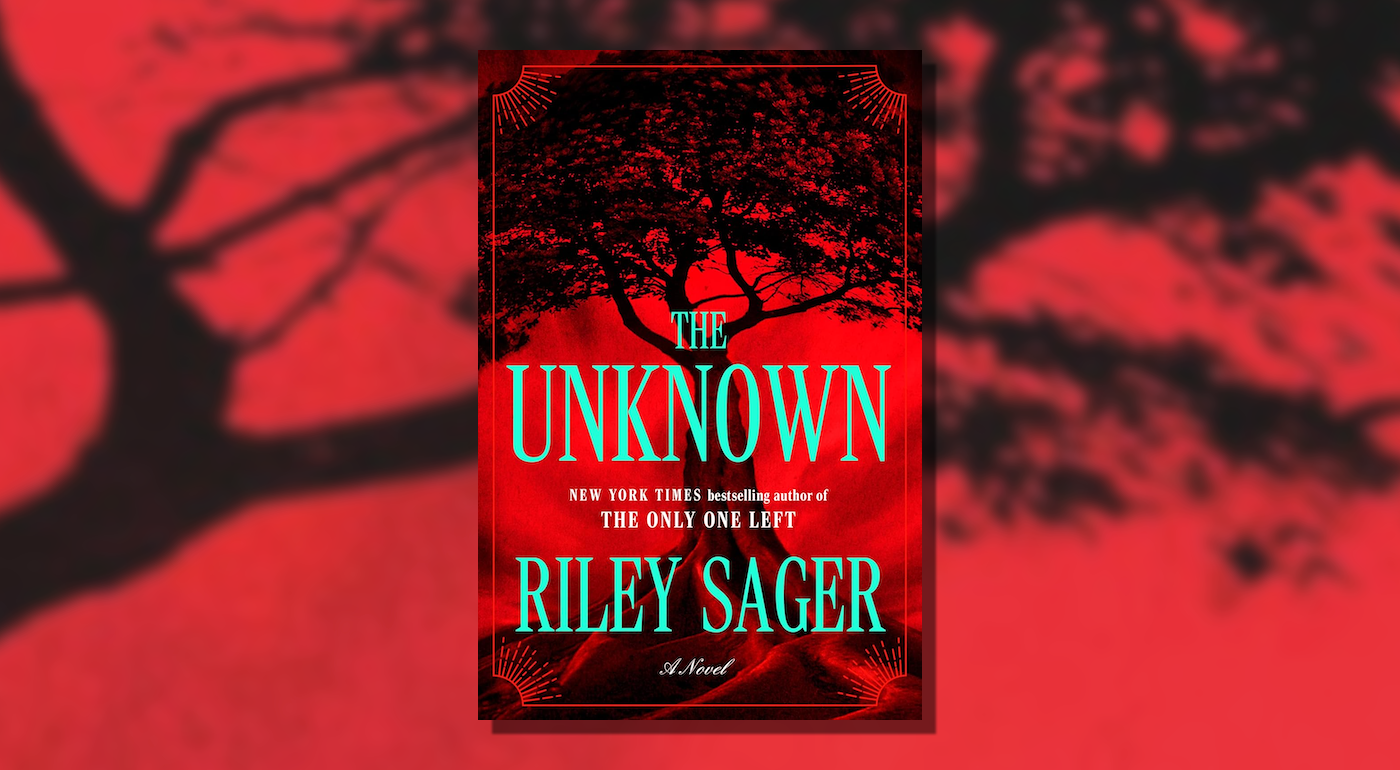
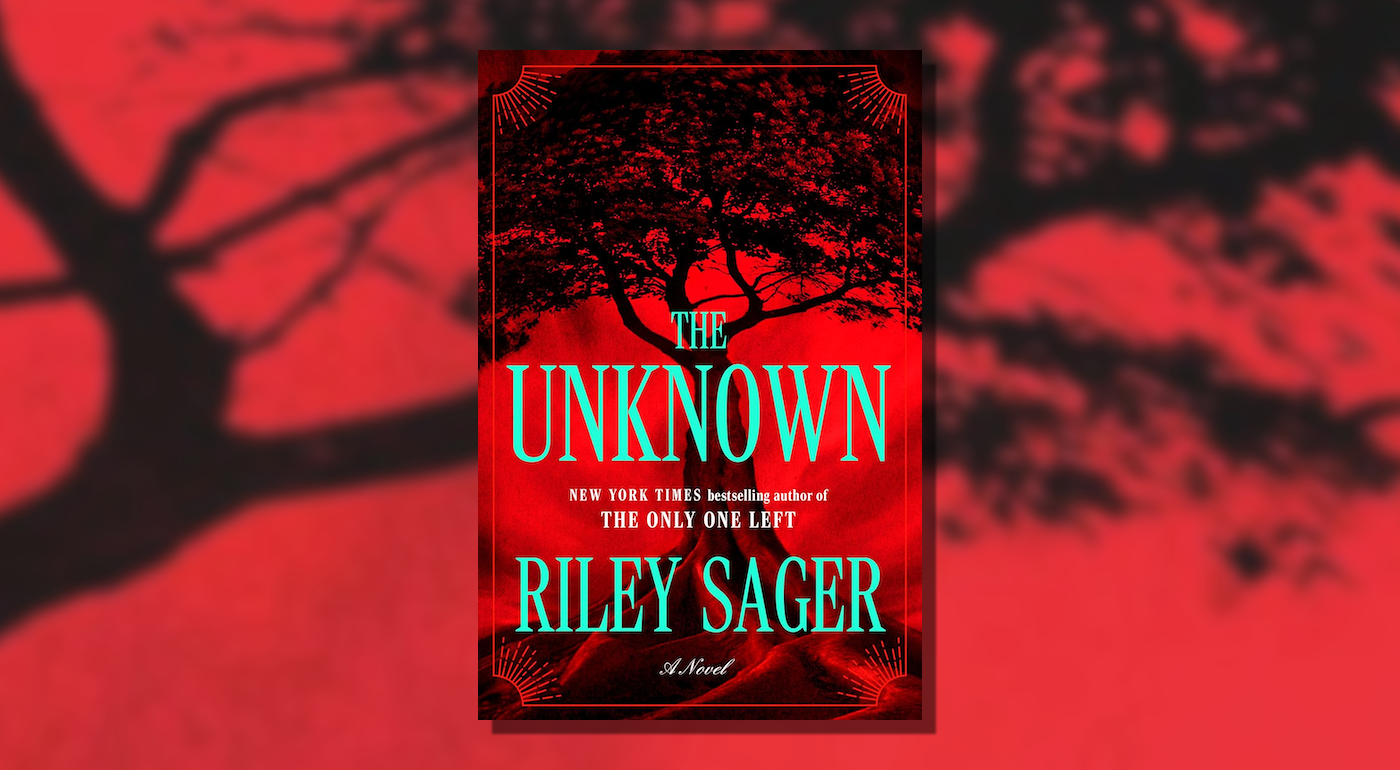
In the landscape of contemporary thriller literature, few authors have managed to capture the intersection of cinematic tension and psychological dread quite like Riley Sager. With a track record of bestsellers that dissect the tropes of the horror genre, Sager is set to raise the stakes once again with his latest novel, The Unknown. Published by Dutton and hitting bookshelves on August 4th, the novel promises to be a masterclass in atmospheric storytelling, blending the glitz of Hollywood with the chilling, historical mysteries of a Vermont commune.
The Premise: A Role to Die For
The story centers on Marin Keane, a struggling actress whose career trajectory is permanently altered when she lands a role in a high-profile motion picture. The film, directed by the visionary—and perhaps obsessive—Ronan Peters, is a period piece centered on the infamous unsolved mystery of New Avalon. Located on the sprawling, isolated Lake Faraday in Vermont, New Avalon is not merely a setting; it is a character in its own right.
A century ago, the island served as a secluded retreat for a group of spiritual mediums. In 1926, the entire commune vanished without a trace, leaving behind only five dresses hanging from the branches of an ancient oak tree. While local lore offers conflicting theories—ranging from a simple mass departure to a gruesome collective murder—the most persistent narrative, bolstered by the recovered diary of a member named Daisy Rue, suggests that a séance held on the island invited a malevolent, supernatural entity into our reality, leading to the systematic disappearance of every woman on the island.
For Keane, the role seems like a dream come true, but the reality of the production takes a dark turn during a mandatory, weeklong research trip to the actual island. Accompanied by her legendary co-star, Violet Wright, and the enigmatic Peters, Keane finds that the island’s history is far from settled.
Chronology of a Disappearance
To understand the weight of the mystery, one must look at the timeline of the New Avalon tragedy:
- 1920–1925: The island, formerly owned by industrialist Roderick Semple, is converted into a spiritualist commune by his daughter, Ruth Hume Semple. It becomes a sanctuary for women seeking solace after the devastation of World War I and the 1918 influenza pandemic.
- Summer 1926: The final, documented summer of the commune. Observers note strange rituals, including nocturnal chanting and bonfires, fueling rumors of a coven.
- Late 1926: The disappearance. All residents vanish. The only physical evidence of their existence is the discovery of five dresses draped on an oak tree.
- Present Day: Director Ronan Peters secures the rights to the story, casting an ensemble of actresses to portray the vanished women. He enforces a strict "method acting" protocol, requiring the cast to live on the island under period-accurate conditions, stripped of all modern technology.
The "Method" Gone Wrong: Supporting Data
The production of the film is marked by an extreme commitment to authenticity. According to insider reports, the director’s demands extend beyond simple wardrobe choices. The cast is required to cook, eat, and sleep as their 1926 counterparts did. This "immersion therapy" is designed to cultivate a sense of historical displacement, but it has inadvertently fostered an environment of heightened anxiety.
Marin Keane’s journey to the island is plagued by omens. Upon her arrival, she is met with a cryptic series of text messages from the actress she replaced—a woman who dropped out of the project just two weeks before production. The messages begin with a simple, unsettling question: "are you marin keane?" and conclude with a dire warning: "don’t set foot on that island. if you do, i swear, you WILL regret it."
These interactions highlight the tension between the professional necessity of the shoot and the mounting dread experienced by the actors as they encounter mysterious symbols and unexplained auditory phenomena on the island.
Official Responses and Production Tensions
While the studio, Dutton, and director Ronan Peters have remained tight-lipped regarding the specific "incidents" that occurred during the filming of the promotional teaser and the research phase, the production team has leaned into the mystique.
In a recent press statement, a representative for the film noted: "Riley Sager’s The Unknown explores the dangerous thin line between performance and reality. We are committed to capturing the visceral horror of the New Avalon story, and the cast’s dedication to the period-accurate environment is central to that mission."
However, industry insiders suggest that the atmosphere on set is fraught with suspicion. With a sudden health emergency leaving the cast stranded and isolated on the island, the line between an elaborate marketing stunt and a genuine crisis has become dangerously blurred.
Implications: The Psychological Toll of the Unknown
The core of The Unknown lies in its exploration of fear as a transferable commodity. Marin Keane, an actress who admits to using her profession as a mask to hide her "plain, boring self," finds her own identity splintering as she delves into Daisy Rue’s diary.
The implications for the reader are profound:
- The Ethics of Historical Exploitation: The novel raises questions about the morality of turning a real-life tragedy into "elevated horror" for mass consumption.
- The Vulnerability of the Performer: By stripping the actors of their modern crutches (phones, internet, modern clothing), Sager exposes the fragility of the human psyche when isolated from the comforts of the 21st century.
- The Persistence of the Supernatural: Is the island truly haunted, or is the "supernatural" activity simply a manifestation of the collective guilt and psychological pressure placed upon the cast?
As the cast finds themselves stranded, the narrative shifts from a standard "behind-the-scenes" thriller into a survival horror story. Marin’s reliance on the diary as a roadmap for survival suggests that the events of 1926 are not just history, but a cyclical trap waiting to claim its next victims.
A Legacy of Suspense
Riley Sager has built a career on the concept of the "unreliable narrator" and the "unsolvable mystery," but The Unknown appears to be his most ambitious project to date. By embedding the protagonist in a meta-narrative about acting and the search for truth, Sager challenges the reader to determine what is a performance and what is the cold, hard reality of the island.
As the release date of August 4th approaches, the buzz surrounding the book suggests that The Unknown will be a defining entry in the horror genre for the year. Whether the story is a critique of Hollywood’s obsession with "true crime" or a genuine exploration of the occult, one thing remains clear: once you step onto the island of New Avalon, there is no guarantee you will ever leave the same way you arrived.
The Unknown by Riley Sager is published by Dutton and will be available at all major retailers on August 4th. Readers are advised to proceed with caution—and perhaps keep a light on while reading.