In the vast, star-spanning mythology of the DC Universe, the Green Lantern franchise has long been defined by cosmic cataclysms, intergalactic war, and the heavy burden of the Power Ring. However, with the release of Green Lantern #37, writer Jeremy Adams continues his intentional pivot away from space-faring spectacle, opting instead to ground one of Earth’s most iconic ring-bearers, Kyle Rayner, in the grit and glamour of Los Angeles.
The latest issue marks a significant milestone in the ongoing effort to deconstruct the "superhero mythos" by placing Rayner in a domestic, almost vulnerable, position. As he balances the responsibilities of being a protector of the sector with the mundane—and often hilarious—challenges of acting as a bodyguard for the enigmatic Odyssey, the narrative asks a daring question: Can a man who can construct anything with his mind handle the unpredictability of modern human life?
Main Facts: A Shift in Status Quo
The core narrative of Green Lantern #37 centers on Kyle Rayner’s integration into the Los Angeles ecosystem. Having largely stepped back from the front lines of the Green Lantern Corps’ traditional military duties, Rayner is currently operating in a "slice-of-life" capacity.

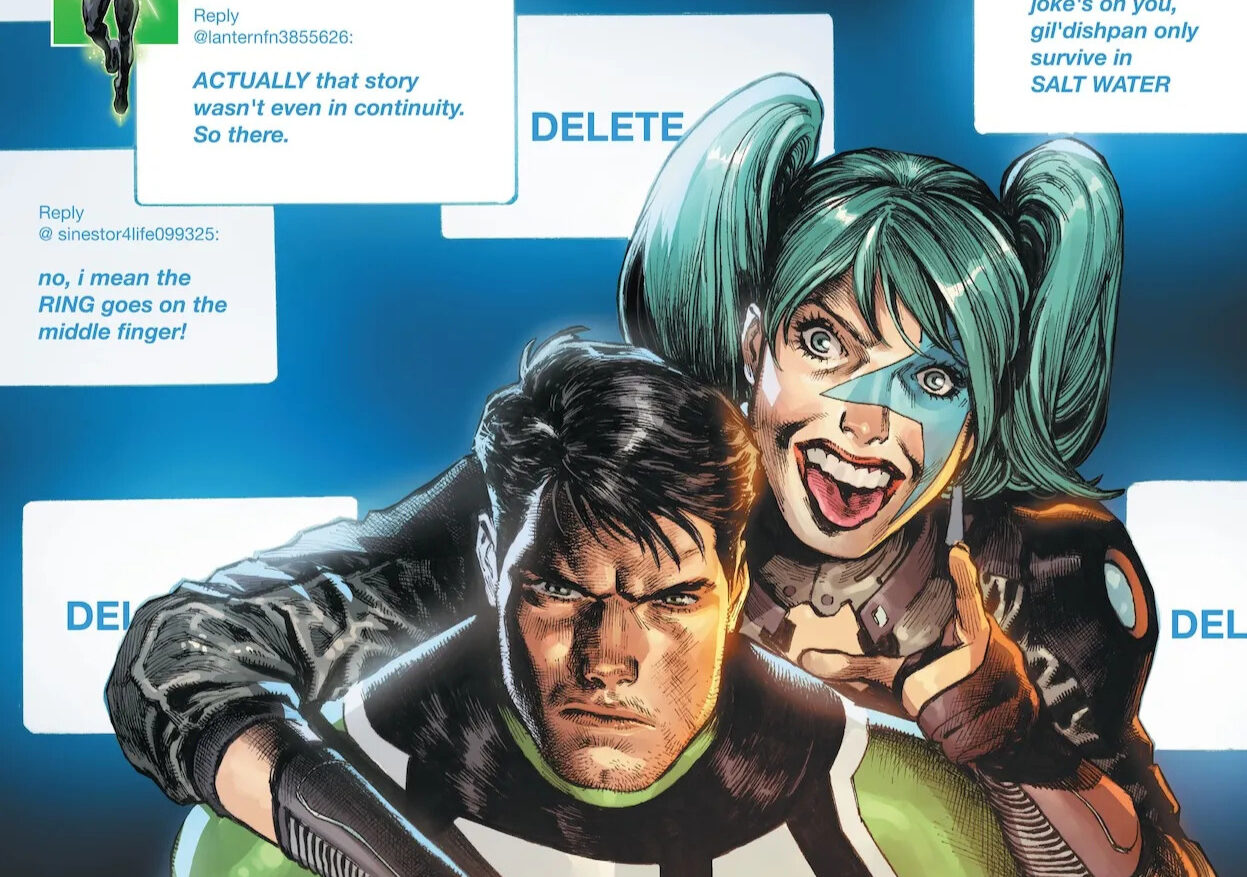
The primary conflict involves the emergence of a new antagonist, dubbed "Troll." While the title might suggest a generic street-level thug, the character serves as a meta-commentary on contemporary society, forcing Rayner to deal with the hazards of the digital age. The issue explores:
- The Relational Dynamics: A significant portion of the page count is dedicated to Rayner’s evolving relationship with his heroic ex-partner, Jade.
- The Los Angeles Setting: LA is no longer just a backdrop; it is a character, influencing how Rayner interacts with his environment and his peers.
- The "Bodyguard" Premise: Rayner’s role as the protector of Odyssey serves as the anchor for the story, driving much of the interpersonal drama that defines this current run.
Chronology: The Road to Issue #37
To understand the significance of this chapter, one must look at the recent trajectory of the Green Lantern series under Jeremy Adams.
Phase One: The Departure from the Stars
Following the conclusion of several major cosmic arcs, the series underwent a tonal shift. The decision to relocate the action from Oa to the West Coast of the United States was a strategic move by the creative team to distance Rayner from the "Galactic Cop" trope.
Phase Two: The Introduction of Odyssey
The introduction of Odyssey as a charge for Rayner provided the necessary friction to force character development. By making Rayner responsible for another’s safety—often in scenarios where a Power Ring is overkill—the narrative forced him to rely on his wits and his humanity rather than his construct-generating prowess.
Phase Three: The Current Conflict
Issue #37 represents the intersection of these two phases. The introduction of "Troll" serves as a bridge, testing whether the "slice-of-life" tone can survive the introduction of a traditional superhero threat. While the villain’s menace fluctuates, the setup—a classic, suspense-filled introduction—shows the creative team’s attempt to maintain high stakes within a grounded environment.
Supporting Data: Visual Storytelling and Artistic Direction
The visual identity of Green Lantern #37 is helmed by artist Xermánico, whose work has been instrumental in defining this era of the series.

The Hitchcockian Influence
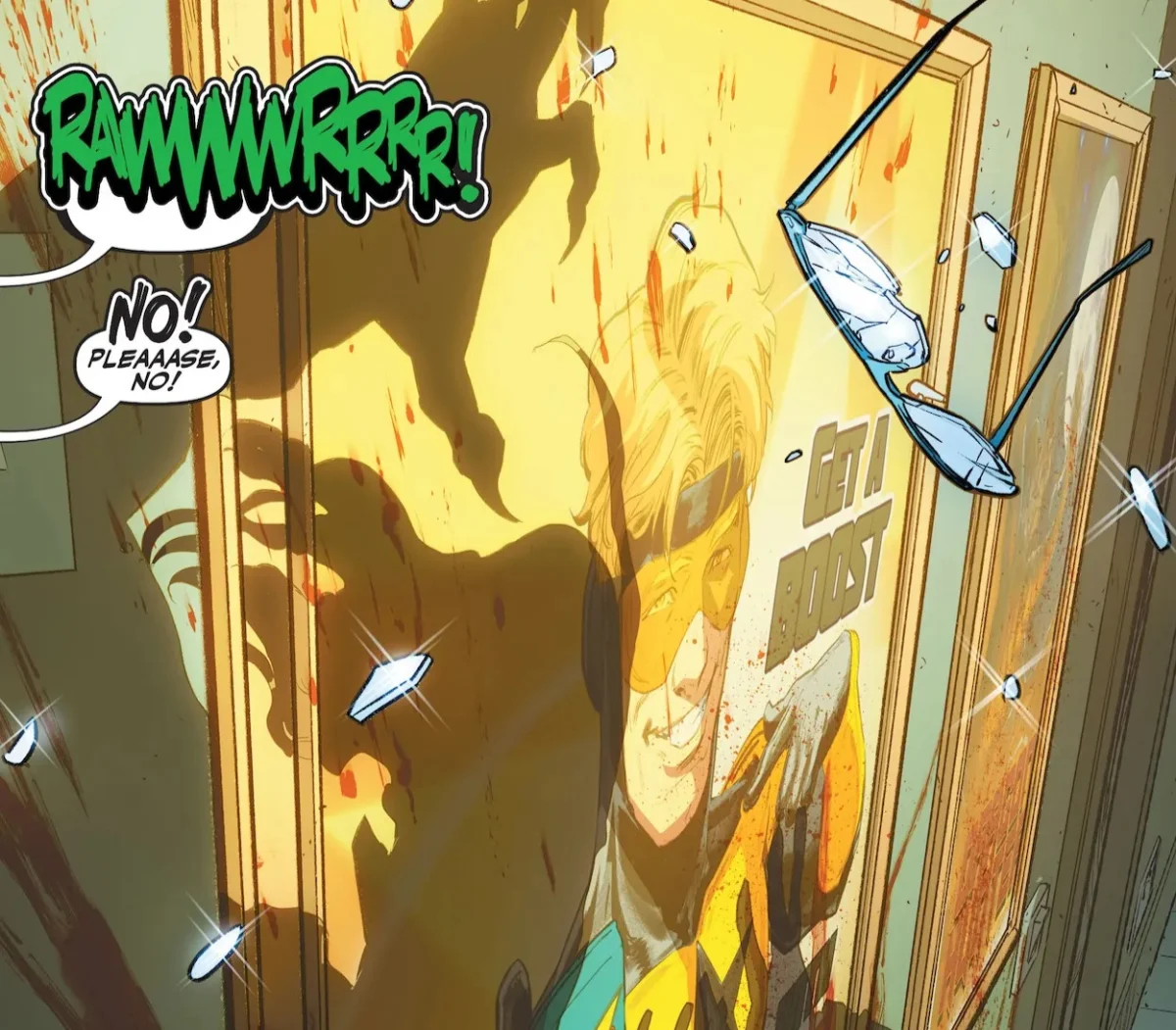
The opening pages of the issue are a masterclass in psychological tension. Xermánico employs framing and pacing techniques reminiscent of Alfred Hitchcock, building a sense of dread around the villain’s debut. By focusing on shadows, reaction shots, and environmental cues, the art team successfully establishes an atmosphere of suspense that the script then pivots away from.
The Shift to Comedy
As the issue progresses, the art shifts from the macabre to the expressive. The interaction between Rayner and Jade, particularly their reactions to the absurdity of the "Troll" character, leans into visual humor. This demonstrates a rare level of artistic versatility, allowing the reader to experience both genuine tension and lighthearted character comedy within the same 22-page window.
Official Perspectives and Critical Analysis
While the creative team has not issued a formal "manifesto" regarding the change in tone, the work itself speaks volumes. Industry analysts have noted that this "human-first" approach is a direct response to the "event fatigue" that has plagued long-running superhero titles.

Strengths of the Current Run
- Characterization: By removing the "savior of the universe" stakes, Adams allows for quieter moments of introspection. Kyle Rayner is presented not as a soldier, but as a man trying to find his place in a world that is rapidly changing.
- Supporting Cast Utility: Characters like Jade are no longer just romantic interests or sidekicks; they are active participants in the narrative, each with their own goals and complexities.
- The "Slow Burn" Subplots: The inclusion of backup threads, specifically the ongoing journey of Hal Jordan and Jayna, provides a necessary cosmic contrast to the Los Angeles-based story, ensuring that fans of traditional Green Lantern fare remain engaged.
Areas for Improvement
- Villain Development: As noted in initial critiques, the character of "Troll" feels somewhat ephemeral. In a medium that thrives on iconic rogues, a villain who functions only as a plot device for a single issue risks being forgotten as soon as the reader turns the final page.
- Pacing: The issue is a fast read. Some critics have argued that the balance between the "slice-of-life" elements and the actual superhero action leans too heavily on the former, leaving the reader wanting a bit more weight in the conflict department.
Implications: Where Does the Corps Go From Here?
The closing pages of Green Lantern #37 are arguably its most vital components. The reveal of a new threat—linked to the clandestine organization S.H.A.D.E.—signals that the "quiet life" in Los Angeles is nearing its expiration date.
The S.H.A.D.E. Complication
The introduction of S.H.A.D.E. elements suggests that the series is preparing to merge its grounded narrative with a broader conspiracy thriller plot. This is a brilliant structural choice; it validates the time spent in LA by showing that the "downtime" was actually the calm before a much larger, more sophisticated storm.
The Future of the Green Lantern Mythos
If this issue is a bellwether for the future, the Green Lantern franchise is moving toward a more character-driven model. This is a positive development for long-term sustainability. By building a deep, emotional connection between the reader and the characters, the inevitable return to cosmic-scale threats will carry significantly more emotional weight.

In conclusion, Green Lantern #37 succeeds in its primary goal: it reminds the reader why we care about Kyle Rayner. Whether he is dealing with the petty grievances of internet trolls or the looming shadow of government intelligence agencies, Rayner remains a compelling protagonist. The issue may be "light" on traditional spectacle, but it is heavy on the humanity that keeps the Green Lantern flame burning bright in an increasingly crowded comic book landscape. As the story moves forward, it is clear that the biggest threat to Kyle Rayner won’t be a villain in a costume, but the complex, ever-evolving reality of his own life.