Jia Lissa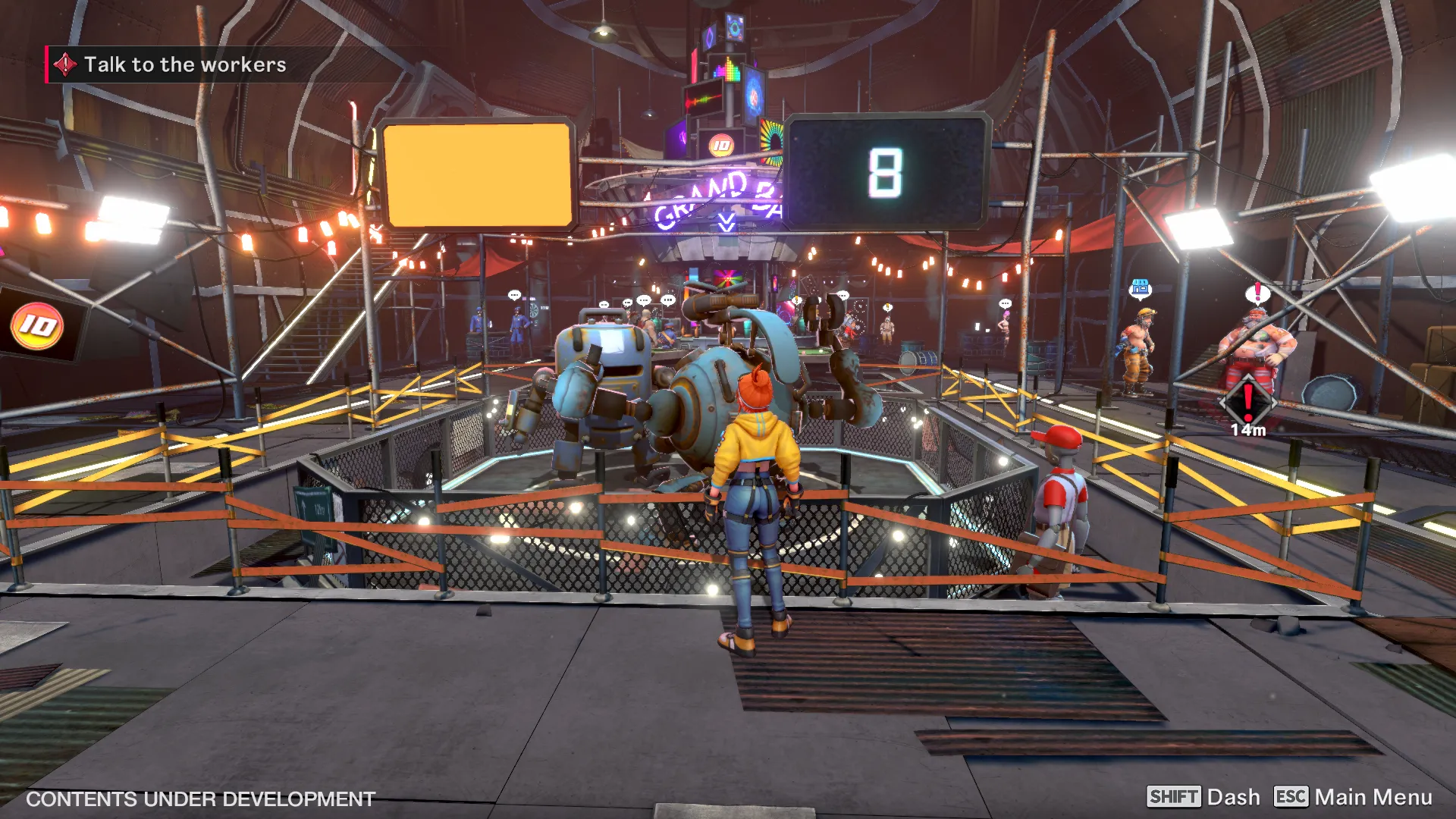
For those who grew up in the golden age of the JRPG—where the turn-based system was king and the "limit break" was the pinnacle of combat satisfaction—Starbites arrives not as a revolutionary successor, but as a warm, familiar echo from the past. Developed by Ikinagames, Starbites wears its lineage on its sleeve, drawing clear inspiration from cult classics like Septerra Core. It is a game that navigates two decades of genre evolution, distilling the essence of the JRPG experience into a package that is as comforting as it is occasionally frustrating.
Main Facts: The Scavenger’s Odyssey
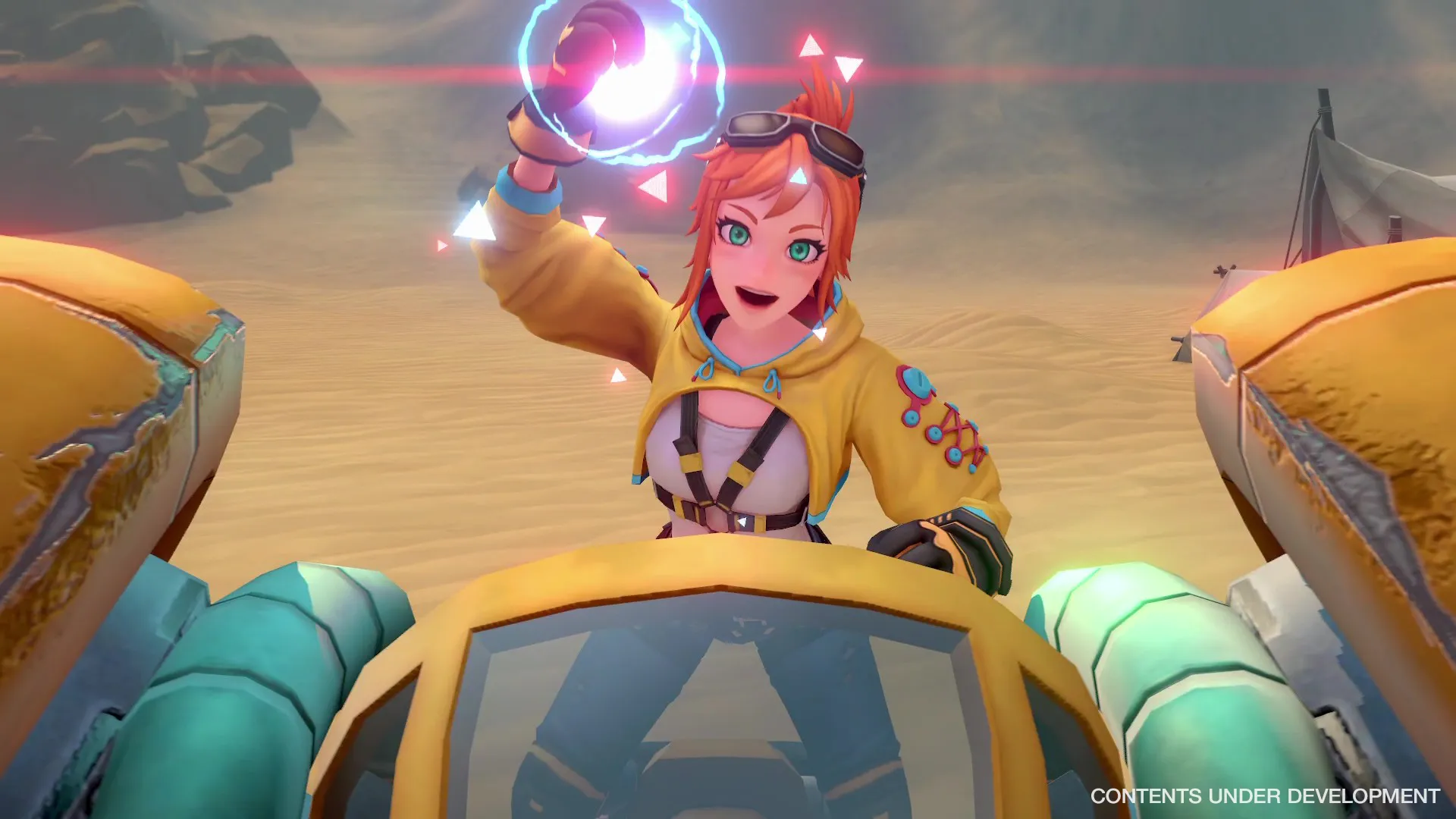
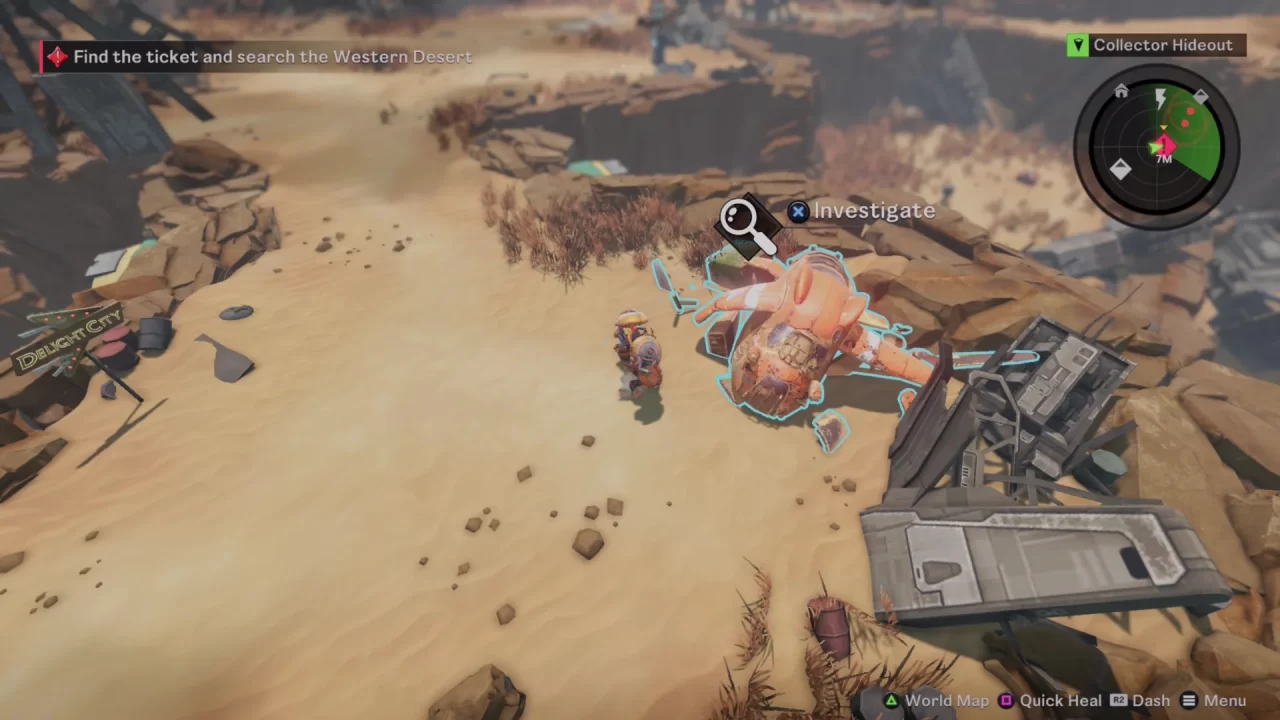
Starbites centers on Lukida, a down-on-her-luck scavenger navigating the treacherous, expansive wastelands of the planet Bitter. The setting is a melancholic graveyard; decades prior, an orbital battle dragged every ship in the sky down to the surface, littering the planet with the rusted, hulking remains of spacefaring vessels.
Lukida’s journey is one of survival and desperate ambition. Alongside her companions, Gwendoll and Badger, she searches for a way to escape the planet’s crushing drudgery. However, the search for an exit path soon unravels into a much larger conspiracy involving the planet’s rival factions. The gameplay loop is a classic cycle: explore the environment in real-time, pilot customizable mechs, engage in turn-based combat, and scavenge for parts to upgrade your arsenal. It is a game that rewards curiosity, offering a robust, albeit predictable, systems-driven experience.
A Chronology of Influence: From PS2 Roots to Modern Mechanics
To understand Starbites, one must look at the timeline of the genre it occupies. The game feels like a time capsule, capturing the aesthetic and structural DNA of high-fidelity PlayStation 2-era JRPGs.
The Evolution of the Turn-Based Loop
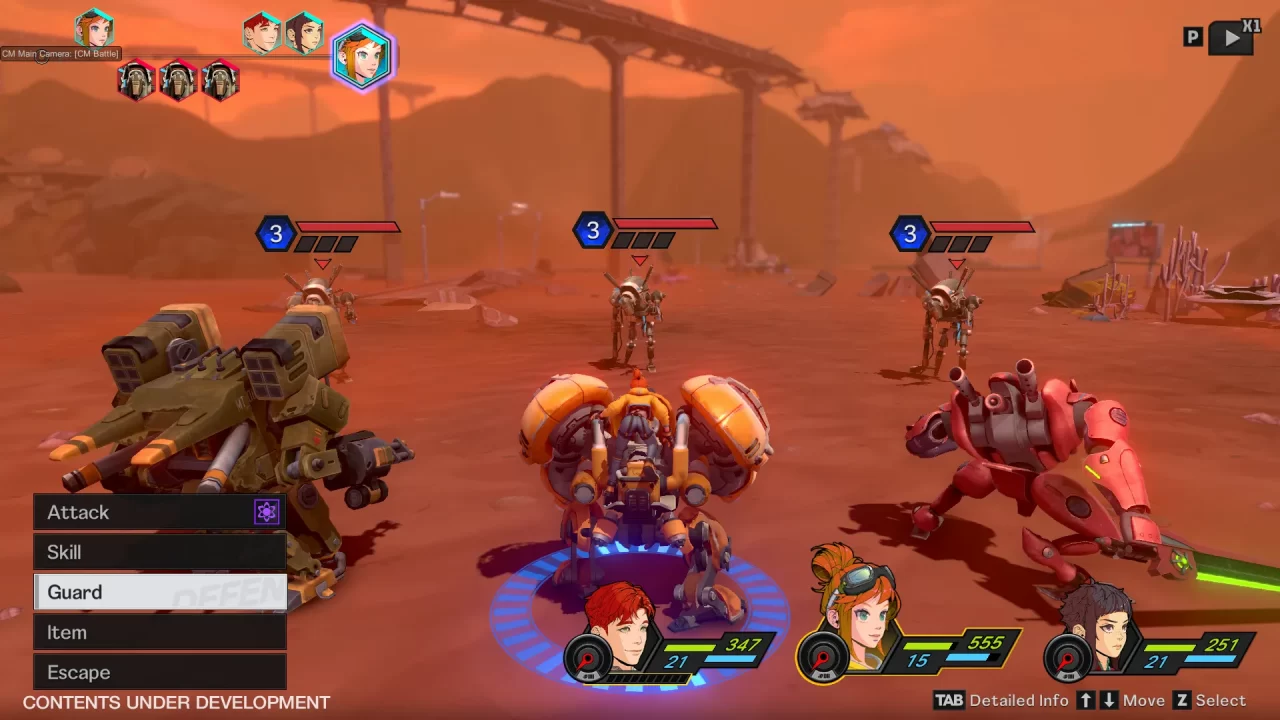
The combat in Starbites is a deliberate homage to the "Break" mechanics popularized by titles like Octopath Traveler. Players must manage a party’s SP (Skill Points) pool, weaving basic attacks with specialized skills to chip away at enemy shield points. Shattering these defenses triggers a state of vulnerability, granting the player a window to deal massive damage.
This system is reinforced by the "Driver’s High" gauge—a classic limit-break mechanic that allows characters to interrupt the turn order to unleash devastating abilities. The chronological evolution here is clear: while it borrows from the tactical depth of modern classics, it maintains the rigid, deliberate pace of the 1990s and early 2000s, demanding that players treat every encounter with a level of tactical preparation that is rarely seen in today’s more action-oriented RPGs.
Supporting Data: Mechanics, Systems, and Technical Realities
The structural integrity of Starbites rests on its interlocking systems. Success in the game is not a matter of reflex, but of balancing the action economy.
Combat and Tactical Depth
The interplay between character skills and the environment is where Starbites shines brightest. Because health pools are small and enemies hit with brutal efficiency, the game forces the player into a war of attrition.
- The Role of Support: Players will find that at least one team member—such as Mokobo, with her essential party barrier—must remain in a support role.
- Talent Trees: A grid-based talent system allows for character customization. However, the game rarely signposts which talents are essential, necessitating a "respec" system that proves vital when players realize their early-game investments in offense were misplaced.
- Mech Customization: Beyond stats, players can equip new weapons, frames, and limbs. While many parts are bought, the most powerful items are hidden in the world, rewarding players for engaging in the somewhat monotonous side-quest structure.
The Visual and Technical Divide
Visually, the game is a tale of two cities. The 2D character portraits are vibrant and full of charm, successfully establishing a unique identity. Conversely, the 3D environments often suffer from an overuse of assets; the dusty wastes of "Collapsed Sierra" are visually indistinguishable from the "Corpse’s Cradle."
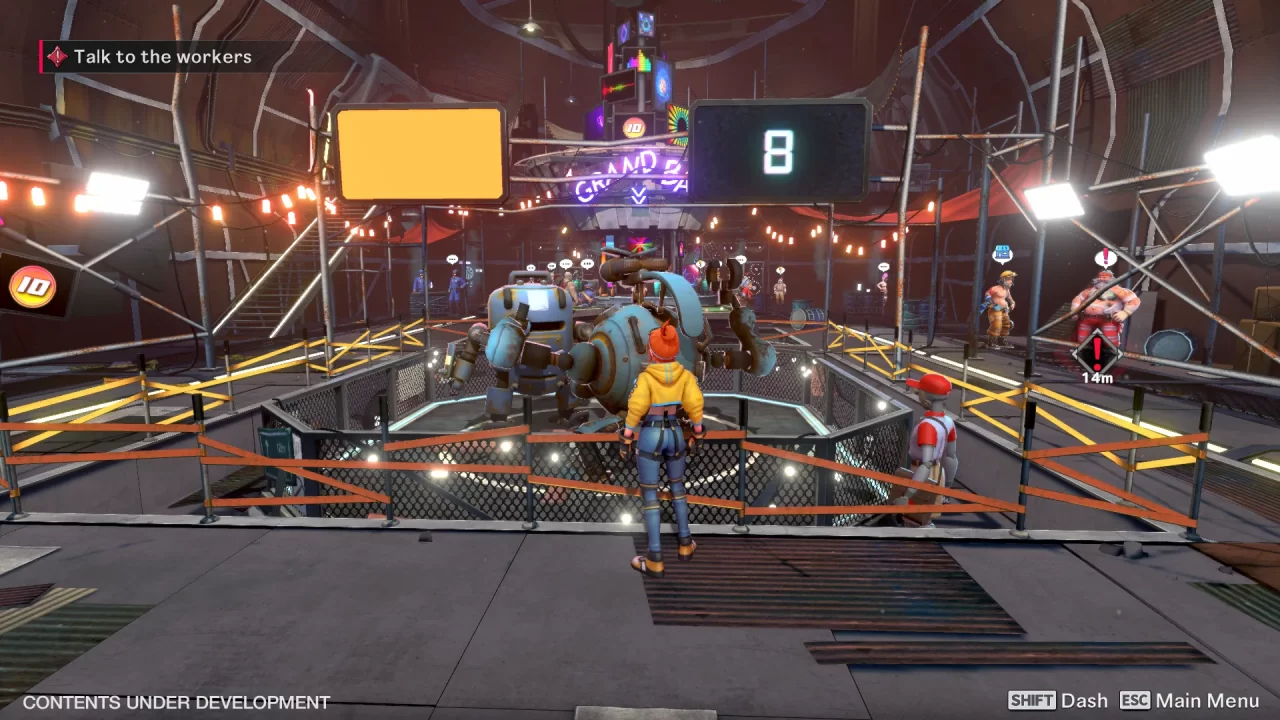
Furthermore, the game is plagued by technical hiccups. In the central hub of Delight, NPCs frequently walk through walls, disappear during cutscenes, or clip into the geometry. While the cinematic cutscenes are well-directed, the lack of high-resolution textures makes the game feel flat in comparison to the expressive, hand-drawn character art.
Official Responses and Developer Context
Ikinagames has positioned Starbites as a passion project, a love letter to the era of tactical, mech-based exploration. While the studio has not issued a formal "response" to the criticisms regarding the game’s derivative nature, the inclusion of their 2023 title, The Ramsey, as a playable mini-game within Starbites suggests a developer interested in building a small but dedicated ecosystem of titles. This "game-within-a-game" acts as a clever, albeit surprising, diversion that adds value for players who find the main narrative loop becoming too stale.
Implications: The Burden of Derivation
The primary critique facing Starbites is its reliance on tropes. From the "big, gentle brute" archetype of Badger to the "boozy, scantily-clad" trope of Gwendoll, the characterization is, at times, painfully one-dimensional. Even the antagonists fall into the trap of shouting their motivations rather than articulating them.
Does the Genre Need to Move On?
The central implication for the reader—and for the genre at large—is the question of innovation versus comfort. Starbites is an expertly crafted, high-quality "approximation" of a classic JRPG. It is comfortable, warm, and familiar. For a newcomer to the genre, it provides a comprehensive introduction to the fundamental pillars of the JRPG experience.
However, for the veteran player, the lack of innovation is a double-edged sword. The game succeeds at everything it sets out to do, yet it never attempts to go beyond its influences. The "Act 3" narrative shift tries to introduce some nuance to the plot, but by then, the player is already well-entrenched in the game’s repetitive nature.
The Verdict on Value
If one views Starbites as a historical exercise—a way to experience the mechanics of the past through a modern, polished interface—it holds significant value. It provides a solid challenge, an engaging combat loop, and a world that, while repetitive, is easy to navigate.
However, its inability to stand out from the crowd of other turn-based titles is its greatest hurdle. It is a game that asks for a significant time investment, requiring hours of grinding to feel a tangible shift in power. In an age where players are inundated with content, Starbites occupies a space that is perfectly "good enough," yet rarely "essential."
Final Reflections
In its final analysis, Starbites is a testament to the enduring appeal of the JRPG formula. It proves that you don’t need to reinvent the wheel to create an engaging experience; you simply need to make sure the wheels are balanced and the engine is tuned. While it may never reach the heights of the classics it so clearly adores, it remains a charming, if derivative, entry that is well worth a spin for those looking for a nostalgic journey through a broken, beautiful world.
It is a reminder that even when a game is "just" an assembly of parts from better, older machines, there is still joy to be found in the act of scavenging for that perfect build, finding the right strategy, and finally, after hours of struggle, turning the tide against an impossible foe. Starbites may not be the future of the genre, but it is a respectful, well-intentioned salute to its past.


 Asro
Asro
 Muslim