

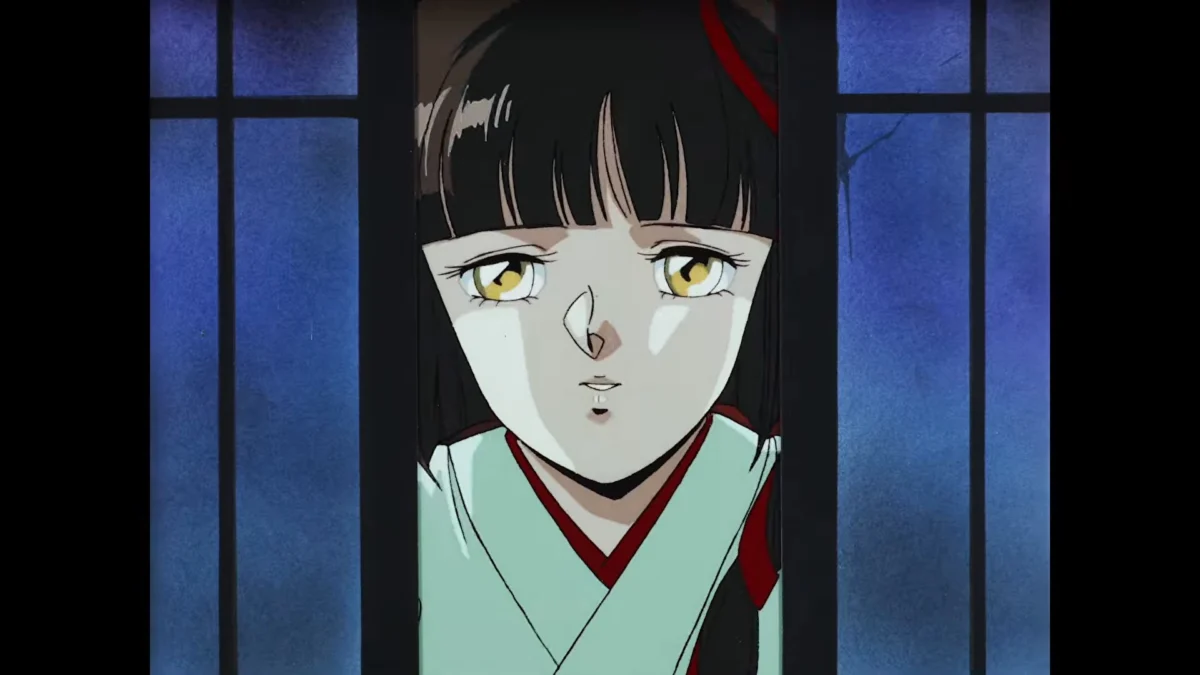
In an era where digital streaming platforms hold an unprecedented monopoly over the accessibility of pop culture, the fragility of media preservation has never been more apparent. When a title disappears from a streaming service, it often enters a corporate purgatory, becoming inaccessible to new generations. For classic anime, this risk is amplified by the complexities of international licensing.
Nowhere is this struggle more evident than in the recent, unorthodox move by AnimEigo—the legendary boutique publisher—to release a long-awaited HD remaster of the 1988 cult classic Vampire Princess Miyu. Faced with a bureaucratic nightmare in Japan, the company has opted for a "guerilla" physical release, prioritizing the survival of the work over the aesthetics of commercial packaging.
The Procedural Logjam: A Licensing Nightmare
AnimEigo, a pioneer in the U.S. anime distribution market since 1988, officially announced their restoration project for Vampire Princess Miyu in 2025. The goal was to provide fans with a definitive, high-definition version of the haunting, atmospheric OVA series directed by Toshihiro Hirano.
However, the path to release was quickly obstructed. While the technical work—the remastering itself—has been completed to a stunning degree of visual fidelity, the physical product has been held hostage by a procedural deadlock in Japan.
"Due to the way the copyright system works over there, we hit a procedural log jam," the company stated in a recent update. "We’ve made absolutely no progress in over a year."
The issue stems from the rigorous and often opaque process of obtaining packaging approval from Japanese rights holders. Even when a foreign distributor has the rights to the content on the disc, the specific artwork, marketing materials, and physical design must often pass through multiple layers of Japanese corporate scrutiny. For a small, independent outfit like AnimEigo, these requirements have become an insurmountable wall, stalling the project for over twelve months.
A Race Against Time: The Impending Expiration
The stakes for this release have been compounded by a ticking clock. AnimEigo’s licensing contract for the 1988 Vampire Princess Miyu OVA is set to expire in 2027. This deadline creates a perilous scenario: should the contract lapse without a release, the restoration—a costly and painstaking effort—could be rendered worthless, and the rights could effectively vanish into a legal void, making it nearly impossible for any other entity to pick up the license and release the series in the future.

This "use it or lose it" reality is a hallmark of the volatile anime licensing landscape. If AnimEigo cannot get the product to market before the contract expires, this masterpiece of 80s dark fantasy could be effectively erased from the legal physical media landscape for years, if not decades.
The Guerrilla Solution: Minimalist Preservation
In a move that highlights both their frustration and their unwavering commitment to fans, AnimEigo has decided to bypass the requirement for fancy packaging entirely. If the Japanese licensors will not approve the art, the publisher will ship the disc without it.
The resulting product is as stark as it is defiant: a Blu-ray disc housed in a case with nothing but text printed on white paper. It is an unvarnished, "no-frills" approach that prioritizes the data on the disc over the marketing potential of the box art. This "barebones" edition is a testament to the publisher’s philosophy: the content is what matters. The release is scheduled to ship exclusively via their direct-to-consumer storefront, MediaOCD.com, on September 8, 2026. Preorders are currently open, serving as a litmus test for whether the audience values the preservation of the medium over the vanity of retail-ready packaging.
The Cultural Significance of ‘Vampire Princess Miyu’
Understanding why this release is so vital requires a look back at the pedigree of the source material. Vampire Princess Miyu is not merely an anime; it is a foundational work of the gothic horror genre in animation.
The Creative Powerhouse
The OVA, which debuted in 1988, is the product of an "all-star" creative team that would go on to shape the medium for decades:
- Toshihiro Hirano: Known for his distinct, moody visual style in Magic Knight Rayearth and Dangaioh, Hirano’s direction defined the aesthetic of late 80s dark fantasy.
- Noboru Aikawa: The screenwriter behind the emotionally resonant Fullmetal Alchemist (2003) brought a complex, melancholy depth to Miyu’s narrative.
- Kenji Kawai: Perhaps the most significant contributor, the legendary composer (famous for Ghost in the Shell and Patlabor) provided a score that is synonymous with the eerie, supernatural atmosphere of the series.
The Narrative Hook
Set in the shadows of Kyoto, the story follows Miyu Yamano, a vampire born to a human mother and a Shinma father. As the "Guardian," she is burdened with the eternal task of hunting stray Shinma—demons that threaten the human world—and banishing them back to the darkness. Her character arc is one of profound isolation; she is a creature of the night who longs for her own oblivion, yet she must continue her duty until she uncovers the truth of her existence.
The Broader Implications: Why Physical Media Matters
AnimEigo’s plight is a microcosm of a much larger crisis in modern media. In the "streaming era," companies have increasingly opted to delete titles to save on residuals, licensing fees, or server costs. When a show is removed from a platform, it does not just become "harder to find"; for the average consumer, it effectively ceases to exist.

"Preservation and physical media is so very important in today’s streaming environment," notes the sentiment echoed by fans and preservationists alike. By releasing a barebones version of Vampire Princess Miyu, AnimEigo is making a political statement about the ownership of art.
The Legacy of the Boutique Publisher
AnimEigo holds a unique position in history. As the original fan-run anime label in the U.S., they were instrumental in the "pre-mainstream" era of the late 80s and early 90s. While modern corporations treat anime as a commodity to be cycled through algorithms, boutique labels like AnimEigo view it as a heritage to be protected.
Their catalog—which includes titles like Bubblegum Crisis, Megazone 23, and Alien Nine—serves as a library of historical animation that would likely have been forgotten by the modern industry. Their work is not just about sales; it is about ensuring that the lineage of the medium remains intact.
Conclusion: A Call to Action for Collectors
The decision to release the Vampire Princess Miyu Blu-ray with plain, text-based packaging is a radical act of defiance against the bureaucratic inertia that threatens the industry. It is a reminder that the value of an anime series lies in the craft—the animation, the script, and the music—not in the glossy slipcase or the promotional flyers.
For collectors, cinephiles, and fans of 80s animation, this release represents a rare opportunity to support a company that is fighting against the tide of digital obsolescence. By purchasing this disc, supporters are not just buying a movie; they are funding the survival of a classic and sending a message to the rights holders that there is a demand for the preservation of older, non-mainstream titles.
As the clock winds down toward the 2027 contract expiration, the path forward for Vampire Princess Miyu is clear: it rests entirely in the hands of the audience. The "white paper" edition may be the most unconventional release in the history of anime home video, but it is also the most important. It is a stark, honest, and necessary intervention in the history of a medium that is currently losing its past at an alarming rate.












No comments yet. Be the first to join the conversation!