Ali Ikhwan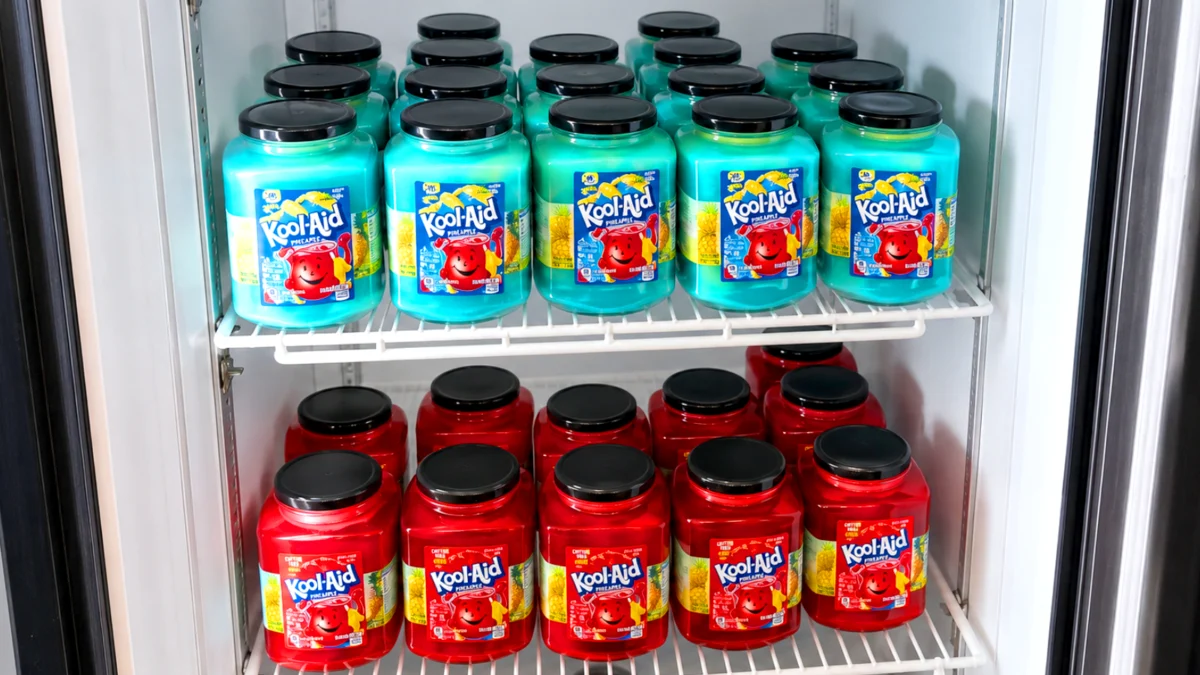
In the ever-evolving landscape of social media food trends, few creations have managed to capture the internet’s attention quite like the "Kool-Aid Pineapple." A neon-hued, hyper-sweet concoction that blurs the line between fresh fruit and processed candy, this viral sensation has migrated from the kitchens of home experimenters to the menus of pop-up food vendors across the United States. While the aesthetics are undeniably made for the scroll-heavy environments of TikTok, YouTube Shorts, and Instagram, the trend has ignited a fierce debate regarding nutritional responsibility, the romanticization of processed sugar, and the way we consume fruit in the digital age.
Main Facts: The Anatomy of a Viral Snack
The premise of the Kool-Aid Pineapple is deceptive in its simplicity. It requires only three primary components: a jar of pineapple spears (packed in juice), a packet of unsweetened Kool-Aid drink mix, and a significant quantity of granulated sugar.
The process involves draining a portion of the pineapple juice from the original container, whisking in the powdered flavoring and the sugar until dissolved, and pouring the saturated brine back over the fruit. The jars are then sealed, shaken vigorously, and left to marinate in the refrigerator for anywhere from eight to 24 hours. During this "curing" period, the pineapple spears—which are naturally porous—undergo a molecular transformation. They shed their natural pale yellow hue in favor of electric blue, vibrant cherry red, or neon pink, while the fruit’s flesh becomes densely packed with the concentrated, artificial flavor of the drink mix.
The result is a snack that defies categorization. It is technically fruit, yet its flavor profile, texture, and nutritional makeup align more closely with gummies or hard candies. The visual appeal is the primary driver of its virality; the stark, unnatural colors against the backdrop of a translucent jar create a "satisfying" visual experience that performs exceptionally well within short-form video algorithms.
Chronology: The Rise of the Neon Fruit
While fruit infusions are a time-honored culinary tradition, the specific iteration of the Kool-Aid-marinated pineapple began to gain significant traction in early 2024.
- Early Development: The trend originated in regions where "Kool-Aid pickles"—a similar snack involving the brining of pickles in Kool-Aid—had already established a cultural foothold. Culinary creators began experimenting with fruit, recognizing that pineapple’s acidity and structure made it an ideal candidate for absorbing color and flavor.
- The Viral Inflection Point: By mid-2025, the trend exploded on TikTok. Early viral videos featured creators performing "taste tests," often displaying visible shock at the intensity of the sweetness. These videos acted as a catalyst, prompting thousands of users to attempt the recipe for themselves.
- Commercial Expansion: As the trend solidified its place in the digital consciousness, it moved beyond the home kitchen. By late 2025 and early 2026, social media posts began surfacing showing local food trucks and small-scale pop-up vendors in Florida and other southern states selling the prepared jars to customers, effectively turning a "kitchen hack" into a commercialized street food product.
Supporting Data: The Sugar Calculus
The primary point of contention surrounding Kool-Aid Pineapples is the sheer volume of sugar involved. When analyzed through a nutritional lens, the snack shifts from a refreshing treat to a concentrated glucose delivery system.
According to standard culinary measurements used in viral recipes, a typical 48-ounce jar of pineapple spears receives an infusion of one full cup of granulated sugar. When combined with the natural fructose already present in the canned pineapple and the pineapple juice, the calorie and sugar counts reach staggering heights.
The Nutritional Breakdown
- Added Sugar: A single cup of granulated sugar contains approximately 774 calories and 200 grams of carbohydrates.
- Total Content: A full jar of Kool-Aid Pineapples can contain between 1,400 and 1,600 total calories.
- Sugar Concentration: Depending on the brand and the specific preparation, a single jar can hold between 320 and 350 grams of sugar.
To provide context for these figures, the American Heart Association (AHA) recommends that men limit their added sugar intake to no more than 36 grams (9 teaspoons) per day, while women are advised to cap their intake at 25 grams (6 teaspoons). A single "viral" jar of Kool-Aid pineapples contains roughly the sugar equivalent of nine to ten 12-ounce cans of Coca-Cola. Even when divided into smaller servings, the density of refined sugar remains significantly higher than that found in fresh, unadulterated fruit.
Official Responses and Expert Perspectives
Nutritionists and health advocates have been quick to weigh in on the trend, expressing concern that the "fruit" label provides a false sense of security.
"There is a psychological phenomenon occurring here," says Dr. Elena Vance, a nutritionist specializing in pediatric health. "When consumers see a pineapple, their brains categorize the food as ‘healthy’ or ‘natural.’ By saturating that fruit in hundreds of grams of sugar, the nutritional value of the fiber and vitamins present in the pineapple is effectively neutralized by the metabolic burden of the added sweeteners."
While there is no "official" regulatory body issuing bans on the snack, the medical community has categorized it as a "candy-style product." The concern is not necessarily that a consumer will experience immediate harm from one serving, but rather the normalization of extreme sugar concentrations in foods marketed as healthy alternatives to junk food.
Critics of the trend argue that social media platforms play a role in the lack of transparency. Because these videos are often presented as "fun" or "nostalgic" kitchen experiments, the nutritional data is rarely highlighted. The focus remains on the "aesthetic" of the vibrant colors rather than the long-term health implications of high-glycemic snack consumption.
Implications: The Future of "Food Hack" Culture
The persistence of the Kool-Aid Pineapple trend highlights a shift in how the modern consumer engages with food. We have moved into an era of "performative eating," where the success of a recipe is measured by its visual engagement metrics rather than its health benefits or culinary refinement.
The Normalization of Hyper-Processing
The Kool-Aid Pineapple trend is part of a broader category of viral foods that favor "remixing." Whether it is candy-coated grapes, deep-fried soda, or marinated fruits, the goal is to alter the original ingredient until it is unrecognizable. This poses a long-term challenge to public health initiatives that aim to encourage the consumption of whole, unprocessed foods.
The Commercialization of Trends
The movement of this snack from TikTok to street food vendors in Florida signals a "fast-foodification" of viral trends. As vendors see the profitability of low-cost, high-margin items like Kool-Aid-soaked fruit, these items are likely to appear in more public spaces. This creates a feedback loop: as the snacks become more accessible, their status as a "normal" food item increases, further distancing the public from an understanding of appropriate sugar intake.
Moving Forward: A Balanced View
It is unlikely that the popularity of the Kool-Aid Pineapple will wane in the near future. The recipe is inexpensive, accessible, and provides a level of sensory gratification that is difficult for other snacks to replicate. However, the discourse surrounding the trend serves as a vital reminder of the importance of media literacy.
Consumers are encouraged to view these snacks as what they are: "candy-style treats" rather than "fruit snacks." Enjoying such a snack as an occasional, nostalgic indulgence is a vastly different experience than treating it as a daily dietary staple. As the digital landscape continues to produce these high-sugar innovations, the responsibility falls on the consumer to look past the vibrant, neon colors and recognize the substantial metabolic cost hidden beneath the jar lid.
The Kool-Aid Pineapple is a testament to the power of social media to redefine our relationship with food. While it may be a colorful, creative, and undeniably "fun" experiment, it ultimately stands as a stark example of how easily we can lose sight of nutritional reality in favor of a viral moment.


 Evan Lee Salim
 Lina Hope