

By Ollie Ring, Senior Editor
Last Updated: May 15, 2026
Valve Corporation has deployed its latest maintenance update for Counter-Strike 2 (CS2), a release that underscores the developer’s ongoing commitment to technical precision over broad, flashy content drops. While the May 14 patch is modest in scope, it addresses critical pain points regarding the community-favorite map "Cache," introduces nuanced changes to utility mechanics, and rolls out stability improvements for the game’s growing ecosystem of workshop creators.
For the competitive Counter-Strike community, these "under-the-hood" adjustments are often more significant than new weapon skins or seasonal events. By focusing on geometry, clipping, and consistent feedback loops, Valve is systematically sanding down the rough edges that remain in the transition to the Source 2 engine.
Main Facts: The Core of the May 14 Update
The latest CS2 patch primarily targets four pillars of gameplay: map integrity, utility constraints, technical stability, and audio immersion.
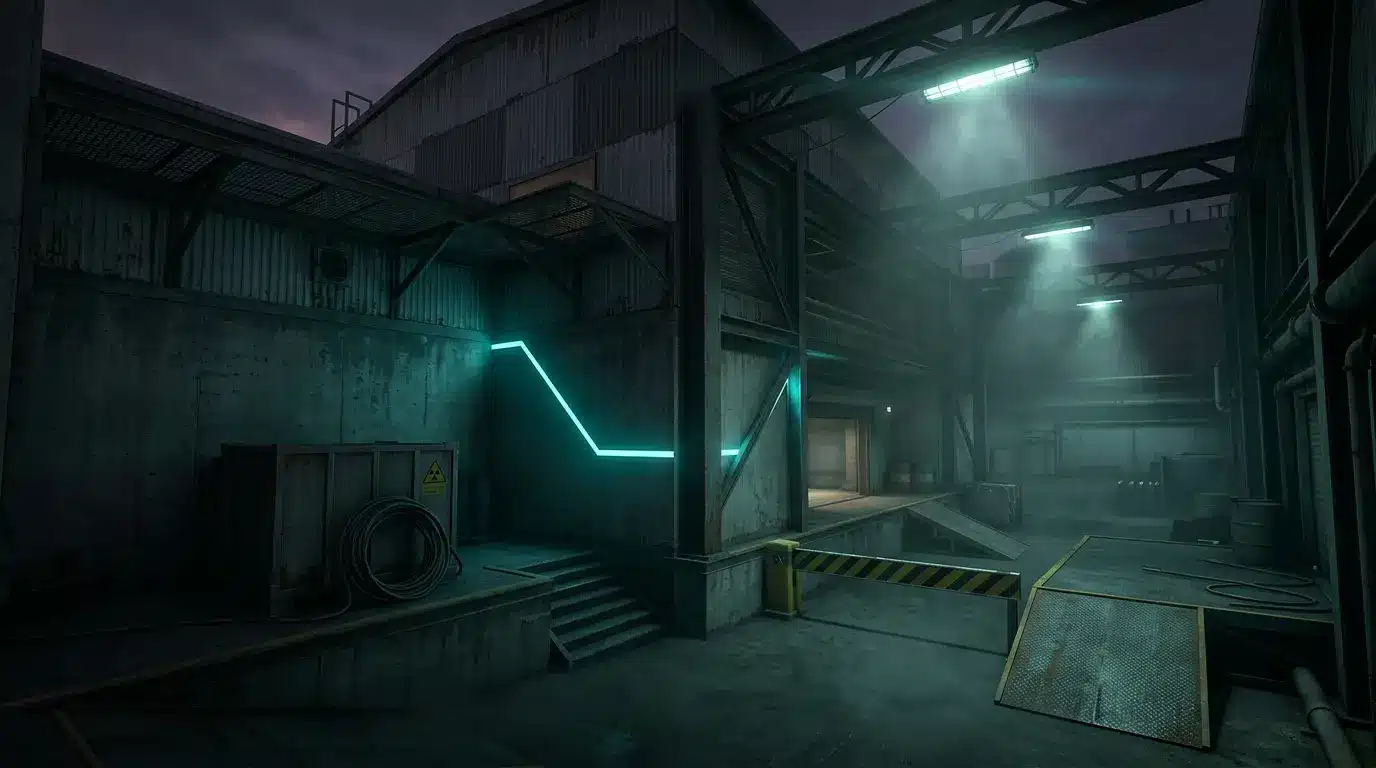
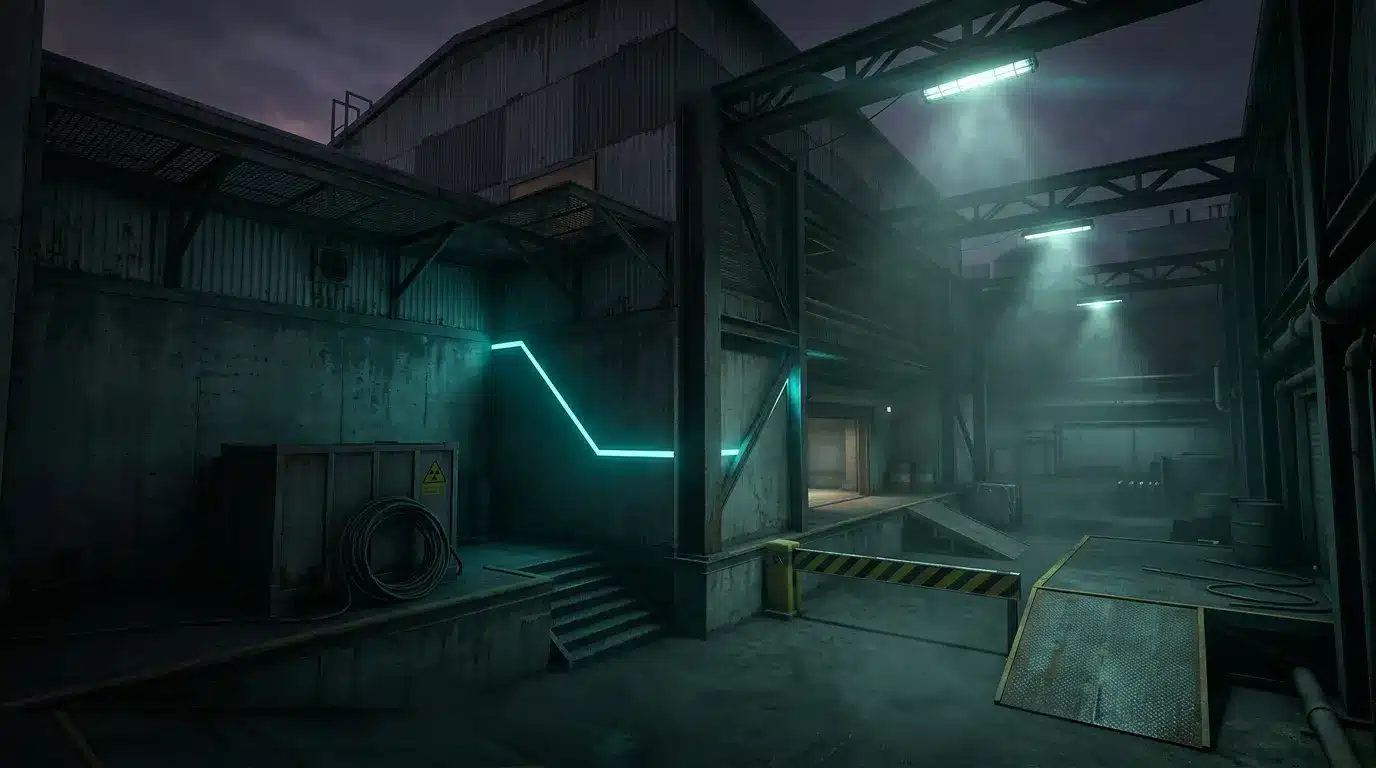
At the heart of the update is a comprehensive cleanup of Cache. The map, which has seen several iterations since its reintroduction to the CS2 pool, received further geometry adjustments, material fixes, and critical clipping patches. Most notably, players can no longer exploit certain window segments as line-of-sight gaps; the addition of grating and the correction of surface properties mean that bullets will now behave as intended rather than passing through solid-looking textures.
On the utility front, Valve has removed a specific "edge case" behavior: players can no longer cancel a grenade throw once the pin-pull animation has reached its final stage. While this may seem minor to the casual player, it is a significant change for high-level tactical play, where every millisecond of animation and sound cue is analyzed for competitive advantage.
Additionally, the update includes:
- Workshop Browser Fixes: Resolved an issue where assets were not correctly auto-selected upon opening the model browser.
- Layered Material Stability: Fixed a bug causing issues with shared surface properties.
- Audio Updates: The NIGHTMODE II music kits have been updated to include a second round MVP anthem, which now triggers at a one-to-five ratio, adding a layer of sonic variety to high-stakes match climaxes.
Chronology: A History of Iteration
To understand the necessity of this update, one must look at the timeline of Counter-Strike 2’s evolution since its full release. Valve has adopted a "live-service" philosophy that treats maps not as static assets, but as evolving environments.
The Post-Launch Stabilization Phase
Following the initial migration to the Source 2 engine, the player base experienced a period of adjustment. Maps like Cache required significant work to align with the new lighting models and collision systems. In early 2026, players reported widespread issues with sound dropouts, inconsistent bomb-radius damage, and unpredictable smoke lighting.
The April 2026 Engine Update
Less than a month ago, on April 14, Valve deployed a major engine and animation overhaul. This update was designed to improve the "feel" of movement and the visual clarity of player models. The May 14 update is effectively a "follow-up" to that technical foundation, addressing the specific map-based anomalies that the broader engine update either uncovered or failed to resolve.
The Current State
The frequency of these patches—often arriving in monthly cycles—signals that Valve is operating in a continuous feedback loop. By keeping the updates focused, they minimize the risk of "game-breaking" bugs while slowly building a more resilient competitive environment.
Supporting Data: Why Small Changes Matter
In Counter-Strike, the margin between victory and defeat is often measured in pixels. Competitive integrity is defined by predictability; if a player knows that a specific grenade lineup or a wallbang angle should work, it must work 100% of the time.
The Geometry Problem
The clipping adjustments on Cache are a direct response to player feedback regarding "unintended gaps." When a bullet passes through a texture that appears solid, it creates a "map-generated injustice." For professional players who spend thousands of hours mastering angles, such inconsistencies are frustrating. By patching holes and correcting surface types, Valve is ensuring that the map’s physical reality matches its visual representation.
The Utility "Edge Case"
The removal of the late-stage grenade cancel is a tactical adjustment. In high-level play, players often "fake" utility usage to bait opponents into rotating or exposing themselves. If a player could previously cancel a throw at the very last second, it created a level of uncertainty that could be abused. By forcing a "commitment" once the pin is pulled, Valve has increased the risk-reward ratio of using utility, forcing players to be more decisive.
Official Responses and Developer Philosophy
Valve has maintained its characteristic silence regarding specific design intent, but the pattern of these updates speaks volumes. By avoiding "flashy" changes, the developers are prioritizing the "competitive fundamentals."
The official patch notes, while brief, emphasize technical correctness:
- Maps: Focus on "material fixes" and "clipping adjustments."
- Misc: Focus on "general stability improvements."
- Tools: Focus on "workshop model browser" usability.
This reflects a development culture that values long-term stability over short-term marketing. For the Counter-Strike community, which has seen its fair share of dramatic engine shifts, this "sanding down" process is a welcome sign of maturity. It suggests that the core mechanics of the game are now in a "finished" state, and the focus has shifted entirely to refinement.
Implications: What This Means for the Meta
The most immediate impact of this update will be felt by the analytical community—the analysts, content creators, and professional players who spend their days in private servers testing new grenade lineups and checking wallbang spots.
1. The "Under the Microscope" Effect
Cache will likely undergo a rigorous audit over the next 48 hours. Professional teams will be checking if the new window gratings have rendered certain aggressive "peeks" obsolete or if the material changes have altered the efficacy of common wallbangs. Any discovery of a "new" way to play the map will be disseminated rapidly through platforms like YouTube and Twitter, potentially altering the tactical meta for upcoming tournaments.
2. Reliability as the Gold Standard
For the competitive scene, the goal is simple: fewer rounds decided by engine errors. As these patches continue to roll out, the "randomness" of the map geometry decreases. This shift benefits teams that rely on structured execution and disciplined play, as they are less likely to be punished by a stray pixel or a glitched grenade interaction.
3. Strengthening the Ecosystem
By focusing on workshop tools and stability, Valve is also encouraging the map-making community. A more robust and user-friendly workshop browser makes it easier for creators to iterate on their own projects. This fosters a healthier ecosystem where the best community content can eventually be integrated into the main game, a hallmark of Counter-Strike’s longevity.
Conclusion: A Step Toward Perfection
The May 14 update for Counter-Strike 2 is a testament to the importance of minor adjustments in a major title. While it lacks the spectacle of a new Operation or a massive weapon overhaul, its contribution to the game’s competitive health is undeniable.
By systematically addressing map geometry, tightening utility constraints, and improving stability, Valve is ensuring that Counter-Strike 2 remains the premier tactical shooter in the world. As we look toward the remainder of 2026, the question is not what new features Valve will add, but how much more they can refine the existing ones to create a truly seamless, consistent, and competitive experience.
For now, the players return to the server, once again putting Cache under the microscope, testing the new boundaries, and waiting for the next small, vital fix that brings the game one step closer to absolute reliability.
About the Author
Ollie Ring is a Senior Editor with over a decade of experience at the intersection of video games, esports, and the gambling industry. Having contributed to outlets such as the BBC, Red Bull Gaming, and PC Gamer, Ollie brings a wealth of knowledge to the analysis of digital competition. His work often explores the deeper mechanics of game design and the cultural impact of professional play.












No comments yet. Be the first to join the conversation!