Asro
Asro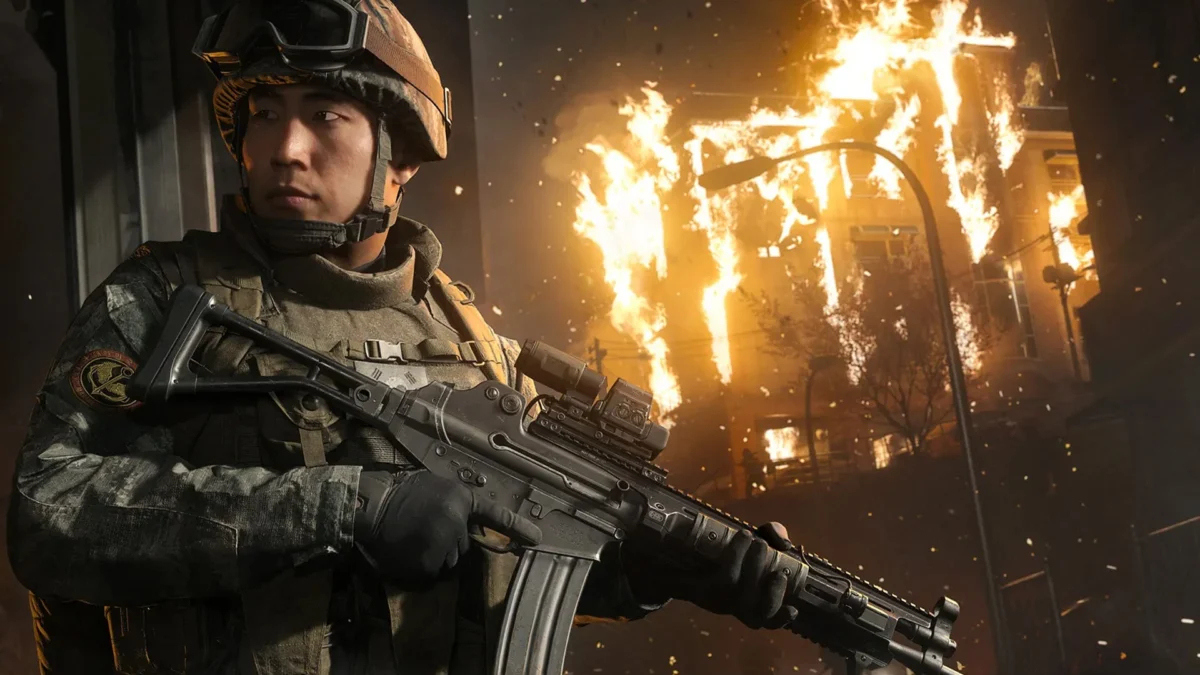
In an industry defined by iterative sequels and the relentless pursuit of graphical fidelity, Activision and developer Infinity Ward have once again returned to the well that birthed a cultural juggernaut. With the official announcement of Call of Duty: Modern Warfare 4, the publisher is signaling a return to the franchise’s roots, albeit with a fresh geopolitical backdrop that centers on the volatile Korean Peninsula.
For many, the announcement feels like a surreal exercise in "déjà vu"—a recurring cycle of military spectacle that tests the limits of brand recognition. Yet, beneath the familiar sheen of tactical gear and cinematic explosions, Modern Warfare 4 represents a significant attempt by Activision to recalibrate the series after the lukewarm reception of previous entries.
The Narrative Pivot: A Seoul-Centric Conflict
The core of Modern Warfare 4 is a linear, narrative-driven campaign that breaks from the experimental structures seen in recent years. The premise is stark and immediate: North Korean forces initiate a massive bombardment of Seoul, followed by a full-scale land invasion of the South Korean capital.
The campaign structure is intentionally multifaceted, designed to provide a panoramic view of modern urban warfare. Players will cycle through three distinct perspectives:
- The Defender: A South Korean soldier tasked with repelling the invading forces and protecting the civilian population during the initial assault.
- The Aggressor: A North Korean perspective, aimed at humanizing the conflict’s complexity and providing a tactical view from behind enemy lines.
- The Icon: The return of series stalwart Captain Price, who leads Task Force 141 through high-stakes, behind-the-scenes "ruckus" that fans of the franchise have come to expect.
This tripartite storytelling approach suggests that Infinity Ward is attempting to balance the intimate, tactical operations synonymous with the Modern Warfare brand with the large-scale, chaotic nature of total war.
Chronology of the Call of Duty Cycle
To understand the weight of Modern Warfare 4, one must look at the recent history of the Call of Duty franchise. The series has spent the last half-decade in a state of creative flux:
- The Experimental Phase: Titles like Infinite Warfare attempted to push the franchise into sci-fi territory, receiving critical acclaim for its writing but suffering from a fanbase that desired a return to grounded combat.
- The "Naff" Era: Last year’s Black Ops 7 was widely criticized for its lackluster campaign and disjointed co-op integration. The industry consensus was that the series had lost its narrative North Star.
- The Current Reset: Modern Warfare 4 arrives as a corrective measure. By stripping away the experimental co-op campaign formats and focusing on a high-octane, linear single-player experience, Activision is aiming to recapture the magic of the original 2007 title.
Early previews from industry insiders who visited Activision’s headquarters suggest that the gameplay loop is robust. While outlets like Rock Paper Shotgun were notably absent from these preview events—potentially due to their critical stance on the previous year’s release—the general sentiment across the broader gaming press has been cautiously optimistic.
Beyond the Campaign: Multiplayer and the Return of DMZ
Perhaps the most significant strategic move in Modern Warfare 4 is the resuscitation of the DMZ (Demilitarized Zone) mode. Following the massive success of extraction shooters like ARC Raiders and the standalone popularity of Warzone, Activision is doubling down on the DMZ concept.
The goal is clear: to elevate DMZ from a niche side-mode into a standalone pillar of the Call of Duty ecosystem. By integrating standard multiplayer fare—fast-paced, twitch-based combat—with the high-stakes tension of extraction-based looting and objective completion, the developers hope to create a long-term engagement model that keeps players tethered to the game throughout the fiscal year.
Official Responses and the Marketing of "Innovation"
In recent interviews, the development team has been keen to emphasize the "newness" of the experience. Associate Design Director Alex Norris, speaking with Eurogamer, stated:
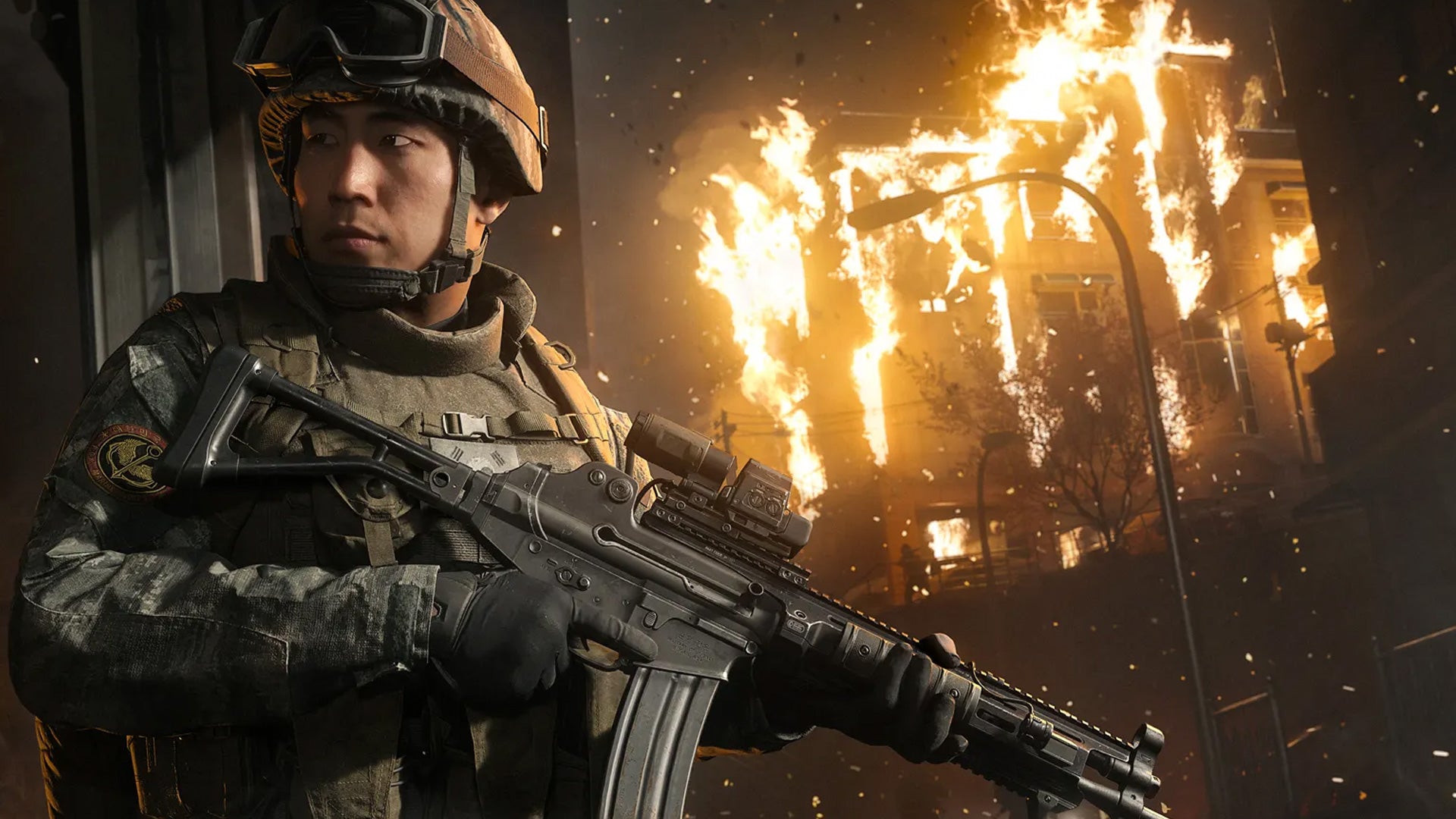
"We’re kind of unlocking this experience that hasn’t been in our previous Modern Warfares. Our previous Modern Warfares have been very focused on task force 141, special operators, and small raids. We’ve got the largest U.S. overseas military base in South Korea… So it’s tapping into infantry, armour, and air support; all these things kind of working together to retake a city. That’s something we haven’t gotten to do before on the gameplay side."
This marketing narrative, however, has been met with skepticism from longtime franchise veterans. The claim that the series has never tackled large-scale urban warfare with combined arms is difficult to reconcile with the franchise’s history. From the D-Day-style beach landings in the original titles to the North African tank battles in Call of Duty 2 and the coastal helicopter invasions in the first Modern Warfare, the series has long prided itself on cinematic scale.
The discrepancy between the developer’s messaging and the player experience highlights a recurring tension in the industry: the need to market a title as "revolutionary" while iterating on a proven, decades-old formula.
Implications: The Industry at a Crossroads
What does Modern Warfare 4 imply for the future of the blockbuster military shooter?
1. The Death of Experimentation
The return to a strictly linear campaign suggests that the AAA industry is currently risk-averse. After several years of experimenting with non-linear narratives and co-op-heavy campaigns, publishers are returning to the "comfort food" of traditional mission-based design. This is a safe play, but it leaves little room for the genre to evolve beyond better textures and more frequent updates.
2. The Dominance of the Extraction Shooter
By prioritizing DMZ, Activision is acknowledging that the future of Call of Duty is not just a game, but a platform. If DMZ can achieve the same "standalone success" as Warzone, it could change the way Activision handles sequels. We may eventually see a shift where the "premium" annual release becomes a secondary consideration to the ongoing, service-based extraction mode.
3. The "Déjà Vu" Effect
The primary challenge for Modern Warfare 4 is not technical, but psychological. Can a series that has been running annually for nearly two decades still evoke a sense of awe? The trailer—while polished and atmospheric—serves as a reminder that the series is trapped in a loop. It is a highly refined, technologically impressive loop, but a loop nonetheless.
Conclusion: A Polished Mirror
Call of Duty: Modern Warfare 4 may well be a technical masterpiece. Infinity Ward remains a studio of immense talent, capable of crafting visceral, high-fidelity experiences that feel like playing a summer blockbuster film. If the mechanics of the tank battles and the trench warfare are as tight as the studio promises, the game will undoubtedly be a commercial triumph.
However, the game’s success will likely be measured by its ability to distinguish itself from its predecessors. By framing a familiar experience as a groundbreaking leap forward, Activision risks alienating the more cynical segments of their audience.
Ultimately, Modern Warfare 4 is a testament to the power of the Call of Duty brand. It is a game that knows exactly what its players want, delivering it with the precision of a well-oiled machine. Whether or not that is enough to sustain the franchise for another decade remains to be seen. For now, the world of Modern Warfare remains as it ever was: a battleground of high stakes, high polish, and the inevitable return to the trenches of the past.



 Muslim