

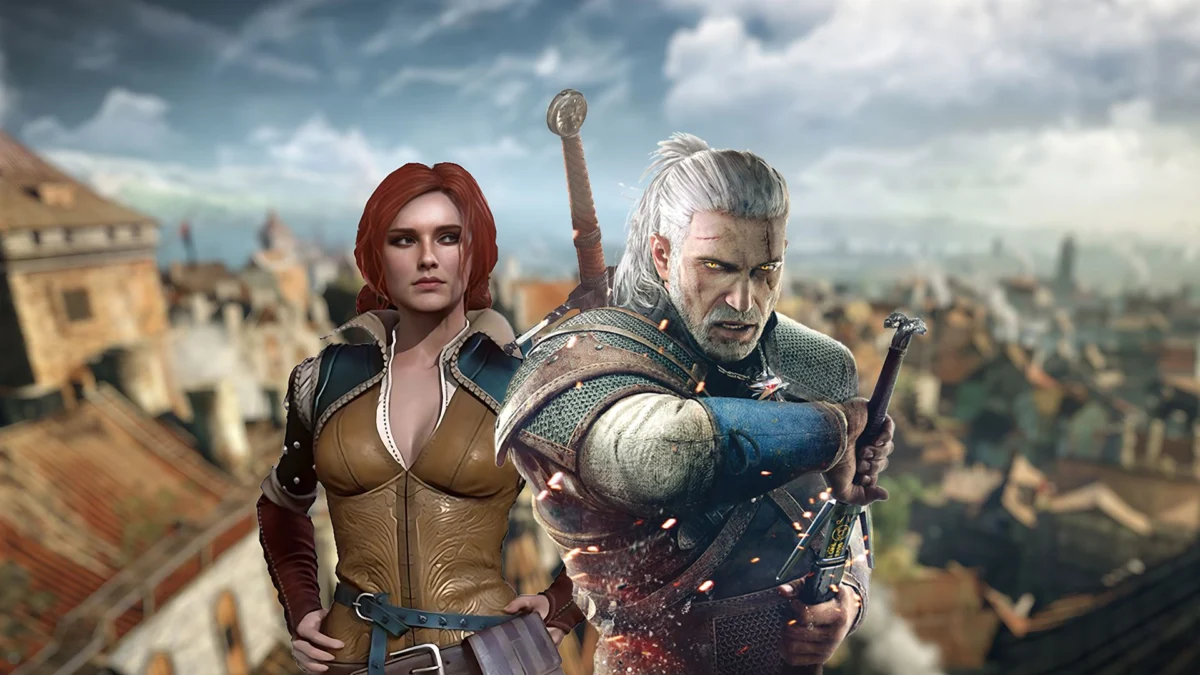
Few titles in the history of interactive entertainment have achieved the cultural ubiquity and enduring legacy of CD Projekt Red’s The Witcher 3: Wild Hunt. Since its release on May 19, 2015, the game has set an industry benchmark for open-world design, moral complexity, and narrative depth. While many players approach the game as a one-time epic journey across the war-torn Northern Realms, the true brilliance of the experience often reveals itself only upon a second or third playthrough.
When returning to "The Continent," players are no longer guided by the initial shock of discovery. Instead, they are equipped with the hindsight of previous moral failures and triumphs. This shift in perspective transforms straightforward quests into profound exercises in tragic irony and narrative foresight.
The Anatomy of Replayability: Why Second Playthroughs Matter
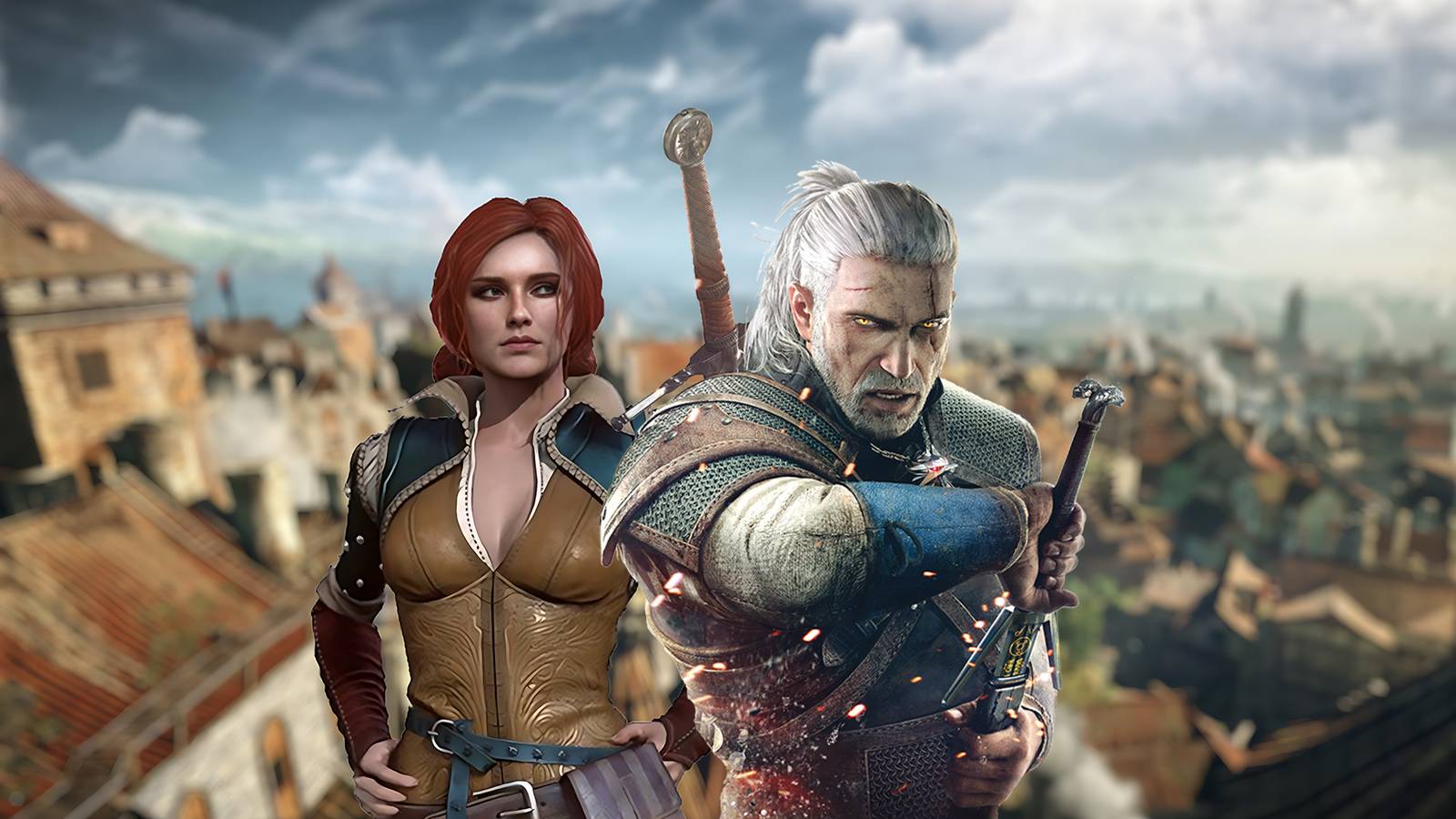
The core strength of The Witcher 3 lies in its "choice-consequence" system. Unlike many RPGs where choices feel binary—good or evil—Geralt of Rivia often operates in a world of shades of grey. A decision that seems noble in the heat of the moment can, hours later, lead to the destruction of a village or the death of a beloved character.
Replaying the game allows players to peel back the layers of the script. We begin to notice the foreshadowing, the subtle dialogue cues from NPCs, and the terrifying reality of entities like Gaunter O’Dimm. Below, we explore the questlines that undergo the most dramatic transformation when viewed through the eyes of a veteran Witcher.

Chronology of Moral Complexity: A Deep Dive into Key Quests
8. The Whispering Hillock: The Illusion of Choice
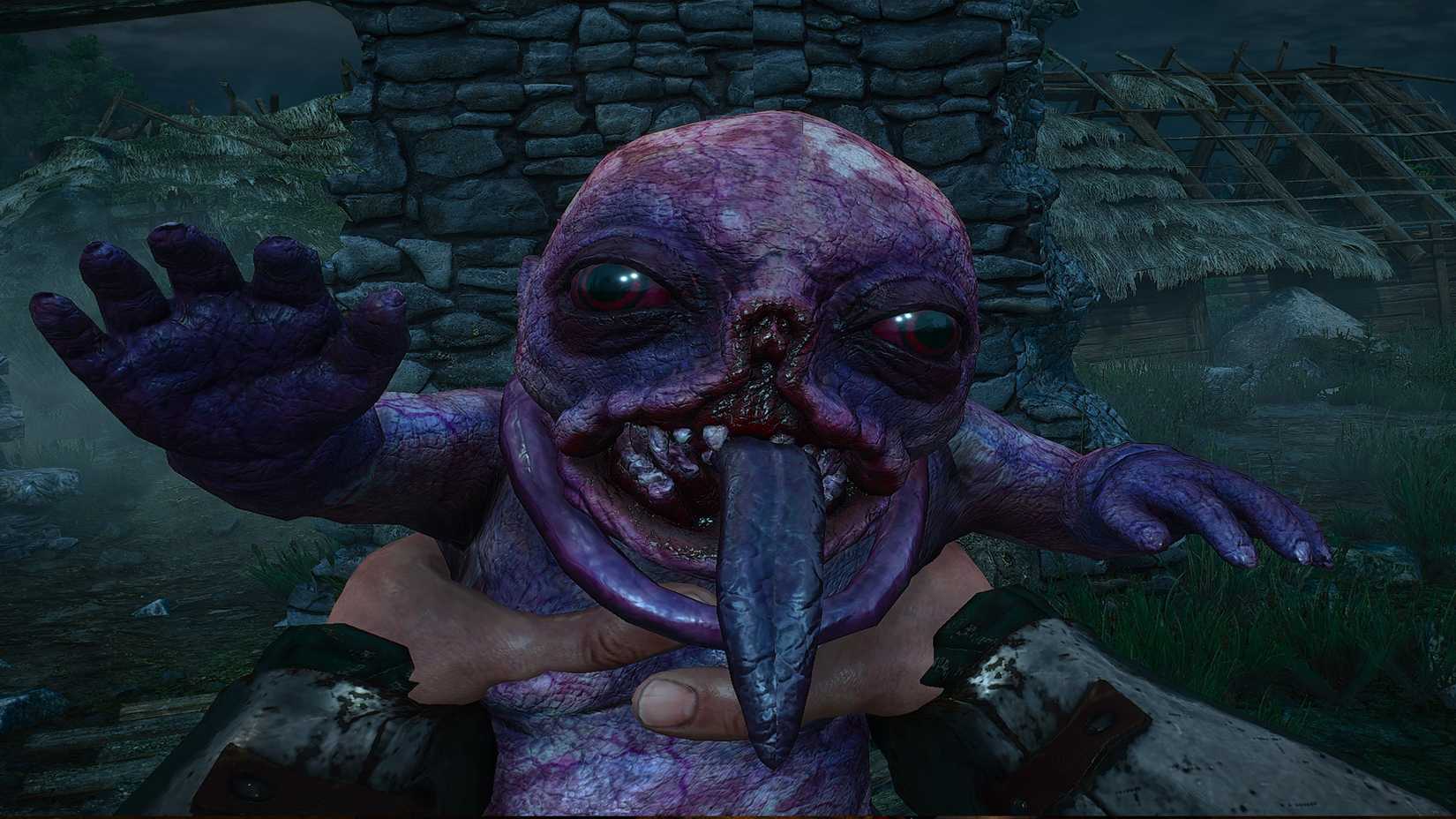
The quest "The Whispering Hillock" remains one of the most polarizing moments in the Velen storyline. The player is presented with a trapped spirit within a tree, and the choices available—kill it, release it, or strike a bargain—dictate the fate of the orphans of Crookback Bog, the village of Downwarren, and the sanity of Anna Strenger.
On a first playthrough, the choice feels like a desperate attempt to do the right thing. On a second, the player realizes that no matter the decision, someone suffers. Freeing the spirit saves the children but leads to the slaughter of the village; killing it saves the village but seals the children’s fate. It is a masterclass in "lesser evil" philosophy that defines the Witcher universe.
7. Carnal Sins: The Deception of the Physician
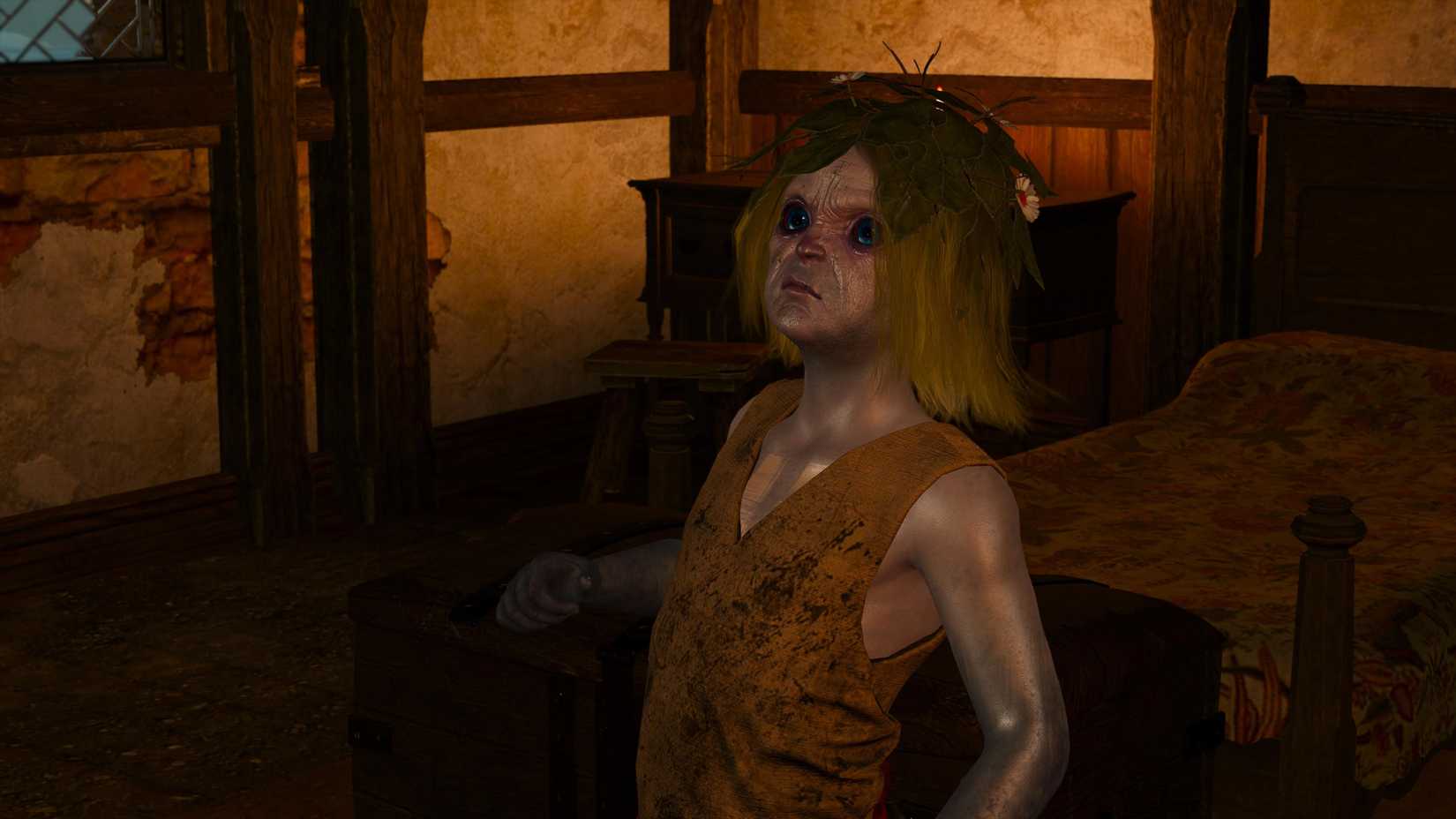
Novigrad’s "Carnal Sins" quest is a perfect example of a detective story gone wrong. When Priscilla is viciously attacked, Geralt is led to believe he is tracking a standard serial killer. The investigation, aided by the seemingly helpful coroner Hubert Rejk, is a masterclass in misdirection.
Upon a second playthrough, Rejk’s dialogue takes on a sinister tone. Every piece of advice he gives, and every analytical observation he offers regarding the victims, serves to mock Geralt’s intelligence. Knowing he is a higher vampire allows the player to see the arrogance behind his mask, turning a standard investigative quest into a tense, psychological confrontation.
6. A Towerful of Mice: The Danger of Compassion
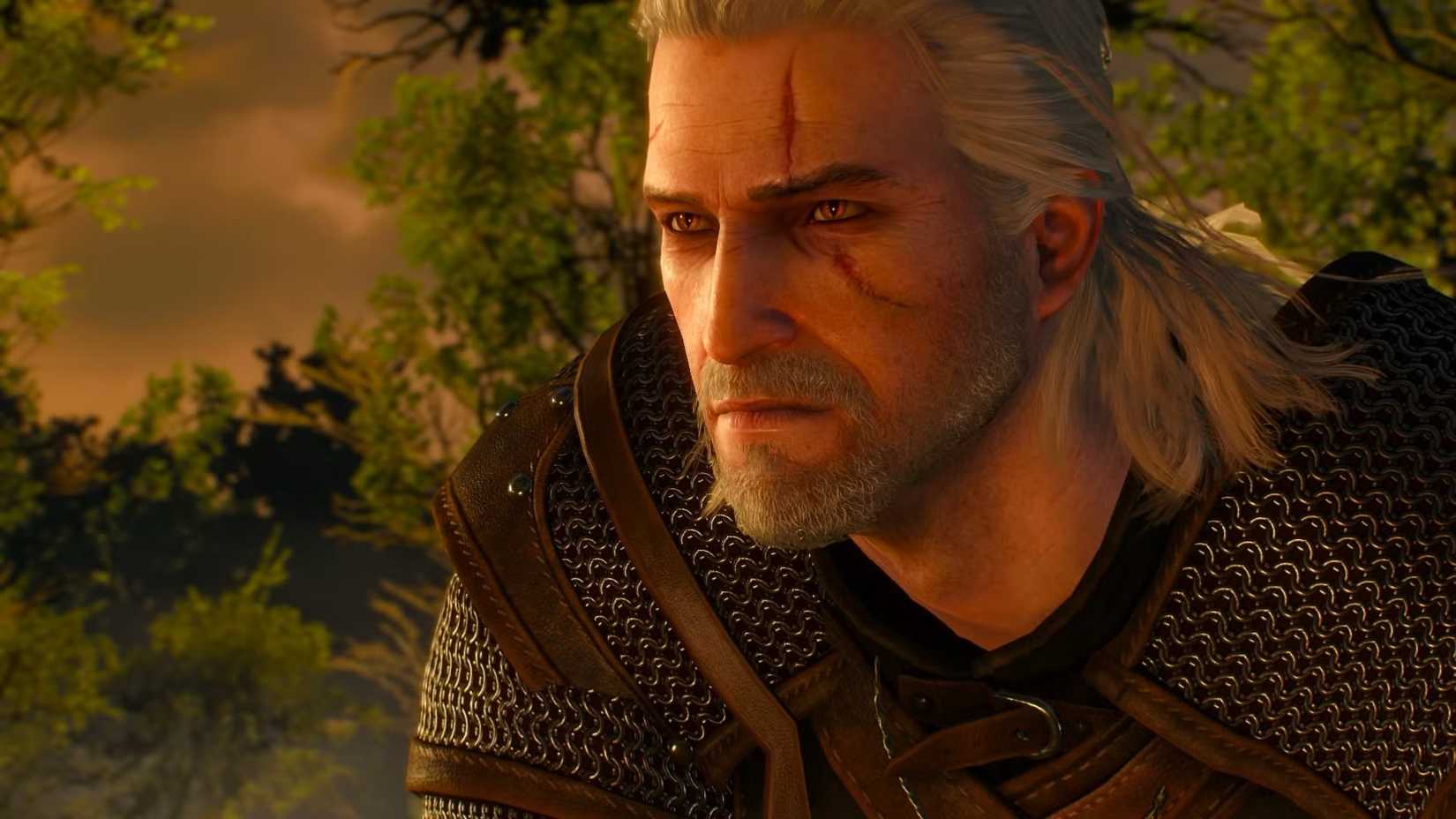
The haunting atmosphere of Fyke Isle serves as the backdrop for one of the most tragic tales in the game. Anabella’s request to bring her remains to her lover, Graham, seems like a simple act of mercy. However, the player who has completed the game once knows that this "mercy" is the catalyst for a plague. Trusting the ghost leads to disaster, proving that in the world of The Witcher, not every tragedy can be fixed with a kind gesture.
5. Possession: The Weight of History
The Skellige Isles provide a change of pace, but the quest "Possession" proves that the past is never truly buried. The journey to recover Udalryk’s ancestral sword feels like a standard fetch quest until the revelation of the Hym—a spirit that feeds on guilt. On a repeat visit, the player realizes the sword was merely a distraction. The real quest is about confronting the trauma that binds a man to his ghosts, making the initial "wild goose chase" feel like a necessary, albeit tedious, ritual of purification.
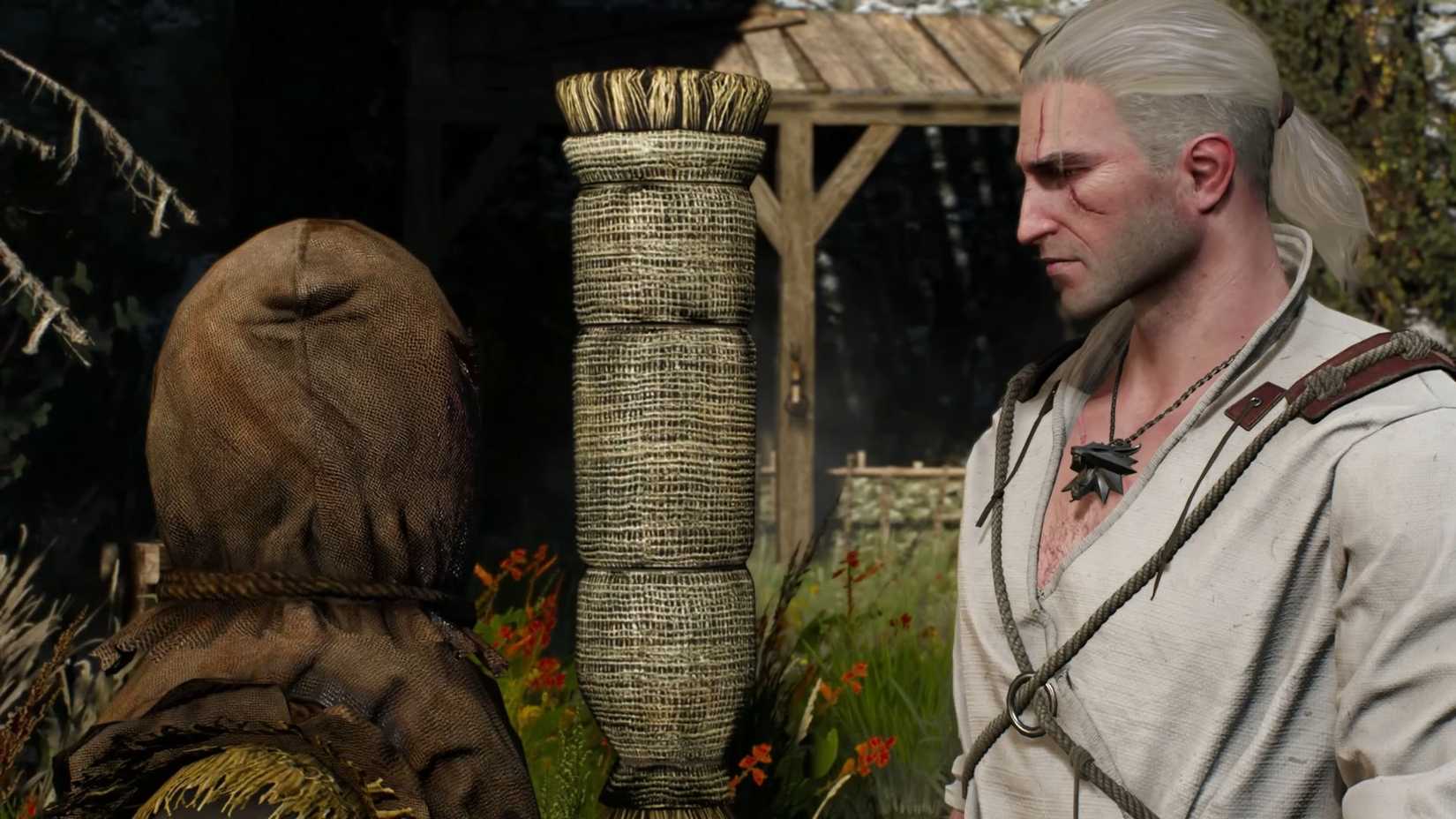
4. Lilac and Gooseberries: The Devil in Plain Sight
Perhaps the most jarring moment for a returning player is the encounter in the White Orchard inn. The merchant Geralt speaks to regarding Yennefer is none other than Gaunter O’Dimm. To a new player, he is just a helpful stranger. To the veteran who has completed the Hearts of Stone expansion, he is the personification of pure, unadulterated evil. Standing inches away from him, knowing his true nature, provides a chilling sense of dread that is entirely absent during the first playthrough.
3. Family Matters: The Anatomy of a Broken Man
The Bloody Baron remains one of the most well-written characters in gaming history. Initially, he appears to be a local despot, but as the player uncovers his history of domestic abuse and the resulting creation of the Botchling, the narrative shifts from a mystery to a harrowing exploration of accountability. A second playthrough allows the player to focus on the nuance of his dialogue, seeing the desperation of a man who is both a monster and a victim of his own choices.
2. The Nithing: The Cost of Unrequited Love
The Skellige quest "The Nithing" highlights how personal vendettas can spiral out of control. When Geralt discovers that Jonna is cursing her former lover, the player is forced to decide between two forms of punishment. Understanding the depth of Jonna’s betrayal—and her subsequent descent into darkness—makes the decision to intervene or step back significantly more agonizing the second time around.
1. Scenes from a Marriage: A Tragic Masterpiece
Without question, the Hearts of Stone quest "Scenes from a Marriage" is the emotional apex of the game. Walking through the decaying von Everec estate, piecing together the fractured memories of Iris and Olgierd, is a haunting experience. Upon a second playthrough, the environment itself tells the story. The subtle changes in the painted world, the echoes of their past, and the ultimate fate of the rose create a level of melancholy that few games can hope to replicate.
Supporting Data: Why Players Return
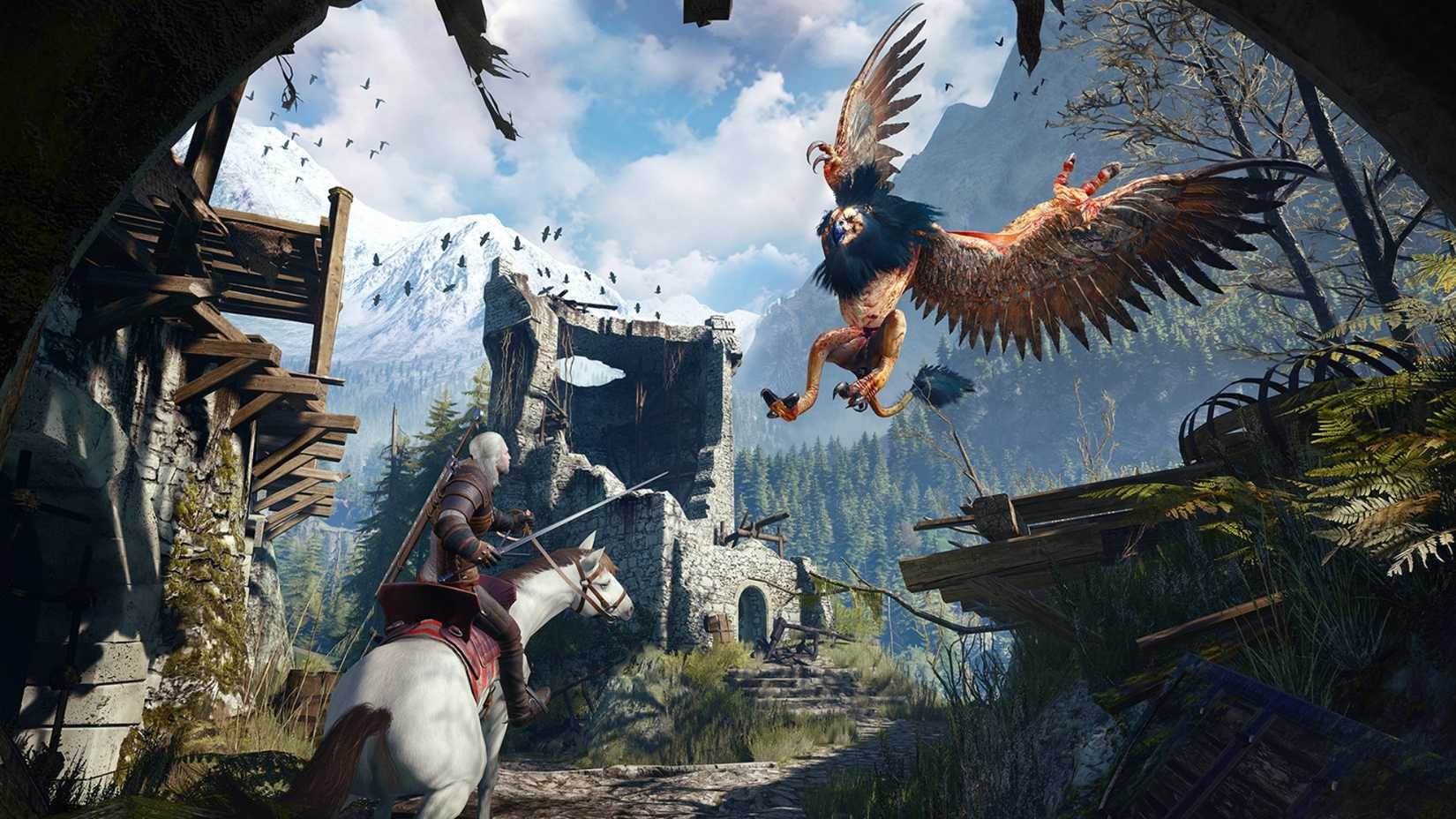
The continued engagement with The Witcher 3 is backed by data from the developer, CD Projekt Red. Despite being released in 2015, the game consistently sees massive spikes in player count, particularly following the release of the "Next-Gen" update. This is attributed not only to new players but to a massive base of returning fans who treat the game as a foundational piece of their digital library.
The "New Game+" mode has been instrumental in this, allowing players to carry over their hard-earned Witcher gear—such as the Mastercrafted Feline or Ursine sets—and experience the narrative flow without the hindrance of early-game equipment limitations.
Official Responses and Industry Impact
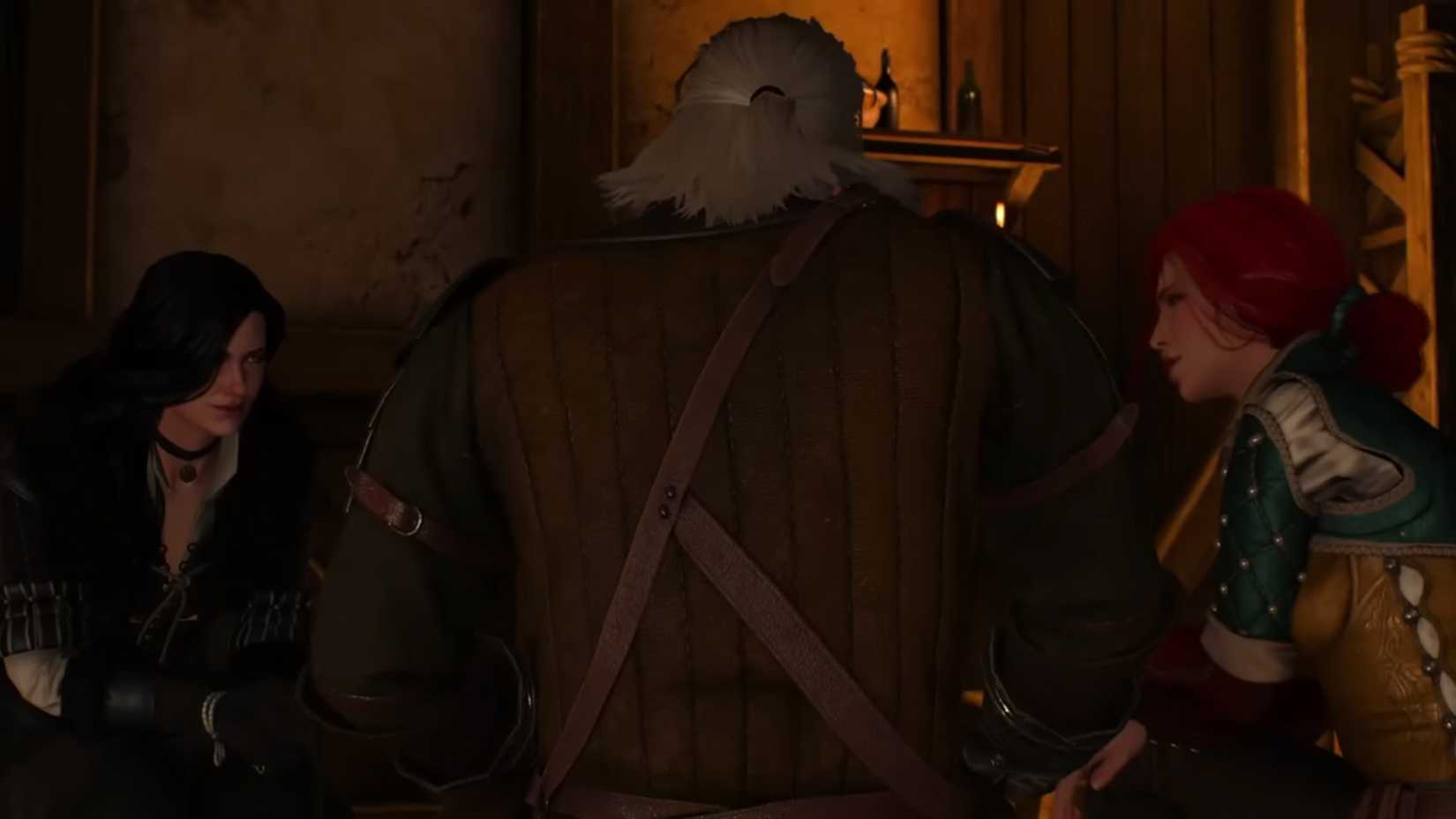
CD Projekt Red has frequently commented on the design philosophy of The Witcher 3. Lead quest designers have noted that they wanted to create a world where players felt "the weight of the world." By purposefully including consequences that only become apparent hours after a choice is made, they ensured that the game stayed in the player’s mind long after the credits rolled.
Industry critics have cited these quests as the "gold standard" for narrative design. The game’s ability to remain relevant nearly a decade after its release is a testament to the idea that well-written, morally complex stories are more important than cutting-edge graphical fidelity.
Implications for Future Open-World Games
The success of The Witcher 3 has forced a shift in the industry. Modern open-world games are now expected to offer more than just a large map and repetitive tasks; they are expected to offer "lived-in" worlds where the player’s presence actually changes the state of the environment.
The primary implication is that "replayability" is no longer about adding more content; it is about adding more depth. By creating quests that change in meaning based on the player’s knowledge, developers can create an experience that feels personal, evolving, and ultimately, unforgettable.

As we look toward the future of the franchise with the upcoming sequels, the standard set by these eight quests serves as the blueprint for what the next generation of Witcher storytelling must aim to exceed. For now, the Continent remains the most fascinating place in gaming, waiting for every returning player to discover just one more secret hidden in the shadows.











No comments yet. Be the first to join the conversation!