

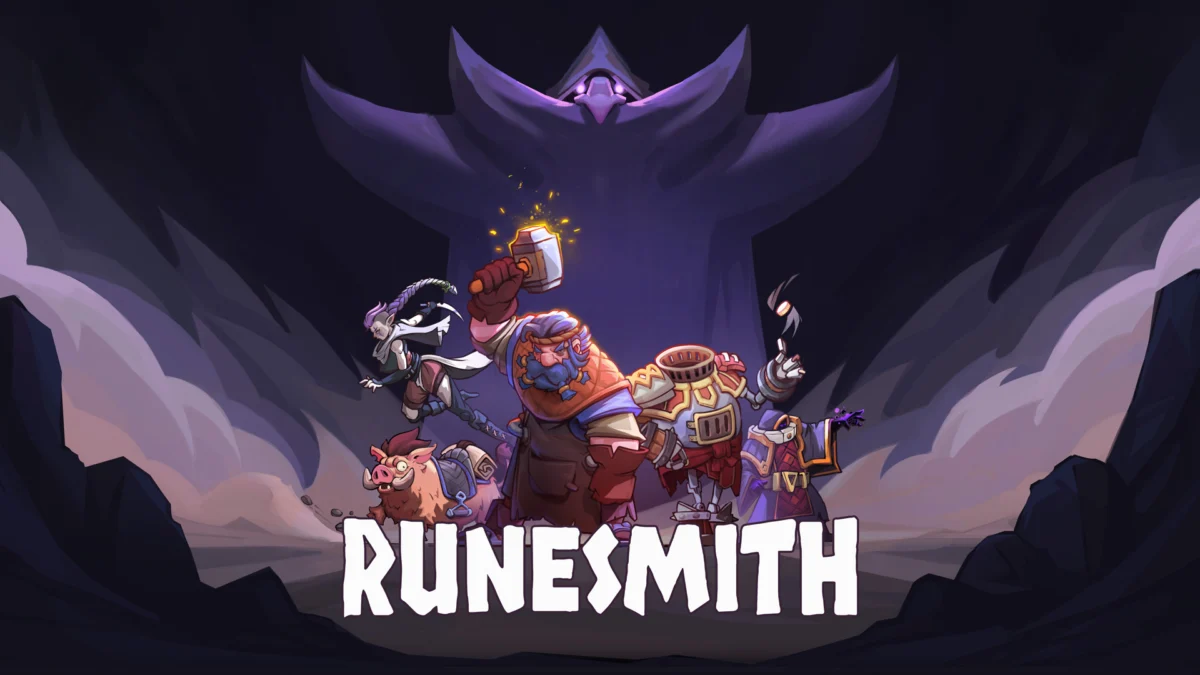
In an ambitious expansion of their development portfolio, indie developer Terahard Studios has officially announced their latest project, Runesmith. Moving away from their previous titles, the studio is diving headfirst into the rich, lore-heavy world of high fantasy with a turn-based tactical RPG that puts players in the heavy boots of a dwarf. The title, currently in development for Windows PC via Steam, represents a significant milestone for the 13-year-old studio, signaling a shift toward more narrative-driven, complex gameplay mechanics.
The Core Concept: A Dwarven Odyssey
At its heart, Runesmith is a celebration of classic fantasy tropes reimagined through the lens of dwarven culture. Players aren’t just controlling a hero; they are managing a band of unruly, ale-loving, and gold-obsessed adventurers. The game promises a synthesis of deep tactical combat, complex crafting systems, and a distinct, irreverent sense of humor that differentiates it from the overly solemn tone found in many contemporary RPGs.
The narrative hook is refreshingly grounded: players are not out to save the world for the sake of altruism. Instead, the central conflict is driven by a much more relatable motivation—a deep-seated grudge. The primary antagonist has cheated the player’s party out of a substantial sum of gold, and in the world of Runesmith, no one cheats a dwarf and survives to boast about it. This quest for vengeance sets the stage for a journey that takes players through dank dungeons, rowdy taverns, and the anvil-scarred depths of dwarven strongholds.
Chronology of a Dream Project
The announcement of Runesmith is the culmination of over a decade of industry experience for Terahard Studios. While the studio has been active for 13 years, the transition to a full-scale tactical RPG has been a long-held ambition for CEO Aris Tsevrenis.
Tsevrenis has been transparent about the developmental timeline, noting that Runesmith is the "first true RPG" the team has attempted. The genesis of the project lies in Tsevrenis’s own history as a long-time Dungeons & Dragons player. For years, the team sought the right intersection of mechanics and thematic identity before settling on the dwarven archetype.
According to studio documentation, the early prototyping phase focused heavily on the game’s "runesmithing" system—the ability to physically hammer runes into mythril and other rare materials. This crafting system is not merely an auxiliary feature but is intended to be the primary engine of combat modification, allowing players to tailor their gear and tactical approaches to suit their specific playstyles.
Supporting Data and Mechanical Depth
While the studio has yet to announce an official release date, the reveal trailer and initial press materials provide a clear picture of what players can expect from the gameplay loop.
The Tactical Combat Engine
The combat in Runesmith is designed to be highly responsive to the player’s crafting choices. By embedding specific runes into gear, players can alter the properties of their weapons and armor. This creates a feedback loop where the success of a dungeon raid is directly dependent on the quality of the work performed at the forge.
The combat encounters are set to be both diverse and challenging. Players will navigate traditional grid-based combat, utilizing terrain and environmental hazards to gain an advantage. The "traditional dwarven way" mentioned in the press release implies a focus on grit and durability, suggesting that combat will favor defensive positioning and high-impact, short-range strikes.
The Crafting Economy
Crafting in Runesmith is positioned as a primary pillar of the game’s internal economy. Players will spend significant time gathering rare materials, mining, and refining gear. The integration of the "runesmithing" system suggests a high degree of customization, where players can essentially build their own class archetypes based on how they choose to enchant their equipment.
Official Responses: A Vision for the Future
In a press release accompanying the announcement, CEO Aris Tsevrenis offered insight into the philosophy driving the game’s development.

"Runesmith is a dream come true as it’s the company’s first true RPG, something that I’ve wanted to build in all the 13 years of Terahard’s existence," Tsevrenis stated. He elaborated on the fascination with the subject matter: "Fantasy dwarves are loved for a lot of different reasons and their deep lore makes them extra interesting. Being a D&D player for many years, it was something that I always wanted to try."
Tsevrenis emphasized that the game is a reflection of the studio’s collective personality. "Runesmith is a mixture of our humour, crafting and how both can affect combat in interesting ways." This indicates that the studio is not just aiming to replicate the standard fantasy experience, but rather to infuse it with the specific creative voice that has defined Terahard Studios’ output thus far.
Implications for the Indie RPG Market
The announcement of Runesmith comes at an interesting time for the indie RPG sector. With the genre currently seeing a resurgence driven by high-quality tactical titles, Runesmith enters a competitive, yet appreciative, market.
Filling the Tactical Void
The tactical RPG genre often oscillates between extremely serious, high-fantasy epics and lighthearted, anime-inspired romps. Runesmith occupies a unique space: it takes its world-building seriously, yet maintains a cynical, grounded outlook that appeals to players tired of the "chosen one" trope. By focusing on a mercenary-style motive—reclaiming stolen gold—Terahard is positioning the game to be more relatable and character-driven than its peers.
The Impact of Long-Term Development
Terahard Studios’ decision to spend 13 years reaching this point is a testament to the studio’s endurance and dedication. For indie developers, moving from smaller projects to a full-scale tactical RPG is a major risk. However, the depth of the lore and the specificity of the mechanics (the crafting system, in particular) suggest a high level of preparedness.
If Runesmith succeeds, it could set a new standard for how indie studios approach the tactical RPG genre, proving that deep, systems-heavy games don’t need the backing of a AAA publisher to feel substantial. The reliance on community-tested tropes (dwarves, dungeons, taverns) combined with a fresh mechanical twist (the crafting-focused combat) is a proven strategy for success in the Steam market.
Looking Ahead
While fans wait for an official release date, the anticipation is already building. The Steam page for Runesmith is now live, allowing players to add the title to their wishlists—a crucial step for indie visibility.
As the development continues, the industry will be watching to see how Terahard Studios balances the complexity of their crafting systems with the tactical requirements of the turn-based engine. If the studio can successfully merge the grit of dwarven mythology with the satisfaction of a well-crafted combat system, Runesmith has the potential to become a cult classic in the vein of other beloved indie RPGs.
For now, the message from Terahard Studios is clear: prepare your hammers, fill your tankards, and get ready to settle the score. In the world of Runesmith, the journey is long, the beer is cold, and the debt is going to be paid in full—one way or another.
Quick Summary for Prospective Players:
- Genre: Turn-based Tactical RPG
- Theme: Dwarven fantasy, crafting, and tavern humor
- Platform: PC (Steam)
- Key Hook: A deep crafting system where runic modifications directly impact combat effectiveness.
- Current Status: In development; wishlist the game on Steam for future updates.











No comments yet. Be the first to join the conversation!