Iffa Jayyana
In the world of automotive maintenance, the philosophy of "if it isn’t broken, don’t fix it" is a common mantra among budget-conscious drivers. With the average annual cost of vehicle maintenance hovering near $900 as of 2026, the impulse to pinch pennies by replacing only the failed component is understandable. However, seasoned mechanics and automotive engineers often argue that this "single-part" approach is a false economy.
Just as a pair of shoes wears down at a similar rate, many automotive components are designed to function as symmetrical systems. Replacing only one side of a pair often leads to an imbalance in performance, safety risks, and, ironically, higher long-term costs. Whether due to identical service lifespans or the necessity of mechanical equilibrium, here are four car parts that should always be replaced in pairs to ensure your vehicle remains both safe and efficient.
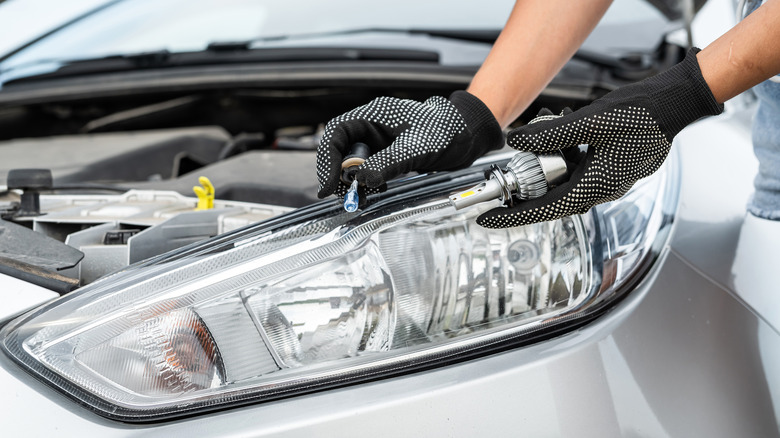
1. Headlights: Lighting the Way to Safety
The most visible indicator of a failing component is a dead headlight. There are few experiences as stressful as realizing, mid-commute, that your nighttime visibility has been halved.
The Technical Reality
According to data from the American Automobile Association (AAA), headlight bulbs generally possess a lifespan of 3,000 to 45,000 hours, depending on whether you are using halogen, HID, or LED technology. The critical factor here is that both bulbs in your vehicle were installed at the same time and have endured the same number of "on" hours and environmental vibrations.
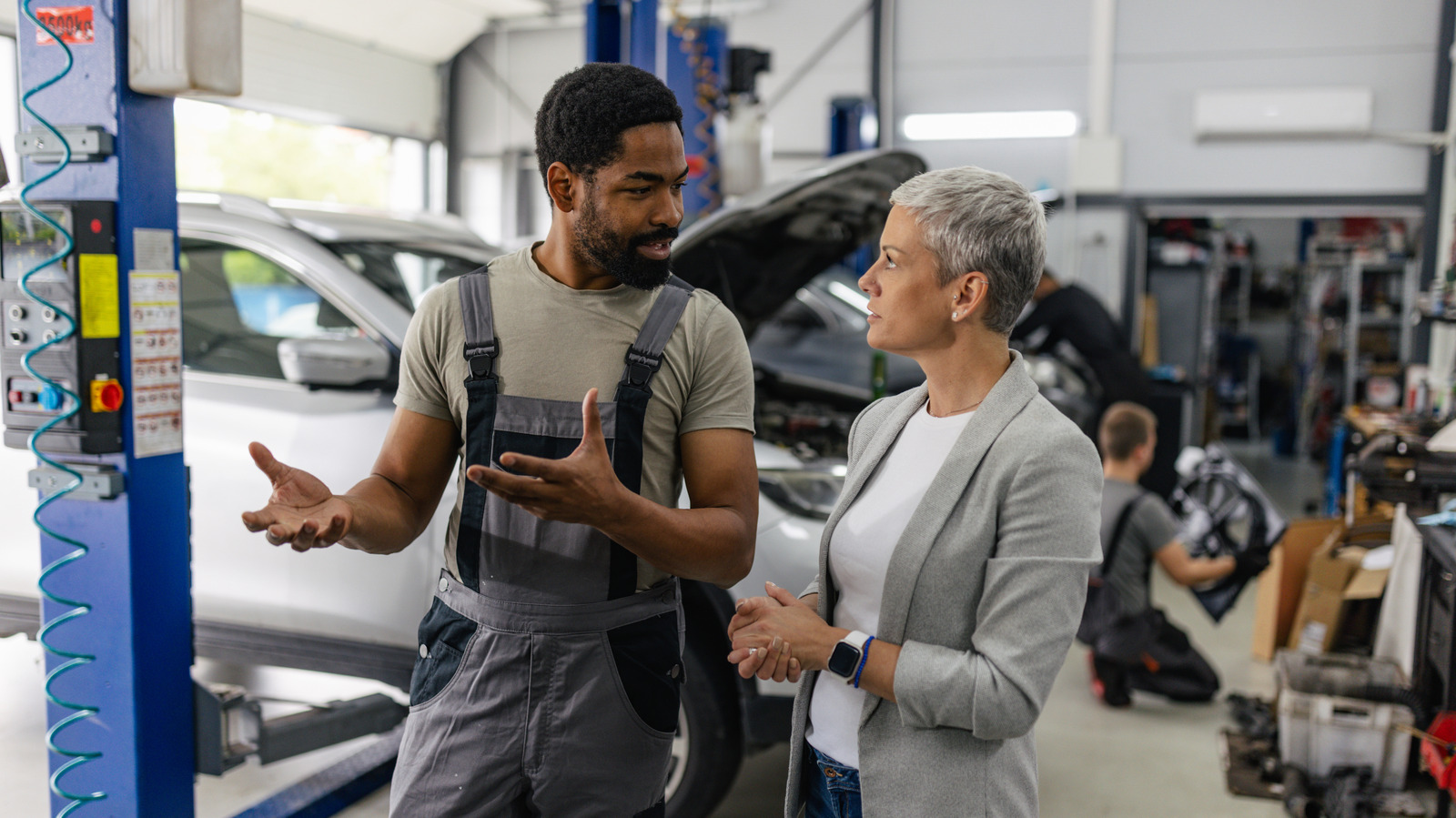
If the passenger-side bulb burns out today, the driver-side bulb is statistically likely to be on the verge of failure. By replacing only the dead unit, you are essentially guaranteeing a return trip to the mechanic—or a second DIY session—within a few weeks or months.
Legal and Practical Implications
Beyond the inconvenience, driving with one headlight is illegal in all 50 states. Law enforcement agencies treat this as a safety hazard; a "fix-it" ticket requires you to prove the repair, wasting your time and potentially subjecting you to unnecessary fines. Furthermore, bulbs dim as they age. Installing one brand-new, ultra-bright bulb alongside an older, dimmer one creates an uneven light pattern. This "cyclops" effect not only reduces your field of vision but can also be distracting and disorienting to oncoming traffic, potentially increasing the risk of glare-related incidents.
2. Tires: The Foundation of Vehicle Stability
When a tire blows out or wears thin, it is one of the most disruptive and expensive maintenance events a driver faces. With costs often exceeding $200 per tire, the desire to purchase only the specific tire that failed is strong. However, tires are the only point of contact between your vehicle and the road, making them the most critical safety component on this list.
The Dynamics of Tread Depth
The primary reason for pairing tires is the maintenance of vehicle dynamics. If your tires have significantly different tread depths, they will rotate at slightly different speeds. In vehicles equipped with sophisticated Traction Control Systems (TCS) or Anti-lock Braking Systems (ABS), this discrepancy can confuse the onboard computer, potentially causing the system to engage erroneously or fail to trigger when needed.
For All-Wheel Drive (AWD) vehicles, the requirement for matching tires is even more stringent. Manufacturers often specify that tread depth variance across all four tires must be minimal to prevent damage to the center differential. If you are not replacing all four, you must, at a minimum, pair them by axle.
Best Practices for Replacement
- The Rear-Axle Rule: If you are only buying two new tires, industry standard dictates they should be mounted on the rear axle. This provides superior grip in wet conditions and prevents the vehicle from oversteering or fishtailing.
- Consistency is Key: Always match the brand, size, tread pattern, and speed rating of your existing tires. Mixing tire types—such as placing an aggressive winter tire on one side and a summer touring tire on the other—creates a dangerous instability that can lead to a loss of control during emergency maneuvers.
3. Windshield Wipers: Ensuring Visibility
Wiper blades are perhaps the most overlooked maintenance item, yet they are the most critical during inclement weather. When one blade begins to squeak or leave streaks, it is a clear warning sign from the rubber compounds that they have reached the end of their functional life.
Environmental Degradation
Wiper blades are subjected to the same extreme conditions: harsh UV rays from the sun, freezing temperatures, and the abrasive nature of road salt and debris. Because they are exposed to the same environment simultaneously, it is rare for one blade to be in "good" condition while the other is "failed."
The Cost of Neglect
Many drivers attempt to save money by replacing only the driver-side blade, assuming the passenger-side is "good enough." However, pairing a fresh, flexible blade with a stiff, worn-out one often results in a "skipping" effect. The old blade may drag across the glass, causing the new blade to catch or chatter. Furthermore, you will inevitably have to replace the second blade shortly thereafter. By replacing both at once, you ensure uniform pressure across the windshield, which is essential for maintaining a clear line of sight during heavy rain or snow.
4. Oxygen Sensors: The Invisible Efficiency Experts
Oxygen (O2) sensors are the "silent monitors" of your engine. Located in the exhaust system, these sensors measure the oxygen content in the exhaust gases to help the engine control unit (ECU) maintain an optimal air-to-fuel ratio.
Synchronized Operation
Most modern vehicles utilize multiple O2 sensors: upstream sensors (positioned before the catalytic converter) and downstream sensors (positioned after). These sensors work in tandem to monitor the efficiency of the emissions system. If one upstream sensor fails, it is often a sign that the other is suffering from the same internal degradation or "poisoning" from exhaust contaminants.
Implications of Partial Replacement
Driving with a faulty O2 sensor is not just a nuisance; it can lead to:
- Decreased Fuel Efficiency: A bad sensor can force the engine to run "rich," burning more fuel than necessary.
- Engine Performance Issues: You may notice a rough idle, hesitation during acceleration, or a persistent "Check Engine" light that masks other, potentially more serious, mechanical issues.
- Catalytic Converter Damage: If an O2 sensor sends incorrect data for an extended period, the engine may run at an improper temperature, which can lead to premature failure of your catalytic converter—an exponentially more expensive repair.
By replacing O2 sensors in pairs—specifically matching the upstream or downstream sets—you ensure that the engine receives consistent data, allowing for optimal combustion and long-term exhaust health.
Summary and Expert Recommendations
The common thread among these four categories is the concept of systemic integrity. When a vehicle is designed, parts are calibrated to work in unison. By introducing a "new" variable (a fresh part) into an "old" environment (worn parts), you create an imbalance that the vehicle’s systems must struggle to compensate for.
Financial Perspective
While the upfront cost of replacing two parts instead of one might seem higher, the "total cost of ownership" is actually lower. By pairing replacements, you:
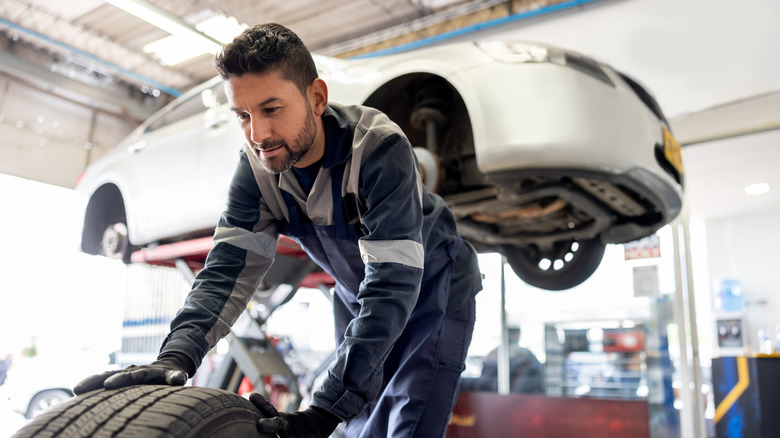
- Reduce Labor Costs: If you are paying a mechanic to remove a bumper to reach a headlight or lift a car to change tires, doing both at once saves you a second round of labor fees.
- Prevent Secondary Damage: Replacing tires or O2 sensors in pairs prevents the degradation of more expensive components like differentials or catalytic converters.
- Enhance Safety: Predictable vehicle handling and clear visibility are worth far more than the savings of a single bulb or wiper blade.
Before your next trip to the auto parts store, consult your vehicle’s owner manual. If you are dealing with components that function in tandem, listen to the experts: invest in the pair. It is the most reliable way to maintain the performance, safety, and longevity of your vehicle.


 Asro
Asro
 Rifan Muazin