

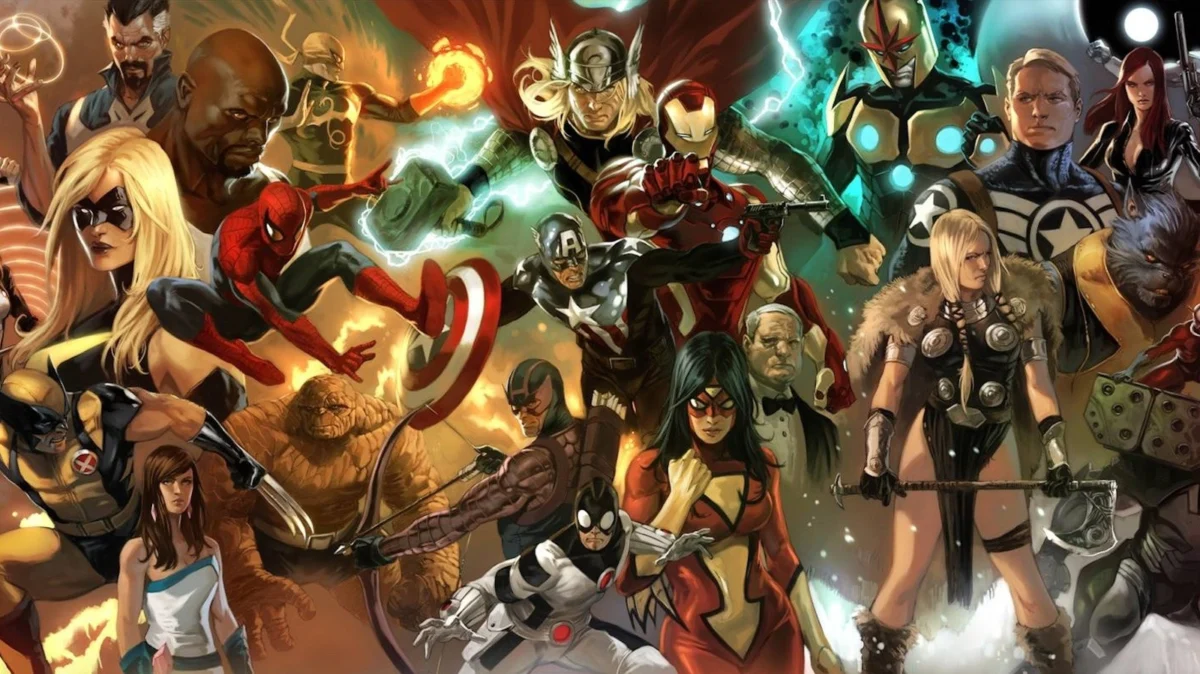
The Marvel Cinematic Universe (MCU) has spent the last several years navigating the sprawling, chaotic, and often high-stakes terrain of the Multiverse Saga. Since the conclusion of the Infinity Saga with Avengers: Endgame, the franchise has transitioned from the tight-knit original six Avengers to a tapestry of new heroes, including Captain Carter, Loki, Shang-Chi, and Yelena Belova. As the studio looks toward the horizon, specifically the climactic events of Avengers: Doomsday and Avengers: Secret Wars, the central question for Marvel Studios president Kevin Feige is no longer just about individual journeys—it is about how the MCU will restructure its ensemble storytelling for the next era.
With the X-Men confirmed to be entering the fray under the guidance of director Jake Schreier and writers Lee Sung Jin and Joanna Calo, the MCU is poised for a significant expansion. To maintain the momentum of the franchise, Marvel must look to its deep bench of comic book super-groups to fill the void and provide the fresh, genre-bending dynamics that audiences crave.
The Chronology of Ensemble Storytelling
Historically, the MCU’s structure has been cyclical. It began with the foundational team-up of the Avengers, expanded into the cosmic opera of the Guardians of the Galaxy, and eventually splintered into the street-level grit of the Defenders. The upcoming phases, post-Secret Wars, represent a "soft reboot" opportunity—a chance to move away from the high-concept multiverse stakes and back to the interpersonal character dynamics that made the early MCU successful.
By introducing teams that serve different narrative functions—ranging from international peacekeeping to street-level investigative work—Marvel can avoid the "superhero fatigue" that often stems from repetitive world-ending stakes.
10 Teams to Define the Next Decade
1. Alpha Flight: The Canadian Vanguard
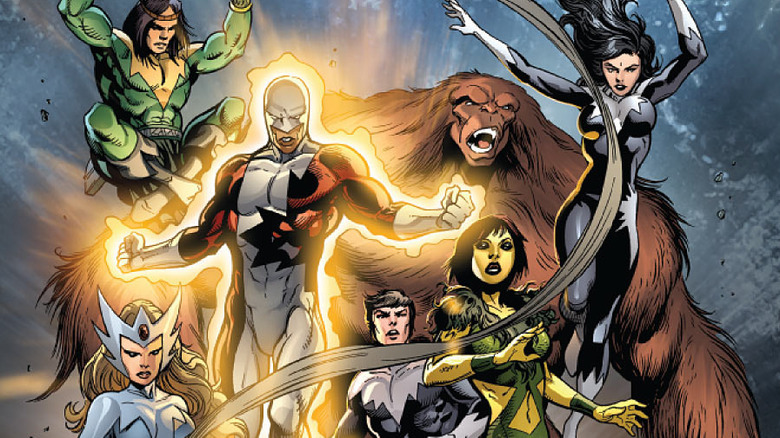
Created by John Byrne in 1979, Alpha Flight was designed to be the northern counterpart to the X-Men. Featuring a roster that includes Guardian, Northstar, Aurora, Shaman, Snowbird, and the powerhouse Sasquatch, this team offers a grounded yet mythical approach to heroism. Filmmaking duo Daniel Kwan and Daniel Scheinert (the "Daniels") have previously expressed interest in projects with "unapologetic political propaganda" regarding climate change. Alpha Flight, with its deep ties to indigenous mythology and the Canadian wilderness, provides the perfect vessel for such a tone.
2. Excalibur: The British Avengers
If the Avengers represent the American spirit, Excalibur is the definitive British super-group. Historically serving as a sanctuary for mutants like Nightcrawler and Shadowcat, this team represents a unique blend of high-fantasy and espionage. With the MCU’s recent flirtations with the supernatural—via Eternals and Black Knight—introducing a team led by Brian Braddock (Captain Britain) and Dane Whitman would tie up loose ends from Chloé Zhao’s 2021 film while providing a sophisticated, UK-centric corner of the universe.
3. The Exiles: Multiversal Nomads
If Secret Wars marks the end of the multiverse, what happens to the variants left behind? The Exiles offer the perfect solution. Similar in concept to DC’s Legends of Tomorrow, the Exiles consist of characters from broken realities who travel to save other worlds. Whether in live-action or as a high-budget animated series, a team led by a character like Blink could serve as a "greatest hits" collection of beloved variants who no longer have a home reality, including Kid Loki or potential versions of Iron Lad.
4. New Warriors: The Comedy Pivot
Marvel has struggled to find its footing in the comedy space since She-Hulk: Attorney at Law. The New Warriors, specifically a version centered on the fan-favorite Squirrel Girl, could bridge this gap. By positioning Doreen Green as a comedic mentor to a group of young, offbeat heroes, Marvel could reclaim the "sitcom-superhero" energy that fans missed when the previous Freeform pilot was scrapped.
5. Agents of Atlas: The Global Powerhouse
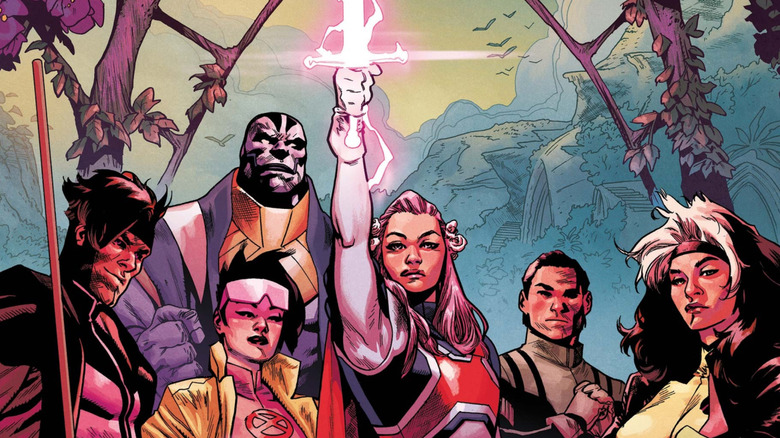
Asia has been a massive market and a source of inspiration for the MCU, as seen in Shang-Chi and the Legend of the Ten Rings. The Agents of Atlas, specifically the 2019 iteration featuring Amadeus Cho, White Fox, and Wave, would allow the MCU to pivot away from American-centric storytelling. With Randall Park’s Jimmy Woo already established as a fan-favorite, the infrastructure is already in place to transition him into a leadership role for an international team of operatives.
6. The Superior Foes: The Underdog Perspective
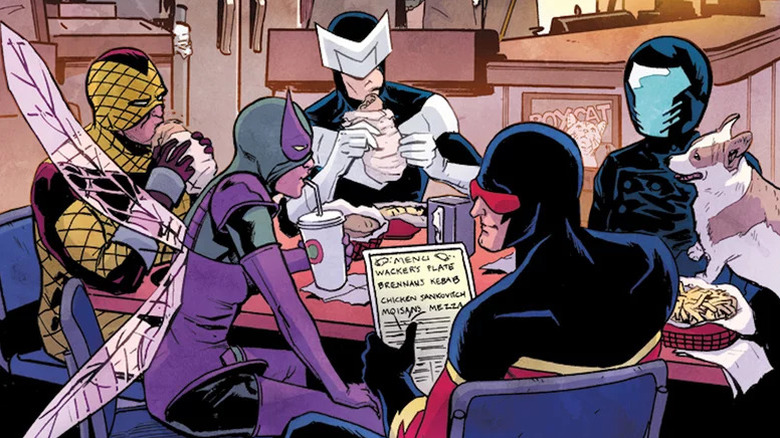
Sony’s Spider-Man universe has often treated villains as stock antagonists, but the Superior Foes comic run proved that a group of "C-list" criminals could carry a brilliant, comedic, and heart-wrenching narrative. A show or film focusing on a dysfunctional group of low-level thugs like Shocker, Boomerang, and Beetle trying—and failing—to be supervillains would offer a refreshing "It’s Always Sunny in Philadelphia" take on the superhero genre.
7. Midnight Sons: The Supernatural Horror
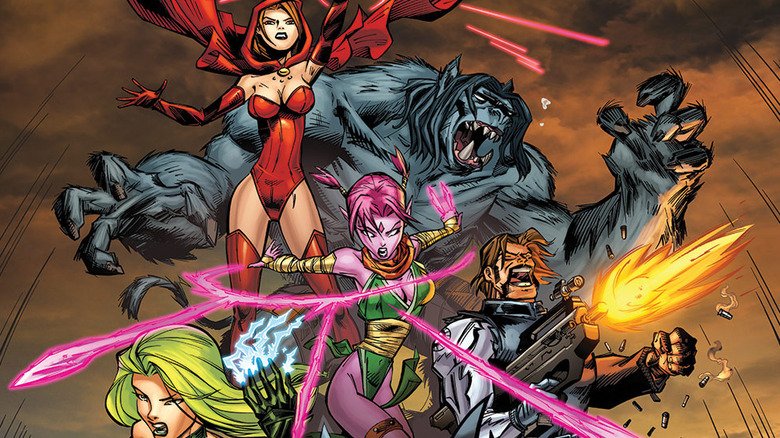
The planned Adventure Into Fear television slate was a major loss for Marvel fans, but the Midnight Sons can salvage those concepts. With Blade, Ghost Rider, Moon Knight, and Agatha Harkness all existing in the current MCU, a supernatural team-up is not just possible—it is necessary. Whether they are battling Lilith or another demonic entity, this team would allow Marvel to embrace the horror genre in a way that Doctor Strange only hinted at.
8. The Thunderbolts: The Real Deal
While the MCU introduced the Thunderbolts (with an asterisk), the comic book version is far more complex: villains posing as heroes to gain public trust. A narrative that focuses on Contessa Valentina Allegra de Fontaine manipulating individuals like Bullseye or Songbird into a black-ops team that pretends to be the "New Avengers" would add a layer of political intrigue and moral ambiguity that the current MCU is currently lacking.
9. Young Avengers: The Youth Movement
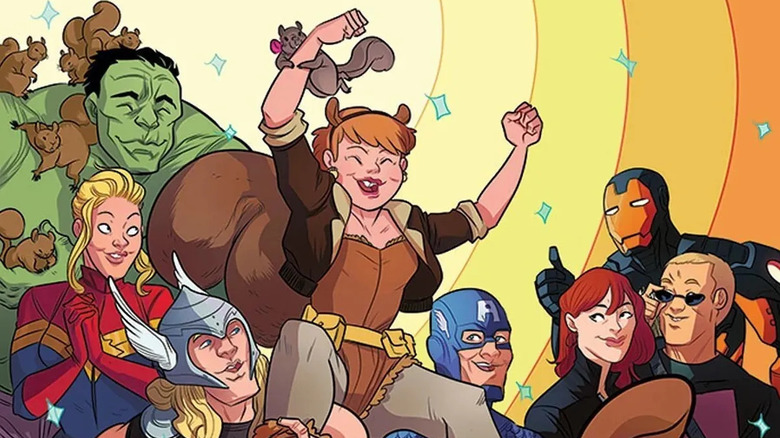
The recruitment of Kate Bishop and the existence of Billy and Tommy Maximoff signal that the Young Avengers are an inevitability. Whether they adopt the name "Champions" or stick to their comic origins, this team represents the future of the MCU. Fans are particularly invested in the romantic arcs, such as the relationship between Wiccan and Hulkling, which would provide the emotional core for a new generation of heroes.
10. Heroes for Hire: The Street-Level Defenders
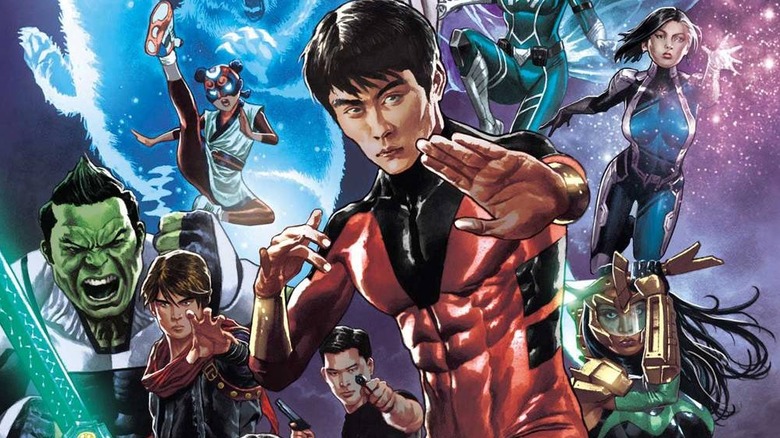
With the impending reunion of the Defenders on Disney+, the transition to a Heroes for Hire model makes perfect sense. As Luke Cage and Jessica Jones balance parenthood with their investigative work, the "Heroes for Hire" brand offers a logical evolution for their characters. It is an opportunity to move past the "superhero" tropes and into the realm of gritty, neighborhood-focused drama, featuring iconic characters like Misty Knight and Iron Fist.
Implications for the MCU
The introduction of these teams signifies a shift in Marvel’s production philosophy. By diversifying their output, the studio can cater to different demographics and genres simultaneously. The "Avengers-only" model is no longer sustainable for a franchise of this scale.
Official and Industry Perspectives
While Marvel Studios has remained tight-lipped regarding specific post-Secret Wars project announcements, Kevin Feige has frequently alluded to the necessity of "grounded" stories following the cosmic scale of the Multiverse Saga. Industry insiders suggest that the pivot to specialized teams—supernatural, street-level, and international—is a strategic move to lower production budgets while increasing the volume of content that resonates with specific sub-communities within the fanbase.
The Road Ahead
As the MCU approaches its next major crossover, the success of the franchise will hinge on its ability to make these teams feel essential. If the Midnight Sons can capture the horror market, and the Superior Foes can capture the comedy market, the MCU will effectively insulate itself against the threat of franchise stagnation. The era of the single, monolithic team is coming to a close; the era of the specialized, character-driven ensemble has just begun.
For the fans, the message is clear: the future of the Marvel Cinematic Universe is as vast and varied as the pages of the comics that inspired it. Whether through the lens of international espionage, supernatural horror, or suburban street-level crime, these ten teams offer the path forward for a franchise that, even after Secret Wars, will continue to evolve.











No comments yet. Be the first to join the conversation!