Lina Hope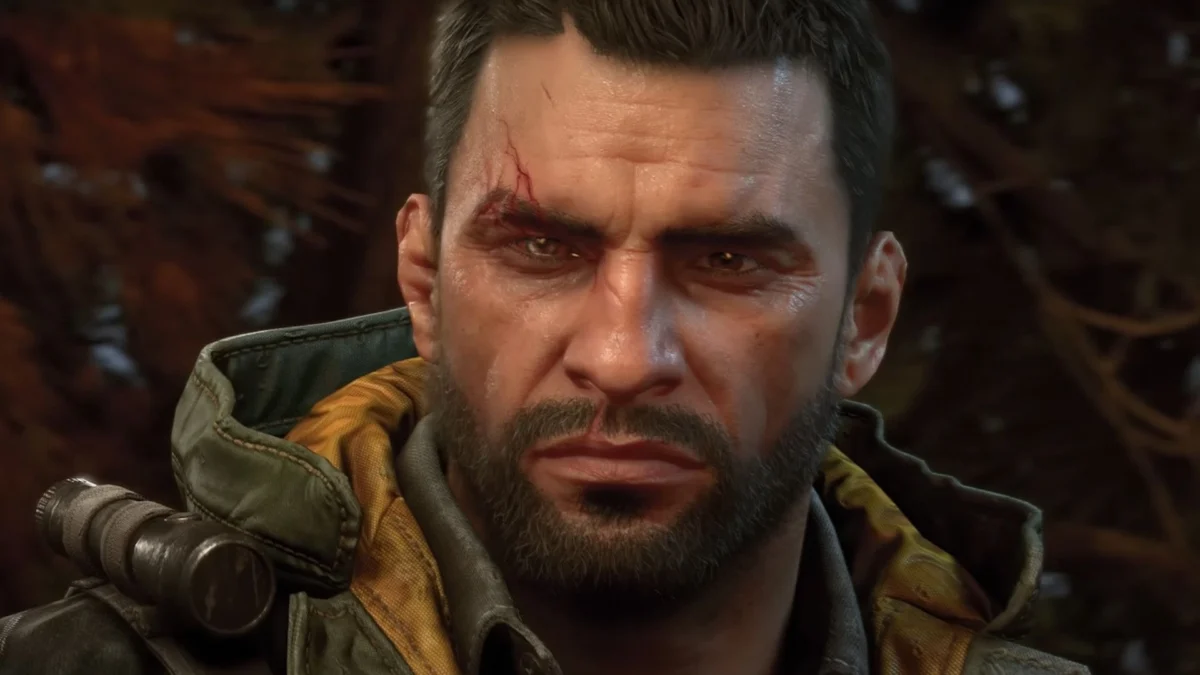
The modern video game industry is often defined by a "release and move on" mentality. For years, the standard AAA lifecycle involved a high-octane marketing blitz, a primary launch, a handful of paid expansions, and a swift transition of the development team toward the next project. However, Techland, the Polish studio behind the breakout hit Dying Light, inadvertently pioneered a different path—one that would see the franchise remain a cultural force despite a seven-year chasm between its original 2015 release and the eventual arrival of its sequel.
According to Tymon Smektala, the former franchise director for Dying Light, the secret to the game’s enduring success wasn’t a master plan etched in stone, but rather a responsive, community-driven evolution that defied industry conventions.
The Genesis of an Unplanned Strategy
During a recent appearance at the Digital Dragons conference, Smektala offered a candid look behind the curtain of Techland’s operations. For the studio, the post-launch roadmap was initially modest—even by the standards of the mid-2010s.
"The team’s original post-launch plan was actually quite limited," Smektala explained. "We wanted to release the game, respond maybe to some potential bugs, and then focus on the release of the two DLCs for that quarter."
At the time, the industry was still grappling with the transition to digital-first distribution and the rising expectations for "live service" elements in traditional single-player titles. Techland’s intent was to fulfill its contractual obligations and shift the talent pool to new projects. Yet, as the game landed in the hands of players, something unexpected happened: the community didn’t just play Dying Light; they lived in it.
The Chronology of Persistence: From 10 in 12 to a Decade of Content
The transition from a standard release to a ten-year support cycle was a phenomenon of "snowballing" interest. As players continued to engage with the parkour-heavy zombie survival sandbox, Techland found itself in a feedback loop.
The "10 in 12" Initiative
The pivotal turning point was the "10 in 12" internal initiative. This ambitious project committed the studio to releasing 10 free DLC content packs within a single calendar year. It was a gamble on player retention, betting that by providing consistent value, the studio could keep the "zombie fever" alive.
"Players are there, they are excited, they are supporting us, they want more of the game, so we did more," Smektala recalled. "The appetite grew, they wanted even more, so we kept going."
The Decade-Long Lifecycle
What began as a one-year experiment evolved into a decade-long commitment. The support for Dying Light became an anomaly in the AAA space. Even as the studio transitioned to other projects, they maintained a dedicated team for the original title. This commitment reached as far as 2023, when Techland released a comprehensive graphics update titled Retouched, ensuring the aging title remained visually competitive for modern hardware.
Supporting Data: Why Free Content Makes Financial Sense
Critics of the "long-tail" support model often point to the high cost of development without a recurring revenue stream like microtransactions. However, Smektala argues that the strategy offers a unique return on investment that traditional models ignore.
1. Hard Drive Real Estate
In an era where console and PC storage is limited, keeping a game installed is a major victory. By consistently adding new modes, weapons, and narrative snippets, Techland ensured that Dying Light remained a "sticky" title. Every time a player booted up their console, Dying Light was there, effectively crowding out competitors.
2. Community Trust as Currency
Trust is the most difficult asset for a developer to earn. By providing high-quality, free content for years, Techland transformed its fanbase into evangelists. This goodwill proved invaluable when the studio announced Dying Light 2: Stay Human. The hype for the sequel wasn’t built on a cinematic trailer alone; it was built on the foundation of ten years of proven reliability.
3. Pricing Longevity
Most AAA games suffer a "price cliff," dropping significantly in value within months of release. Because Techland kept the game relevant and populated, they were able to maintain a higher price point for much longer than the industry average. The game didn’t just sell; it sold consistently at a higher margin, justifying the cost of the updates.
Official Perspectives: The Developer’s Dilemma
Smektala is careful to note that this model is not a panacea for every studio. "Developing free updates with no new source of revenue won’t work for every team," he admits. The financial overhead requires a studio to have the infrastructure to sustain a "maintenance team" while the primary developers move on to new endeavors.
However, his perspective highlights a growing trend in the industry: the death of the "completed" game. In the past, a game was considered "finished" the moment it shipped. Today, Smektala suggests that a game is merely a platform for an ongoing relationship.
"If you can plan the production around this wisely, the game will give back," he states. This philosophy has shifted the internal culture at Techland, forcing them to document their work more meticulously. As Smektala has noted in other forums, failing to properly archive and record development processes makes the creation of sequels infinitely more difficult. By treating the first game as a living, breathing entity, they essentially created a "live documentation" that made the transition to the sequel smoother than it would have been otherwise.
Implications for the Future of AAA Gaming
The legacy of Dying Light serves as a case study for the entire industry. As the cost of developing AAA games reaches astronomical levels, the need for longevity is no longer a luxury—it is a survival requirement.
The Shift from Sales to Engagement
The traditional metric of "units sold at launch" is increasingly being replaced by "daily active users" and "long-term retention." Techland’s model demonstrates that a single, high-quality purchase can provide revenue for a decade if the developer is willing to nurture the community.
The Sustainability of "Free"
While "10 in 12" was free, it served as an indirect marketing engine. By keeping the game in the conversation, Techland avoided the need for massive, recurring marketing spends for the original title. Every update acted as a mini-launch, triggering new waves of interest from streamers, reviewers, and word-of-mouth recommendations.
A New Standard for Sequels
We are seeing the results of this strategy in the current landscape. Players now expect post-launch support as a baseline, not a bonus. Studios that fail to provide updates or clear roadmaps are often viewed with skepticism. Techland has set a bar that requires transparency, consistency, and a deep respect for the player’s time.
Conclusion
The story of Dying Light is one of unintended evolution. What started as a standard post-launch plan for two pieces of DLC transformed into a decade-long partnership between developer and player. By prioritizing community trust and long-term engagement over short-term revenue, Techland not only kept a single franchise alive but secured the future of its studio.
As the industry looks toward the next generation of hardware and software, the lessons from Tymon Smektala are clear: a game is not a product to be sold and forgotten, but a service to be maintained. In the competitive, cutthroat world of triple-A gaming, the developers who win aren’t necessarily the ones with the biggest marketing budget, but the ones who make sure their players never have a reason to uninstall.
Techland’s "long tail" approach proves that if you take care of your game, your game will take care of you. It is a philosophy that has redefined how we think about the lifecycle of digital entertainment, and it will undoubtedly influence the next decade of game development.

 Asep Darmawan
 Nana Wu