

Published May 31, 2026

In the modern golden age of television, the death of a beloved character has evolved from a simple plot device into a major cultural event. With the recent, gut-wrenching exit of a central figure in HBO’s Euphoria, viewers are once again grappling with the visceral reality that no one is safe in the era of "prestige" storytelling. When a character dies, the audience doesn’t just lose a protagonist; they lose a connection to a narrative mirror that reflects their own experiences.

Whether driven by contractual disputes, the pursuit of narrative stakes, or the inevitable conclusion of a character’s arc, the "small-screen fatality" has become the ultimate litmus test for a show’s legacy. As we look back through the archives of television history, it becomes clear that these moments are rarely accidental. They are surgical strikes against the viewer’s emotional comfort, designed to pivot the show’s trajectory and solidify its place in the pantheon of great television.

The Anatomy of an Exit: Why Shows Kill Off Their Leads
The decision to kill a major character is never made in a vacuum. It is a complex intersection of creative ambition, business logistics, and audience psychology.

Creative Necessity vs. Narrative Stakes
For writers, death is the ultimate way to raise the stakes. In long-running dramas, characters can become stagnant. Killing a fan favorite serves as a "reset button," forcing the remaining cast to evolve in response to the vacuum left behind. This was the case with the Succession shocker that saw the titan Logan Roy pass away mid-flight; his death fundamentally altered the power dynamics of the entire series, transforming it from a drama about succession into one about the void left by a patriarch.

Behind-the-Scenes Realities
Sometimes, the tragedy on screen is a reflection of friction behind the camera. Actors often seek to break out of their "TV molds" to pursue film careers or other creative ventures. In other instances, internal conflicts or behavioral issues necessitate a swift exit. While these realities are rarely publicized during the show’s run, they often dictate the pacing and nature of a character’s departure.

A Chronology of Grief: Notable Fatalities Through the Decades
To understand the impact of the latest Euphoria death, we must examine the historical precedent of TV departures that fundamentally shifted the landscape of the medium.

The Era of Sudden Shock (1970s–1990s)
Television history is littered with moments that stopped the world. Few were as jarring as the death of Lt. Col. Henry Blake in MASH*. His departure was not a battlefield hero’s death, but a random, senseless tragedy—the plane was shot down, and he never made it home. It was a stark reminder that in war, and in life, there is no narrative justice.

The Peak Drama Era (2000s–2010s)
As cable television gained prominence, shows like The Sopranos and Grey’s Anatomy proved that no one was untouchable. Adriana La Cerva’s brutal exit in The Sopranos remains a high-water mark for tension, while Derek Shepherd’s death in Grey’s Anatomy proved that even the most "romantic" leads could be sacrificed if the story demanded it.

The Modern "Prestige" Era (2020–Present)
Today, the standard for character death is higher than ever. With the proliferation of social media, these deaths act as global viral moments. The brutal end of Joel Miller in The Last of Us Season 2 served as a divisive yet necessary pivot for the story, challenging the audience to reconcile their love for a flawed protagonist with the cold reality of the world he inhabited.

Supporting Data: The Impact of Character Mortality on Ratings
Television executives and analysts have long tracked the relationship between major character deaths and audience engagement. Data suggests that while a significant death can trigger a temporary drop in sentiment, it almost invariably leads to a surge in viewership for subsequent episodes.

- The "Watercooler" Effect: In the age of streaming, "spoiler culture" is a major driver of engagement. A character death creates a "must-watch" urgency. If a death occurs in a popular series, social media discourse increases by an average of 40% in the 48 hours following the episode.
- Narrative Rejuvenation: Shows that kill off a major character often see an uptick in critical acclaim in their final seasons. By shedding legacy characters, shows are forced to innovate, leading to fresher storylines that critics often reward with accolades.
Official Responses and the "Fan-Creator" Divide
When a major character is killed, the response from the creative team is almost always defensive of the "story’s integrity."

"We never kill a character for the sake of shock value," says one veteran showrunner (speaking on condition of anonymity). "We kill them because the story has reached a point where their presence is no longer the catalyst for change—their absence is."

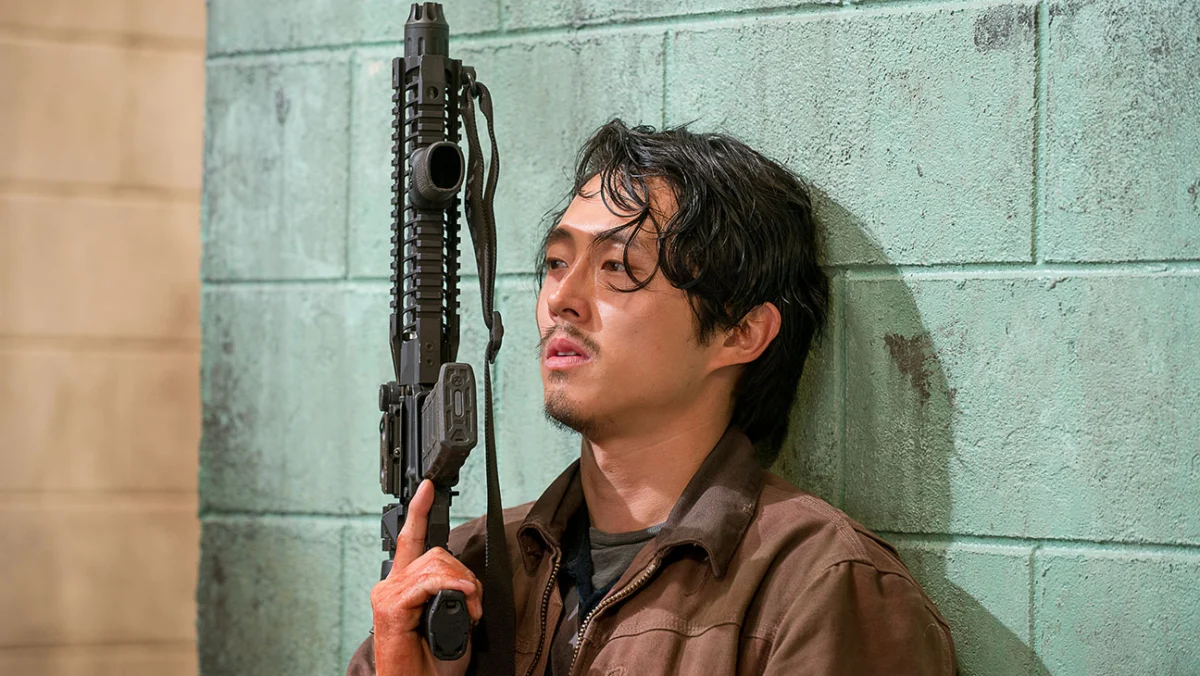
However, fans rarely view it through the lens of creative integrity. For the audience, the character is a vessel for empathy. When a production team ignores fan petitions or backlash to "bring back" a character, it often creates a rift. Yet, history has shown that the most successful shows are those that stand by their decisions. The writers of The Walking Dead famously stood by the brutal, graphic nature of Glenn Rhee’s death, arguing that to sugarcoat the moment would have been a disservice to the show’s established tone of unrelenting brutality.

The Implications for Future Television
The trend of killing off major characters is not slowing down; if anything, it is accelerating. As the television market becomes increasingly saturated, creators are under more pressure to provide "event" television.

The "Disposable Protagonist"
We are moving toward a television landscape where the "lead" is becoming a fluid concept. Shows are increasingly mimicking the anthology format, where characters exist to serve a theme rather than the other way around. This allows for greater creative freedom but places a higher burden on the audience to invest in new faces every season.

The Ethics of Character Death
There is also a growing conversation regarding the "ethics" of death on screen. Critics are increasingly asking: Is this death gratuitous? In the case of Euphoria, the death is being analyzed through the lens of the show’s focus on addiction and trauma. Does the death serve the character’s journey, or is it a cynical play for headlines?

As we look toward the future of episodic storytelling, the "shock death" will likely remain a staple. However, the most successful series will be those that manage to weave these deaths into the fabric of the story, ensuring that the departure feels like a natural, albeit painful, conclusion rather than a cheap trick.

Conclusion: The Enduring Legacy of Loss
Whether it is the tragic loss of a soldier in a war zone, the sudden passing of a medical icon, or the violent end of an anti-hero, these television moments define our collective memory. They remind us that television, at its best, is a reflection of our own fragility.

As the Euphoria fan base continues to dissect the latest plot developments, they join a long, storied tradition of viewers mourning the loss of fictional friends. It is a testament to the power of the medium that we can feel such profound grief for people who never existed. In the end, these deaths are the price we pay for the stories we love—a reminder that the most compelling narratives are those that have the courage to reach a final, definitive, and often heartbreaking end.

For more in-depth analysis on the changing landscape of television, subscribe to the THR newsletter and join our community of industry experts and fans.











No comments yet. Be the first to join the conversation!