


In an era defined by "superhero fatigue," where audiences are increasingly weary of the repetitive cycles of cinematic universes and the predictable beats of blockbuster spectacle, there exists a rare sanctuary for those seeking something genuinely subversive. Doom Patrol, the cult-classic series that blossomed on the DC Universe streaming platform before finding a permanent home on Max, stands as a testament to what happens when creators choose to embrace the bizarre rather than sanitize it for mass appeal.
With an astonishing near-perfect critical reception—maintaining a cumulative Rotten Tomatoes score hovering around 98%—Doom Patrol is not merely a "good" superhero show; it is an experimental masterwork that fundamentally redefined the limits of comic book adaptation. By blending Grant Morrison-esque surrealism with profound, often devastating character studies, the series proved that the most compelling stories aren’t found in the triumph of gods, but in the slow, messy process of human (or semi-human) healing.
The Genesis of the Misfits: A Chronology of Chaos
The journey of Doom Patrol began during a transitional period for Warner Bros.’ digital strategy. Premiering in 2019 alongside shows like Titans, Swamp Thing, and Harley Quinn, Doom Patrol was initially viewed as an outlier. While Titans leaned into the "gritty reboot" aesthetic that dominated the mid-2010s, Doom Patrol opted for something far more idiosyncratic.
The series chronicles the lives of a group of "freaks"—individuals who have been traumatized and physically transformed by catastrophic accidents—living under the tutelage of the mysterious Dr. Niles Caulder (Timothy Dalton). The team includes Cliff Steele (Robotman), Rita Farr (Elasti-Woman), Larry Trainor (Negative Man), and Jane (a woman with 64 distinct personalities, each with its own superpower).
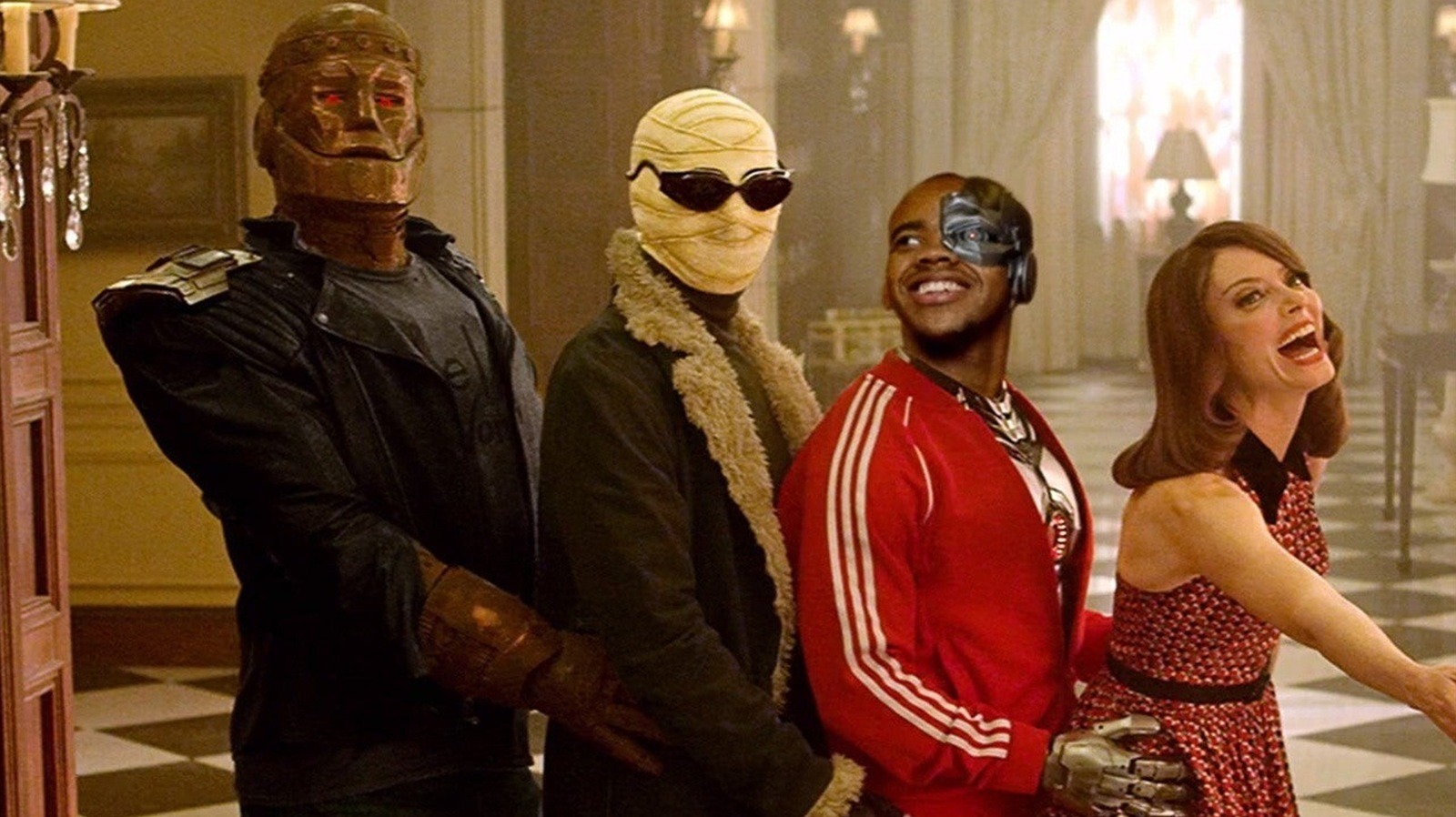
Over its four-season run, the show’s progression was defined by an escalating commitment to its own insanity. Season 1 introduced the world to the team’s internal dysfunction and the central mystery of the Chief’s disappearance. By the time the show reached its conclusion in Season 4, it had moved beyond traditional narrative structures, tackling themes of existential dread, immortality, and the acceptance of one’s own insignificance in a universe that is, quite literally, made of sentient streets and reality-bending butts.
Supporting Data: The Critical Consensus
The longevity of Doom Patrol’s critical success is a statistical anomaly in a genre that often sees sharp drops in quality after a strong freshman outing.
- Season 1: Opened with a robust 96% on Rotten Tomatoes, signaling to critics that this was not a standard DC procedural.
- Seasons 3 and 4: Achieved the "Holy Grail" of television criticism, garnering a 100% approval rating.
Critics consistently praised the show for its refusal to adhere to the "save the world" trope. Instead, the narrative stakes were consistently inverted. In the climax of Season 3, for instance, the battle against the "Brotherhood of Evil" eschewed massive CGI explosions in favor of a surreal, psychological therapy session within the characters’ subconscious. This approach, which mirrors the experimental narrative shifts of anime like Neon Genesis Evangelion, helped the show maintain its high marks by keeping the focus on the internal journey of its protagonists rather than the external threat of the week.
A Study in Small-Scale Superheroes
While the show features world-ending stakes, it operates on a microscopic level. The core of Doom Patrol is the "loser-hero" archetype. These are individuals who have been discarded by society—not just because of their physical deformities, but because they are "broken" in ways that are deeply relatable.
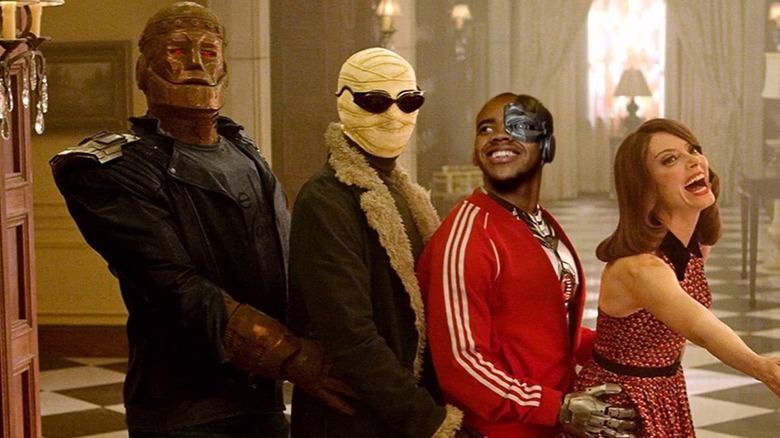
The show excels at depicting the "two steps forward, one step back" nature of personal growth. Unlike traditional heroes who undergo a singular "hero’s journey," the members of the Doom Patrol are constantly backsliding. They are defined by their failures, their trauma, and their inability to fit into the heroic mold established by the Justice League.
In many ways, Doom Patrol serves as the spiritual successor to the X-Men franchise, but with a more cynical, mature edge. It captures the essence of being a social pariah, exploring the idea that powers are not a gift—they are a curse that exacerbates existing emotional wounds. When Larry Trainor (Matt Bomer) sings a cabaret version of Kelly Clarkson’s "People Like Us" on Danny the Street—a sentient, teleporting, genderqueer street—it isn’t just a quirky moment; it is a profound expression of communal identity and self-acceptance.
The Implication of the "Weird": Why the Show Matters
Doom Patrol arrived at a time when the genre was suffering from self-consciousness. Early entries in the Arrowverse seemed apologetic about their comic book roots, often hiding costumes or powers behind pseudo-realistic filters. Doom Patrol, conversely, wore its absurdity like a badge of honor.
The Philosophy of the Bizarre
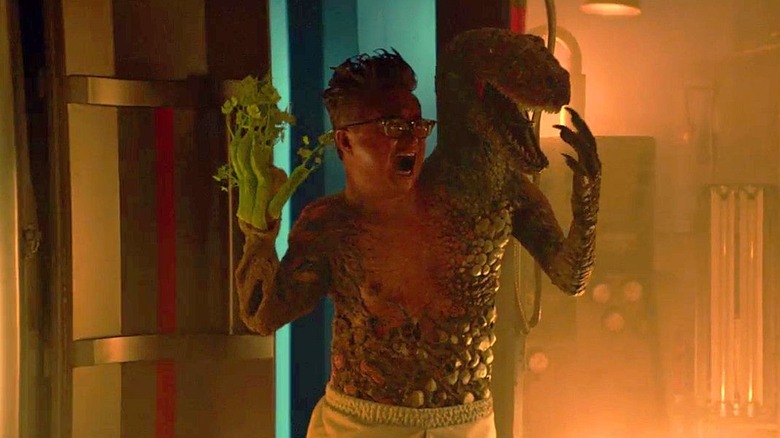
The show’s commitment to the "cuckoo bananas" was not merely for shock value. Whether it was an army of genetically engineered buttocks or a romance between a cockroach and a rat, the weirdness served as a metaphor for the unpredictability of trauma. By normalizing the impossible, the show allowed its characters to exist in a space where they didn’t have to apologize for their existence.
Impact on the Industry
The success of Doom Patrol created a blueprint that other studios began to emulate. Marvel’s Thunderbolts project, for instance, draws heavily from the Doom Patrol model: gathering a group of damaged, cynical misfits and placing them in high-stakes environments that force them to reconcile with their pasts. Even The Boys, while more cynical in its satire, owes a debt to the way Doom Patrol used mature themes—profanity, gore, and adult sexuality—as character development tools rather than mere "edgy" aesthetic choices.
Final Reflections: The Legacy of the Patrol
As the industry pivots toward new phases of storytelling, the legacy of Doom Patrol remains secure. It proved that audiences are not actually tired of superheroes; they are tired of formulaic storytelling. When given a product that treats its audience with intelligence and offers characters who are allowed to be flawed, pathetic, and ultimately, human, viewers respond with overwhelming loyalty.
The Doom Patrol may have disbanded, and the manor may have gone quiet, but the show’s influence is woven into the DNA of the next generation of genre television. It stands as a beacon for creators: if you are going to tell a story about people who can fly or bend metal, make sure they are interesting enough to watch even when they aren’t using their powers. In the end, Doom Patrol taught us that the most heroic thing anyone can do is accept the monster in the mirror—and perhaps, find a friend to sit on the couch with while you watch the world turn.











No comments yet. Be the first to join the conversation!