Suro Senen
When history books recount the legacy of the Nintendo Entertainment System (NES), the conversation often gravitates toward the birth of the console JRPG. Iconic titles like Dragon Warrior and Final Fantasy are frequently credited with bringing the tabletop sensibilities of Gary Gygax—the father of Dungeons & Dragons—to a wider, electronic audience. However, the 8-bit era was far more than a simple exercise in menu-driven combat. It was a creative crucible, a time when developers, unbound by rigid genre definitions, pushed the NES hardware to its absolute limits to craft experiences that defied classification.
From the late 1980s through the early 1990s, the NES played host to a collection of "experimental" RPGs. These titles often blurred the lines between action, adventure, and role-playing, resulting in games that were occasionally flawed but perpetually fascinating. For the modern gamer, these relics offer a unique window into a time when the rules of game design were still being written.

The Evolution of 8-Bit Ambition: A Chronological Overview
The landscape of NES RPGs was defined by rapid iteration. Developers were moving from simple side-scrollers to complex, open-world narratives at a breakneck pace.
- 1987-1988: The shift begins. Titles like Castlevania II: Simon’s Quest move away from pure action, introducing non-linear exploration and day/night cycles.
- 1989: The peak of the movie tie-in experiment. Games like Willow prove that a licensed property could house a complex leveling system and an open world.
- 1990-1991: The experimental zenith. The Magic of Scheherazade and Robin Hood: Prince of Thieves arrive, incorporating everything from turn-based combat to real-time strategic battles.
- 1992: As the 16-bit era dawns, the NES goes out with a bang, exemplified by the ambitious time-travel narrative of Zoda’s Revenge: StarTropics II.
The List: 10 Forgotten Pioneers of the RPG Genre
The following titles represent a departure from the "traditional" RPG formula. While some hit the mark perfectly, others are remembered for their daring attempts to innovate within the confines of the 8-bit CPU.

10. Castlevania II: Simon’s Quest
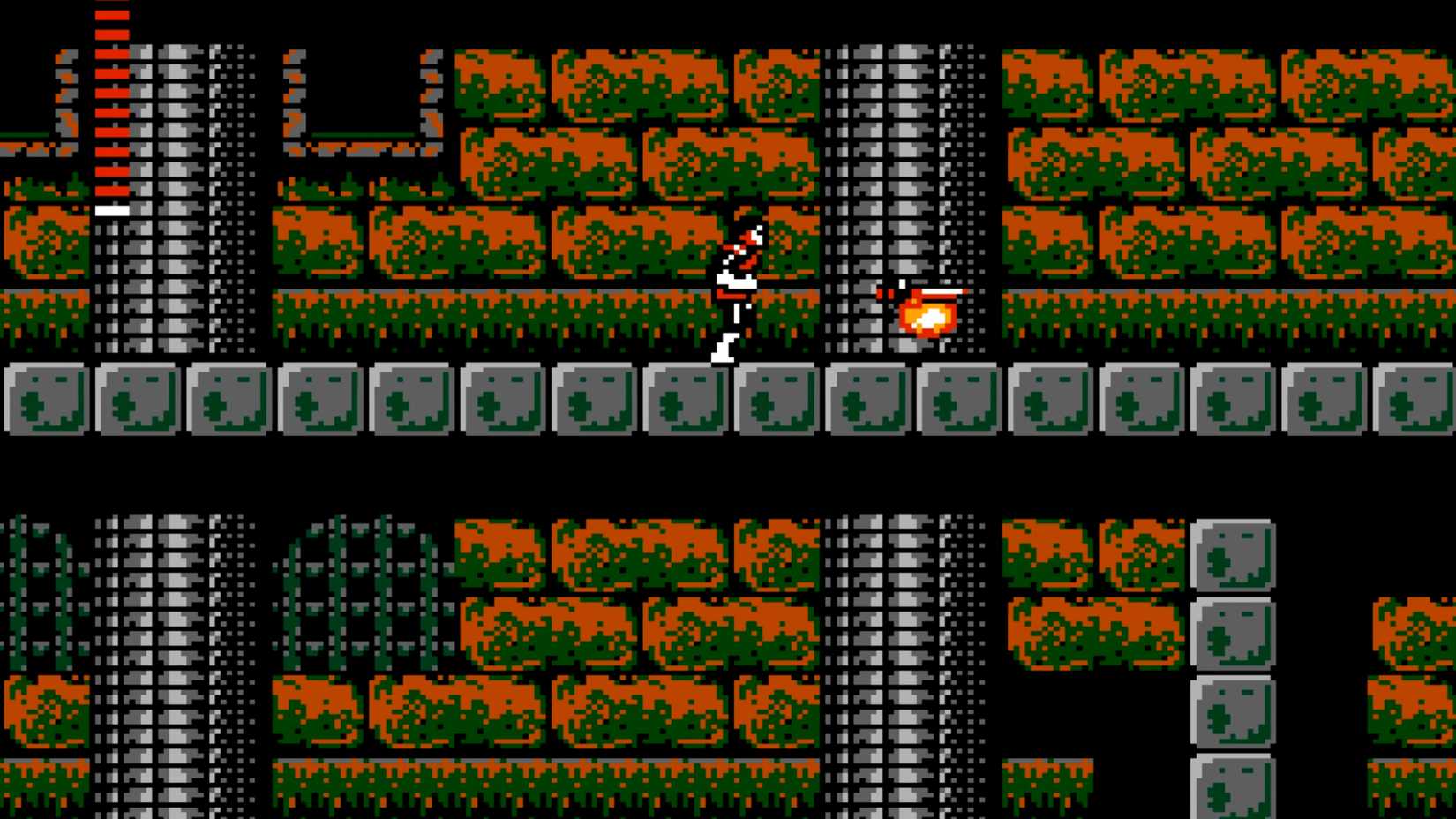
Before the term "Metroidvania" existed, there was Simon’s Quest. By transitioning the whip-cracking action of the original into a non-linear quest involving village interactions, NPCs, and a persistent time-of-day system, Konami created an action-RPG that was decades ahead of its time. It proved that the NES could handle more than just left-to-right progression.
9. Little Ninja Brothers
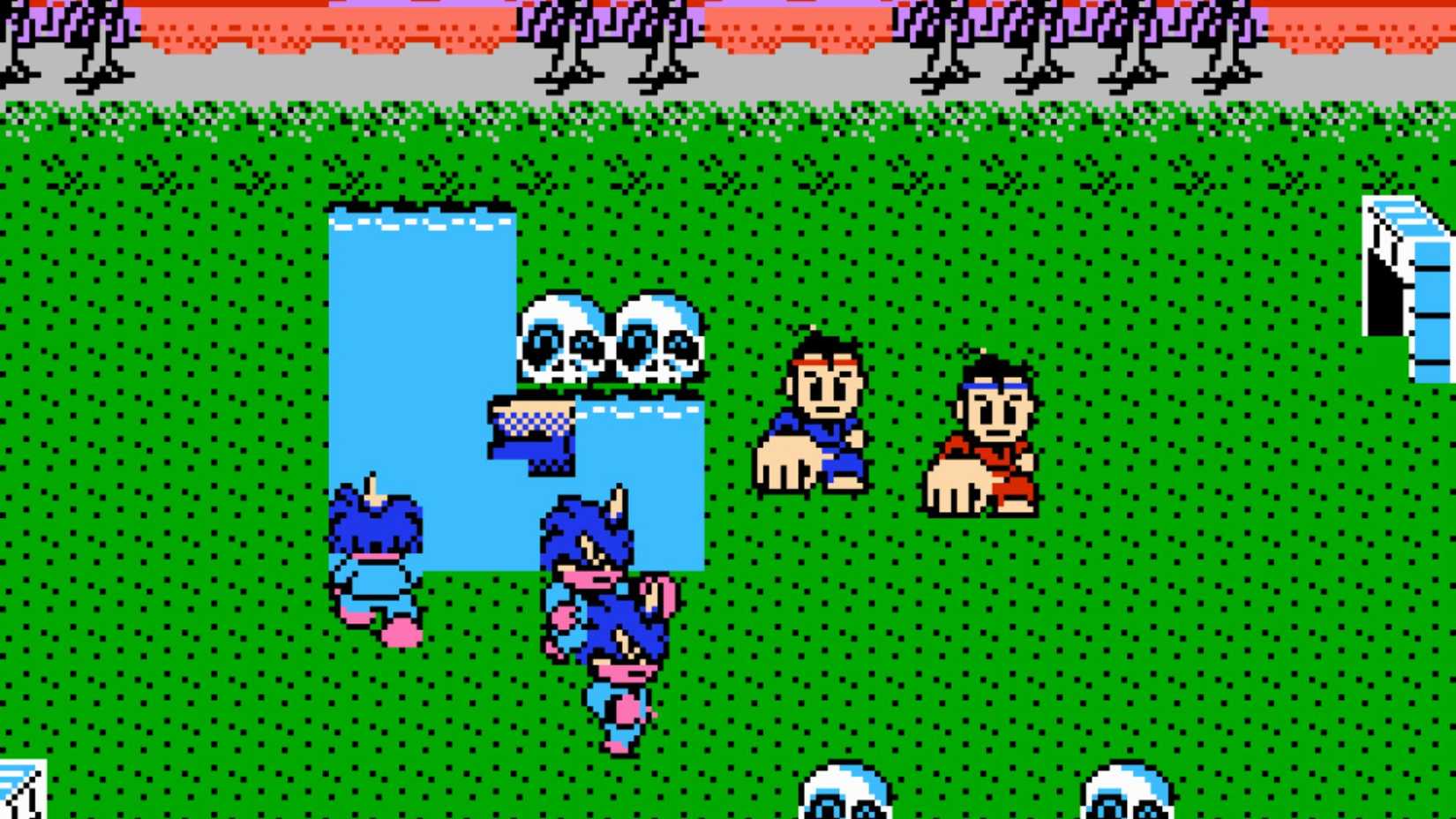
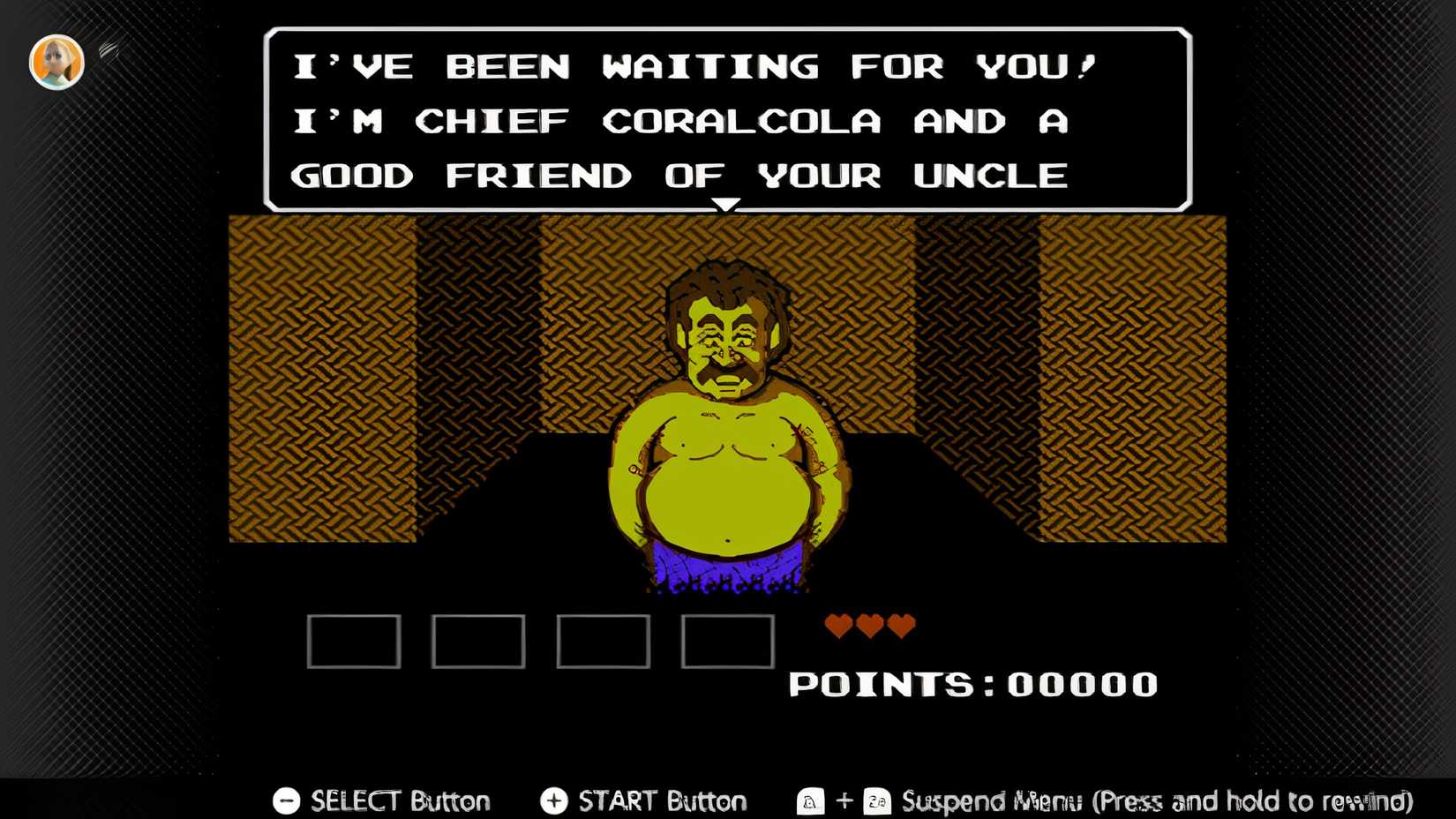
A rare gem from Culture Brain, Little Ninja Brothers combined a top-down open world with beat-em-up combat. Most impressively, it featured a two-player cooperative mode, allowing friends to tackle both the exploration and the turn-based boss battles together—a feature that remains rare even in modern RPGs.
8. The Magic of Scheherazade
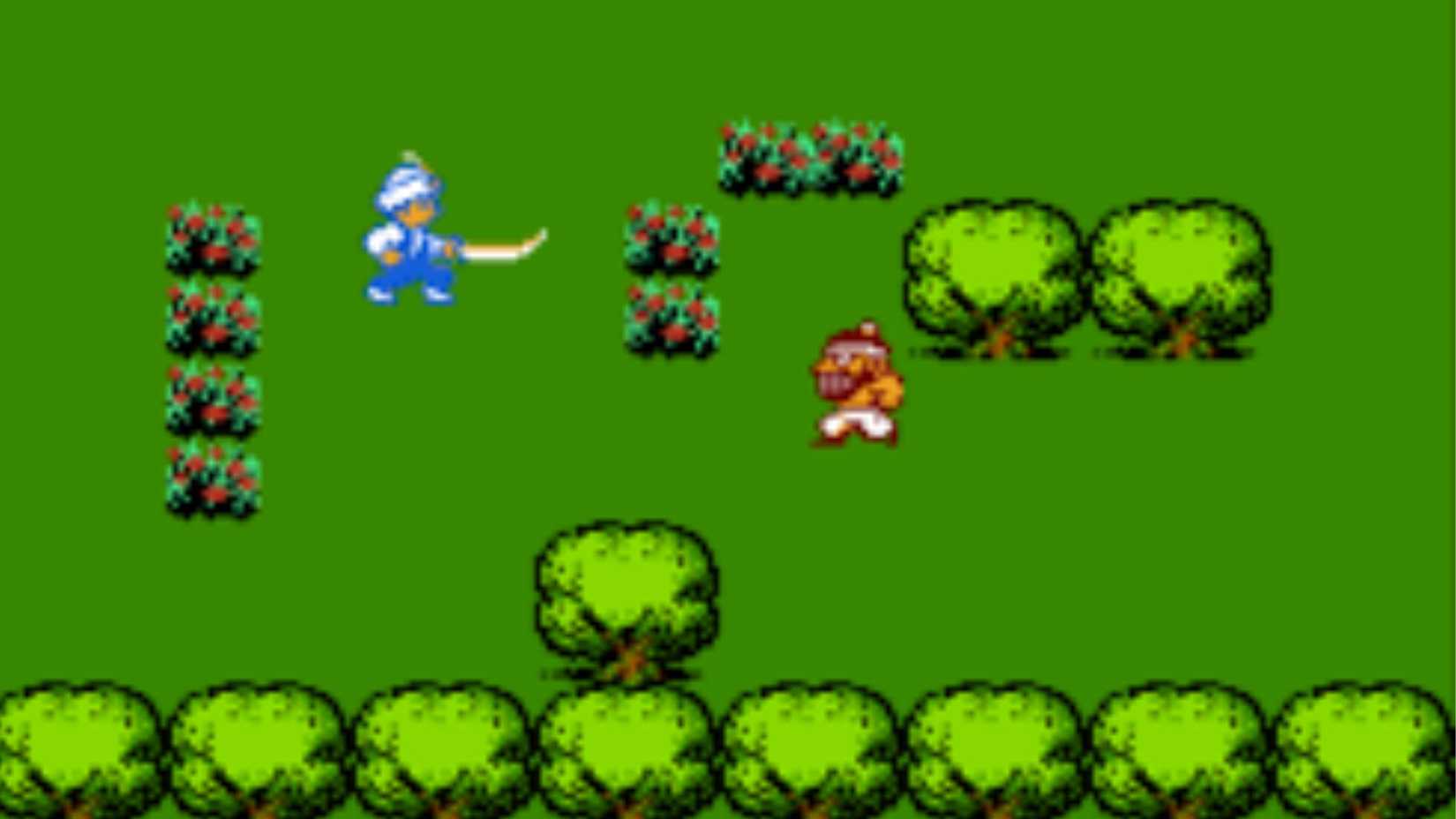
Taking inspiration from The Arabian Nights, this title attempted to fuse the world-traversal of The Legend of Zelda with the strategic depth of Final Fantasy. By allowing players to jump (a rarity for 8-bit RPGs) and choose from three distinct character classes, it offered a level of player agency that few contemporaries matched.
7. Zoda’s Revenge: StarTropics II
Arriving at the twilight of the NES, Zoda’s Revenge is a testament to how far developers had come. It seamlessly blended top-down adventure sequences with dungeon-crawling action. Its time-travel narrative added a layer of complexity to its world-building, cementing its status as one of the most underrated sequels in gaming history.
6. The Battle of Olympus
The Battle of Olympus was essentially a mythological odyssey. By requiring players to visit various deities to acquire equipment and progress, it mimicked the structure of an action-adventure but maintained the high stakes of a traditional RPG. It was a rigorous, challenging, and deeply atmospheric experience.
5. The Goonies II
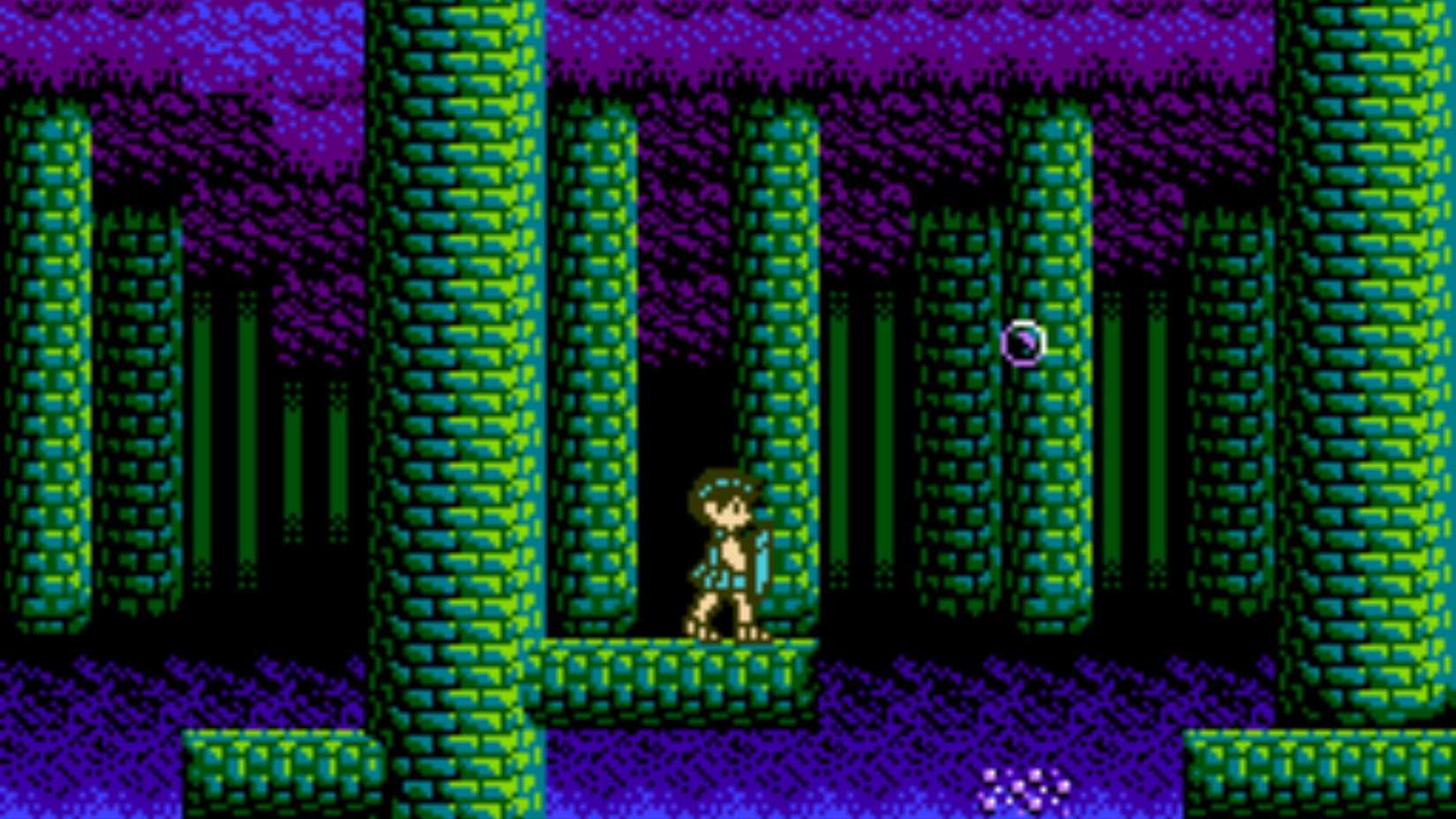
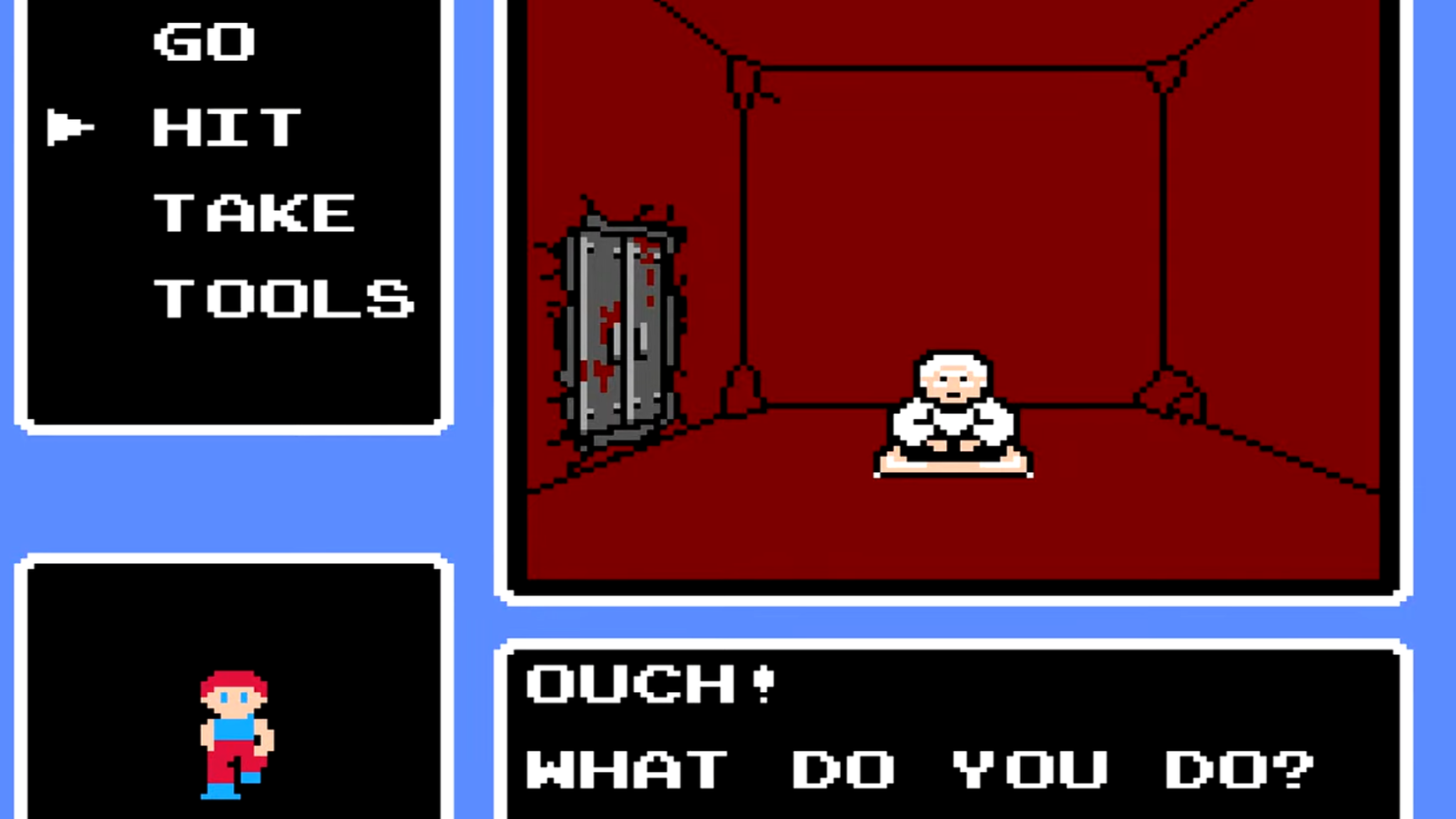
Unlike many movie tie-ins of the era that were notorious "cash grabs," The Goonies II was a design triumph. It mixed first-person dungeon exploration with side-scrolling platforming. The game’s inclusion of an early chiptune version of "The Goonies ‘R’ Good Enough" added to its charm, making it a cult classic that stands far above the standard licensed fare.
4. The Legend of Zelda II: The Adventure of Link
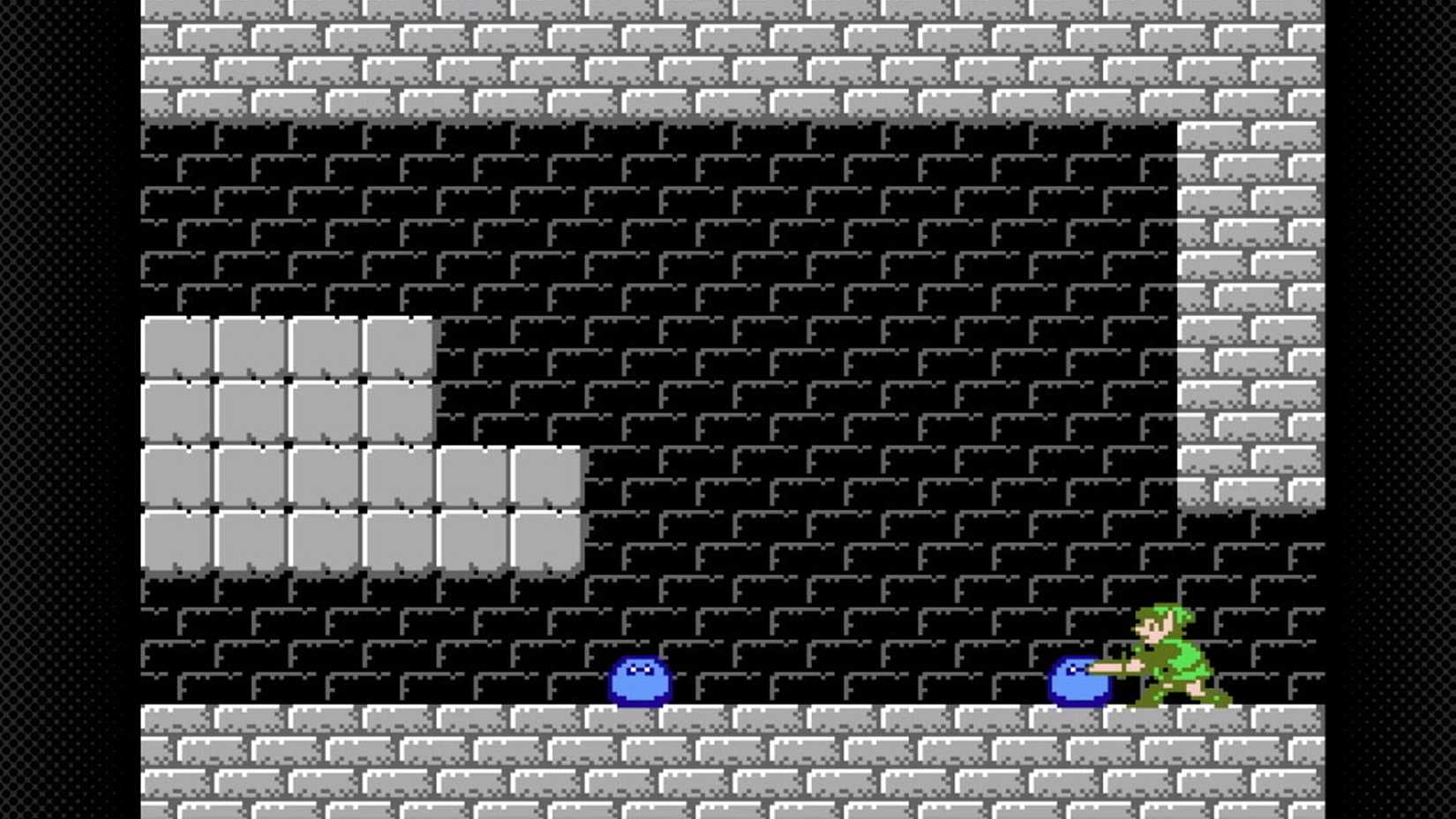
Often cited as the "black sheep" of the series, Zelda II is now viewed with newfound respect. Its decision to split the game into a top-down world map and side-scrolling combat encounters was a massive risk. While it alienated some, its mechanics laid the groundwork for future action-RPGs, demonstrating that Nintendo was willing to reinvent its most successful franchise.
3. Ultima: Exodus
Ultima: Exodus brought the complex, party-based systems of PC gaming to the living room. By allowing players to assemble a custom party based on D&D archetypes, it brought a tactile sense of role-playing to the console. It remains a masterclass in how to condense PC-level depth into the limited memory of an NES cartridge.
2. Willow
Capcom’s adaptation of Willow remains a high-water mark for movie-based RPGs. By implementing an XP-based leveling system and a sword-mastery progression tree, it felt less like a movie companion and more like a fully realized fantasy simulation. Its depth, coupled with its open-world design, makes it an essential play for any retro enthusiast.
1. Robin Hood: Prince of Thieves
Taking the top spot is Virgin Games’ Robin Hood: Prince of Thieves. This title is a smorgasbord of mechanics: it features top-down exploration, side-scrolling duels, and strategic military command. The ability to manage a party of "Merry Men" with individual equipment loadouts gave it a depth that rivaled early Diablo titles. It is, without a doubt, the most ambitious licensed RPG on the platform.
Supporting Data: Technical Constraints vs. Creative Vision
The "ambition" of these titles was constrained by the technical realities of the NES hardware. With only 2KB of work RAM and a resolution of 256×240 pixels, developers had to be incredibly efficient.
| Feature | Typical 1980s Game | The Experimental RPGs |
|---|---|---|
| World Map | Linear / Stage-based | Large, persistent overworlds |
| Character Progression | None (Static) | XP, Leveling, Skill Trees |
| NPC Interaction | Minimal | Multiple dialogue trees/Quests |
| Combat | Real-time Only | Hybrid (Real-time/Turn-based) |
Official Responses and Industry Legacy
While contemporary reviews for these games were often mixed—due to their difficulty or departure from established norms—retrospective analysis from industry experts has been glowing. Many developers at studios like Capcom and Square (now Square Enix) have cited these experimental titles as the blueprints for their later 16-bit successes.
In a 2026 interview regarding the preservation of retro titles, preservationists noted that these games are "the foundation of modern systemic design." The industry’s shift toward the "Metroidvania" and "Action-RPG" genres in the 2000s owes a debt of gratitude to the failed, yet brave, experiments of the early 90s.
Implications for Modern Gaming
The legacy of these NES titles lies in their refusal to be "safe." Modern gaming is often dominated by predictable sequels and established genre formulas. These 8-bit pioneers serve as a reminder that the most interesting games are often the ones that attempt to bridge two worlds.
When we look at modern titles that blend genres—such as Elden Ring or Hades—we are seeing the evolution of the same impulse that led to The Goonies II or The Magic of Scheherazade. The developers of the 8-bit era did not have the power of modern GPUs or the benefit of decades of design history; they had only their imagination and a set of strict hardware limitations. Yet, they managed to create worlds that still captivate us today.
For players today, revisiting these games is more than just a trip down memory lane—it is a lesson in design philosophy. It teaches us that innovation is not about what the hardware can do, but about what the developer is willing to risk. As we continue to push the boundaries of what video games can be, we would do well to look back at the NES era, not as a primitive beginning, but as a period of unbridled, ambitious, and deeply creative experimentation.


 Jia Lissa
 Azzam Bilal Chamdy