

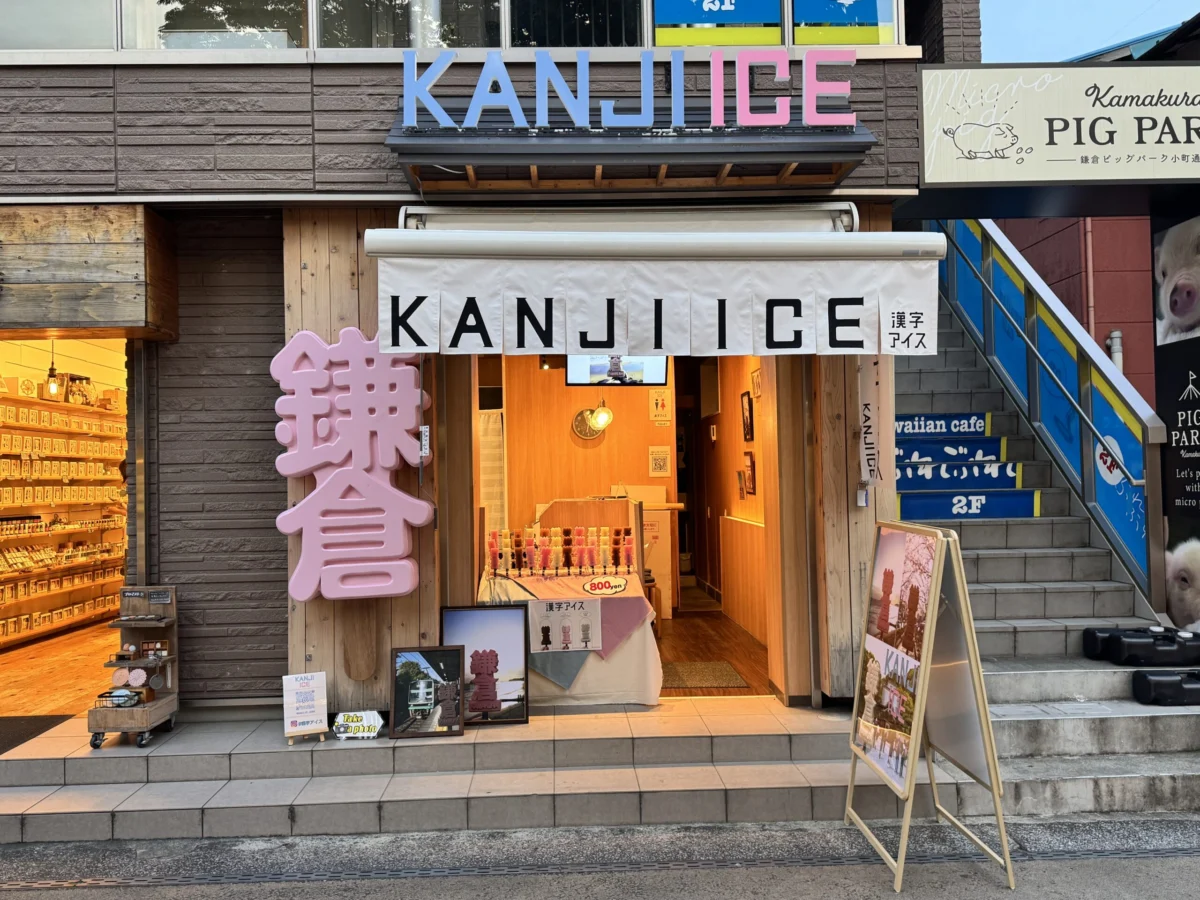
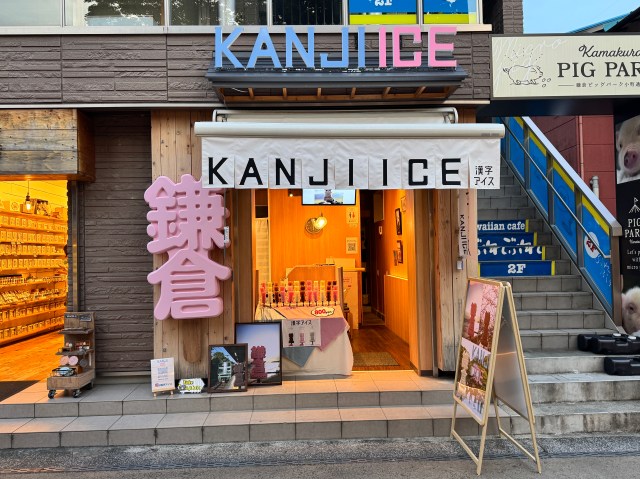
In the historic coastal city of Kamakura, a new culinary phenomenon is turning heads—and melting hearts, or rather, refusing to melt at all. Since its debut on May 1, 2026, "Kanji Ice," a boutique dessert concept, has captivated locals and tourists alike by fusing the artistry of traditional Japanese calligraphy with the precision of cutting-edge food technology. What began as a niche shop in the heart of Kanagawa Prefecture has rapidly evolved into a viral sensation, forcing a re-evaluation of how travelers interact with both Japanese language and local culture.
The Intersection of Tradition and Technology
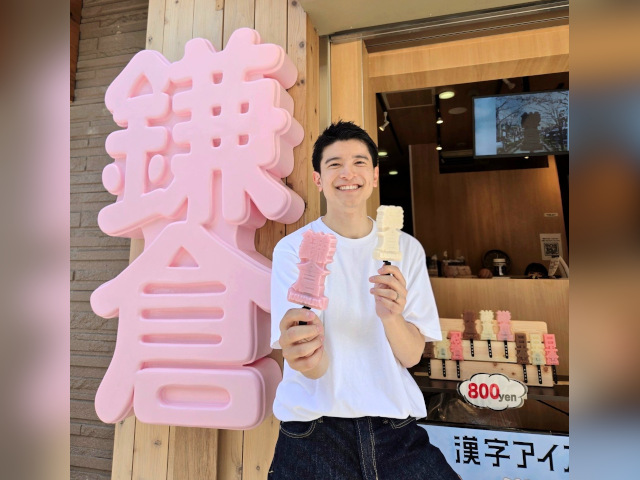
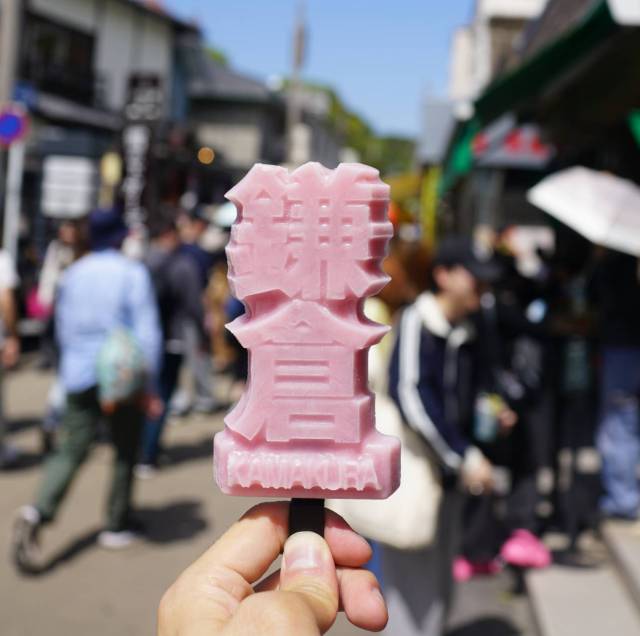
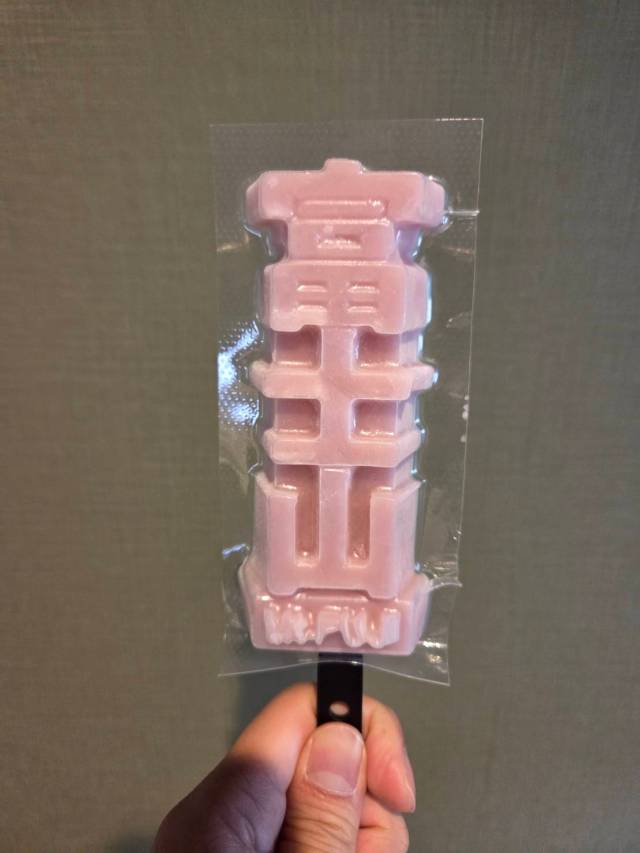
At the core of the Kanji Ice experience is a deceptively simple premise: ice cream molded into the elegant, complex shapes of Japanese characters. The initial lineup features three distinct flavors—Crunchy Rich Chocolate, Crispy Strawberry, and Chewy Milk—each meticulously crafted to represent iconic concepts: Kamakura (鎌倉), Japan (日本), and Ninja (忍者).
However, the true marvel lies not just in the aesthetic, but in the engineering. The product utilizes a proprietary, patented manufacturing technology developed by the Japanese firm Fulllife. This process allows the ice cream to maintain its structural integrity and form at room temperature for up to 30 minutes. By integrating strawberry polyphenols—a natural component known for its ability to stabilize dairy fats and prevent rapid melting—the developers have created a "travel-ready" dessert that serves as both a snack and a photo-worthy souvenir.
Chronology of a Culinary Breakthrough
The trajectory of Kanji Ice has been defined by rapid expansion and overwhelming public reception.
- Pre-Opening Phase (April 2026): Anticipation builds in the historic district of Kamakura as signage appears for a new shop promising "edible characters."
- The May 1st Launch: The store officially opens its doors just days before the start of "Golden Week," Japan’s most significant period for domestic travel. The timing proves to be a strategic masterstroke.
- The Golden Week Surge (May 3–6, 2026): Demand far outstrips the shop’s initial production capacity. By the midpoint of the holiday, the store experiences a total sell-out of inventory, signaling to the owners that they have hit upon a significant market gap.
- Expansion Phase (Mid-May 2026): Following the initial success, the brand begins a rapid rollout of pop-up locations and distribution points. The ice cream appears at the Sanga Stadium in Kyoto, JR Shin-Fuji Station in Shizuoka, and the Fuji Shibazakura Festival in Yamanashi.
- Customization Era (Present): The brand pivots toward B2B services, offering bespoke character molds for corporate and private events, such as the recent "Gateway Tech" activation at Takanawa Gateway City in Tokyo.
Supporting Data: Why "Unmeltable" Matters
The success of Kanji Ice is not merely a result of clever branding; it is a response to the specific logistical challenges of Japanese tourism. In a climate that can become stiflingly humid during the summer months, the ability to carry a dessert through a tourist site without it turning into a liquid mess is a competitive advantage.
From a data perspective, the "no-melt" factor serves as a "social media multiplier." Because the product remains pristine, customers are significantly more likely to photograph their ice cream against the backdrop of temples, shrines, or scenic vistas. This creates a feedback loop of organic marketing on platforms like Instagram and TikTok, where the visual appeal of the kanji characters—coupled with their ability to survive the walk between landmarks—makes them the perfect "content creator’s snack."
Furthermore, the expansion into transit hubs like JR Shin-Fuji station suggests that the brand is targeting the "omiyage" (souvenir) market. Travelers who previously might have bypassed dairy products due to travel time constraints are now viewing the product as a viable purchase.
Official Perspectives: The Philosophy of the Mold
While the company remains in the process of finalizing a joint patent application with Fulllife for the specific "Kanji Ice" production method, the stakeholders have been vocal about their mission. The objective is not just to sell frozen dairy, but to make the intimidating nature of the Japanese writing system more approachable.
By gamifying the language, the store creates a low-stakes, high-reward environment for foreign visitors. "It is a fun new way to learn kanji… and reward yourself for it at the same time," the operators noted in their initial press release. By transforming abstract strokes into a tangible, delicious reward, they are effectively lowering the barrier to entry for cultural literacy.
The customization aspect, meanwhile, has opened doors to the corporate sector. By producing characters for business entities like Takanawa Gateway City, the company has demonstrated that their technology is scalable and adaptable, moving beyond the "souvenir" box and into the world of brand identity and event marketing.
Implications for the Japanese Food Landscape
The rise of Kanji Ice signals a broader trend in the Japanese food industry: the "experience-first" dessert. In a market saturated with high-quality convenience store sweets and artisanal patisseries, standing out requires more than just high-quality ingredients; it requires a narrative.
1. The Death of the "Melting" Constraint
The success of this non-melting technology challenges the traditional definition of ice cream. If a product can stay solid for 30 minutes at room temperature, it allows for a shift in consumer behavior. Tourists no longer have to stand near a trash can or a shop entrance to finish their dessert; they can walk, explore, and enjoy, turning the ice cream into an accessory for their day.
2. Cultural Literacy through Gastronomy
The "Kanji" component is perhaps the most clever aspect of the business model. Japan has long struggled with balancing the promotion of its complex language with the need for accessibility for international tourists. By turning characters into objects, the shop makes the Japanese language something to be "consumed" literally. This pedagogical approach to snacks could very well be adopted by other regional tourist boards looking to promote their own local kanji or historical symbols.
3. The Future of Customized Consumption
The ability to produce custom molds on demand for business events at places like Takanawa Gateway City suggests that the company is aiming to be a fixture in corporate hospitality. Imagine a world where corporate gifts are not just branded pens or stationary, but edible, structurally sound, and highly personalized sweets. This represents a significant pivot from the retail B2C model to a B2B service model.
Conclusion: A Lesson in Frozen Innovation
As the summer of 2026 approaches, the outlook for Kanji Ice remains bright. They have successfully bridged the gap between a kitschy tourist trap and a genuine piece of food-tech innovation. By acknowledging the power of the "shareable" moment and addressing the physical limitations of their product, they have secured a place in the competitive landscape of Japanese sweets.
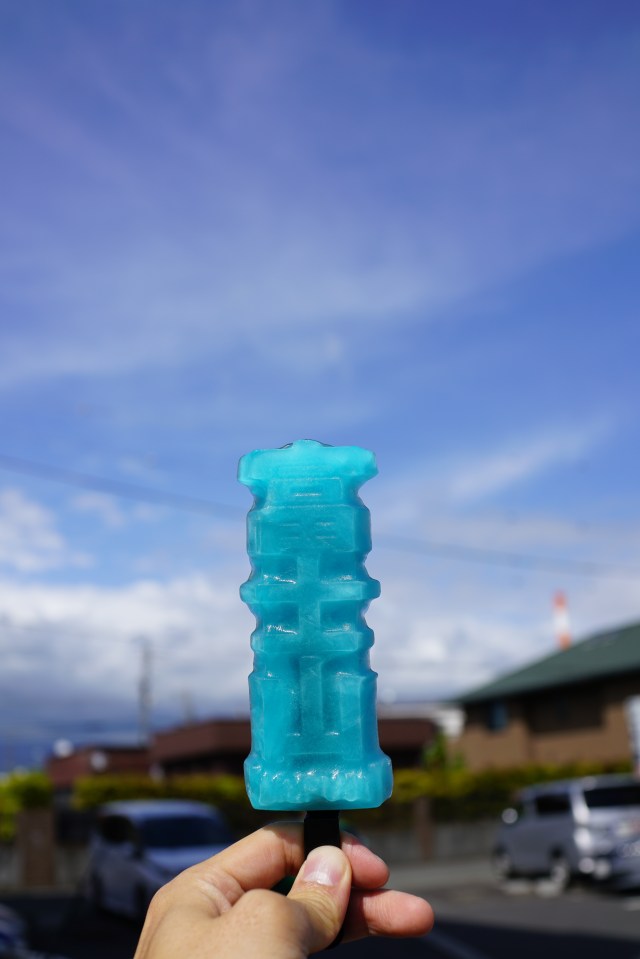
For those planning to visit Japan, keep a watchful eye on the local kiosks. You might find a "Mt. Fuji" ice cream waiting for you in Shizuoka or a "Ninja" treat in the streets of Kamakura. Just remember: it may look like a piece of art, and it may refuse to melt, but it is, at the end of the day, a treat meant to be savored.
Store Information
For those wishing to witness the fusion of calligraphy and confection firsthand, the flagship store is located in the heart of Kamakura’s tourist district:
- Name: Kanji Ice Cream (漢字アイス)
- Address: 1-6-4 Yukinoshita, Kamakura-shi, Kanagawa-ken
- Operating Hours: 11:00 a.m. – 5:30 p.m. daily
Whether you are a student of the Japanese language, a fan of innovative food science, or simply a traveler looking for the perfect photo opportunity, Kanji Ice offers a unique, if slightly rigid, taste of Japan.












No comments yet. Be the first to join the conversation!