Ammar Sabilarrohman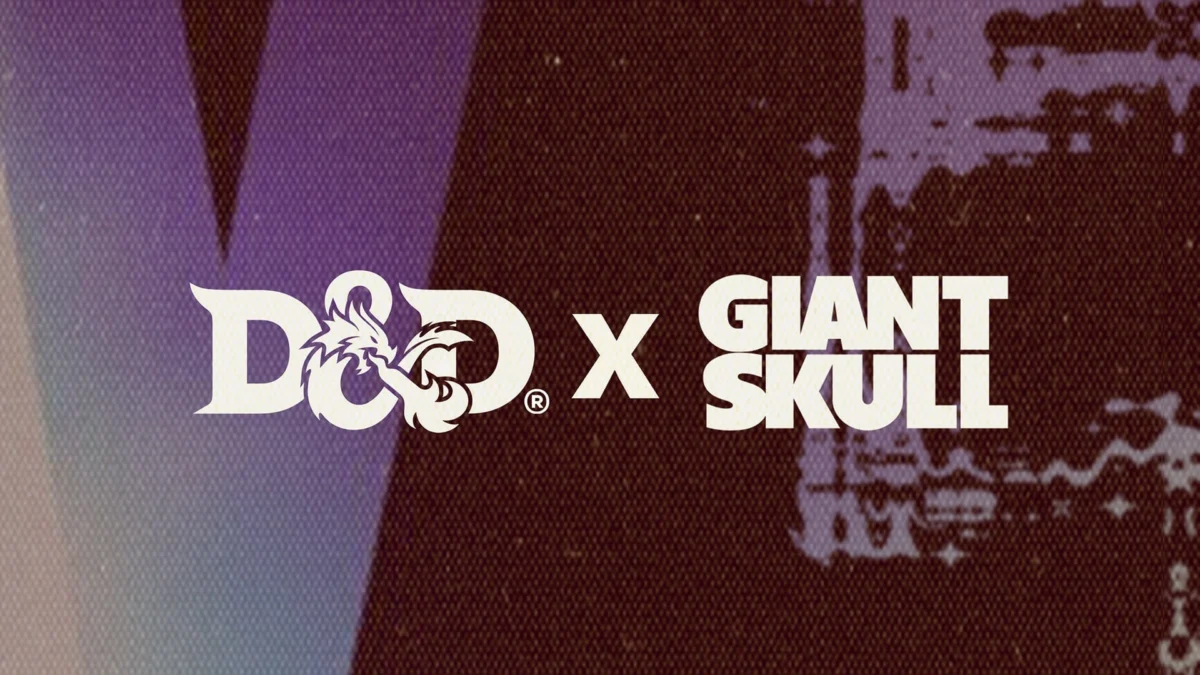
In a significant development for the gaming industry, Wizards of the Coast—a subsidiary of Hasbro—has officially terminated its publishing agreement with Giant Skull, the independent studio founded by Star Wars Jedi series director Stig Asmussen. The move results in the immediate cancellation of an untitled, high-profile action-adventure project set within the expansive Dungeons & Dragons (D&D) universe.
The decision marks a pivot in strategy for Wizards of the Coast, reflecting a broader trend of reorganization and risk mitigation within the parent company, Hasbro. While the partnership has ended, both parties have signaled that the professional relationship remains intact, though the immediate future of the project has been brought to a definitive close.
The Chronology of a Failed Partnership
The relationship between Wizards of the Coast and Giant Skull was once heralded as a cornerstone of Hasbro’s effort to modernize the Dungeons & Dragons intellectual property for the digital age.
- January 2024: Stig Asmussen, the visionary director behind EA’s Star Wars Jedi: Fallen Order and Star Wars Jedi: Survivor, announces the formation of Giant Skull. The studio, composed of industry veterans from Respawn Entertainment, sets its sights on building AAA, single-player action-adventure games.
- June 2024: Wizards of the Coast and Giant Skull officially announce an exclusive publishing partnership. At the time, the collaboration was framed as a major investment in the D&D brand, with Asmussen promising a "rich new universe filled with immersive storytelling, heroic combat, and exhilarating traversal."
- Late 2024 – Early 2025: Internal discussions regarding the project’s scope, budget, and alignment with Hasbro’s long-term financial goals begin to intensify.
- May 2026: Following a wider period of corporate restructuring at Hasbro and Wizards of the Coast, reports confirm the cancellation of the project. The decision coincides with the shuttering of internal developer Atomic Arcade, signaling a move toward more conservative development practices.
Supporting Data: Hasbro’s $1 Billion Gaming Bet
To understand the weight of this cancellation, one must look at the financial context surrounding Hasbro’s recent history. In 2024, Hasbro made waves in the industry by announcing a staggering $1 billion investment into internal game development. This "billion-dollar bet" was intended to transform the toy giant into a gaming powerhouse, leveraging iconic properties like Magic: The Gathering and Dungeons & Dragons to capture a larger share of the interactive entertainment market.
However, the gaming industry has faced a turbulent period of contraction. Rising development costs, extended production cycles, and a shift in consumer behavior have forced many publishers—including Hasbro—to audit their portfolios.
The cancellation of the Giant Skull project is part of a larger, systemic shift. While Hasbro is still actively engaged in other projects—such as Exodus by Archetype Studios and Warlock: Dungeons & Dragons by Invoke Studios—the loss of a flagship title from a proven director like Asmussen suggests that Wizards of the Coast is becoming increasingly selective about the projects it greenlights.
Official Responses and Corporate Diplomacy
The language used by both parties following the cancellation has been carefully curated to protect future business interests and individual reputations.
A spokesperson for Hasbro released a statement acknowledging the end of the project while attempting to maintain a bridge for future collaboration: "We decided not to pursue an early concept from Giant Skull, but we have great respect for Stig Asmussen and his team and value our ongoing relationship."
The statement further clarified that the door remains open for future proposals, indicating that the termination was specific to the "early concept" of this particular game, rather than a total breakdown of the relationship between the two entities.
Stig Asmussen, maintaining a professional front, echoed these sentiments. "Things are good at Giant Skull," Asmussen stated, confirming that the studio is currently in active discussions with Hasbro—as well as other potential publishing partners—regarding future projects. By framing the cancellation as a mutual redirection rather than a failure, Asmussen preserves the studio’s viability in a competitive market.
The Broader Implications for Wizards of the Coast
The cancellation of the Giant Skull D&D title is not an isolated event; it is a symptom of a larger transformation within the organizational structure of Wizards of the Coast.
The End of Internal Development Hubs
The shuttering of Atomic Arcade, the studio behind the G.I. Joe: Snake Eyes project, alongside the loss of the Giant Skull project, points to a pivot away from maintaining large, internal, or exclusive high-risk studios. Wizards of the Coast appears to be consolidating its efforts, focusing on projects that offer the highest degree of confidence regarding budget and market fit.
The "Star Wars" Effect
Stig Asmussen’s pedigree as the architect of the Star Wars Jedi series was expected to be the secret sauce for a D&D action game. His ability to blend narrative-heavy gameplay with fluid combat mechanics made him a prime target for Hasbro’s investment. That such a high-profile pairing failed to reach production suggests that the economic threshold for "greenlighting" a new AAA title has shifted significantly. Even a proven director with a team of industry veterans cannot guarantee a project’s survival if it fails to align with the company’s current, more rigorous financial mandates.
The Future of D&D in Interactive Media
Despite this setback, the D&D brand remains one of the most valuable in the tabletop industry. With the massive success of Baldur’s Gate 3—developed by Larian Studios—the benchmark for what a D&D game can achieve has been raised to an unprecedented level. Hasbro is now faced with a "win or go home" scenario. Titles that do not promise the same level of cultural impact or commercial return as a Baldur’s Gate level title may increasingly find themselves on the chopping block.
Analyzing the Market Climate
The gaming industry is currently in the midst of a "correction." After the rapid expansion seen during the pandemic years, companies are shedding non-core assets and canceling projects that are deemed "pre-revenue" or too far from completion.
For independent studios like Giant Skull, the implications are profound. Relying on a single major publishing agreement with a large conglomerate like Hasbro creates a precarious environment. When the publisher changes its internal strategy, the studio’s primary source of funding can vanish overnight.
However, the fact that Asmussen is already in talks with "other companies" speaks to the resilience of veteran-led teams. In the current climate, studios are increasingly looking for diversified funding models, moving away from exclusive "work-for-hire" arrangements toward models that allow them to retain more creative control and potential equity in their own intellectual properties.
Conclusion: A Pivot, Not an Exit
While the cancellation of the Giant Skull project is a blow to the excitement surrounding the future of D&D, it is not an indicator that Wizards of the Coast is stepping away from the medium. On the contrary, the company is doubling down on a more disciplined, albeit more selective, strategy.
The loss of this title serves as a reminder of the volatility inherent in modern game development. For the fans who were eagerly anticipating an action-adventure journey into the Forgotten Realms, the wait continues. For the industry, the event provides a stark look at the financial realities of a market that is increasingly demanding in its expectations and increasingly cautious in its investments.
As the industry looks ahead, the focus will now shift to how Wizards of the Coast manages its remaining portfolio. With Exodus and Warlock still on the horizon, the path forward for the publisher will be defined by how well these titles perform in a crowded, high-stakes marketplace. As for Giant Skull, the studio remains a key player to watch, as their next partnership—whoever the publisher may be—will likely be shaped by the lessons learned from this transition.

 Dwi Wanna
 Iffa Jayyana