

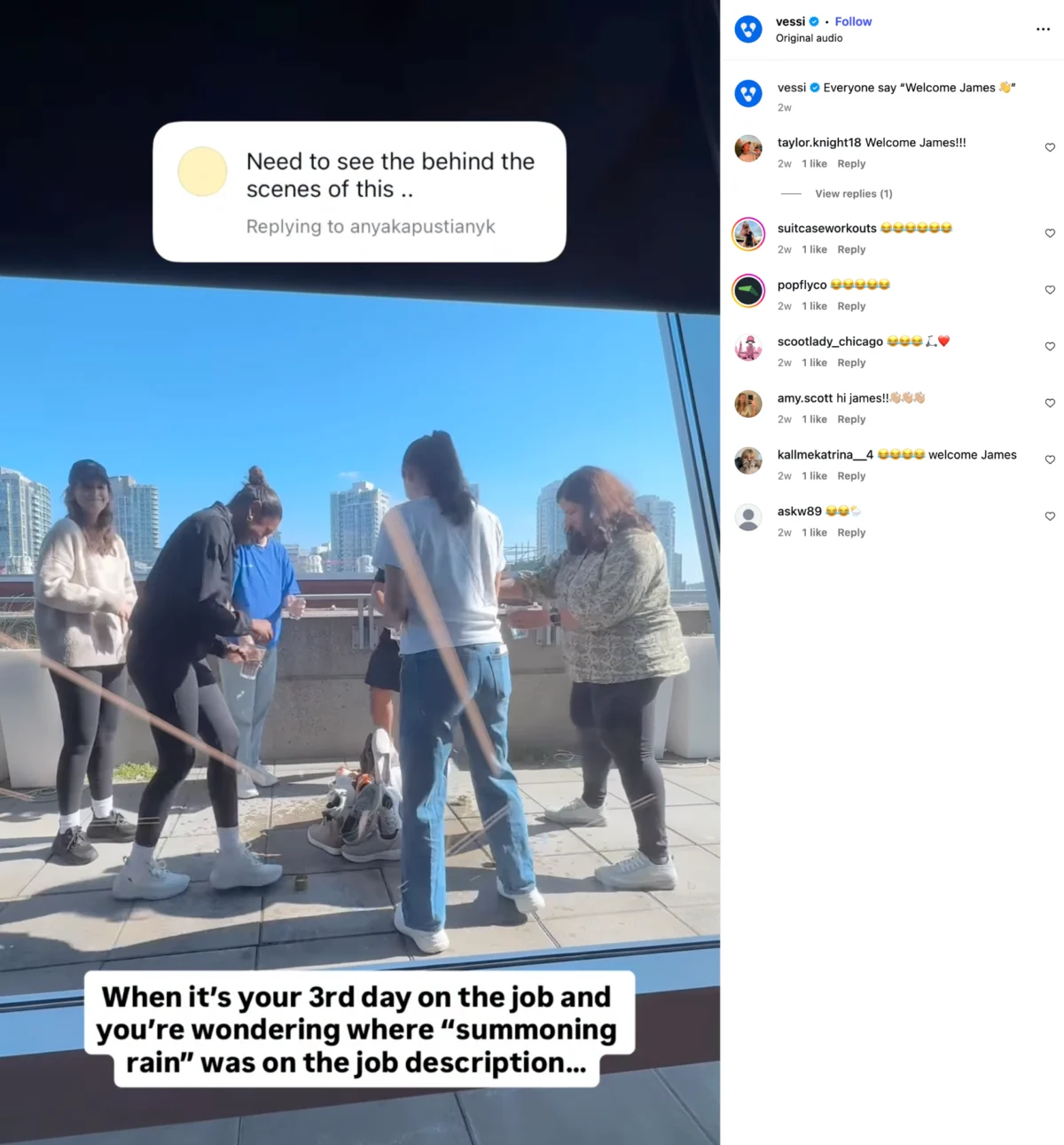
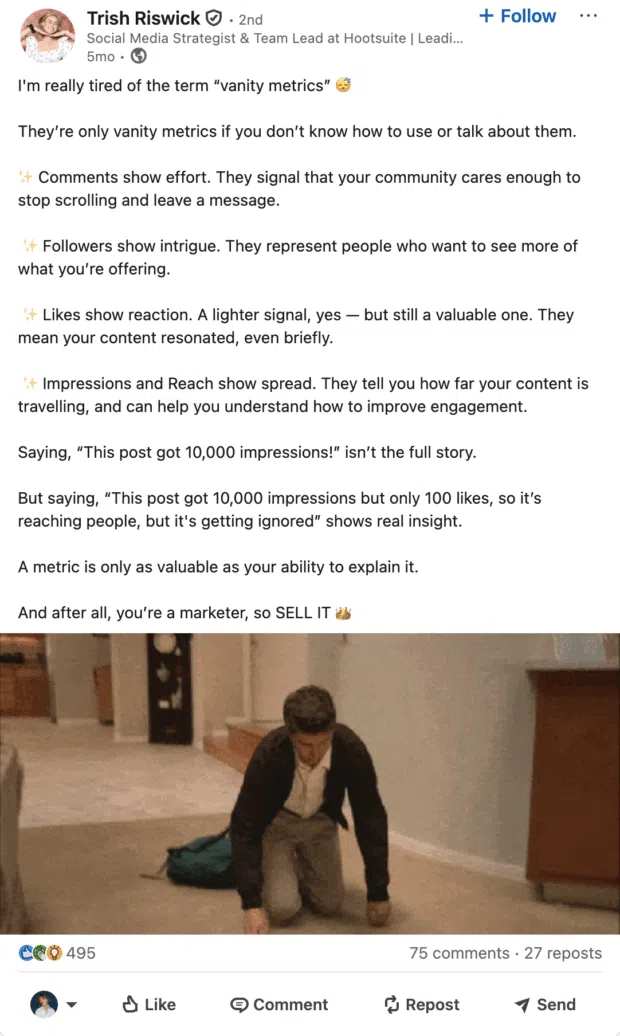
In the hyper-competitive digital landscape of 2026, social media engagement has evolved from a "vanity metric" into the primary heartbeat of business success. It is no longer enough to simply broadcast content to a passive audience; brands must now foster active, two-way conversations to stay relevant. Engagement—the cumulative effect of likes, comments, shares, saves, and direct messages—serves as the ultimate indicator of whether your brand is merely existing on a platform or truly resonating with your community.
As algorithms continue to prioritize content that sparks human connection, understanding how to cultivate, measure, and scale engagement is the defining challenge for modern marketers.

The Anatomy of Engagement: What Truly Matters?
Social media engagement is the quantitative measure of how an audience interacts with your digital footprint. Every interaction acts as a signal to platform algorithms, indicating that your content is valuable enough to be pushed further into the feeds of potential customers.
The Hierarchy of Interactions
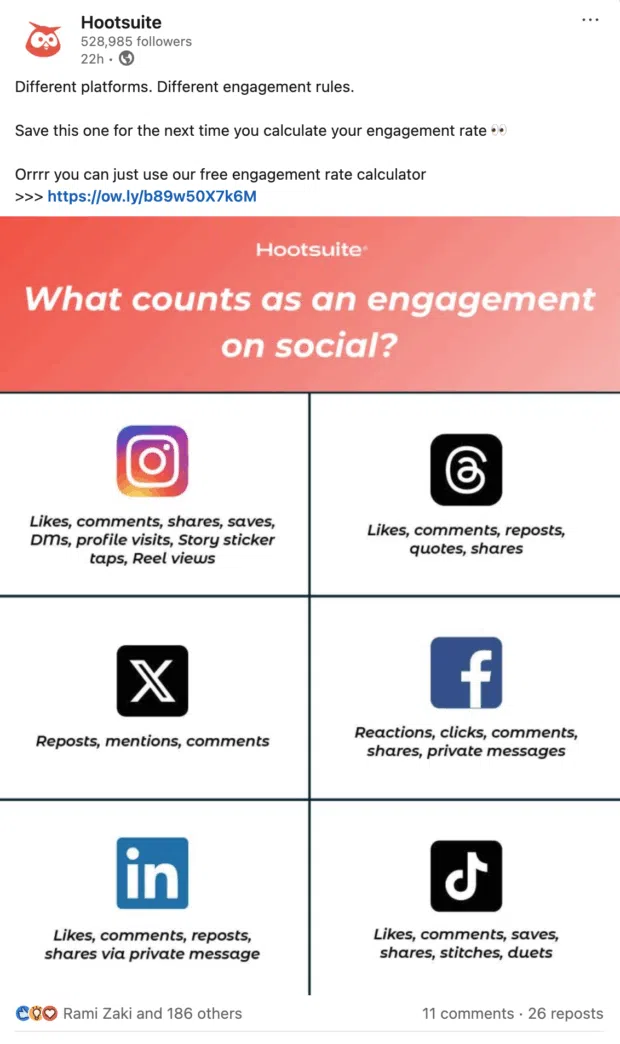
Not all engagements are created equal. While a "like" provides a quick dopamine hit and baseline acknowledgement, it carries less weight than more intentional actions. Understanding the nuance of these interactions is vital:

- Likes and Reactions: These serve as the baseline of interest. They are "low-effort" signals that show your content is visible and appreciated at a glance.
- Comments and Replies: These represent an investment of time. A comment indicates that your content was compelling enough to provoke a thought or a desire for conversation.
- Shares and Reposts: This is the "gold standard" of organic growth. When a user shares your content, they are vouching for your brand, effectively acting as an unpaid brand ambassador.
- Saves and Bookmarks: In an era of information overload, a "save" is a signal of high utility. It tells the algorithm that your content is worth returning to, marking it as high-value evergreen material.
- Direct Messages (DMs): The pinnacle of private engagement. DMs transition the relationship from a public, one-to-many broadcast to a private, one-to-one dialogue, which is often where high-intent lead conversion occurs.
Supporting Data: Benchmarking Success
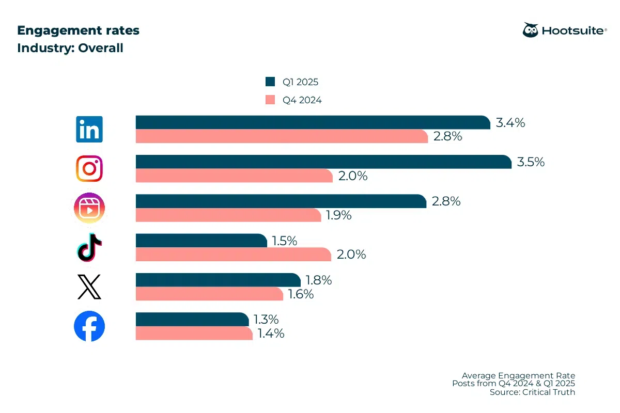
For businesses navigating the complex world of social metrics, data provides a necessary north star. According to recent Hootsuite data, a "good" engagement rate generally sits between 1.3% and 3.5%, though this varies significantly by platform and industry.
For instance, LinkedIn often sees higher engagement rates (around 3.4%) due to its professional, conversation-heavy nature, while Facebook typically hovers near 1.3%. Instagram remains a powerhouse with an average of 3.5%, particularly when leveraging the short-form video capabilities of Reels.
These benchmarks are not merely numbers; they are diagnostic tools. If a brand falls significantly below these averages, it is a clear indicator that the content strategy requires an immediate pivot toward more interactive or value-driven formats.
The Strategic Implications: Why Engagement Drives Growth
Engagement is not just a vanity metric; it is a business growth engine that functions through four critical pillars:
1. The Algorithmic Multiplier
Platforms like Instagram, TikTok, and LinkedIn are designed to keep users on their apps. They reward content that keeps users active. By generating high engagement, you are essentially "paying" the algorithm in user attention, which in turn earns you more organic reach, free of charge.
2. Building Unshakeable Trust
Trust is the hardest currency to earn in digital marketing. When a brand takes the time to reply to comments or engage in meaningful, non-salesy dialogue, it humanizes the corporate entity. A study by Edelman suggests that 60% of consumers trust individuals (like employees or creators) over official brand accounts, highlighting why engagement must be personal and human-centric.
3. The Lead Generation Pipeline
Engagement acts as a "warming" mechanism for leads. A prospect who engages with your educational content or asks a question in a comment section is moving down the sales funnel. By monitoring these signals, sales teams can identify "high-intent" followers who are ready to be converted from social media users into paying customers.
4. Continuous Optimization
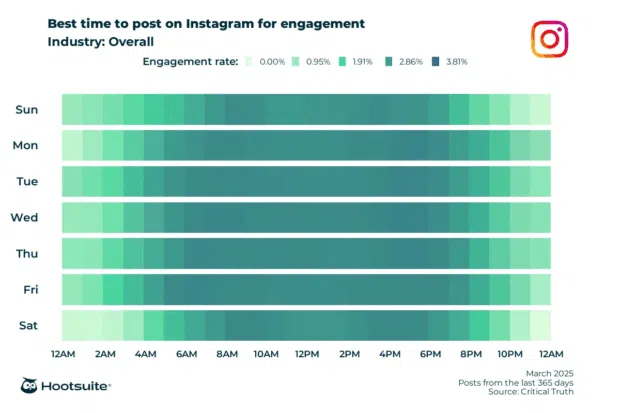
Engagement data acts as a real-time feedback loop. By analyzing which topics, formats, and posting times trigger the most responses, brands can eliminate guesswork. If your audience consistently ignores static images but engages with behind-the-scenes video, your strategy should shift accordingly.
Expert Insights: The 2026 Approach
To understand how to master engagement in the current climate, we consulted Elissa Wardrop, a global social media specialist overseeing content for 31 markets. Her philosophy is simple: stop selling, start connecting.
The "Dinner Party" Strategy
Wardrop uses a compelling metaphor for brand presence: "Imagine your brand as a guest at a dinner party. How would they dress? What would they bring? How would they talk to others?" Brands that enter a space with the intent to listen and contribute rather than dominate the conversation are the ones that build lasting loyalty.
Authenticity Over Perfection
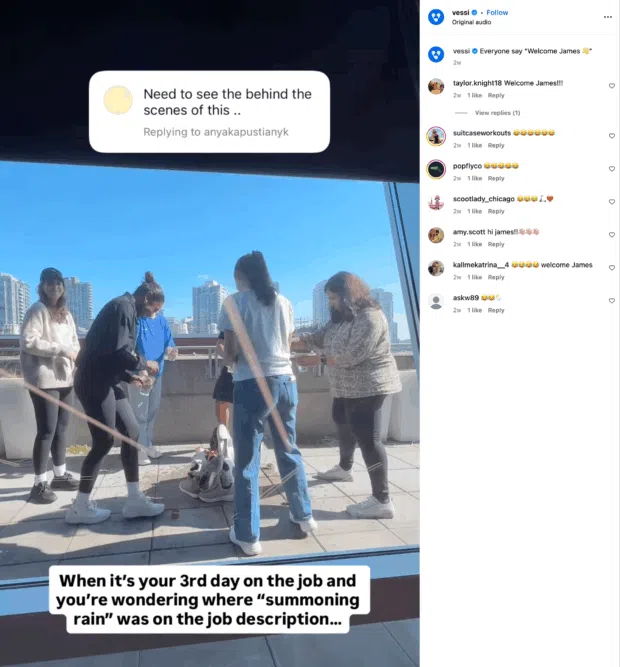
The era of hyper-polished, studio-produced social content is waning. Today’s audiences crave "raw" authenticity. Wardrop notes that some of her most successful campaigns were shot on mobile phones with minimal lighting. When content feels like a human sharing a story, it breaks through the "ad-blindness" that modern scrollers have developed.
The Power of Recurring Series
One of the most effective ways to boost engagement is the implementation of a "recurring content series." By establishing a rhythm—such as a "Tip Tuesday" or a weekly Q&A—you give your audience a reason to return to your profile at a specific time. This anticipation builds a sense of community and keeps your brand top-of-mind.
Operationalizing Engagement: A Step-by-Step Guide
For organizations looking to implement a robust engagement strategy, follow this chronological framework:
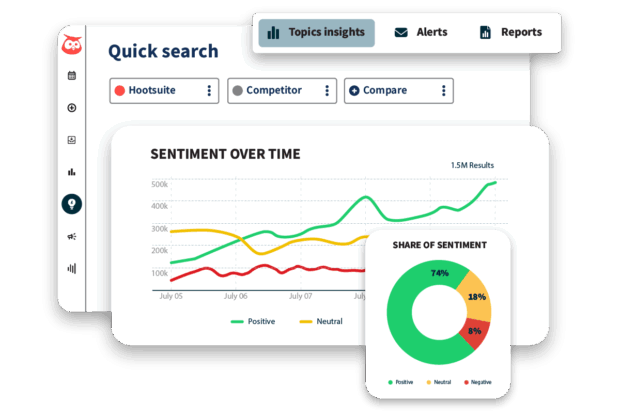
- Audit and Listen: Before posting, use social listening tools to identify what your audience is currently discussing. Find the gaps in your industry where your brand can provide value.
- Establish a Content Mix: Focus on the "4-1-1" rule or similar ratios: for every one self-promotional post, provide four pieces of educational or entertaining content, and one piece that specifically invites interaction.
- Active Community Management: Designate specific time windows for responding to comments and DMs. In 2026, "speed to reply" is a key competitive advantage.
- Leverage Employee Advocacy: Empower your team to share content. Employee posts almost always outperform brand accounts because they carry the weight of personal credibility.
- Measure and Iterate: Use analytics dashboards to track your engagement rate. If a campaign fails to move the needle, dissect the data to see where the drop-off occurred—was it the hook? The call to action? The timing?
Conclusion: The Human Element
Ultimately, social media engagement is a reflection of how well you understand the humans behind the screens. As technology continues to provide more sophisticated tools for automation and AI-driven insights, the brands that win will be those that use these tools to enhance their humanity, not replace it.
Engagement is a long-term game. It is built in the daily, often invisible, interactions that happen in the comment sections and private messages. By prioritizing authenticity, consistency, and a service-first mindset, businesses can transform their social media channels from simple broadcast tools into thriving, loyal communities that drive tangible business results for years to come.












No comments yet. Be the first to join the conversation!