Suro Senen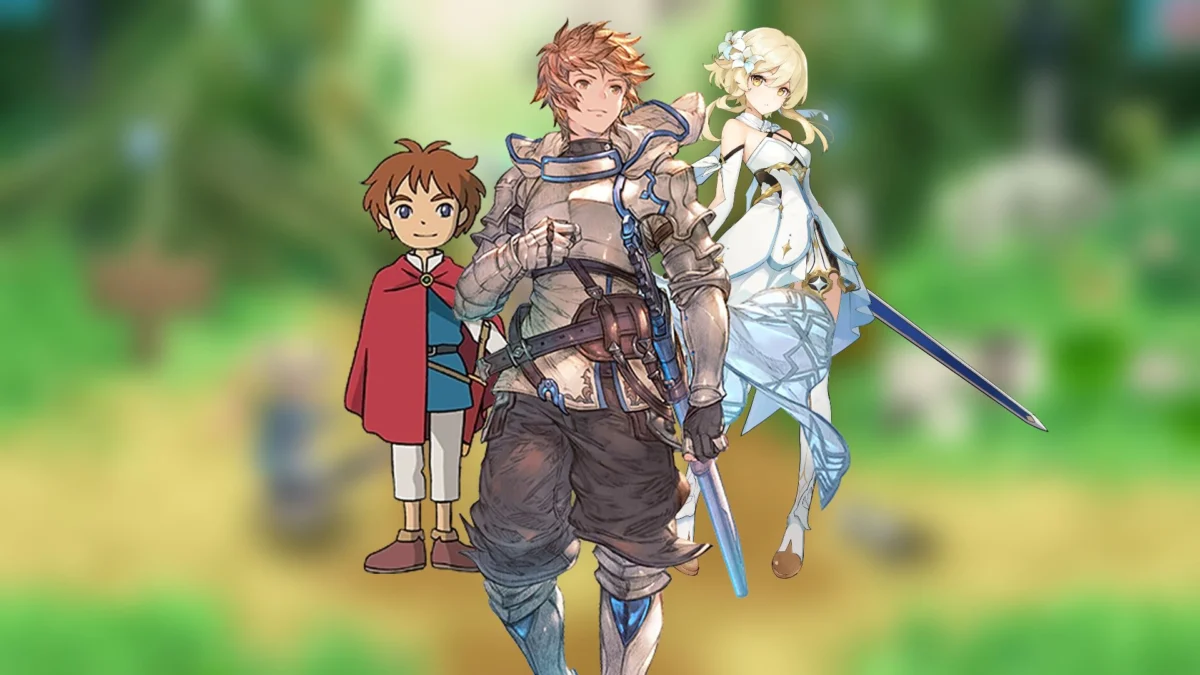
So, you’ve finally put down the controller. The credits have rolled on Monster Hunter Stories 3: Twisted Reflection, your favorite monstie is maxed out, and you’ve scoured every corner of the map for those elusive rare dens. But now, you’re staring at your library, feeling that familiar, hollow ache that only follows the completion of a truly immersive JRPG. That "post-game withdrawal" is a rite of passage for every genre enthusiast, but the good news is that your journey doesn’t have to end just because your current adventure has.
Whether you are craving more deep-dive creature collection, expansive world-building, or simply want to replicate the tactical satisfaction of turn-based combat, there is a title out there waiting to fill the void. We have curated a list of ten essential JRPGs that capture the spirit, mechanics, and wonder of the Monster Hunter Stories experience. From modern action-heavy titles to retro masterpieces, here is your roadmap for what to play next.
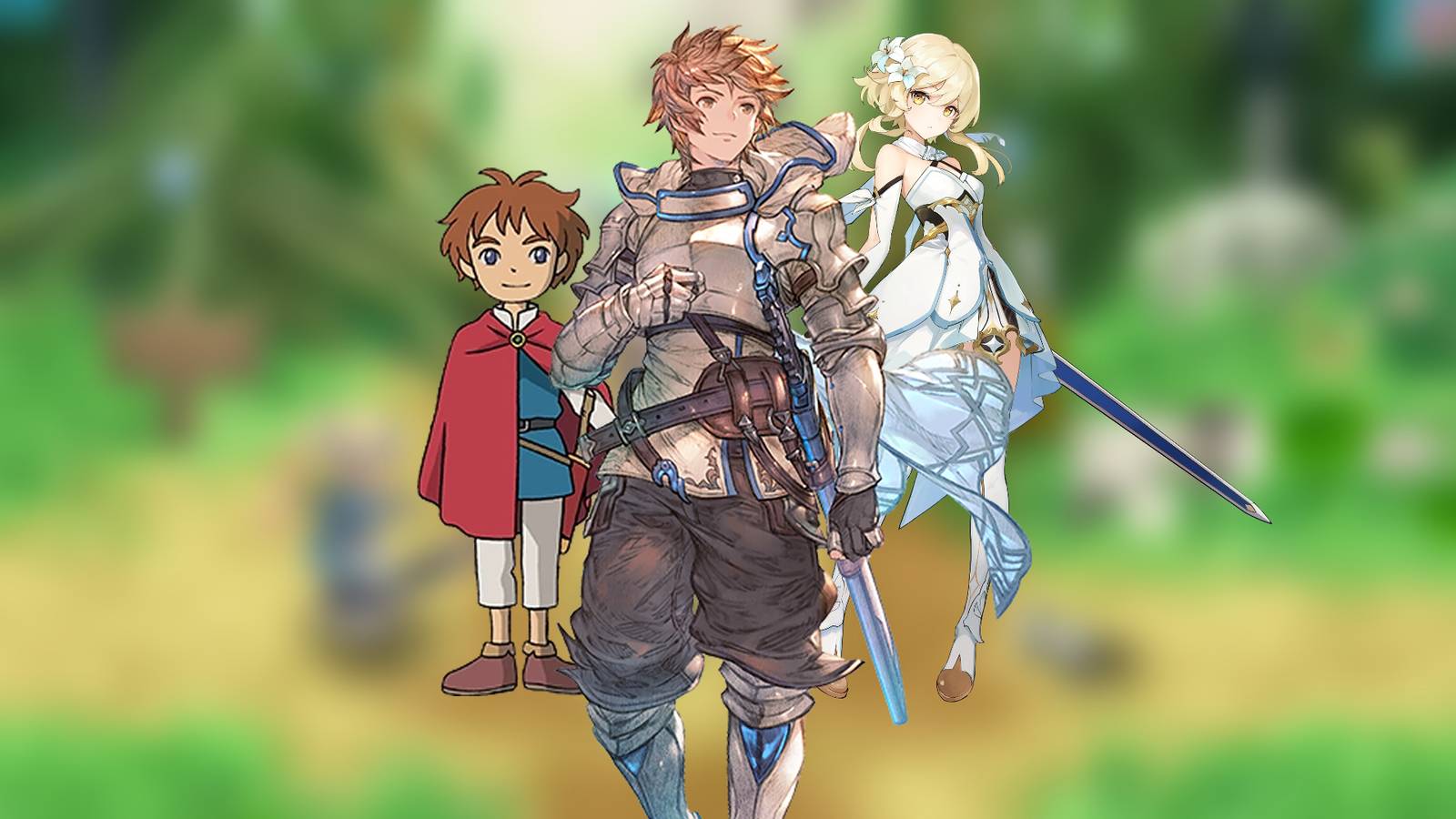
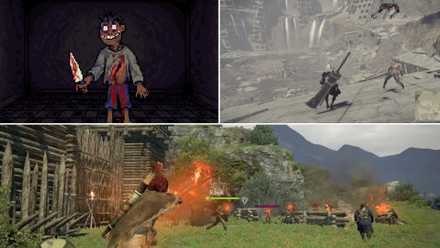
1. Granblue Fantasy Relink: A Sky-High Appetizer
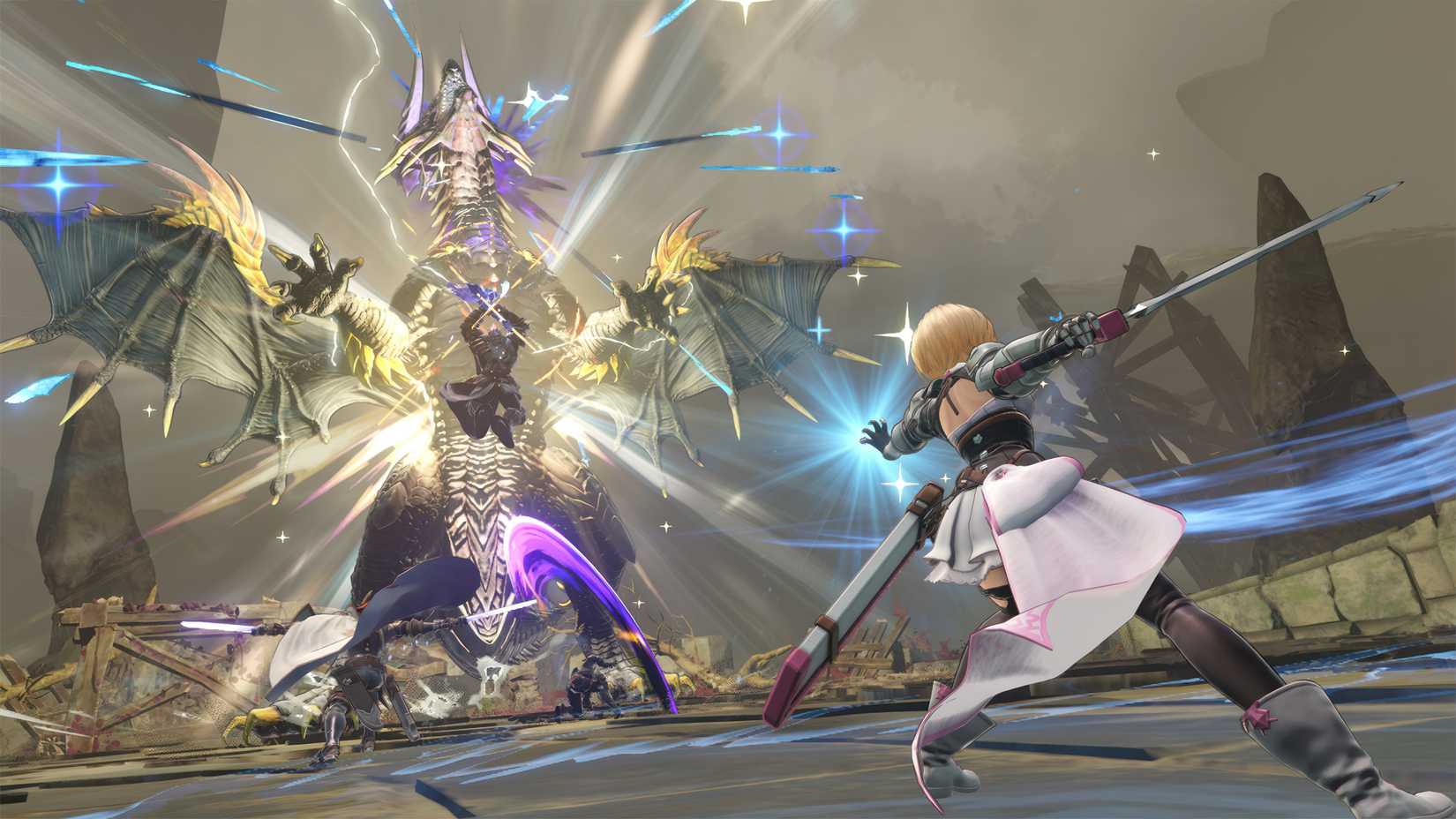
If you are looking to pivot from the turn-based nature of Stories 3 into something slightly more kinetic, Granblue Fantasy Relink is an exemplary choice. Set within the breathtaking "Sky Realm," this title offers a more condensed, high-octane experience than the sprawling, open-ended nature of many modern JRPGs.
The Experience:
Granblue Fantasy Relink excels at character-focused storytelling. You are introduced to a cast of vibrant companions, each with distinct playstyles, as you navigate a series of islands. While it is helpful to have some familiarity with the Granblue lore, the game includes "Fate Episodes"—short, narrative-driven segments that serve as perfect primers for newcomers. The standout feature here, however, is Vyrn, a tiny dragon companion whose charm is impossible to ignore. Much like the bond you form with your monsties, your relationship with the cast here provides the emotional anchor for the entire journey.
2. Xenoblade Chronicles: An Epic Gateway
For those who want to experience the sheer scale of world-building that Monster Hunter fans crave, the Xenoblade Chronicles series is non-negotiable.
Chronology and Narrative:
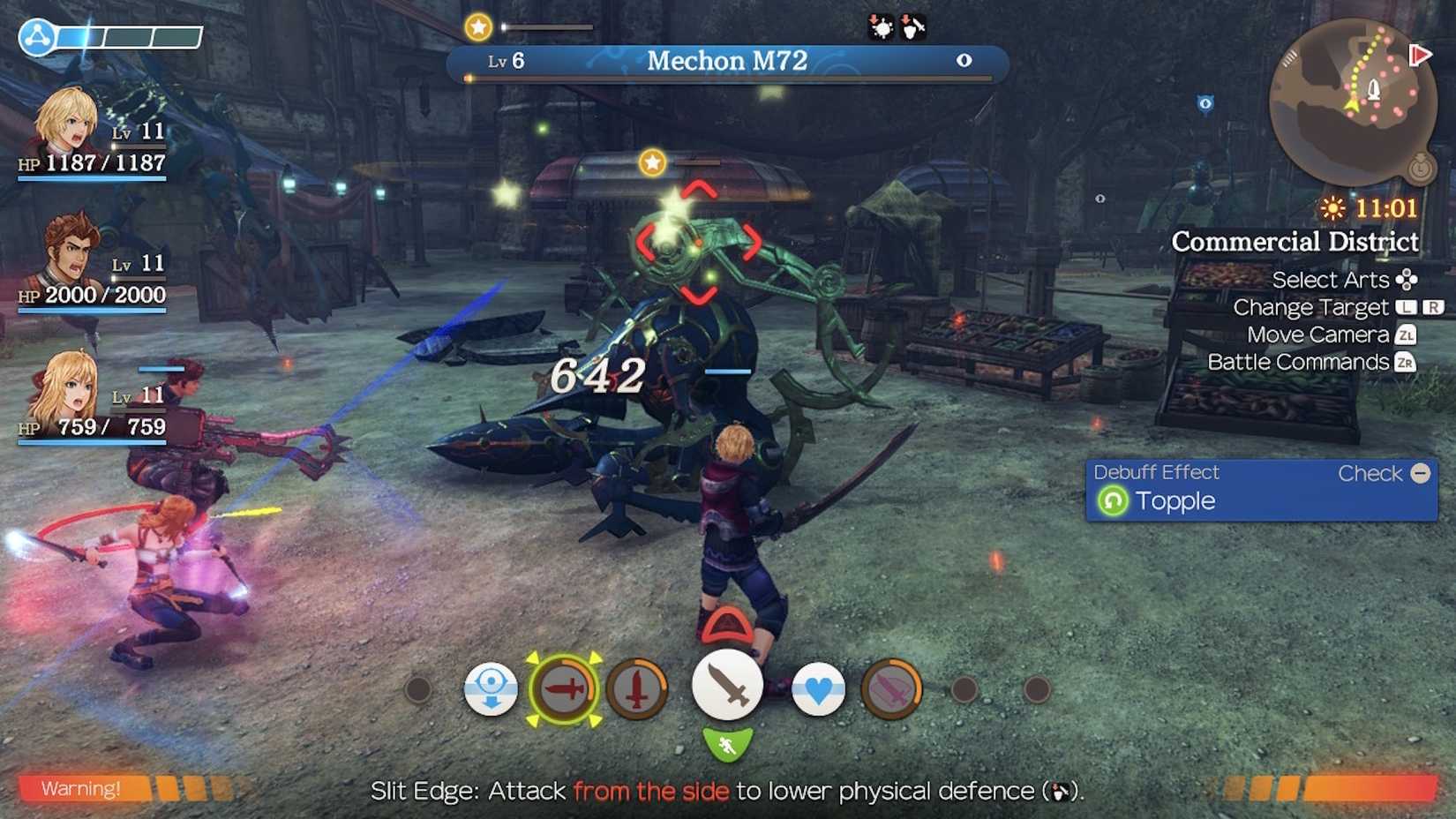
The story begins with a brutal conflict between the Homs and the Mechons. When a war hero’s weapon falls into the hands of a young mechanic named Shulk, he discovers the ability to see glimpses of the future. Following a tragic loss, Shulk sets out on a quest for vengeance that eventually evolves into a grand saga of gods, machines, and the nature of fate.
Why it fits:
While it lacks the "monster catching" mechanic, the game features a real-time battle system that demands the same tactical foresight as the Stories combat loop. You aren’t just mashing buttons; you are managing cooldowns, positioning, and team synergy. It is one of the most expansive worlds in gaming, and for those who used Monster Hunter as a gateway to the genre, this will show you exactly why JRPGs remain the gold standard for epic, long-form storytelling.
3. Breath of Fire IV: A Retro Masterpiece
It is time to bridge the gap between modern gaming and classic design. Breath of Fire IV, originally released for the PlayStation 1, remains a high-water mark for Capcom’s RPG pedigree.
Supporting Data:
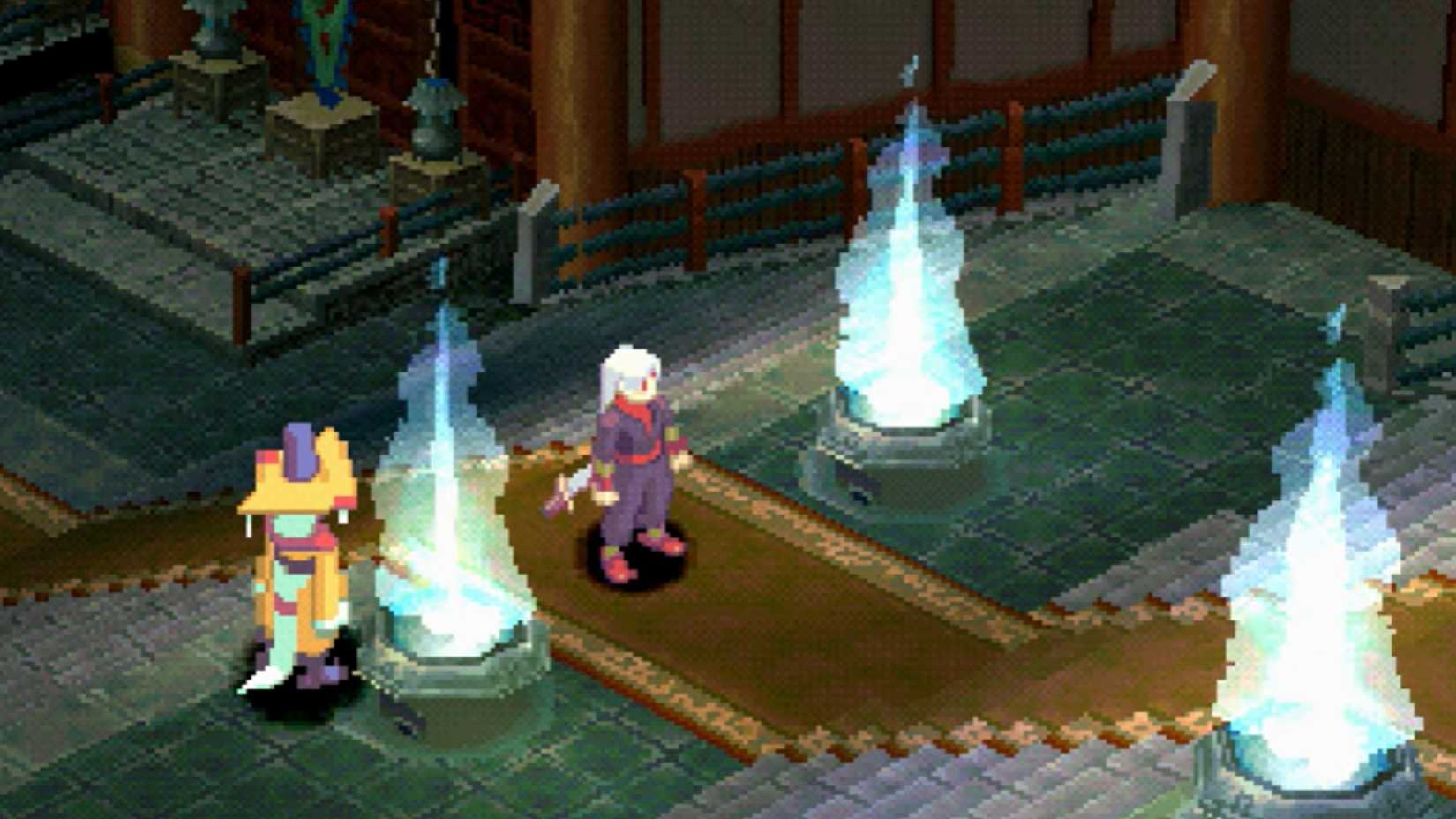
Released in 2000, this title utilizes a beautiful 2.5D art style that feels like an interactive, aged scroll. You play as Ryu, a protagonist with the innate power to transform into dragons, paired with the iconic lead, Nina.
Implications:
The game is surprisingly forgiving for newcomers, making it an excellent entry point into the retro sphere. It features a unique, turn-based system and deep world-building that centers heavily on dragon lore. While we recommend avoiding the Steam port due to technical issues, finding a way to play the original or console-re-released version is a must. The warmth of the art and the focus on dragon-centric mysteries will feel right at home for any Monster Hunter Stories 3 fan.
4. Genshin Impact: Exploration and Elemental Synergy
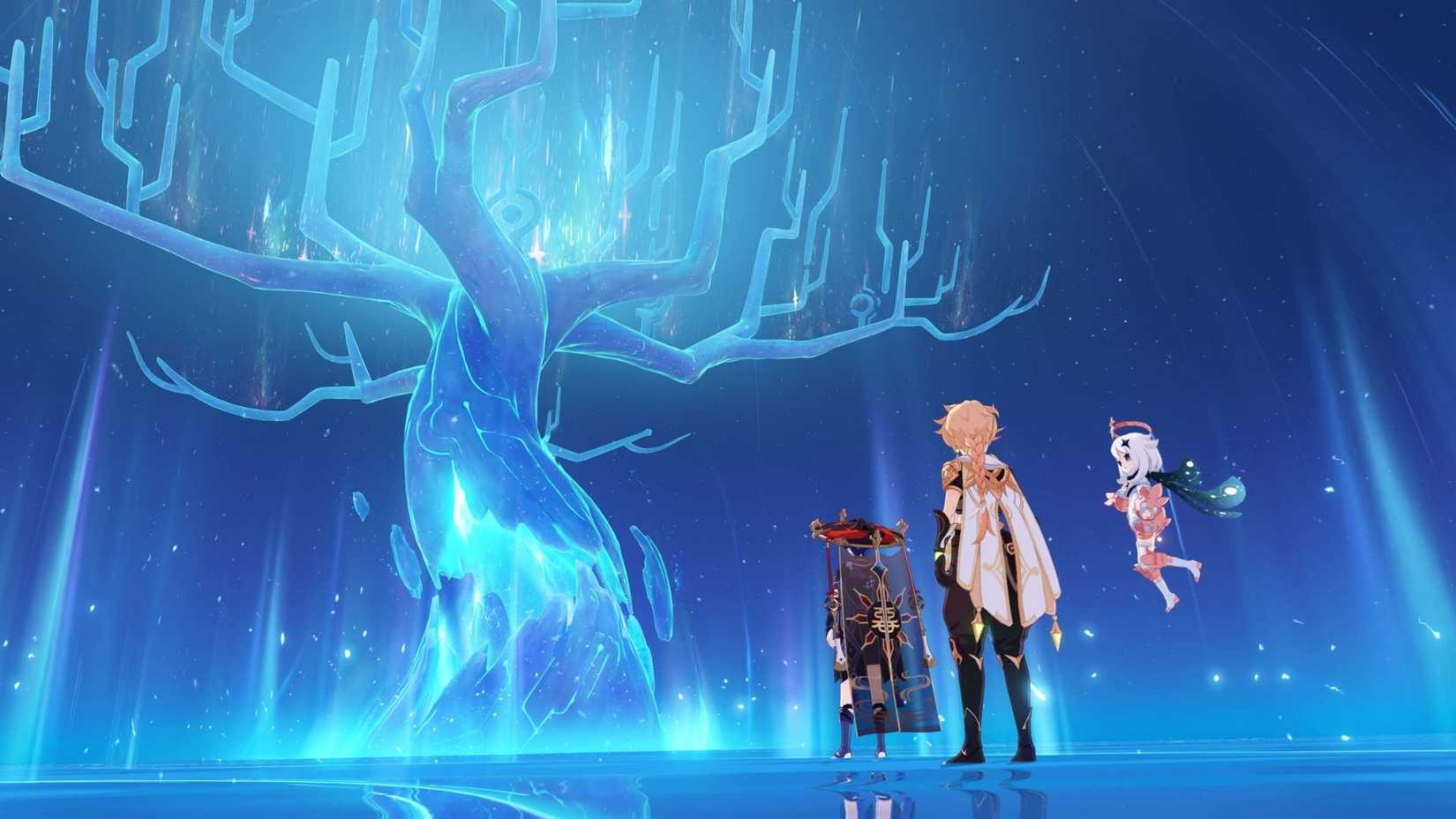
While Genshin Impact is often categorized as a gacha-heavy action game, its core loop of exploration and resource management aligns surprisingly well with the needs of a Monster Hunter player.
The Loop:
The game features vast, intricately designed maps where climbing, gliding, and searching for hidden rewards feel as rewarding as hunting for eggs in Stories 3. You are building a team, managing elemental synergies, and constantly upgrading your roster. If you enjoyed the thrill of the "gacha" mechanic when hatching eggs, the character-collection and artifact-rolling systems here will be familiar territory. Just remember: play at your own pace and spend your Primogems responsibly.
5. Tales of Zestiria: Tactical Gene Systems
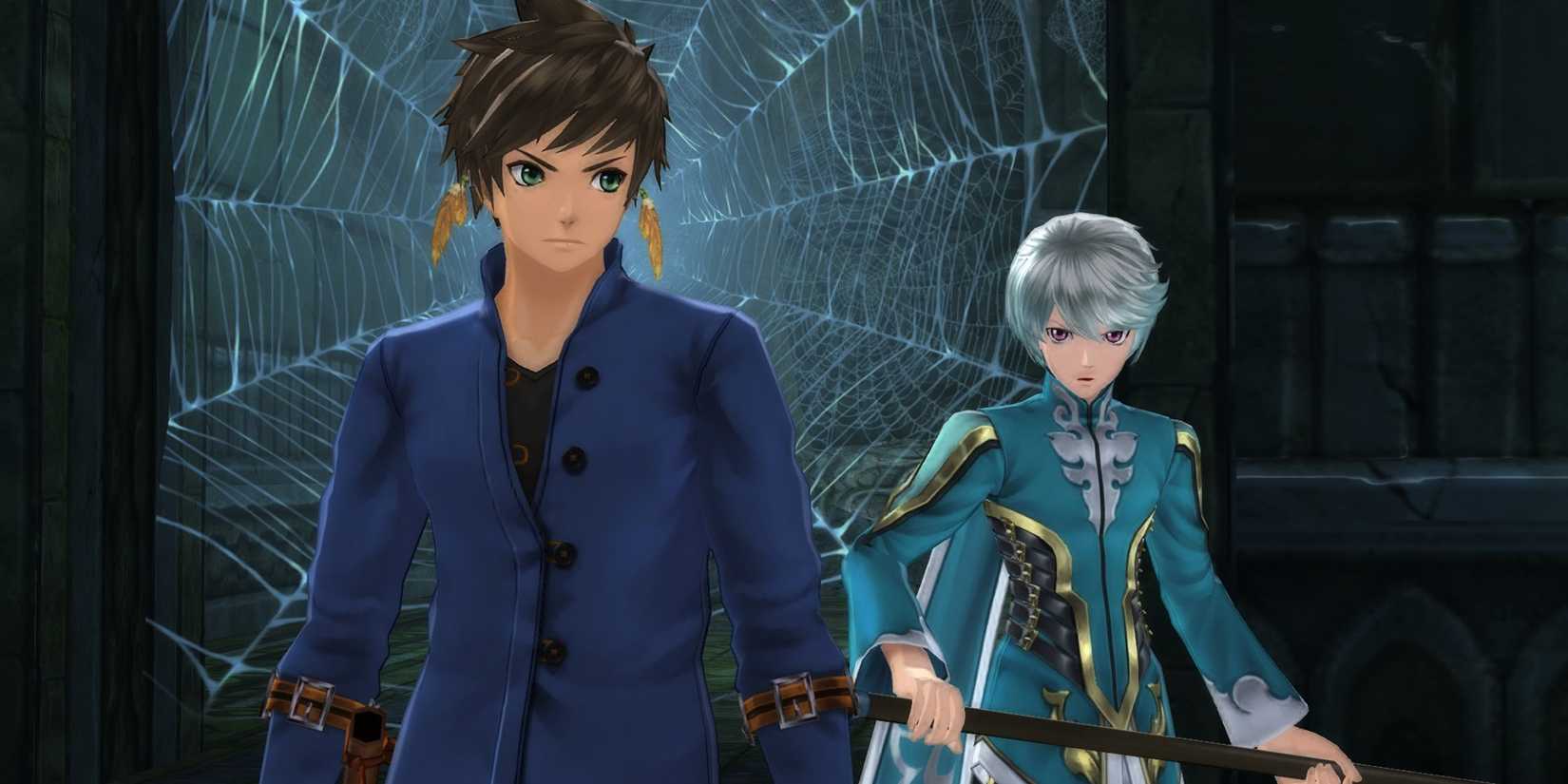
If you enjoyed the technical side of managing your monstie’s genes in Stories 3, Tales of Zestiria is a perfect mechanical follow-up.
Official Responses:
The community often cites the "equipment skill" system in Zestiria as being remarkably similar to the gene-splicing mechanics found in the Stories sub-franchise. You play as Sorey, a human raised by "seraphim" (celestial beings), who travels across the continent of Glenwood to bridge the gap between humans and spirits. It is a story about the burden of heroism, and while the game shows its age in its camera movement, the depth of its systems makes it a hidden gem for tactical-minded players.
6. Final Fantasy XIV Online: The Living World
Politics and world-building are the lifeblood of a great JRPG. Final Fantasy XIV takes these elements to their absolute peak.
Chronology and Scope:
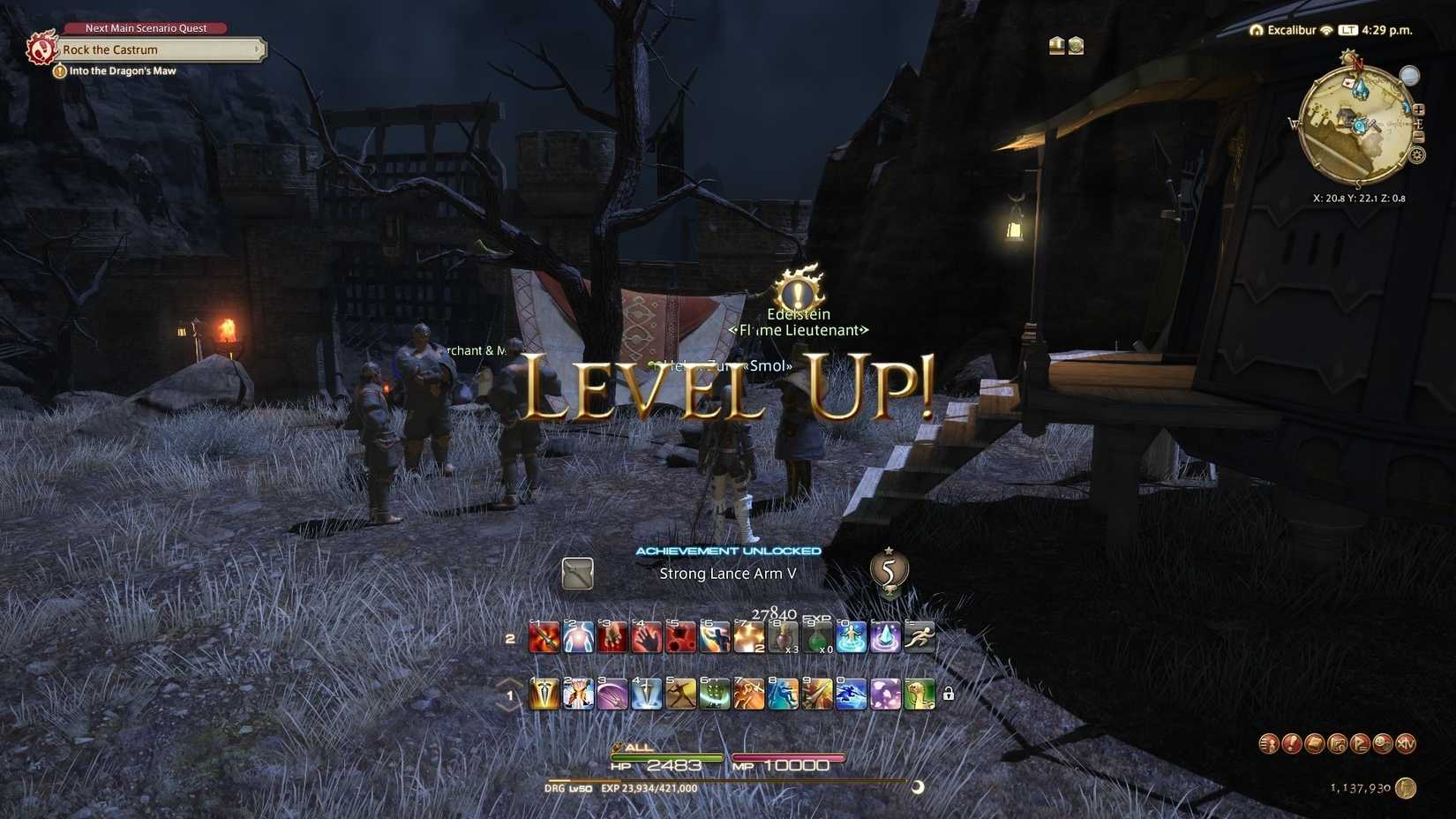
You step into the shoes of the Warrior of Light, chosen by the Mothercrystal to protect the realm of Eorzea. The game is structured in a rhythmic cycle: intense, high-stakes political intrigue followed by explosive, action-heavy content updates.
Implications:
The free trial is legendary, granting players access to the base game and the Heavensward and Stormblood expansions, all the way up to level 70. With hundreds of hours of content available for free, it is the most efficient way to immerse yourself in a world that feels as "alive" as the Monster Hunter universe.
7. Digimon World: The OG Creature Sim
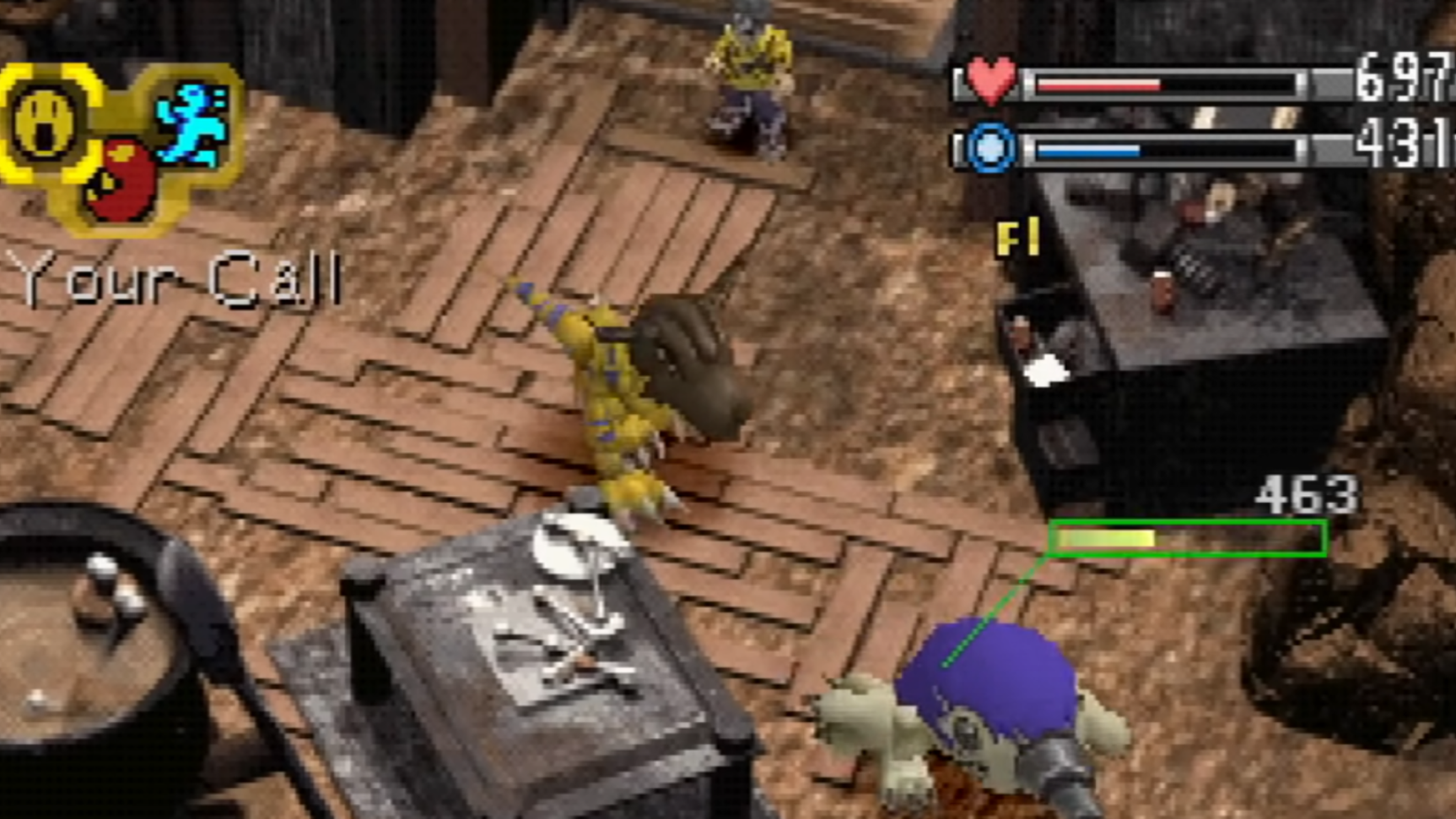
We cannot discuss monster-catching without acknowledging the godfather of the genre: Digimon World.
The Challenge:
Unlike the more forgiving nature of modern games, Digimon World is notoriously obtuse. You are tasked with raising a Digimon from a virtual pet into a powerful combatant. You will make mistakes. You will accidentally raise a "gross" Digimon like Numemon. But in that challenge lies the reward. It is a raw, un-handheld simulation that forces you to learn its systems through trial and error. It is a must-play for anyone who wants to see where the "monster-catching" obsession truly began.
8. Ni no Kuni: Wrath of the White Witch
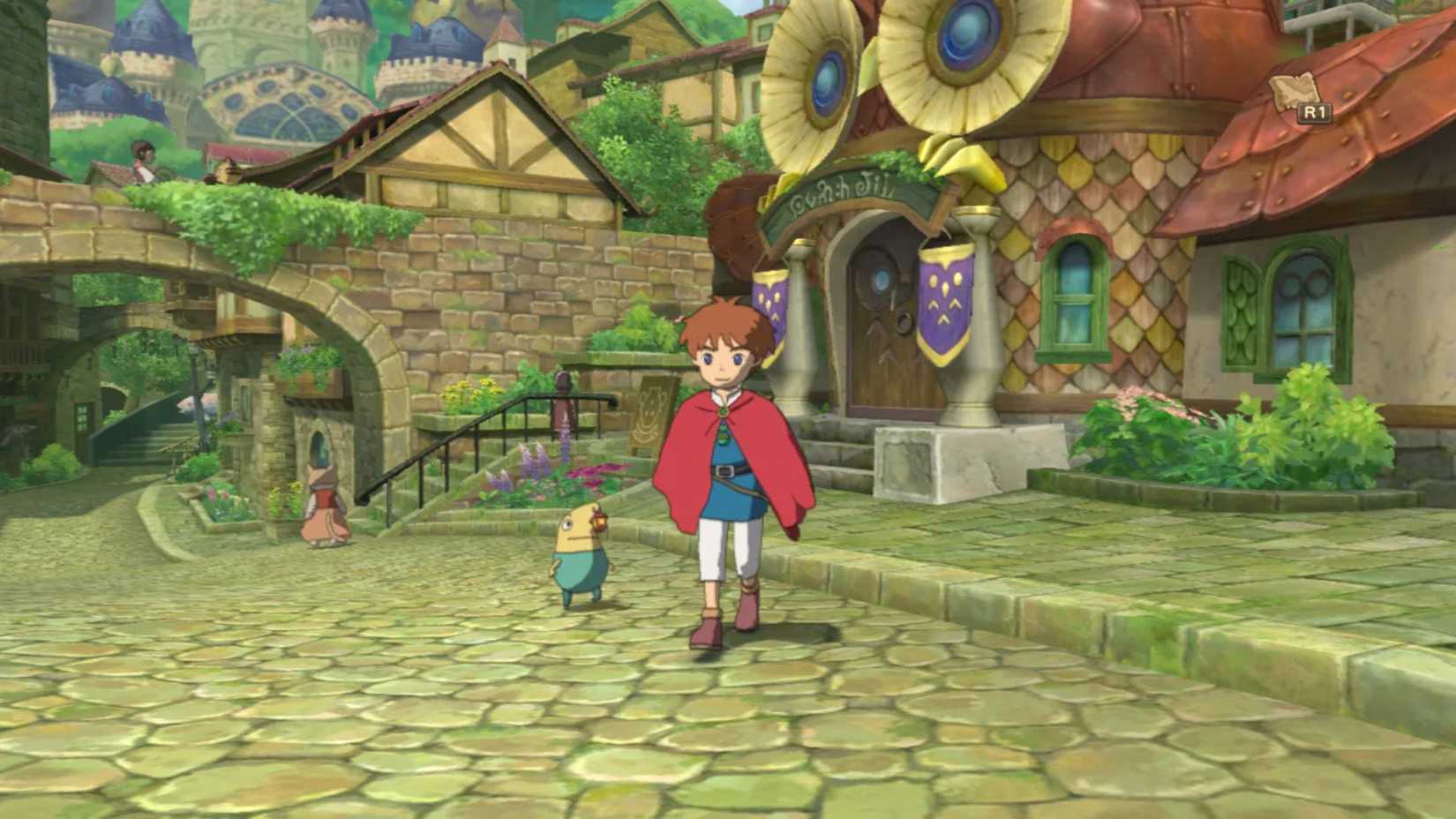
This is not just a JRPG; it is a collaborative masterpiece between Level-5 and the legendary Studio Ghibli.
The Vibe:
The hand-drawn animation is not just a style—it is a core component of the game’s identity. You capture and train creatures called "familiars," which function much like the monsties in Stories 3. The world is whimsical yet emotionally resonant, designed to speak to the inner child in every player. If you want a cozy, high-quality, and visually stunning adventure that balances monster collection with a touching narrative, this is the definitive choice.
9. Rune Factory 4: Life in Selphia
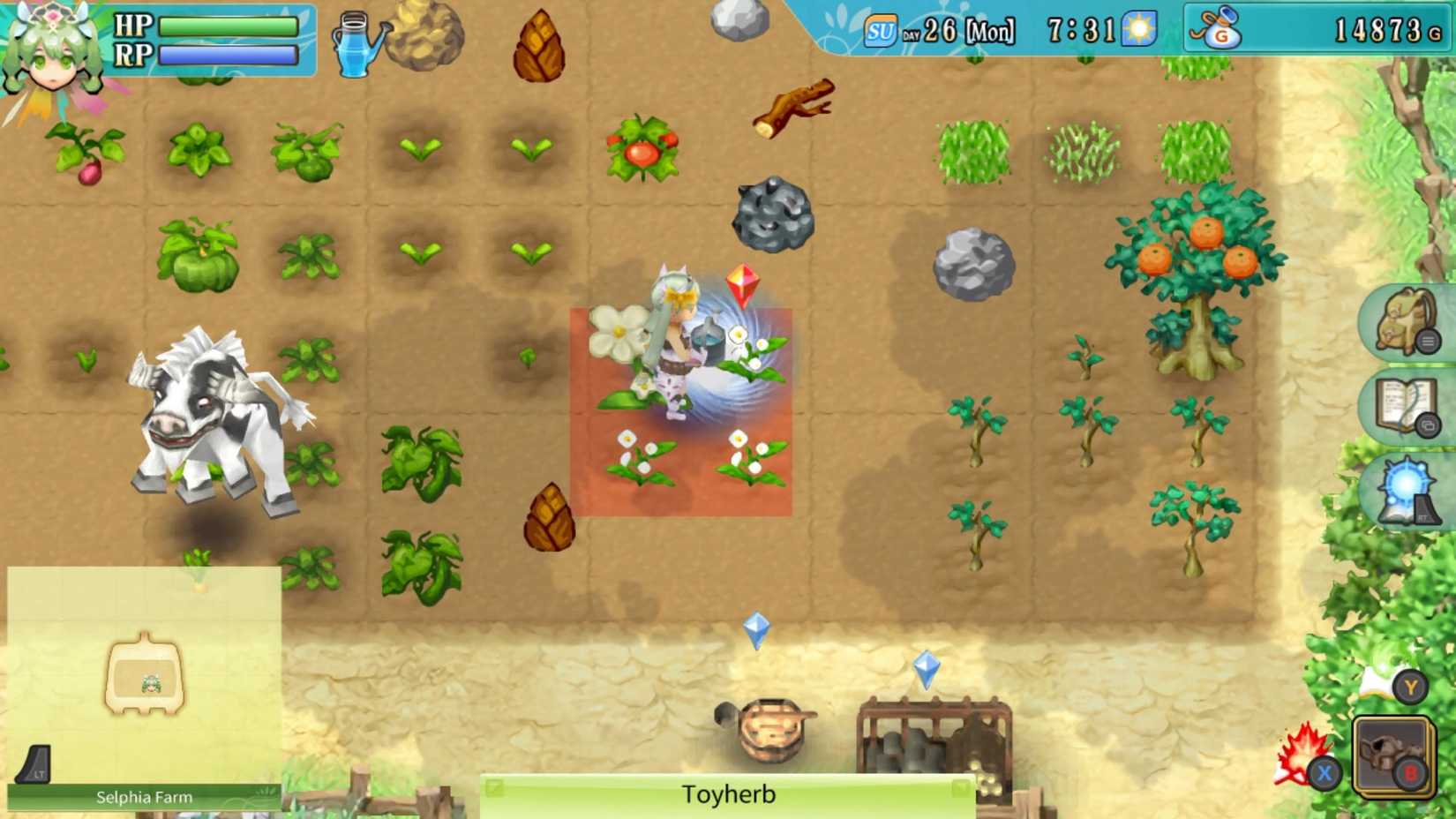
What happens when you combine a high-fantasy adventure with a life-simulation game? You get Rune Factory 4.
The Gameplay:
You are suddenly crowned the ruler of the kingdom of Selphia. The game gives you total agency: do you want to spend your day farming, crafting new gear, or exploring the dangerous wildlands? You can tame almost every monster you encounter, integrating them into your farm or your party. It is a game of immense depth, offering a "full life" experience that can easily consume 100+ hours.
10. Pokémon Legends: Arceus
Finally, we must address the elephant in the room. If you are a Monster Hunter fan, you have likely heard the recommendation to play Pokémon and rolled your eyes. Pokémon Legends: Arceus is different.
The Shift:
Set in the past (the Hisui region), this game treats Pokémon not as cute companions, but as dangerous, untamed beasts. The act of catching has weight, strategy, and a sense of peril. It is a more down-to-earth, exploration-focused take on the formula that feels far closer to the DNA of a Monster Hunter game than any other title in the series. It respects the danger of the wild, and for that reason, it is the best possible closing recommendation for someone who just finished their journey in Monster Hunter Stories 3.

 Nana Muazin
 Laily UPN