Dwi Wanna
In a significant move to consolidate its position as the premier destination for visual discovery and digital retail, Pinterest has officially unveiled a seamless integration with Amazon’s Storefront program. This strategic collaboration allows eligible creators to embed their Amazon Storefronts directly into their Pinterest profiles and Pins, effectively streamlining the bridge between inspiration and purchase. As Pinterest continues to evolve from a mood-boarding site into a robust, conversion-driven e-commerce ecosystem, this partnership marks a pivotal shift in how influencers monetize their content and how shoppers interact with products.
The Mechanics of the Integration: A Frictionless Experience
At the heart of this update is a focus on user experience and efficiency. Previously, creators often struggled with the cumbersome process of manually generating and inserting affiliate links for every individual product featured on a Pin. The new integration automates this workflow, allowing for a frictionless transition from discovery to checkout.
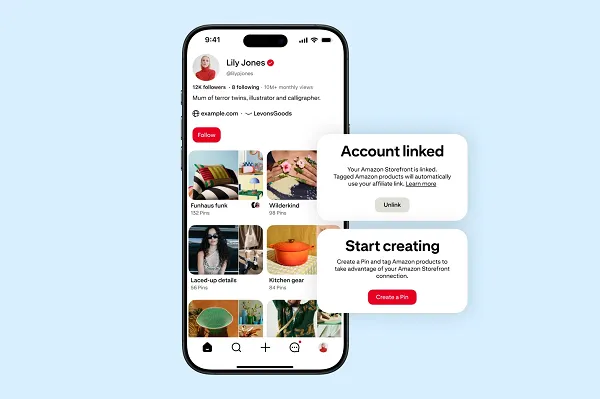
When an eligible creator connects their Amazon Storefront to their Pinterest account, the platform takes over the heavy lifting. Pinterest automatically applies the creator’s Amazon affiliate information to any tagged products. This means that when a user interacts with a Pin featuring an Amazon product, the attribution is handled on the back end, eliminating the need for creators to maintain complex tracking spreadsheets or manual link-building processes.
Furthermore, the creator’s Amazon Storefront handle will be prominently displayed on their Pinterest profile. This creates a dedicated "shop-the-look" environment where followers can explore curated collections, fostering a sense of trust and brand loyalty that is essential for social commerce success.
A Chronology of Pinterest’s E-commerce Evolution
To understand the significance of this move, it is necessary to view it within the broader timeline of Pinterest’s transformation:
- 2015–2018 (The Foundation): Pinterest began experimenting with "Buyable Pins," signaling its intent to move beyond being a purely aspirational platform. During this period, the company focused on infrastructure, improving image recognition and search capabilities.
- 2019–2021 (The Shopping Pivot): As the global pandemic accelerated digital adoption, Pinterest aggressively expanded its shopping features, introducing "Shop the Look" pins and integrating with Shopify to allow merchants to sync their catalogs.
- 2022–2024 (Creator-Centric Growth): Pinterest shifted its focus toward the creator economy, introducing tools like Idea Pins, affiliate monetization, and the "Pinterest Creator Fund" to ensure that creators were incentivized to populate the platform with high-quality, shoppable content.
- 2026 (The Strategic Alliance): The partnership with Amazon marks the maturity of this strategy. By aligning with the world’s largest e-commerce retailer, Pinterest is effectively turning its entire user base into a massive, intent-driven shopping mall.
Supporting Data: Why Pinterest is the Ideal Retail Playground
The decision to partner with Amazon is underpinned by compelling user behavior data. Pinterest remains a unique outlier in the social media landscape; while other platforms are often used for entertainment or social connection, Pinterest is used primarily for intent-based discovery.
According to the latest figures from the first quarter of 2026, Pinterest boasts over 631 million monthly active users. Of this massive audience, over 50% report that they visit the platform specifically with the intention to shop. This translates to an ecosystem where more than 80 billion searches occur every month, ranging from home decor and fashion to specialized hobbyist products.
This high "intent-to-purchase" rate is a goldmine for advertisers and creators alike. Unlike impulsive scrolling on other platforms, Pinterest users are in a "planning mindset." When they see a product on Pinterest, they are not just looking at a trend—they are researching a purchase they intend to make. By integrating Amazon’s massive product catalog directly into this high-intent environment, both companies are poised to see a significant uptick in conversion rates and affiliate revenue.

Official Responses and Strategic Vision
Pinterest leadership has framed this update as a cornerstone of its "mall of the internet" vision. By reducing the friction associated with affiliate marketing, the company is effectively lowering the barrier to entry for creators.
"With this feature, eligible creators will see their Amazon Storefront handle featured directly on their Pinterest profile," the company stated in its official release. "This provides users with another way to discover the products and recommendations from the creators they trust most."
Industry analysts observe that this partnership is a win-win. Amazon benefits from increased traffic and sales attribution from a demographic that is notoriously difficult to capture through traditional search engine advertising. Meanwhile, Pinterest gains a sustainable, long-term monetization model that rewards its most creative users, thereby ensuring the continued production of high-quality, aesthetic content that keeps users coming back to the platform.
Implications for the Creator Economy
The move significantly changes the landscape for social media influencers. For years, creators have had to juggle multiple platforms, often feeling that their Pinterest efforts were disconnected from their revenue-generating activities on Amazon or other affiliate networks.

1. Enhanced Monetization Stability
By automating the affiliate link process, Pinterest is offering creators a more stable revenue stream. The ability to link an entire storefront, rather than individual products, encourages "discovery shopping." A user who clicks on a specific lamp might end up browsing the creator’s entire home office setup, leading to higher average order values.
2. The Professionalization of "Pinner" Content
This update will likely lead to a surge in high-quality, professional photography and video content. Since creators now have a direct pathway to monetize their content with minimal effort, they are incentivized to invest more time and resources into creating "Pinterest-perfect" imagery. This creates a virtuous cycle: better content leads to more engagement, which leads to higher search visibility, which in turn leads to more affiliate sales.
3. A Shift in Competitive Dynamics
This partnership may put pressure on other social platforms, such as Instagram and TikTok, to streamline their own affiliate integrations. While TikTok has been aggressive with "TikTok Shop," its approach is often centered on high-pressure, video-driven impulses. Pinterest, conversely, offers a more relaxed, long-tail shopping experience. The Amazon integration plays perfectly into Pinterest’s strengths as a platform for curation and lifestyle design.
Future Outlook: What’s Next?
As this integration rolls out to eligible creators, the industry will be watching closely to see how the conversion metrics shift. If successful, we can expect Pinterest to deepen its integration with other major retailers and expand its "Shop the Look" technology to encompass more categories, such as beauty, skincare, and electronics.

Furthermore, as artificial intelligence continues to play a larger role in Pinterest’s search and recommendation algorithms, the combination of Amazon’s inventory and Pinterest’s visual AI could lead to hyper-personalized shopping experiences. Imagine a scenario where a user’s "Home Decor" board is automatically updated with similar items from Amazon, complete with affiliate links, based on the user’s past aesthetic preferences.
Conclusion
The partnership between Pinterest and Amazon is more than just a software update; it is a fundamental alignment of two giants in the digital economy. By combining Amazon’s unparalleled supply chain and retail infrastructure with Pinterest’s unparalleled user intent and visual discovery, the two companies have created a powerful engine for modern commerce.
For the user, the shopping experience is now faster, more transparent, and more trustworthy. For the creator, it provides a seamless pathway to profitability that removes the technical hurdles of the past. And for the industry at large, it serves as a clear signal that the future of social media is not just about communication—it is about the seamless integration of life and commerce. As Pinterest continues to solidify its role as the "mall of the internet," this collaboration will likely be remembered as the moment the platform truly moved from being a digital scrapbook to a powerhouse of the creator-led retail revolution.


 Ammar Sabilarrohman
 Nana Wu