

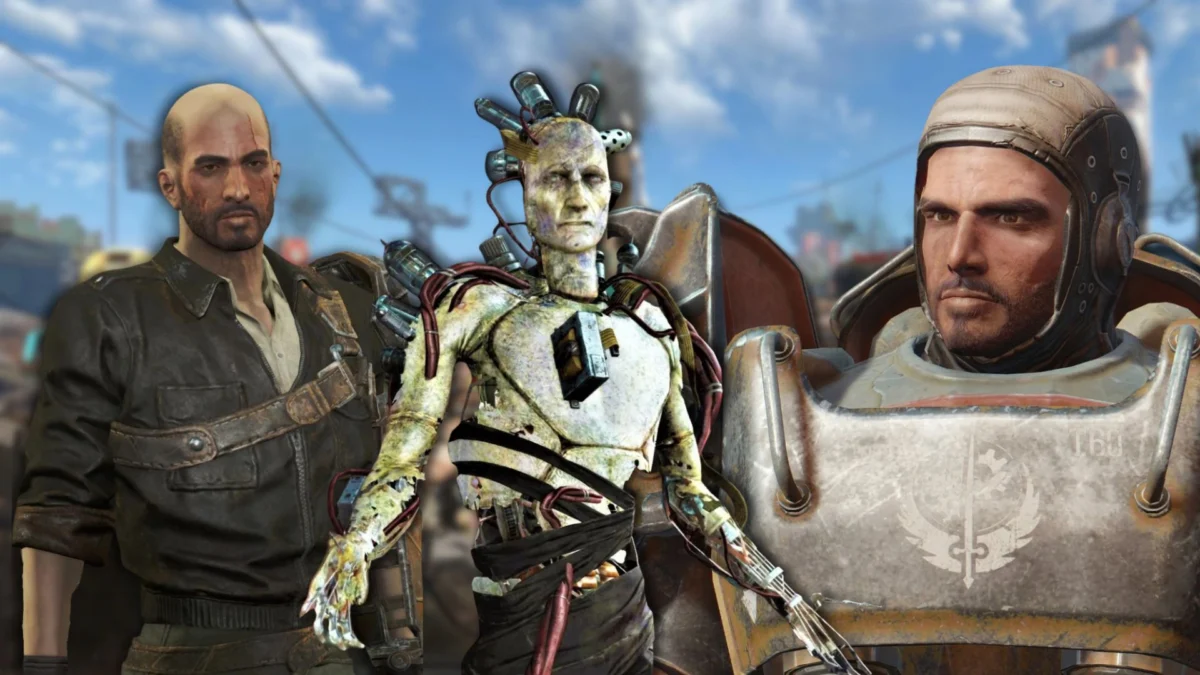
More than a decade after its release, Bethesda’s post-apocalyptic opus, Fallout 4, continues to captivate and provoke discussion. While the game’s meticulously crafted world and atmospheric setting remain undeniable strengths, it’s the morally ambiguous characters that truly linger in the player’s consciousness. These individuals, often shaped by the brutal realities of the Commonwealth, serve as stark reflections of the Sole Survivor’s own potential paths, forcing players to confront difficult questions about survival, humanity, and the enduring consequences of war.
Fallout 4 launched over ten years ago, and for many, it remains a game that elicits a complex mix of admiration and critique. The sheer artistry in its environmental design and the immersive quality of its post-apocalyptic Boston are, without question, top-tier, even by today’s standards. However, the narrative’s character development, while ambitious, has often been a point of contention. The game presents a world where individuals are frequently encountered at their lowest ebb, grappling with life-altering traumas or having found a fragile peace in the aftermath of devastation. These characters, in their struggles and resilience, often act as a mirror to the player’s own journey, hinting at what the Sole Survivor might become if they fail in their primary objective: finding their son, Shaun.
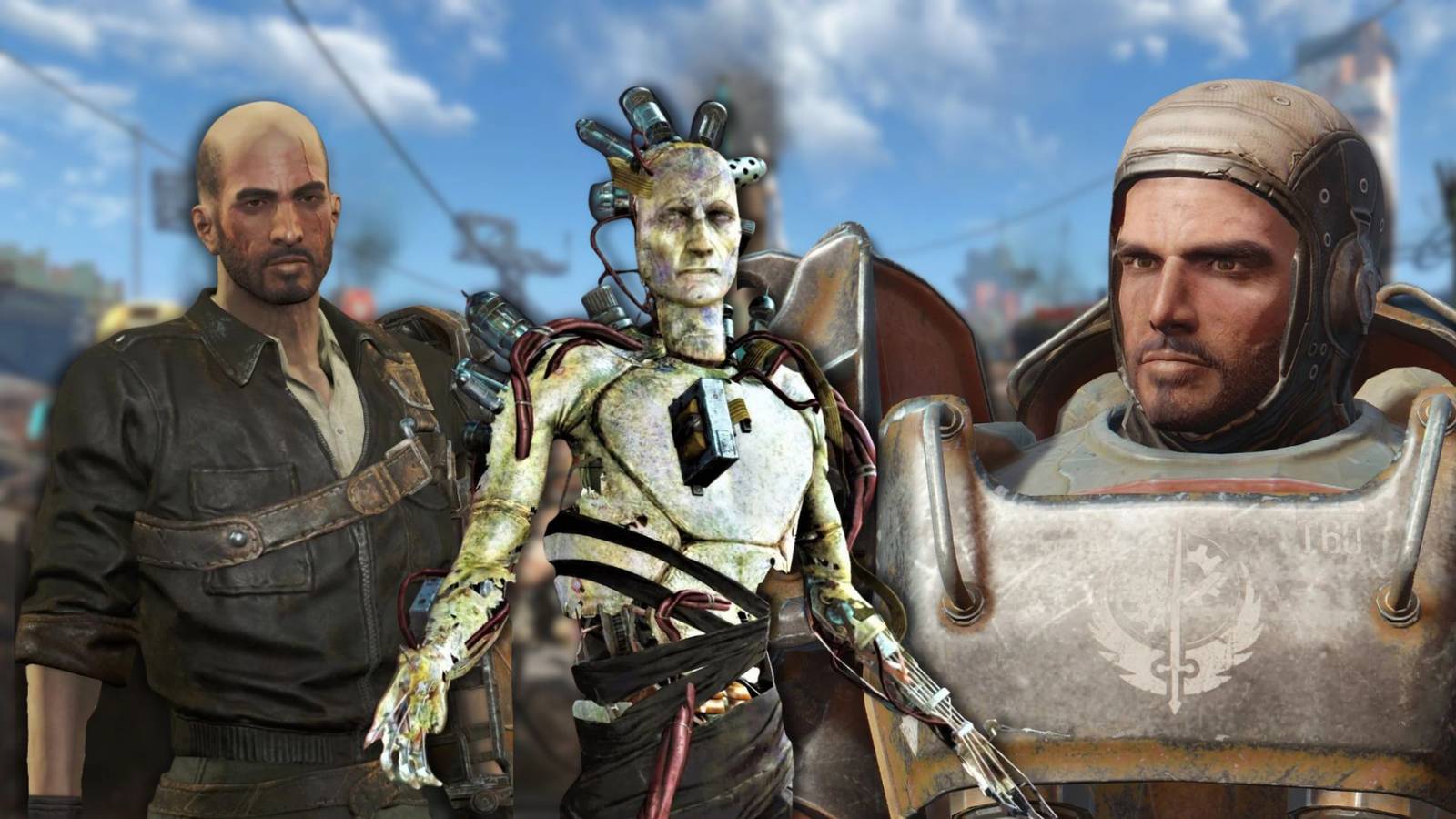
While the game’s thematic exploration of resilience and adaptation is compelling, its execution can sometimes feel uneven. Replaying Fallout 4 in recent years, with the benefit of hindsight, allows for a deeper appreciation of the interconnectedness of these character arcs and how the unforgiving nature of the Wasteland ensures that, as the series’ mantra goes, "war never changes." This article delves into some of the most morally intricate characters that populate Fallout 4‘s landscape, examining their unique journeys and the multifaceted facades they present to the world.
Synth Shaun: A Son Reimagined, a Moral Quandary
The culmination of the Sole Survivor’s arduous search for their son, Shaun, arrives within the sterile, technologically advanced confines of the Institute. The reunion, however, is far from the heartwarming embrace one might expect. It’s revealed that the Shaun the player has been searching for is not the biological child but a sophisticated synth, a synthetic human created by the Institute. The true Shaun, it turns out, is the enigmatic and powerful leader of this clandestine organization.
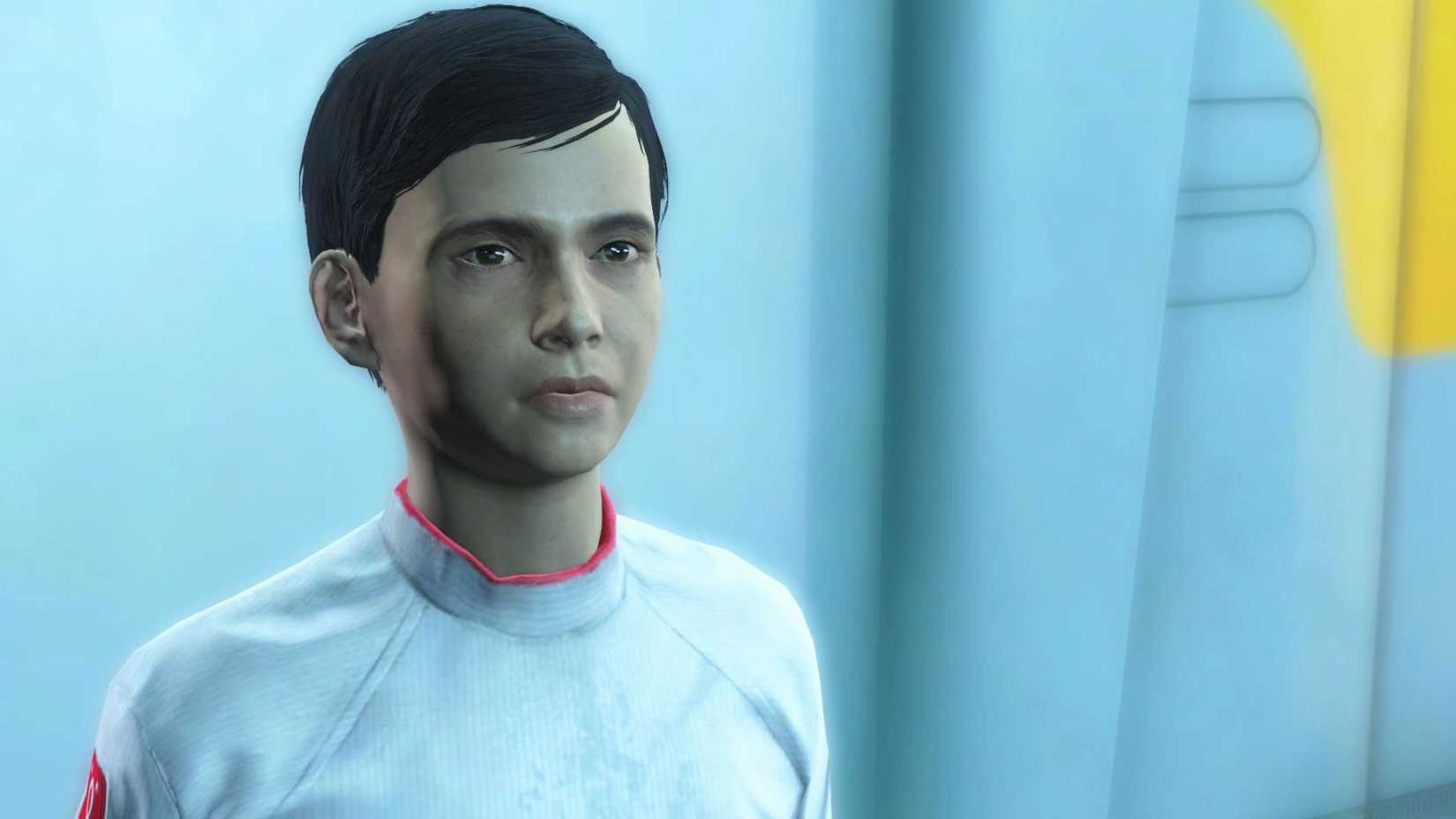
Synth Shaun himself is a passive figure, never actively engaging in morally reprehensible acts, unless one considers the unsettling act of impersonating a lost child a transgression. Yet, his very existence ignites profound philosophical debates. He has been programmed by his biological father to believe he is the player’s genuine son, raising unsettling questions about the future. Caring for a synth replica of one’s child, perpetually frozen at the age of ten, seems less like a blessing and more like a perpetual torment.
The moral dilemma intensifies when the player is faced with the choice of accepting this synth-son. To rationally reject him as an imposter – "You’re not my son, get away from me" – results in widespread condemnation from the game’s inhabitants, who perceive the action as monstrous. This positions the player into a situation where the only seemingly viable option is to send the synth-son to a settlement and offer occasional check-ins. This peculiar arrangement feels like a final, bitter jest from the true Shaun, leaving the player with an enduring sense of unease and moral compromise.
Father (Actual Shaun): Victim or Monster?
The primary antagonist of Fallout 4, known as Father, presents a deeply enigmatic figure. The player’s relentless pursuit of their son culminates in the revelation that this individual is, in fact, Shaun, who has been thoroughly indoctrinated by the Institute and risen to its leadership. Crucially, he is a fervent adherent to the Institute’s ideology, seemingly impervious to any attempts at persuasion.
Given Father’s role as both a victim of the Institute’s manipulative system and a perpetrator of its cruel actions, it becomes challenging to pass definitive judgment. The narrative is further complicated by the introduction of the player’s biological son’s sudden and mysterious illness, which prompts him to name the Sole Survivor – a stranger who has only recently reappeared – as his successor.
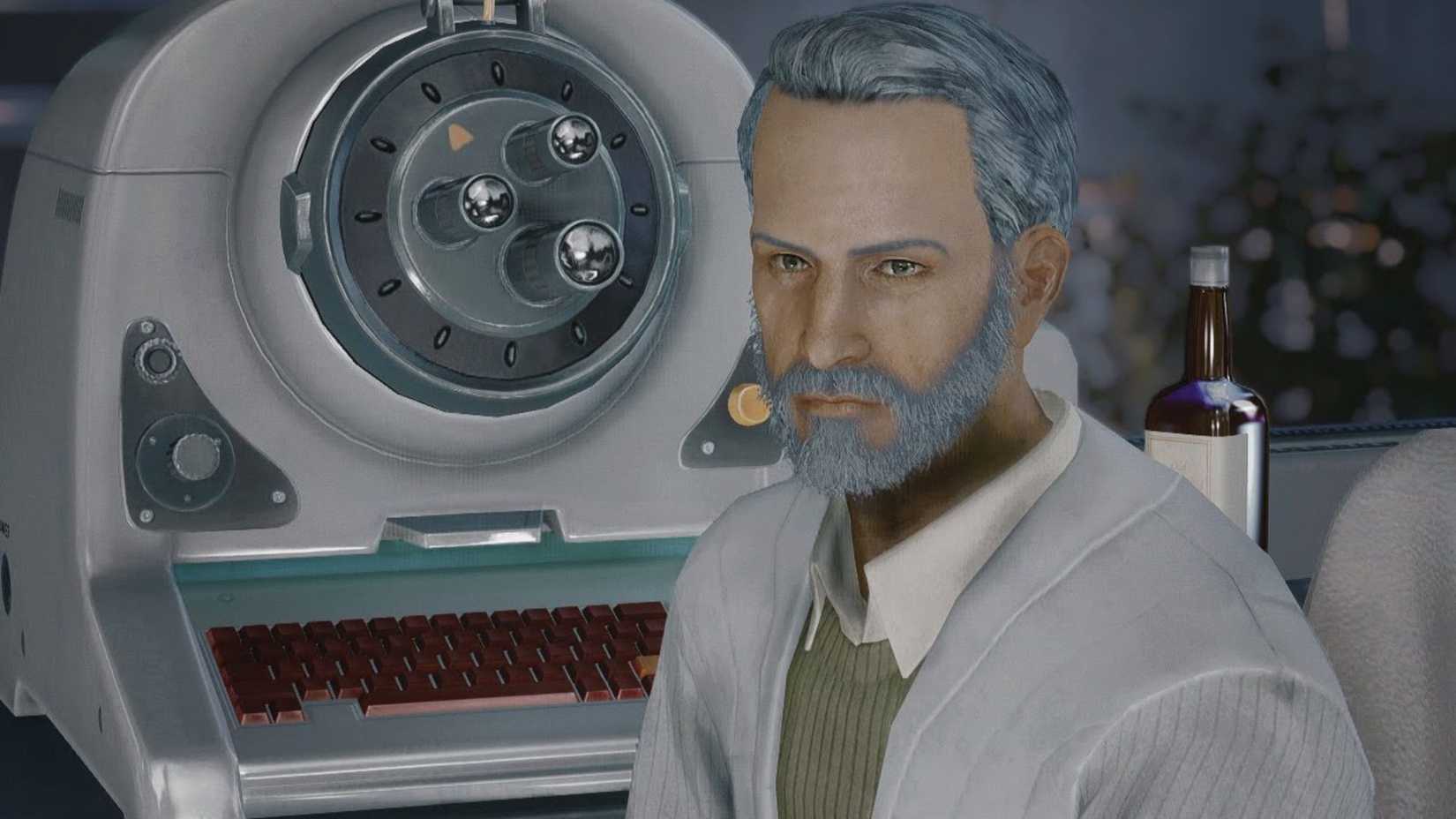
While Father’s actions during the Sole Survivor’s cryogenic slumber are undeniably reprehensible, the brief period of interaction with him allows for glimpses of doubt and cracks within his ideological foundation. This becomes more apparent after his death, revealed through a holotape where he confesses his inner turmoil and his decision to appoint the Sole Survivor as his heir.
To Bethesda’s credit, Father stands out as a more compelling antagonist than typically encountered in their games. He embodies traits that provoke introspection, leaving players to ponder whether he could have been redeemed had the Sole Survivor been unfrozen sooner.
DiMa: A Savior Acting as a Necessary Evil?
DiMa, the leader of the synths in the Far Harbor DLC, emerges as arguably Fallout 4‘s most captivating character, a tragic figure whose limited appearance is a disservice to his narrative potential. He offers a more compelling antagonistic force than the Institute itself. DiMa’s existence serves as a microcosm of the Institute’s problematic nature, mirroring the atrocities of the organization he ostensibly fled.
The player gradually uncovers DiMa’s complex strategy: he has been systematically replacing human settlers and members of the Children of the Atom in Far Harbor with synths, a drastic measure aimed at averting all-out war between the two factions. DiMa is acutely aware of the moral gravity of his actions, so much so that he resorts to frequent memory wipes to cope with his conscience. However, this facade of benevolence struggles to mask a more manipulative core. While he offers sanctuary to all synths, he is disturbingly adept at exploiting individual doubts, subtly influencing recruits to believe they are synths even when they are, in fact, human.
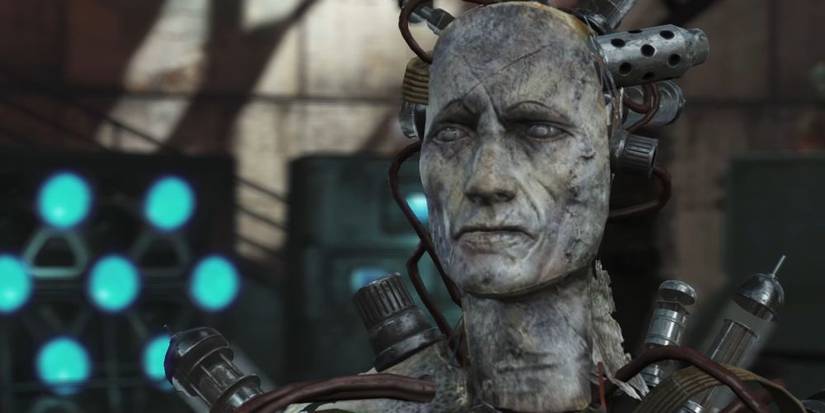
Despite his capacity for profound nobility and self-sacrifice, DiMa walks a precarious tightrope between a benevolent savior and a ruthless manipulator, making him a simultaneously endearing and revolting presence.
Conrad Kellogg: A Saturday Morning Cartoon Villain With Depth
Conrad Kellogg, a character recognizable by his eyepatch and gruff demeanor, transcends the archetype of a simple villain. He is, in fact, one of Fallout 4‘s most introspective characters, responsible for one of the game’s most engaging narrative sequences. After confronting and defeating Kellogg, the player retrieves an implant containing his memories. When this implant is accessed with the aid of Nick Valentine, players are granted a window into Kellogg’s past, witnessing the events that transpired after he murdered the Sole Survivor’s spouse.
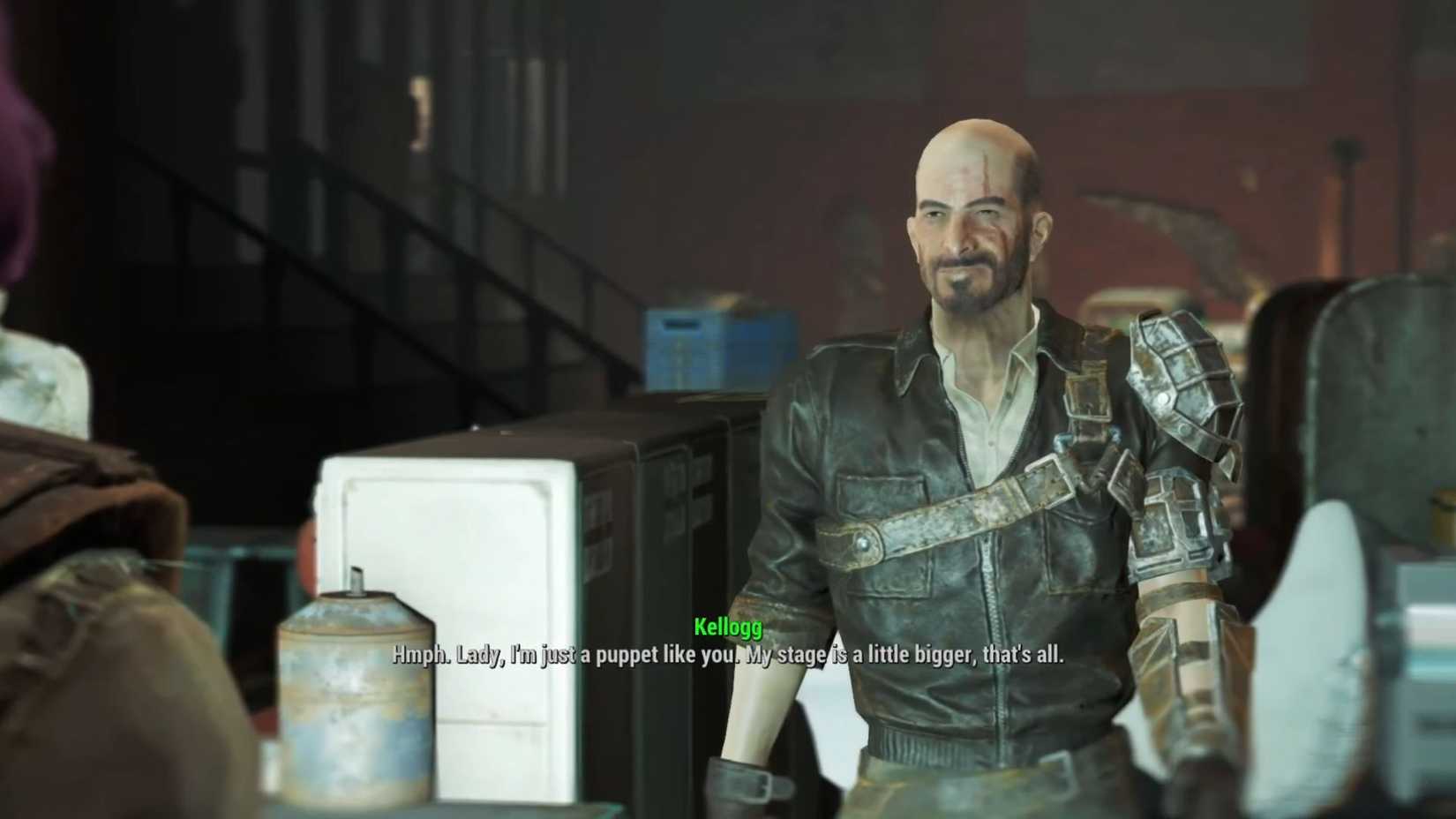
These recovered memories reveal a man who was once much like the player character. Kellogg was a devoted family man whose life was shattered by the brutal murder of his wife and child. This profound loss twisted him into the cold, hardened killer he becomes. It is also within these memories that the player learns Father likely orchestrated the pursuit of Kellogg as a form of retribution for the death of the Sole Survivor’s partner, adding another layer of complexity to the protagonist’s motivations.
While Kellogg’s actions ultimately paint him as a monster, the narrative, much like the Fallout television series, deftly positions Lucy’s evolving morality against the hardened perspective of The Ghoul. It underscores the difficulty of casting absolute judgment when the wasteland possesses the power to strip individuals of everything they hold dear.
Robert Macready: How Pragmatism Can Conflict With One’s Moral Compass
Robert Macready, a returning character from Fallout 3, has undergone a significant transformation. The naive youth from Little Lamplight has evolved into a hardened mercenary, his actions driven by a desperate need to protect his family and secure the funds for his son’s life-saving medication. Macready is a pragmatist to his core, a trait that often clashes with the inherent charity of settlements like Goodneighbor. He is known to haggle for higher payment when his services are required.
Paradoxically, despite his mercenary disposition, Macready exhibits a strong aversion to harming innocents. This moral compass is the very reason he severed ties with the Gunners, citing their callous disregard for civilian casualties as collateral damage.
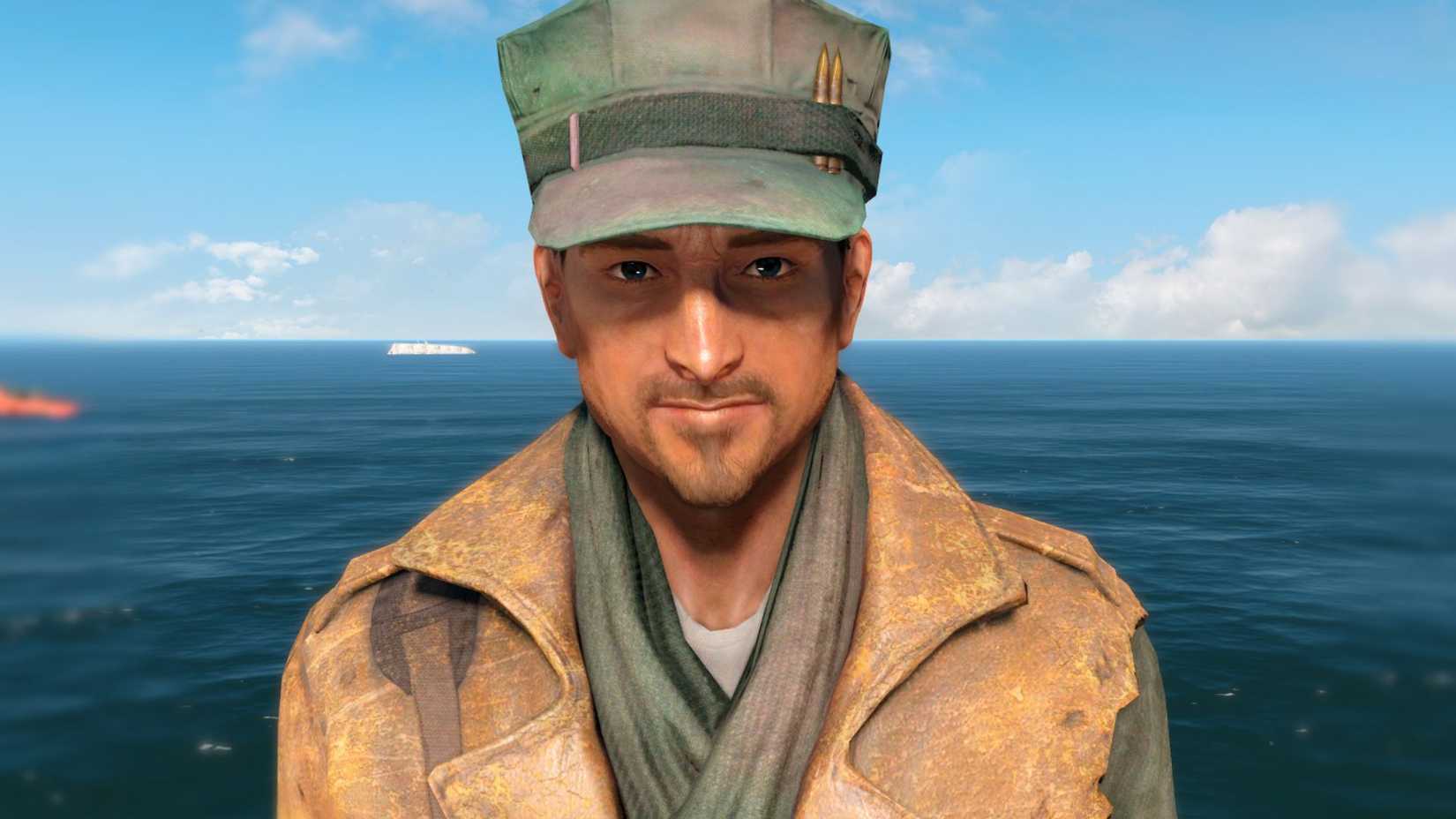
His personal quest unveils the truth behind his hardened exterior: a father’s unwavering devotion to his ailing son. Haunted by his past experiences in Little Lamplight, a settlement populated by orphans, Macready is fiercely motivated to prevent further loss within his own family. He is willing to bend the rules, and perhaps even his own moral code, to ensure this never happens.
Nick Valentine: Coming to Terms with Existential Dread
Nick Valentine stands out as Fallout 4‘s most compelling companion. As an early-generation synth, he was implanted with the memories, personality, and moral framework of a pre-war Boston police detective. This awareness of his synthetic nature leads Valentine to constantly question the origins of his thoughts and empathy. Are they genuinely his own, or merely echoes of the persona embedded within him?
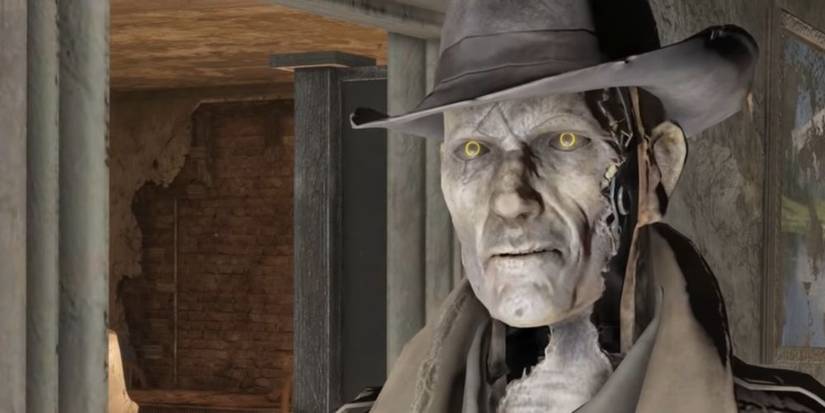
Despite his synthetic origins and the pervasive stigma associated with synths in Diamond City, Valentine maintains a steadfast commitment to morality and compassion. His personal quest, which involves hunting down Eddie Winter – the individual responsible for the murder of the original Nick Valentine – raises profound questions about vengeance versus justice. This quest serves as a critical examination of Valentine’s own morality and his willingness to compromise it when convenient.
It is this self-aware exploration of his synthetic identity that elevates Valentine’s character to one of the most engaging in the game. His interactions with DiMa in the Far Harbor DLC are particularly noteworthy, representing some of the finest writing in recent Bethesda titles, and making him an essential companion for that particular expansion.
Paladin Danse: Identity vs. Ideology
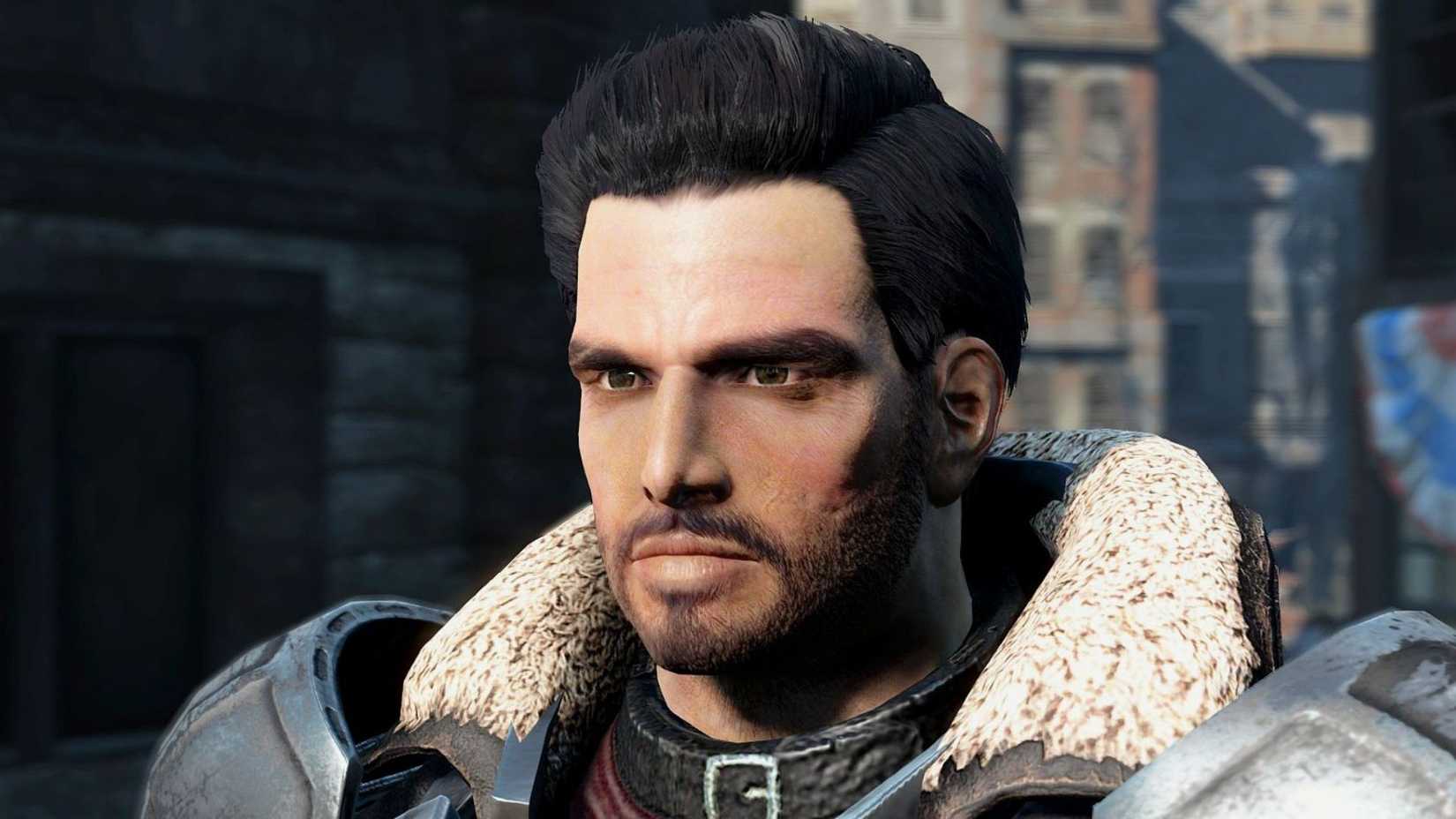
Paladin Danse is a character who elicits strong reactions, and while some may find him abrasive, his arc powerfully encapsulates the hypocrisy and internal conflicts within the Brotherhood of Steel. Upon first meeting him, Danse embodies the ideal soldier: welcoming, fair, and seemingly honorable. However, his staunch anti-synth, anti-ghoul, and anti-mutant rhetoric quickly reveals a more rigid and prejudiced ideology.
The irony is stark when it’s discovered that Danse himself is a synth, unknowingly having replaced the original Paladin and assumed his identity. Upon this revelation, Danse demands that the player execute him, believing it to be the honorable course of action.
The fundamental conflict between Danse’s deeply ingrained hatred for synths and his own synthetic nature makes his character arc profoundly interesting. If the player chooses to spare him, Danse is unable to follow through with his own perceived duty, accepting a life on the run, knowing the Brotherhood will hunt him for the remainder of his existence.
John Hancock: Chaotic Good in the Wasteland
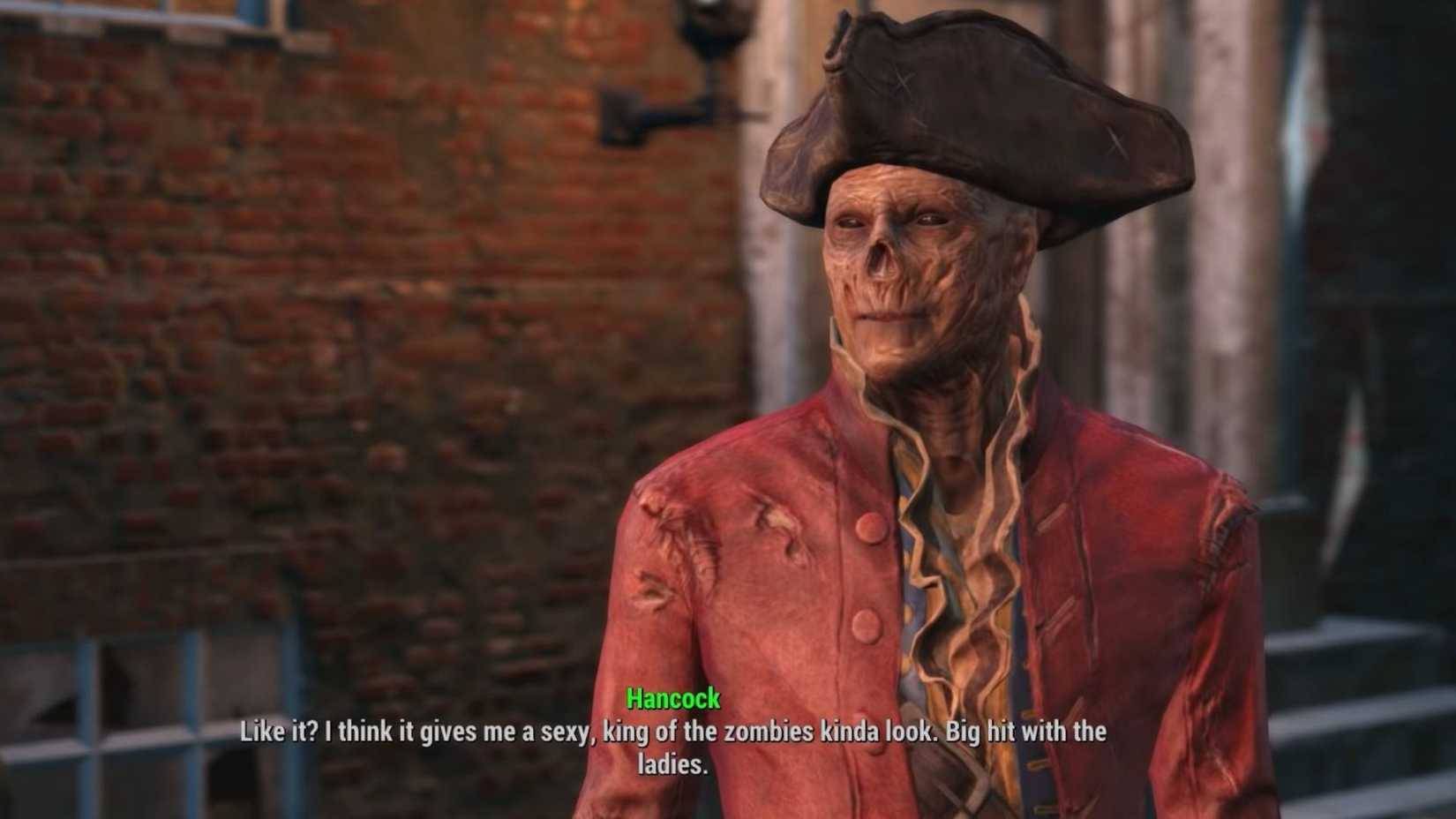
John Hancock, the ghoul mayor of Goodneighbor, embodies a unique brand of morality in the Wasteland. While he openly advocates for the use of chems and embraces a certain level of street-level justice, he is also a fierce champion for the rights of ghouls and other societal outcasts, ensuring Goodneighbor remains a sanctuary. His governance of Goodneighbor is notably more reasonable and just than that of many other tyrannical figures encountered throughout the Fallout series.

Hancock serves as a potent counterpoint to characters who have been broken and hardened by the Wasteland’s brutality. His own transformation into a ghoul, a result of desperate experimentation with an untested drug, demonstrates that survival does not necessitate a descent into cruelty. He proves that even after hitting rock bottom, kindness and compassion can still prevail.
Porter Gage: A Cruel Raider Out of Practicality
For much of the Fallout series, Raiders have been depicted as little more than chem-addled marauders, devoid of any discernible rationale. The Nuka-World DLC, however, introduces Porter Gage, a character who challenges this perception.
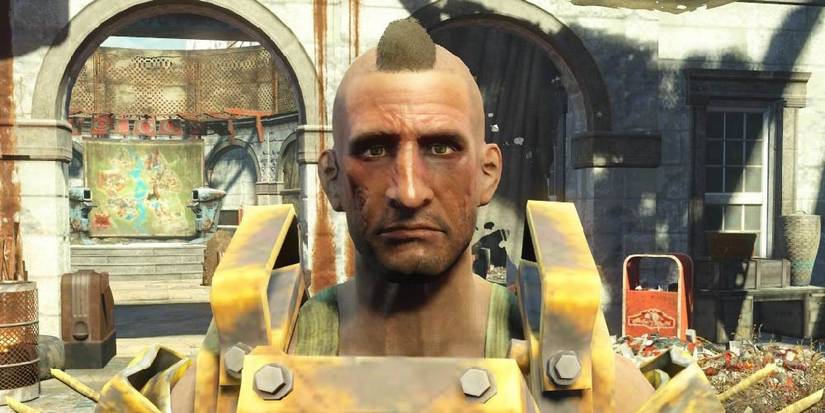
Much like Kellogg, Gage’s life was irrevocably altered by the harsh realities of the Wasteland. This experience led him to embrace the raider lifestyle, not out of inherent bloodlust, but as a pragmatic means of ensuring he would never again be a victim.
Despite his affiliation with raiders, Gage stands in stark contrast to their typical behavior. While he condones petty looting and light extortion, he vehemently despises the rampant drug abuse among other raiders. He values strength and self-interest, qualities that ultimately lead him to pledge his loyalty to the player character, even to the point of sacrificing himself in battle. In his pursuit of becoming the quintessential raider, Gage ironically becomes the antithesis of everything they represent.
Kyle & Riley: Victims of The Synth Crisis
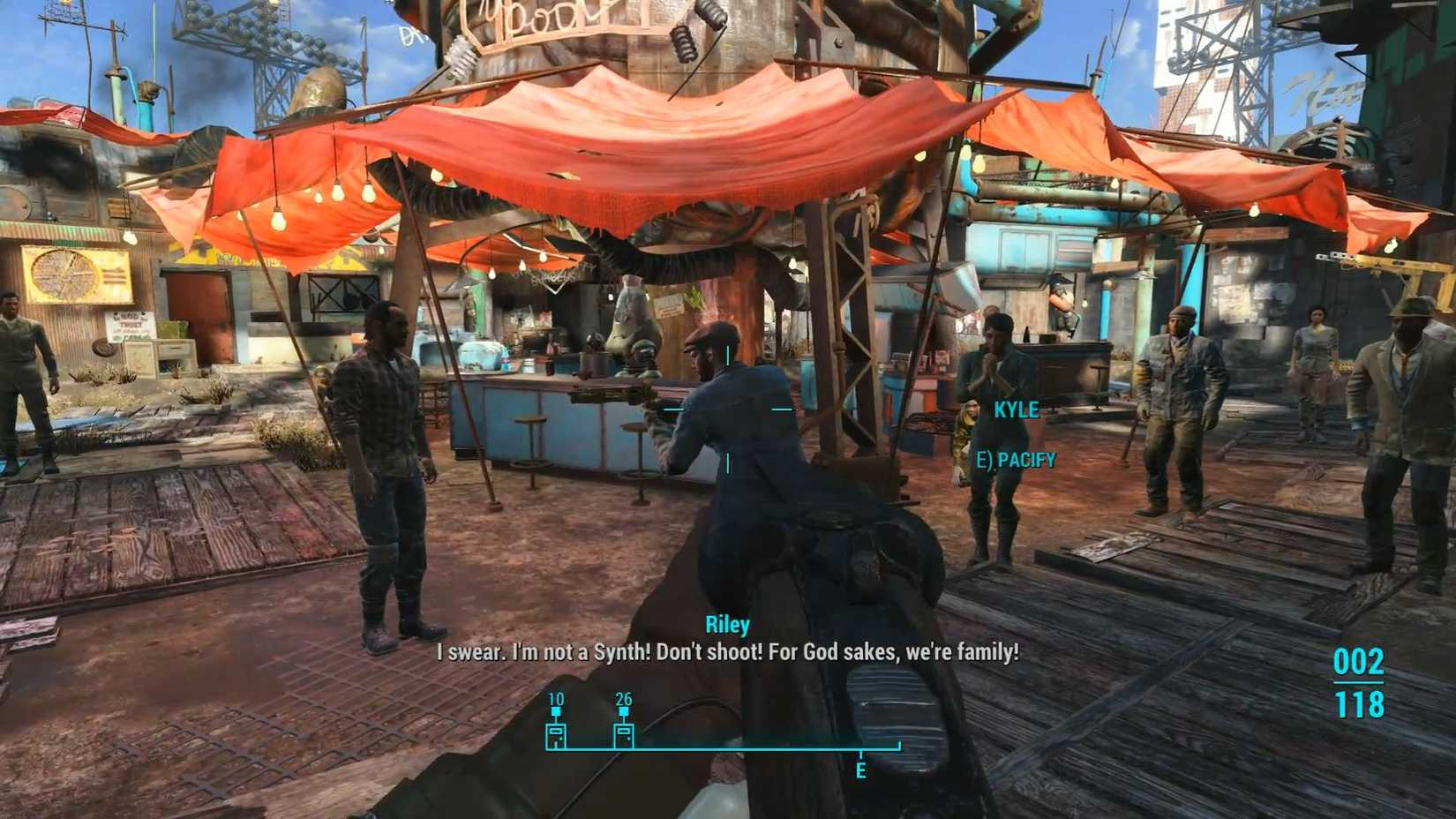
Fallout 4 could have benefited from a more extensive exploration of how the widespread suspicion of synths impacts the citizens of the Commonwealth. In a rare and poignant moment that touches upon this paranoia, players encounter Kyle in Diamond City. Driven by suspicion, he confronts his own brother, Riley, with a drawn weapon, accusing him of being a synth.
The ensuing tension quickly escalates, with guards intervening. While the player can attempt to de-escalate the situation, Kyle’s paranoia ultimately leads to his demise, regardless of the player’s actions. If the player chooses to investigate further, they can find Riley’s body, but the absence of any Institute-related items or synth components confirms his humanity.
This brief, albeit tragic, encounter serves as a stark reminder of the pervasive fear and distrust sown by the synth crisis. It highlights the devastating reality that loved ones could be replaced without anyone noticing, a chilling testament to the psychological toll of the ongoing conflict.











No comments yet. Be the first to join the conversation!