Lina Irawan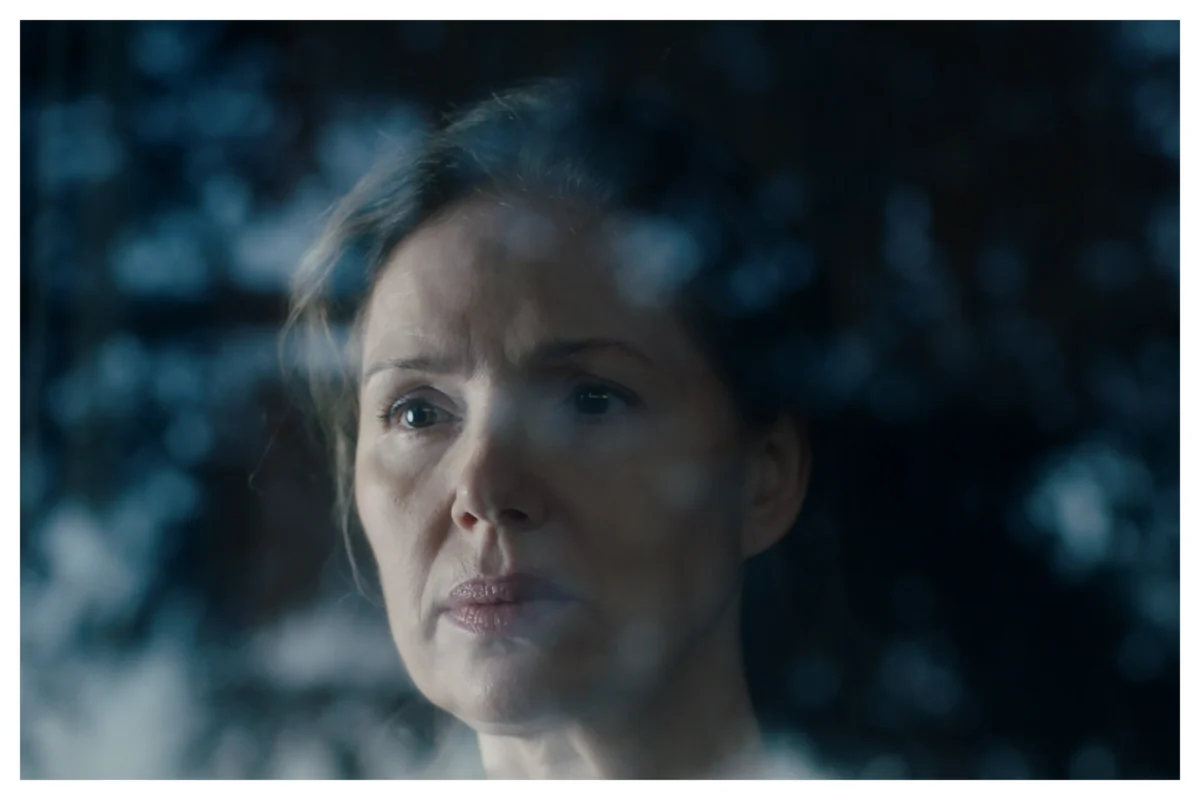
By Industry Correspondent
The Tribeca Film Festival has long served as a prestigious launchpad for international cinematic voices, but few stories of return are as poignant as that of Israeli filmmaker Ruthy Pribar. Four years after her breakout debut Asia made waves in a digital-only landscape, Pribar is set to grace the festival in person next week with her highly anticipated sophomore feature, What is to Come.
The film, a harrowing yet deeply hopeful exploration of grief, resilience, and the fragile nature of human connection, marks a significant milestone in Pribar’s career. As Deadline can exclusively reveal today, the first clip from the film offers a haunting glimpse into the internal turmoil of its protagonist, Yehudit—a woman thrust into the unfamiliar territory of a second chance at life after a tragedy that was meant to be a final act.
The Narrative Core: A Story of Survival and Rebirth
At the heart of What is to Come lies a performance by Ronit Yudkevitch, who portrays Yehudit, a sheltered farmer’s wife living a life defined by societal expectations and quiet domesticity. When her marriage is consumed by hidden debts and overwhelming despair, she and her husband enter into a suicide pact. However, in a climactic moment of existential pivot, Yehudit backs out, leaving her husband dead and her own life irrevocably fractured.
Driven by the suffocating weight of shame and the cold reality of financial ruin, Yehudit flees her rural home for the resort city of Eilat. It is here that the film shifts from a study of trauma to an examination of human empathy. As she navigates the transient, neon-lit world of the tourist town, Yehudit finds herself forming an unlikely, profound bond with a disparate group of individuals: migrants, refugees, and a compassionate hotel manager. Through these connections, she begins to dismantle the life she was told to live, slowly reconstructing her identity from the ruins of her past.
A Full-Circle Moment: The Tribeca Legacy
For Pribar, the journey to the 2024 Tribeca Film Festival is deeply personal. In 2020, her directorial debut Asia became a critical darling, winning the prestigious Nora Ephron Prize—an honor reserved for female filmmakers whose work embodies the spirit of the late writer and director. That year, however, the global COVID-19 pandemic forced the festival to migrate entirely online, denying Pribar the quintessential experience of sharing her work with a live audience.
The success of Asia was staggering: Shira Haas took home the award for Best Actress, while Daniella Nowitz received accolades for her evocative cinematography. The film’s trajectory eventually led it to become Israel’s official submission for the Academy Awards.
"Returning with my second feature carries enormous meaning for me," Pribar told Deadline. "In 2020, the film’s journey went far beyond anything I could have imagined; I experienced it entirely from afar. To finally share a film with audiences in person at Tribeca feels incredibly emotional and deeply full circle."
The Genesis of a Narrative: A Real-Life Encounter
While the premise of What is to Come is cinematic in its execution, its roots are firmly planted in the soil of reality. Pribar reveals that the project was born from a chance encounter with a stranger that left an indelible mark on her worldview.
"A few years ago, I met a woman who changed me," Pribar recalls. "We had only just met when she asked if I could drive her to her husband’s grave. She had no car, the cemetery was far from any bus line, and there was something about the trust behind the request that stayed with me."
The experience was visceral. Pribar describes standing beside the headstone in the oppressive, brutal heat of an Israeli August as the woman recounted her story. "Buried beneath crushing debt and despair, she and her husband had made a plan to end their lives together. At the last moment, she chose to live," Pribar says.
What struck the director most wasn’t the tragedy of the event, but the woman’s retrospective perspective. "What moved me most was not only what she had survived, but the way she spoke about it. Alongside the grief and shame was an unexpected sense of gratitude, even wonder, at the possibility of beginning again. That encounter became the emotional foundation of What is to Come."
Production Synergy and Creative Vision
The creation of What is to Come serves as a reunion for the creative team that made Asia such a visual and emotional success. The feature brings back cinematographer Daniella Nowitz, whose ability to capture the intimate, often claustrophobic spaces of the human heart is central to the film’s aesthetic.
Behind the scenes, the film is produced by Yoav Roeh and Aurit Zamir, alongside Dana Hëegh, under the banner of Gum Films. The collaboration suggests a continuation of the distinct, minimalist, and emotionally resonant style that established Pribar as one of Israel’s most promising auteurs. By focusing on the interplay between a woman’s internal landscape and the external, often indifferent environment of Eilat, the team aims to challenge the audience’s perceptions of "the aftermath."
Implications: Thematic Resonance in Modern Cinema
The film arrives at a time when global cinema is increasingly grappling with themes of displacement, economic precarity, and the search for identity within broken systems. By placing Yehudit—a character traditionally associated with domestic stability—into the orbit of migrants and refugees, Pribar creates a fascinating juxtaposition.
Bridging the Divide
The film explores how shared trauma can act as a bridge between individuals from vastly different walks of life. Yehudit, who enters Eilat with the baggage of a middle-class tragedy, finds herself mirrored in the stories of those who have lost their homes or countries.
The Aesthetics of Shame
One of the most compelling aspects of the film is its treatment of shame. Unlike films that use tragedy as a plot device to generate sympathy, What is to Come treats shame as a physical weight that the protagonist must learn to discard. The cinematography, handled by the returning Nowitz, reportedly uses the harsh, bright light of the Red Sea resort city to strip away the shadows where Yehudit’s shame has been hiding, forcing a confrontation with reality.
The Road Ahead: Why What is to Come Matters
As the industry prepares for the Tribeca premiere, the buzz surrounding Pribar’s latest work is palpable. The film is not just an artistic endeavor; it is a testament to the endurance of the creative spirit under pressure.
Following the global disruption of the arts industry in 2020, the act of returning to the theater has become a thematic element in itself. Pribar’s "full circle" moment reflects a broader sentiment among independent filmmakers: the belief that film, when shared in a collective space, serves as a vital tool for healing and understanding.
Whether What is to Come will achieve the same awards-season traction as Asia remains to be seen, but the pedigree of the creative team and the raw, authentic source material suggest that it will be a significant entry in this year’s festival circuit. For audiences in New York, the film offers an opportunity to engage with a story that refuses to be silenced by tragedy—a story that, much like its protagonist, chooses to move forward, even when the path ahead is uncertain.
In the coming days, as the lights dim at the Tribeca screening, the focus will shift from the director’s journey to the film’s message. What is to Come promises to be more than just a title; it is a question, an invitation, and a quiet, profound declaration that even when a life seems finished, the act of living is only just beginning.


 Jia Lissa
 Iffa Jayyana