Nana
Nana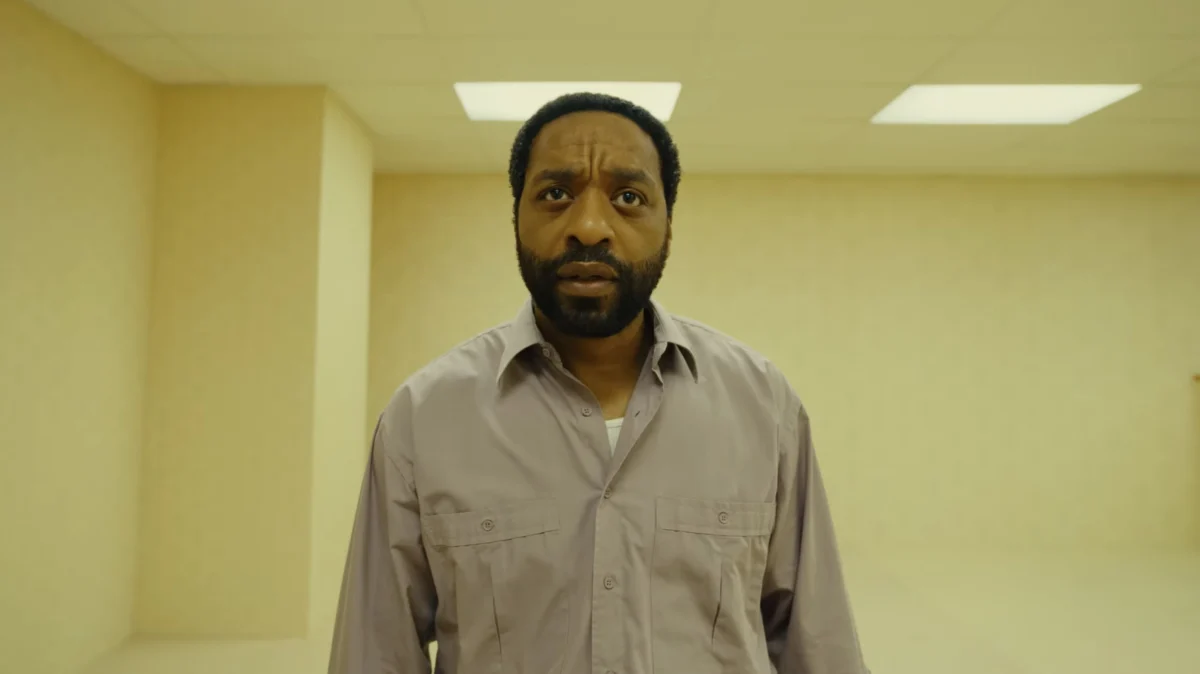
In an era where original intellectual property is increasingly difficult to cultivate, a seismic shift has occurred at the global box office. A24’s Backrooms, directed by 20-year-old YouTube visionary Kane Parsons, has done more than just open well; it has dismantled the established metrics of success for independent horror. With an estimated domestic opening of $81.4 million and a total global haul of $118 million, Backrooms has officially signaled the arrival of a new cinematic powerhouse, proving that the digital-to-theatrical pipeline is no longer a fringe experiment—it is the industry’s new frontier.
The Financial Phenomenon: A Historic Opening
The numbers behind Backrooms are, by any objective standard, staggering. Produced on a lean $10 million budget, the film has achieved a return on investment that would make major studio tentpoles green with envy. To put this into perspective, the film shattered A24’s previous opening weekend record held by Alex Garland’s Civil War, which debuted at $26 million in 2024.
Even more impressive is the discrepancy between analyst expectations and actual performance. As recently as two weeks prior to release, industry projections suggested a modest $35 million opening. By crushing these estimates by over 130%, Backrooms has demonstrated the sheer, untapped power of a built-in, internet-native audience. With international markets still opening, the film’s total global gross is expected to climb significantly, positioning it as the undisputed surprise hit of the year.
Chronology: From Creepypasta to Cinema
The journey of Backrooms is a masterclass in modern cultural evolution. The concept—a surreal, infinite series of yellow-hued, office-like rooms—originated as a simple internet "creepypasta" on forums like 4chan. However, it was Kane Parsons who breathed cinematic life into the concept.
- The Viral Genesis: Parsons began uploading short films to his YouTube channel, utilizing high-end CGI and immersive atmosphere to expand the "Backrooms" lore. These shorts garnered hundreds of millions of views, building a dedicated, global fanbase.
- The A24 Partnership: Recognizing the viral potential and the sheer technical proficiency of the shorts, A24 took the bold step of betting on the young director.
- Production: With a $10 million budget, Parsons transitioned from a solitary creator to the captain of a professional production, casting industry stalwarts like Chiwetel Ejiofor and Renate Reinsve.
- The Release: The film’s marketing relied heavily on the existing digital community, resulting in a coordinated, massive theatrical turnout that caught traditional analysts off-guard.
Supporting Data: Why It Worked
The success of Backrooms can be attributed to three distinct pillars:
- Budget Efficiency: In an age of $200 million blockbusters, Backrooms proves that horror thrives on intimacy and atmosphere rather than bloated spectacle. The $10 million budget allowed A24 to maintain creative control while ensuring that even a moderate theatrical run would yield substantial profit.
- The "Gen Z" Factor: While traditional media outlets struggled to track the buzz, the film’s target demographic was already mobilized. By the time the general public became aware of the film, the "Backrooms" community had already turned the opening weekend into an event, reminiscent of the "Barbenheimer" phenomenon.
- The Talent-Platform Pipeline: The success of Backrooms follows the recent trajectory of other horror successes like Obsession. It confirms a trend: audiences are increasingly looking to proven digital creators to translate their unique aesthetic sensibilities into long-form cinema.
The Implications for A24 and the Industry
The immediate implication is clear: Backrooms is not a one-off. It is the cornerstone of a new franchise. Negotiations for a sequel—or perhaps a series of sequels—are reportedly already underway.
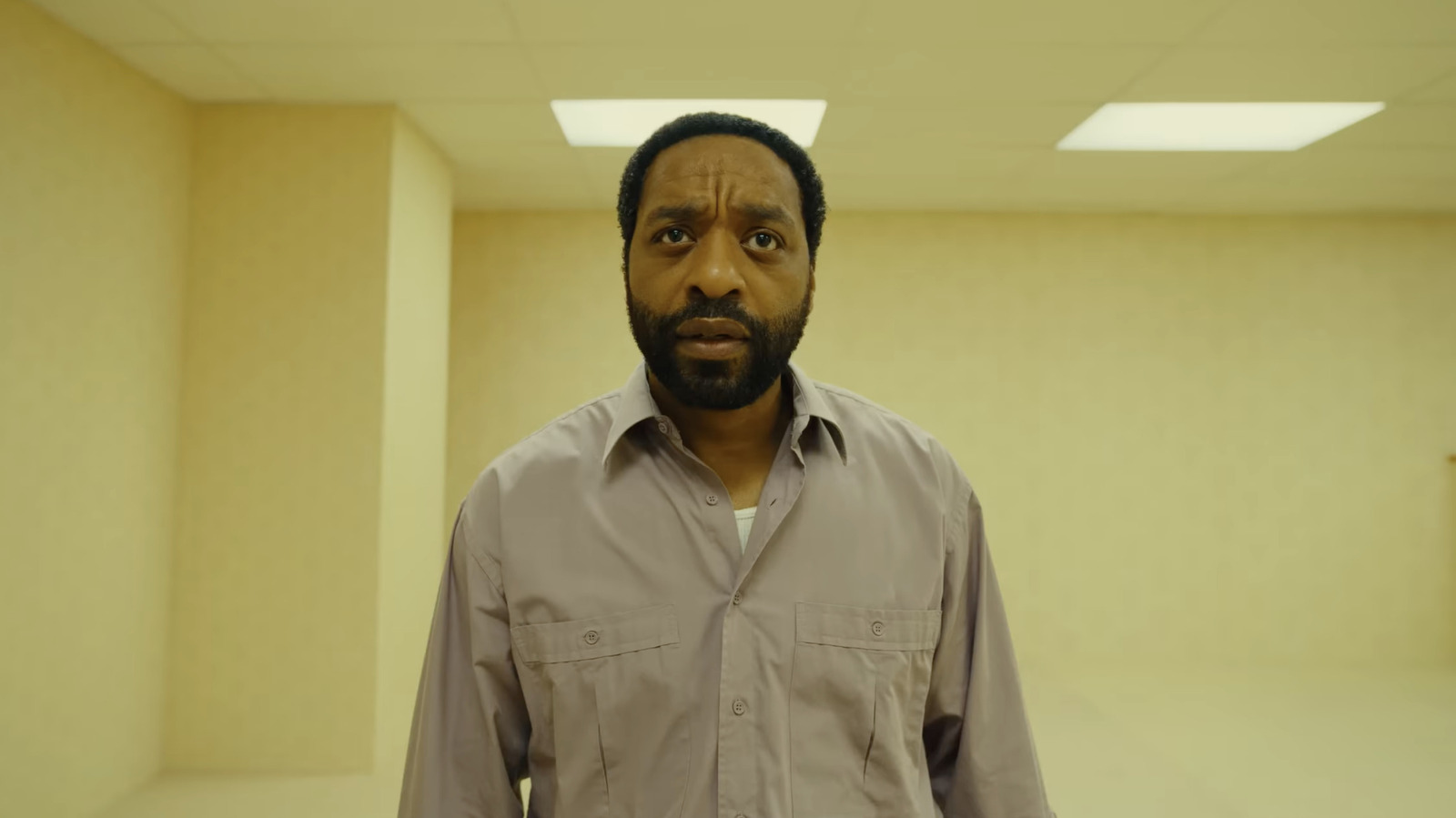
A24 is historically known for elevated, auteur-driven genre films, but Backrooms marks a pivot toward franchise-building. Much like the 2018 Halloween revival, where sequels were planned in tandem to ensure narrative cohesion, we can expect a multi-film roadmap for the Backrooms universe.
Furthermore, this success forces Hollywood to reckon with the "YouTube Creator" status. We are witnessing the end of the traditional gatekeeping era in film production. When a director who has not yet reached the legal drinking age in the United States can command an $80 million opening weekend, the traditional path to Hollywood—film school, short films in festivals, and years of assistant work—is officially being bypassed by direct-to-audience digital success.
A New Era of Horror Franchises
The "Backrooms" aesthetic—characterized by "liminal space" horror—taps into a specific psychological unease that resonates deeply with modern audiences. Unlike traditional slasher films or supernatural haunts, the Backrooms environment is existential and isolating.
By grounding this high-concept premise with veteran actors like Ejiofor, A24 provided the legitimacy needed to cross over from internet subculture to the mainstream multiplex. This combination of "digital-native creativity" and "prestige acting talent" is a blueprint that other studios will undoubtedly attempt to replicate in the coming years.
Official Responses and Industry Sentiment
While A24 has kept the specific details of future negotiations private, the industry sentiment is one of awe. Box office analysts have noted that the "Backrooms" performance is an outlier that defines a paradigm shift.
"The industry has been looking for the next Saw or Paranormal Activity for a decade," says one anonymous studio executive. "Kane Parsons didn’t just find it; he built it in his bedroom. It’s a wake-up call that the audience for horror is shifting toward creators who understand internet horror culture intimately."
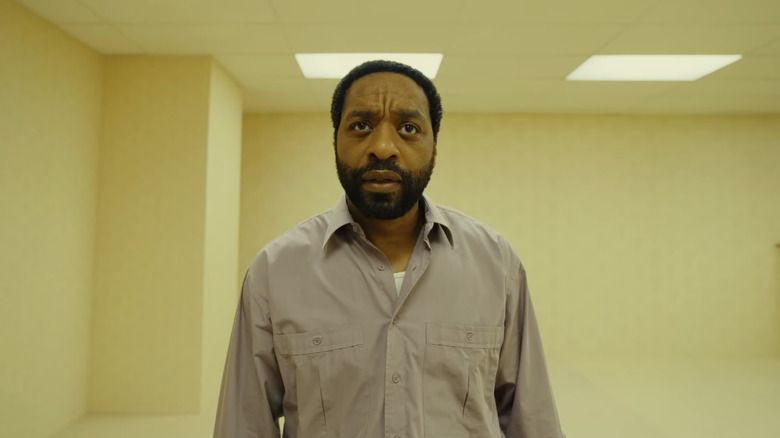
For Parsons himself, the pressure is now immense. Transitioning from a solo creator to a franchise architect is a monumental leap. However, the film’s critical reception, which highlights its visual flair and unsettling pacing, suggests that the director is more than capable of managing the scale of a larger cinematic universe.
Conclusion: The Future of the Franchise
As Backrooms continues to dominate theaters, the conversation has already shifted to what lies beyond the yellow wallpaper. With the lore of the "Backrooms" being vast and multifaceted, the potential for spin-offs, prequels, and expanded sequels is virtually limitless.
The success of this film is a testament to the fact that horror remains the most resilient genre in cinema. It adapts, it evolves, and now, it has fully integrated the digital age. As for A24, they have secured their position as a forward-thinking studio willing to gamble on the next generation.
Gen Z has arrived at the gates of Hollywood, and they have brought their own cameras, their own scripts, and, most importantly, their own audience. If Backrooms is any indication, the future of the horror franchise is bright, neon-yellow, and terrifyingly infinite.


 Jia Lissa
 Muslim