Nila Kartika Wati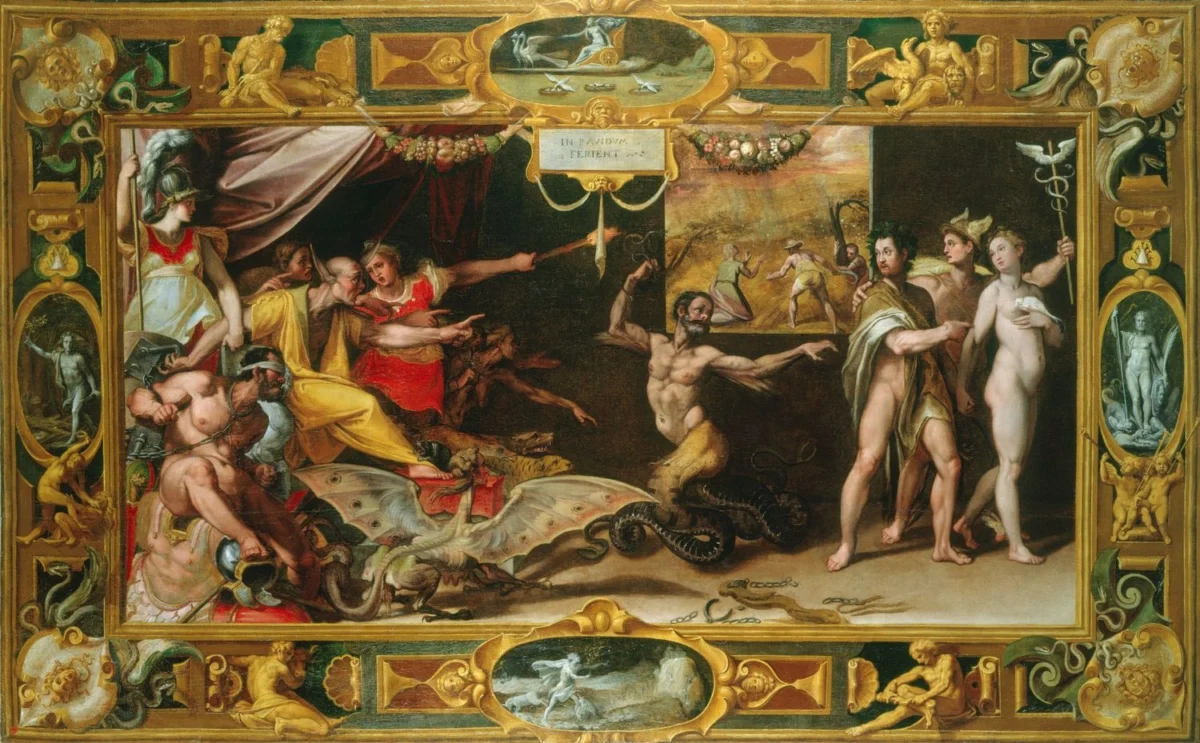
For the regular readers of Seeds of Story, the routine is well-established: a deep dive into a specific work of non-fiction, a critical assessment of its plausibility, and an extraction of the "seeds"—the narrative kernels that can germinate into compelling speculative fiction. Typically, this is a sedentary pursuit, a literary column born of library stacks and quiet afternoons.
However, recent weeks have necessitated a departure from the page. Following a series of conferences, museum visits, and treks through the Scottish Highlands, it has become clear that the most potent inspiration for speculative writers often exists outside the printed word. Inspiration is an ecological process; it is found in the physical architecture of museums, the hum of ancient instruments, and the "touch grass" reality of walking through landscapes steeped in myth. This edition of Seeds of Story acts as a field report, exploring how the physical world—from Renaissance spite to digital ecology—is currently informing the future of speculative storytelling.
The Architecture of Influence: Main Facts and Observations
The inspiration gathered during this recent excursion spans three distinct domains: the petty, vengeful politics of the Italian Renaissance, the acoustic engineering of the 13th through 19th centuries, and the pressing, urgent need for "rewilding" our digital infrastructures.
The core premise emerging from these experiences is that speculative fiction is not merely an intellectual exercise in world-building; it is a reflection of the systemic pressures of the past and present. Whether observing the calculated malice in a Federico Zuccaro painting or debating the governance of rural Scottish networks, the objective remains the same: identifying how human systems—social, mechanical, or digital—break down and how they might be rebuilt.
A Chronology of Discovery
The journey began in Brussels, Belgium, a city that acts as a bridge between the historical preservation of the Renaissance and the avant-garde preservation of musical history.
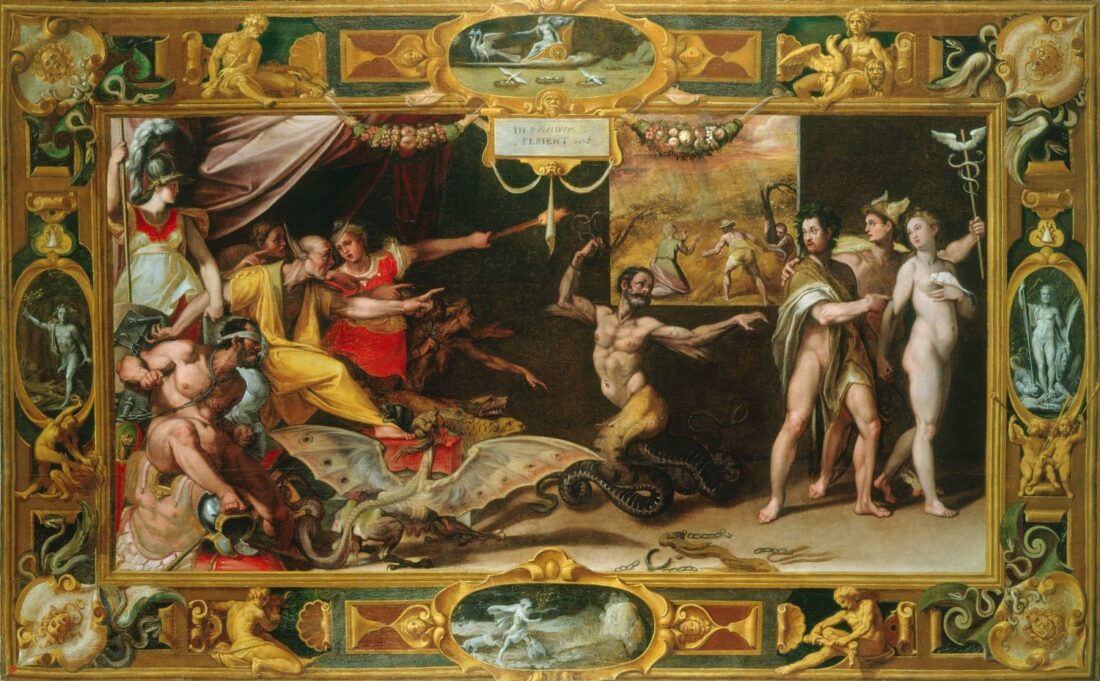
- Week 1: The Renaissance of Revenge. A visit to the Bozar exhibit, "Beauty and Ugliness in the Renaissance," provided a masterclass in how personal vendettas shaped the art of the 16th century. While the exhibit promised a collection of Botticellis, the true revelation was found in the work of Federico Zuccari. Zuccari, a painter whose professional life was defined by missed deadlines and fierce competition, transformed his grievances into allegorical masterpieces. By painting his former clients with donkey ears and his rivals with grotesque, tentacled limbs, he proved that spite is a formidable engine for creative output.
- Week 2: The Acoustic Archives. The focus shifted to the Musical Instrument Museum (MIM) in Brussels. Far from a static display, the museum’s integration of high-fidelity audio tours transformed the experience from a walk-through of history into an immersive sonic landscape. Witnessing the evolution of instruments—from snake-headed trumpets to two-necked guitars—offered a vital lesson for science fiction authors: technology does not progress in a straight, logical line. It evolves based on immediate, often fleeting, cultural needs.
- Week 3: Rewilding the Web. The final leg of the trip took place in Edinburgh, Scotland, for a workshop on "Rewilding the Web." This movement, championed by thinkers like Maria Farrell and Robin Berjon, posits that the internet’s current state of corporate consolidation—the "walled garden" model—is fundamentally unsustainable. The workshop explored how bioregional governance models could be applied to digital spaces to foster complexity rather than monocultural efficiency.
Supporting Data: Technological and Historical Context
To understand why these experiences serve as "seeds" for fiction, one must look at the data points underpinning them.

In the case of the Renaissance, the art historical data is clear: the Calumny of Apelles was a recurring trope. Zuccari’s iteration, however, is a departure into personal narrative. It reminds the modern writer that history is not just composed of grand social movements, but of the petty, human behaviors that influence the trajectory of art.
Regarding the Musical Instrument Museum, the data is found in the sheer volume of "failed" experiments. In the history of lutherie, thousands of designs were discarded because they didn’t suit the specific acoustic or social environment of their time. For a science fiction writer, this is a goldmine. When designing a futuristic society, writers often default to the standard "high-tech" equipment. The history of music reminds us that "failed" tech—or tech designed for incredibly specific, niche environments—is often more interesting than the standard model.
Finally, the "Rewilding the Web" movement provides a sobering look at digital demographics. With the rise of Large Language Models (LLMs) and the tendency for major search engines to prioritize in-house answers over external links, the internet is undergoing a period of "regularization." The data suggests that we are losing the "edge cases"—the small, independent, and weird corners of the web that historically fostered innovation.
Official Responses and Philosophical Inquiry
The "official" discourse at the Edinburgh workshop was marked by a shift in tone regarding our relationship with technology. Robin Berjon’s question—"What should computers be for?"—was the defining query of the event. The response from the attendees was a rejection of "personalization" as a form of corporate control.
Instead, the consensus leaned toward agency. Agency, in this context, is defined as the user’s ability to interact with information without being nudged, tracked, or curated by an opaque algorithm. This aligns with the "sensor garden" concept presented by Sonia Sobrino Ralston. By creating systems that make the state of our "digital ecology" visible—much like indicator plants reveal the pollution levels of a Superfund site—we might finally be able to reclaim the internet.
Furthermore, the connection to King Arthur in Edinburgh’s Holyrood Park served as a perfect, ironic bookend to the trip. When asked why King Arthur would be associated with a hill in Scotland, the only reasonable answer was, "He’s sitting." The myth of Arthur is often treated with gravity, yet its physical presence in the landscape is often mundane. This dichotomy—the mythic versus the mundane—is a cornerstone of effective speculative fiction.
Implications for Future Narrative
What does this all mean for the novelist or the screenwriter? The implications are three-fold:
- The Humanization of Dystopia. Zuccari’s paintings teach us that even in the most rigid systems (the Papal hierarchy of the 16th century), individual actors can exert influence through spite and satire. Future science fiction should focus less on the "evil overlord" trope and more on the petty, bureaucratic, and deeply personal ways that individuals sabotage or manipulate the systems they inhabit.
- Technological Diversity. The lesson from the Musical Instrument Museum is to embrace the bizarre. If a story features a space-faring civilization, why does their tech look like our modern tablets? Why wouldn’t it be shaped by the constraints of their environment, their specific cultural quirks, or their own version of a "snake-headed trumpet"?
- The Necessity of Digital Rewilding. The "Rewilding the Web" movement suggests that the next wave of speculative fiction should grapple with the death of the open internet. Stories about the "last of the independent nodes" or the "digital bison" that tear up the soil of corporate monopolies are not just metaphors; they are potential blueprints for a different kind of future.
Conclusion: The Path Forward
The trip concluded with a reading of Ada Hoffman’s Ignore All Previous Instructions, a novel that perfectly encapsulates the tension between queer artistic identity and the cold, corporate reality of AI-driven dystopias. It is a work that serves as a reminder: we are always here, and we are always resisting.
As we look toward the next few months, the challenge for the speculative community is to stop looking for answers in the same old places. The "seeds" are not just in the books we read; they are in the museums we visit, the hills we climb, and the broken, messy, beautiful ways we connect with one another. Whether you are building a galaxy or writing a short story about a neighborhood network, remember to look for the snake-headed trumpets in the back of the room. They are the ones telling the real story.
Recommended Reading for the Inspired:
- 140 Artists’ Ideas for Planet Earth (Eds. Hans Ulrich Obrist and Kostas Stasinopoulos)
- The Ecology of Law: Toward a Legal System in Tune With Nature and Community (Fritjof Capra and Ugo Mattei)
- Ignore All Previous Instructions (Ada Hoffman)
- Hell’s Heart (Alexis Hall)


 Asep Darmawan
 Dwi Wanna