Siti Muinah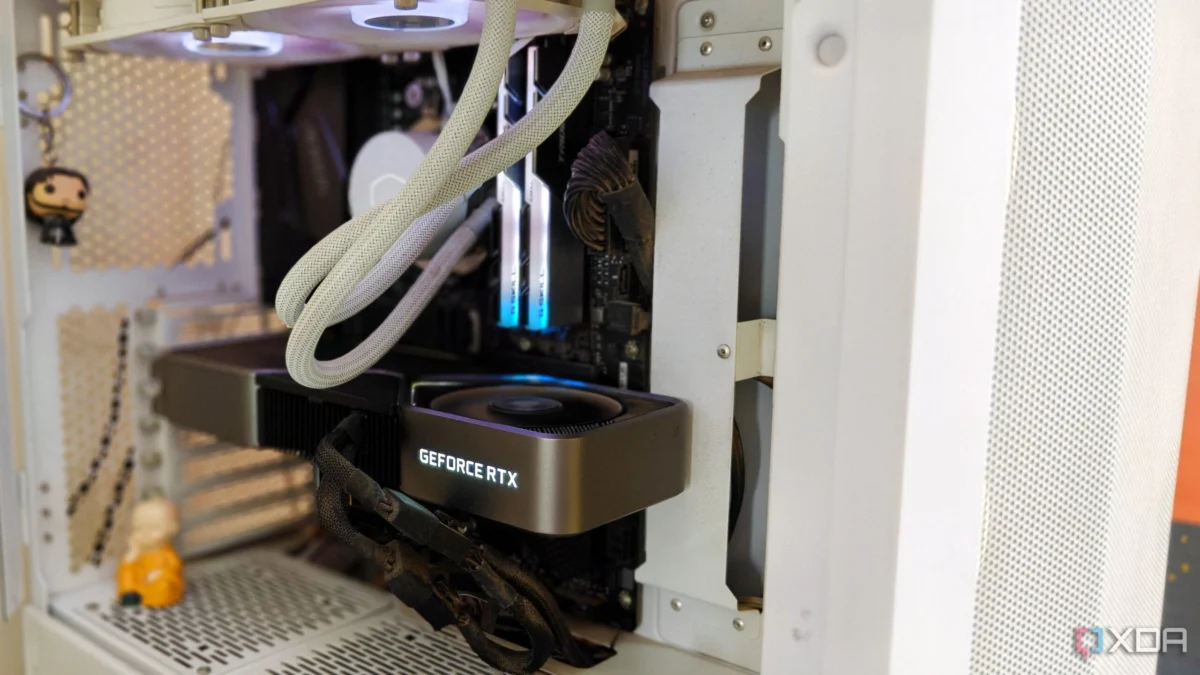
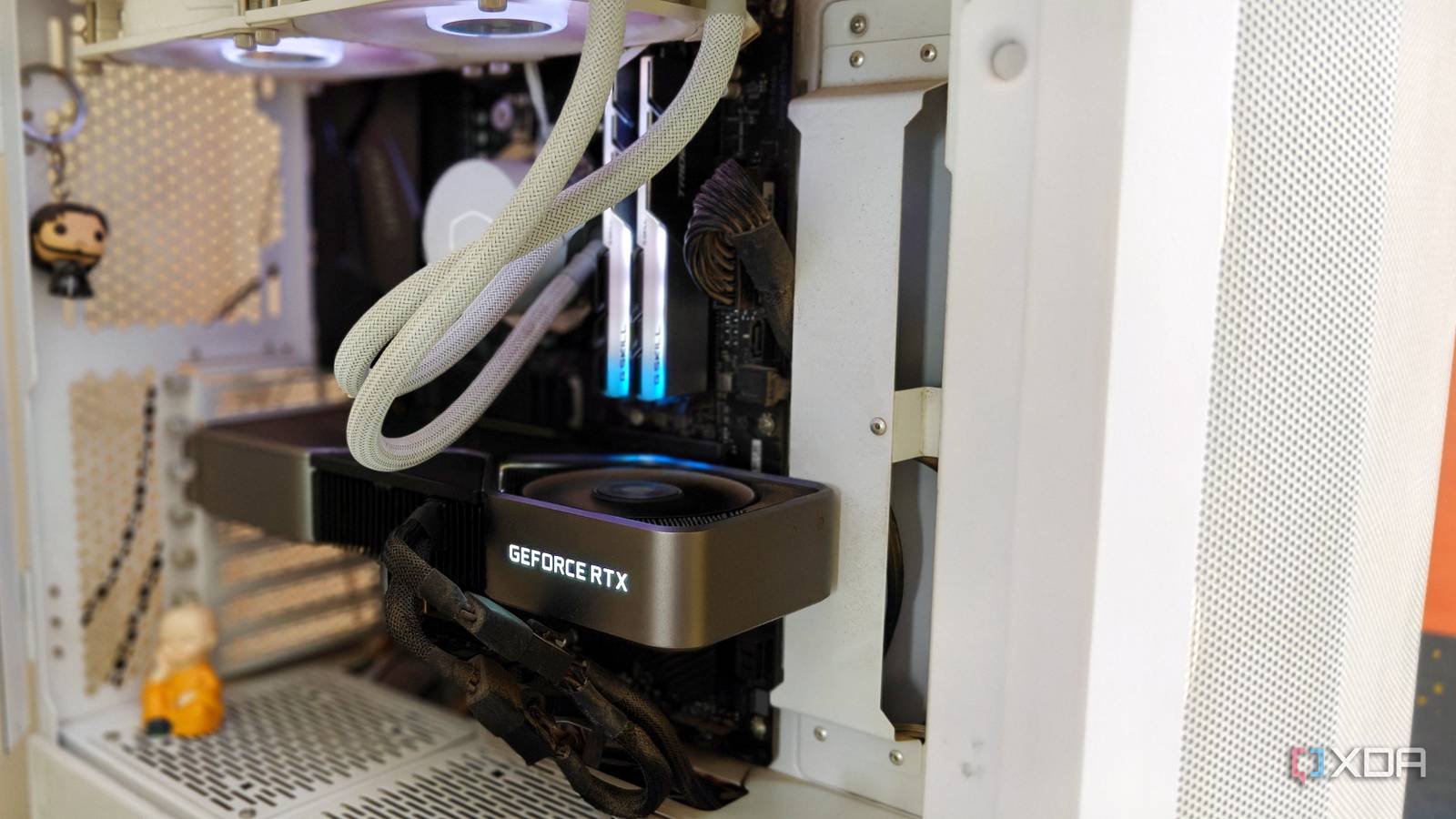
For nearly five years, the Nvidia GeForce RTX 3080 was the gold standard of high-end gaming. Released in late 2020, it offered a generational leap that redefined what PC enthusiasts could expect from their rigs. For many, including myself, it was a "buy once, cry once" purchase that promised longevity. However, as the gaming landscape shifts into mid-2026, that once-mighty card is facing an existential crisis. Driven by aggressive VRAM demands and the heavy computational requirements of the latest DLSS iterations, the RTX 3080 is finally showing its age.
Main Facts: The 10GB VRAM Bottleneck
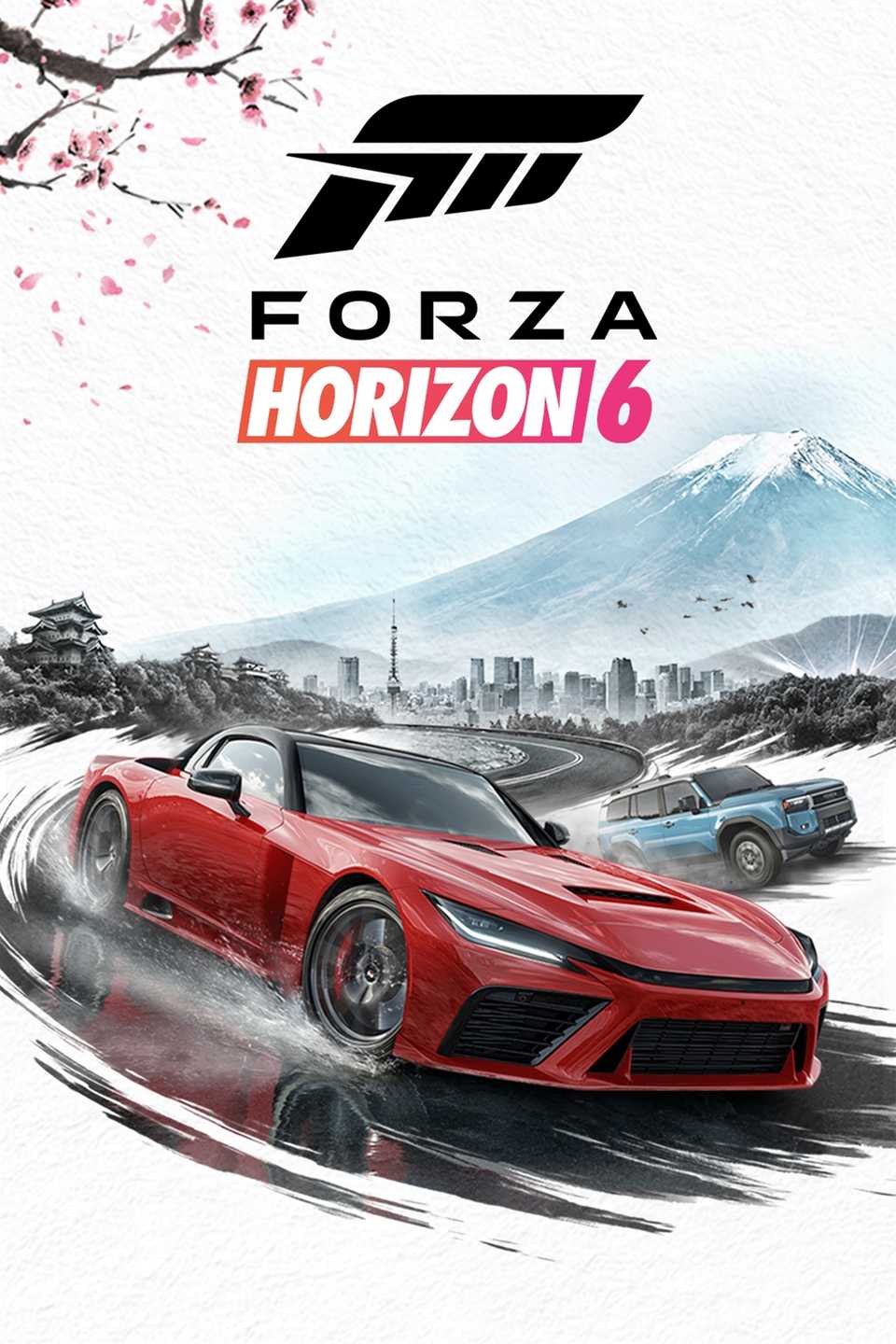
The core of the issue lies in a technical limitation that was debated heavily at the card’s launch: the 10GB VRAM capacity. While 10GB seemed sufficient in 2020, modern titles like Forza Horizon 6—released in May 2026—have pushed the boundaries of texture streaming and ray tracing overhead.
Modern rendering pipelines, particularly those utilizing heavy Ray Tracing (RT) Global Illumination and reflections, require significant frame buffer space. When a GPU runs out of VRAM, it doesn’t simply crash; it resorts to swapping assets from the system’s slower RAM, leading to massive frame-time spikes, stuttering, and, eventually, a forced reduction in texture quality. For an RTX 3080 user, the choice is binary: sacrifice the visual fidelity of modern lighting or accept unplayable framerates.
Chronology of a Declining Titan
- Late 2020: The RTX 3080 launches, hailed as the king of 1440p and entry-level 4K gaming.
- 2022–2024: The card maintains its relevance. Despite the launch of the RTX 40 series, the 3080 continues to crush AAA titles like Cyberpunk 2077 and Alan Wake 2 with reasonable settings.
- Early 2026: Nvidia introduces DLSS 4.5. While the technology improves image quality, the new transformer models demand more VRAM and compute overhead, placing the 3080 under immense pressure.
- May 2026: Forza Horizon 6 debuts. The game serves as a "stress test" that forces the user to choose between modern visual features and smooth performance.
- June 2026: The realization sets in—the RTX 3080 is no longer a "high-end" card in the context of the latest gaming releases, marking the end of its prime.
Supporting Data: The Cost of DLSS 4.5
The arrival of DLSS 4.5 was met with excitement by the enthusiast community, promising better motion handling and artifact management. However, testing the new presets revealed a harsh reality for 10GB cards.
When testing Forza Horizon 6 at 1440p with Ray Tracing (RT) enabled, the results were telling:
- DLSS 4 (Preset K): With medium RT, the card achieved a stable 90 FPS.
- DLSS 4.5 (Preset L): Focusing on the highest visual fidelity, the frame rate plummeted to 45 FPS, with clear signs of VRAM overflow.
- DLSS 4.5 (Preset M): A compromise mode that boosted performance to 55 FPS, still falling short of the "playable" 60 FPS target for an enthusiast.
The data indicates that while DLSS 4.5 is a technical marvel, its "VRAM tax" disproportionately impacts older hardware. The memory overhead required for the AI-driven upscaling models leaves little room for the textures and geometry of modern, high-fidelity environments.

Official Responses and Industry Context
Nvidia has not released a formal statement regarding the "obsolescence" of the 30-series, but their recent software updates suggest a shift in focus toward the Blackwell (RTX 50-series) architecture. The focus on newer, more efficient Tensor cores in the latest GPUs implies that older cards are increasingly becoming "legacy" devices.
Industry analysts note that this is a cyclical trend. Every four to five years, the baseline for hardware requirements shifts. In 2026, the industry standard for "high-end" is moving toward 16GB of VRAM as a minimum baseline. Developers are no longer optimizing for 8GB or 10GB buffers, as the market penetration of 16GB+ cards grows with the adoption of the RTX 50-series.
Implications for the PC Gaming Market
The "10GB problem" is not unique to the 3080. It represents a broader, more troubling trend in the GPU market.
1. The VRAM Wall
We are reaching a point where VRAM capacity is more important than raw compute power. A GPU could theoretically have the fastest shaders in the world, but if it cannot store the necessary assets for a modern game, it will fail. This realization is pushing many gamers toward upgrading sooner than they might have anticipated.
2. The Price-to-Performance Crisis
The market for high-end GPUs in 2026 is currently in a volatile state. In regions like India, the cost of an RTX 5080—the logical successor to the 3080—has soared to approximately $1,400. This massive price hike, combined with the premature "obsolescence" of previous-gen cards, creates a barrier to entry that is pushing many gamers away from the PC ecosystem and toward consoles or cloud gaming.
3. The Future of Optimization
Developers are increasingly relying on upscaling technologies to mask optimization shortcomings. When an upscaler requires more VRAM to function, the "magic" of AI gaming starts to look like a hardware sales tactic. The community is beginning to voice concerns that if developers continue to ignore memory efficiency, the lifespan of future GPUs will be even shorter than that of the RTX 30 series.
Conclusion: A Graceful Exit?
Is the RTX 3080 truly dead? For those who demand the latest ray-traced reflections and global illumination at 4K/60+ FPS, yes. It has reached the end of its competitive lifespan. However, for the vast majority of titles, it remains a capable performer, provided the user is willing to compromise on "Ultra" settings and disable heavy ray-tracing features.
The transition from a high-end powerhouse to a "good enough" card is never easy. As we look at the hardware trends of 2026, the lesson for consumers is clear: VRAM is the new currency of gaming. Whether it’s the 8GB cards that are already struggling or the 10GB and 12GB cards that are now beginning to feel the pinch, the "memory tax" is here to stay.
For now, I will continue to run my RTX 3080, tweaking settings and relying on the trusty DLSS 4, but I do so with the understanding that the era of being a "top-tier" gamer on this card has officially concluded. It was a legendary run, but in the fast-paced world of PC hardware, even the best eventually succumb to the relentless march of technological progress.


 Laily UPN
 Suro Senen