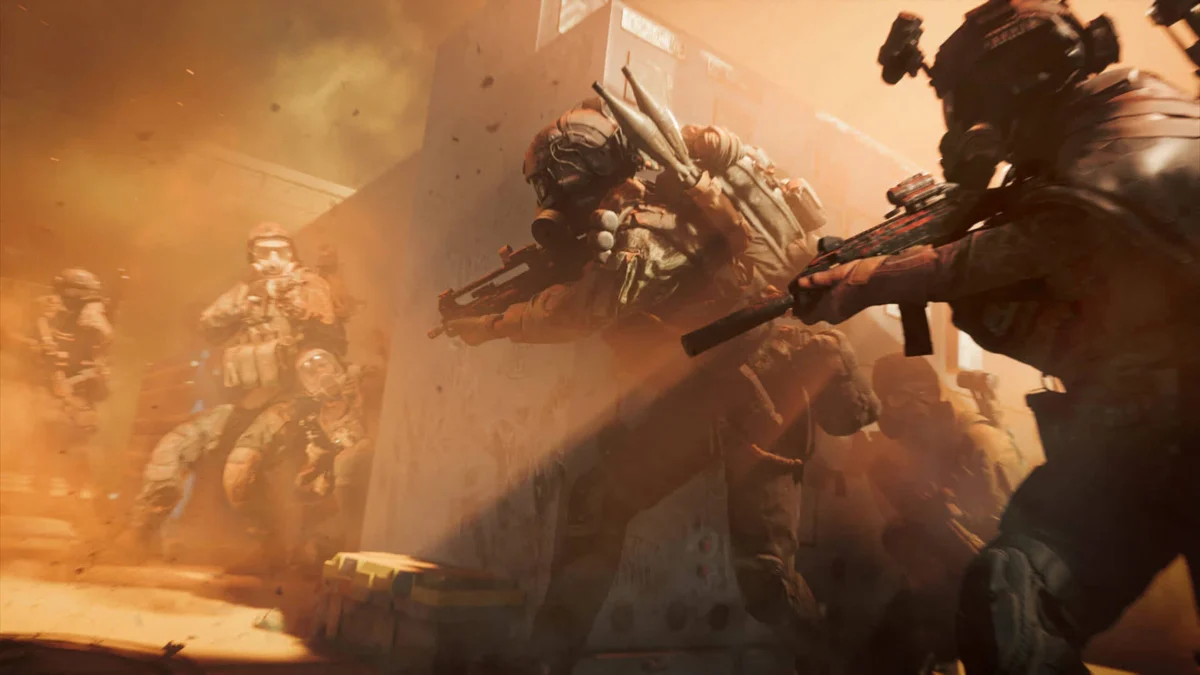
After months of speculation and a period of relative silence from Battlefield Studios, the developer has finally broken its cover. In a definitive "The Year Ahead" presentation, the team behind Battlefield 6 (BF6) has outlined a robust, three-season roadmap for 2026. This plan promises to address long-standing player requests, introduce a long-awaited theater of combat, and refine the core multiplayer experience. While the community remains cautiously optimistic, the roadmap signals a turning point for the franchise as it attempts to solidify its identity in a competitive shooter landscape.
Main Facts: What to Expect in 2026
The 2026 content plan is divided into three distinct seasonal updates: Season 3, Season 4, and Season 5. Each season is slated to bring a mix of map updates, gameplay feature overhauls, and new modes designed to keep the player base engaged through the end of the calendar year.
- Season 3 (Starting May 2026): Focuses on map revamps and competitive modes. Highlights include the return of the fan-favorite Golmud Railway (now "Railway to Golmud") and Battlefield 3’s iconic Grand Bazaar (now "Cairo Bazaar"). Additionally, the game will introduce Battle Royale Solos and a dedicated Ranked mode for the Redsec content module.
- Season 4 (Starting July 2026): The centerpiece of the year. This season introduces comprehensive naval combat, a new dynamic wave system, and the return of the legendary Wake Island map.
- Season 5: Currently shrouded in mystery, this season is confirmed to feature three new maps, though details regarding their geography or origin remain under wraps.
Chronological Breakdown of the 2026 Roadmap
Season 3: The Competitive Shift
Beginning in May, Season 3 marks a significant pivot toward competitive play. By integrating a dedicated Ranked mode for Redsec, Battlefield Studios is clearly aiming to capture the tactical shooter demographic that has historically gravitated toward rival titles. The inclusion of Cairo Bazaar is a strategic move to lean into tight, infantry-focused urban combat, providing a stark contrast to the sprawling vehicle-centric maps that dominated the game’s initial launch.
Season 4: The Naval Expansion
Scheduled for July, Season 4 is poised to be the most ambitious update in the game’s history. The introduction of naval combat is not merely a cosmetic addition; it involves a sophisticated "dynamic wave system" that promises to change the flow of combat in real-time. Players will see the introduction of fully operational aircraft carriers—which serve as mobile spawn points and airfields—as well as a dedicated suite of naval vessels. The launch of Tsuru Reef, touted as the largest map in the game, suggests that the developers are looking to test the upper limits of player count and map scale. The inclusion of Wake Island serves as a nostalgic anchor, intended to appease veteran fans while demonstrating how modern destruction mechanics can transform a classic layout.
Season 5: The "Mystery" Update
While the specifics for the final season of the year remain vague, the promise of three new maps is a strong statement of intent. Traditionally, content drops have hovered around two maps per major update; increasing this cadence for the final stretch of the year suggests that Battlefield Studios has achieved a more efficient pipeline for asset production.
The Infrastructure Overhaul: Persistent Servers and Browser
Perhaps the most significant technical news is the confirmation of the return of persistent servers and a full server browser. For years, the community has lamented the shift toward strict skill-based matchmaking (SBMM) and ephemeral, lobby-based systems. By allowing players to host their own servers and browse for matches that suit their preferred playstyles, Battlefield Studios is effectively reverting to the "community-run" model that defined the golden age of the franchise. While the specifics of how players will host these servers—and the level of control they will have over rulesets—remain unclear, the announcement alone has been received as a massive win for player autonomy.

Official Responses and Developer Philosophy
In the "Year Ahead" video, members of the development team emphasized that the roadmap was constructed largely through player feedback. "We listened," noted one lead designer during the presentation. The focus on remakes, while potentially polarizing, was framed as an intentional choice to provide "modern, high-fidelity experiences on layouts that have been battle-tested by time."
The developers also addressed the criticism regarding the lack of original content. They argued that the "reimagining" process involves more than just a fresh coat of paint; it requires fundamentally redesigning the flow of the maps to account for current movement mechanics, vehicle speeds, and the increased player density of Battlefield 6. By leveraging existing map geometry, the team claims they can spend more time polishing the "macro" experience, such as the new naval systems and server infrastructure.
Implications for the Franchise
The implications of this roadmap are profound. By leaning heavily into remakes, Battlefield Studios is essentially "re-rooting" the franchise in its own history. This is a safe, albeit predictable, strategy. It mitigates the risk of launching entirely new, unbalanced map designs while simultaneously pulling at the heartstrings of legacy players who may have drifted away from the series.

However, the risk remains: if Battlefield 6 relies too heavily on nostalgia, it risks being perceived as a "greatest hits" compilation rather than a forward-thinking innovator. The success of 2026 will hinge on whether the new naval mechanics and the community-run server tools are implemented with the level of polish that the modern player base demands.
If the naval combat feels clunky or if the server browser suffers from the same instability that plagued earlier iterations of the franchise, the goodwill generated by this roadmap could evaporate quickly. Conversely, if these features land successfully, they could be the "save" that Battlefield 6 needs to reclaim its position as the premier large-scale multiplayer military shooter.
Conclusion: A Turning Point
The 2026 roadmap is a clear admission that Battlefield 6 is in a transitional phase. It is a game that is moving away from the experimental, sometimes disjointed design choices of its early lifecycle and toward a more traditional, player-centric experience. With the return of the server browser, the expansion into naval warfare, and a commitment to a structured, three-season content cycle, Battlefield Studios has provided a roadmap that is as much about restoring the "Battlefield soul" as it is about adding new content.

As the industry watches, the pressure is now on the studio to deliver. With Season 3 set for a reveal in the coming days, the community will soon get its first real look at whether these promises can be translated into the visceral, chaotic, and rewarding gameplay that the Battlefield name is meant to represent. Whether this year marks a true revival or merely a nostalgic detour remains to be seen, but one thing is certain: for the first time in a long time, the future of the franchise feels like it is moving in a direction the players actually want.