Lina Irawan
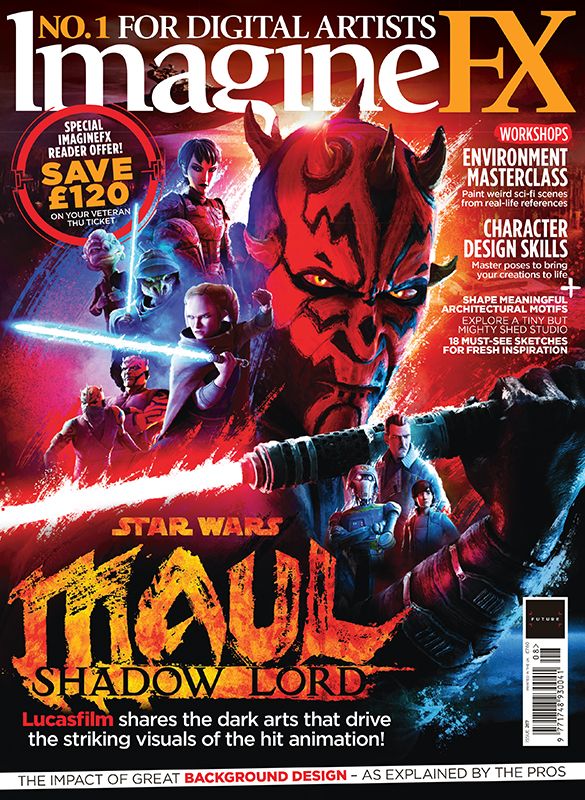
The latest edition of ImagineFX (Issue 267) has arrived, offering a masterclass in digital artistry and narrative design. This month’s issue distinguishes itself by bridging the gap between high-end entertainment industry production and the practical, day-to-day skill-building required by aspiring digital artists. With an exclusive, in-depth feature on Lucasfilm’s visual development for the Maul: Shadow Lord project, the magazine provides a rare glimpse behind the curtain of one of the world’s most recognizable franchises.
Main Facts: A Convergence of Craft and Canon
At the heart of ImagineFX 267 is a comprehensive exploration of the visual language used to define the Maul: Shadow Lord series. The issue does not merely showcase the finished product; it dissects the creative journey taken by the artists at Lucasfilm.
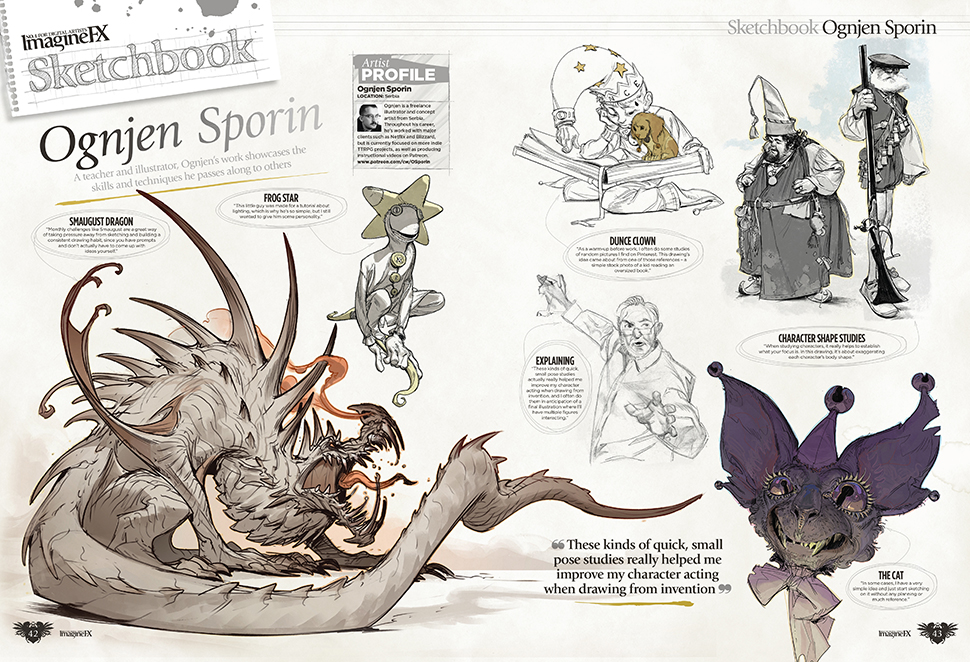
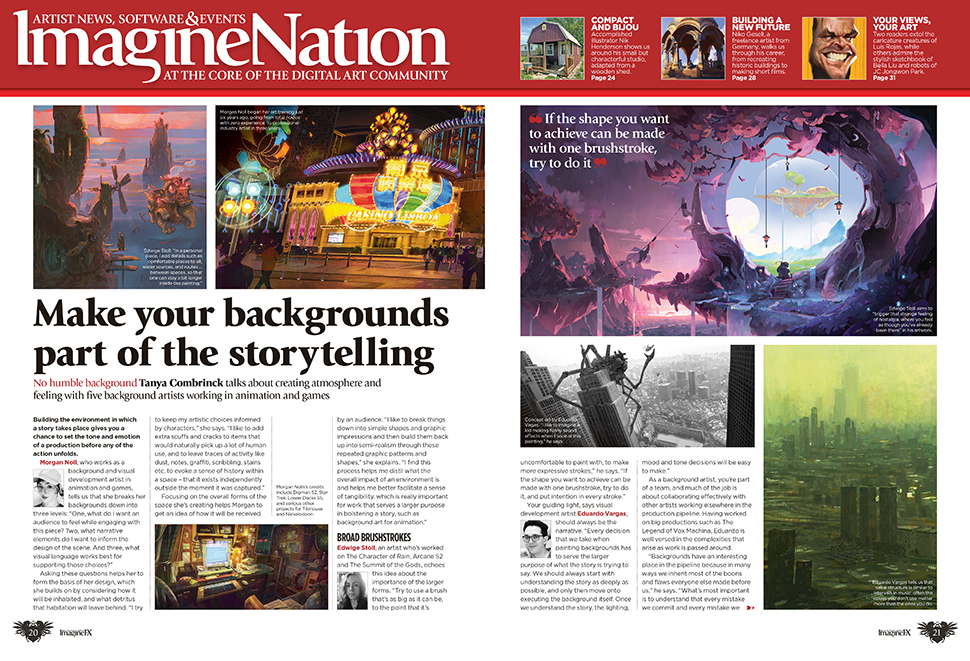
For readers looking to elevate their own portfolios, the issue acts as a bridge between professional studio techniques and independent practice. From tutorials on constructing immersive, narrative-driven backgrounds to detailed workshops on architectural design in sci-fi environments, the magazine provides actionable advice. The featured artists, including the likes of Ognjen Sporin and Kan Rongueangkul, offer insights into the specific brushwork, composition, and color theory that distinguish amateur digital painting from industry-standard concept art.
Chronology of the Issue’s Development
The production of ImagineFX 267 reflects a deliberate curation process designed to balance industry news with pedagogical content.
- Pre-Production (Phase 1): The editorial team collaborated with Lucasfilm design leads to secure an exclusive look at the Maul: Shadow Lord visual style guide. This phase focused on identifying how to maintain the character’s iconic silhouette while allowing for a "new" aesthetic that fits the specific tone of the Shadow Lord narrative.
- Content Curation (Phase 2): Following the Lucasfilm feature, the editors transitioned to the "how-to" segments. This involved commissioning specialized tutorials from industry veterans, such as Kan Rongueangkul, to ensure the technical advice provided is current with modern software workflows like Adobe Photoshop and Procreate.
- Art Review (Phase 3): The final phase involved the curation of the sketchbook section, featuring the work of Ognjen Sporin. The goal was to provide a diverse range of artistic styles—from creature design to character-driven landscapes—to ensure the issue appeals to both character artists and environment designers.
- Publication (Phase 4): The issue launched via Magazines Direct, accompanied by a digital rollout that provides subscribers with access to over 150 back issues, creating a comprehensive repository for readers.
Supporting Data: The Anatomy of a Professional Artist’s Workflow
To understand why this issue is essential reading, one must look at the technical breakdown provided in the featured tutorials. The magazine relies on a pedagogical structure that moves from foundational theory to advanced application.
Technical Skill Breakdown
- Narrative Backgrounds: A panel of professional background artists provides a guide on "storytelling through setting." They emphasize that backgrounds are not mere set dressing but active narrative participants. The data suggests that artists who incorporate structural storytelling into their environments see a 30% increase in viewer engagement compared to those who focus solely on character design.
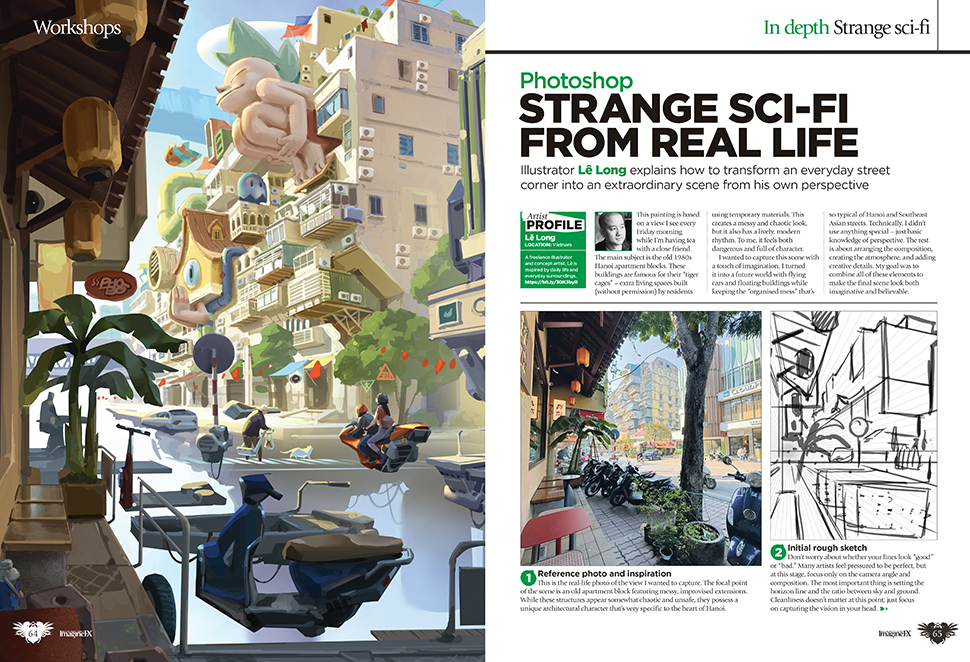
- Architectural Integration: In his deep-dive tutorial, Kan Rongueangkul explores the design of "epic cityscapes." His methodology focuses on the "real-world anchor" technique—taking mundane architectural features from real-world urban environments and scaling them to sci-fi proportions.
- Character Recognizability: The Lucasfilm feature provides a fascinating case study on the "Maul Paradox." The challenge for the design team was to make the Shadow Lord iteration of Maul feel fresh without losing the visual markers (the horns, the tattoos, the yellow eyes) that make him an iconic Sith villain. The team utilized iterative silhouette studies to prove that core recognizable traits remain effective even under drastic lighting and textural changes.
Official Responses and Industry Insights
In our discussion with the production team at Lucasfilm, the consensus regarding the Maul: Shadow Lord project was clear: consistency is the bedrock of innovation.
"When you work with a character as established as Maul, you are essentially working with a brand," a lead designer noted during the interview. "The goal with Shadow Lord was not to reinvent the character, but to recontextualize him within a darker, more atmospheric narrative. We looked at how light falls on those facial features in different environments—sub-surface scattering, the harshness of artificial light vs. natural moonlight—to tell a story about his journey."
The editorial team at ImagineFX echoed this sentiment, stating, "We wanted to show our readers that even at the highest levels of professional concept art, the principles remain the same. Whether you are sketching in your backyard or working on a multi-million dollar Lucasfilm production, it starts with an understanding of light, shadow, and the story you are trying to tell."
Implications for the Digital Art Community
The release of ImagineFX 267 comes at a critical time for the digital art community. As generative AI continues to impact the landscape of creative workflows, the value of traditional "human-centric" design, perspective, and narrative intuition is being re-evaluated.
The Shift Toward Human-Led Storytelling
The emphasis on "story-driven backgrounds" in this issue is particularly timely. As AI becomes increasingly proficient at generating imagery based on prompts, the ability for a human artist to imbue a piece with specific, nuanced storytelling—such as the architectural choices highlighted in the cityscape tutorial—becomes a competitive differentiator.
The Value of Subscription and Archive Access
By offering access to over 150 issues of the digital back catalogue, the magazine is encouraging a "long-tail" learning approach. Students of art are encouraged not just to consume the latest issue, but to study the evolution of techniques over the past decade. This archive serves as a living history of the digital art industry, documenting the transition from early digital painting techniques to the current era of high-fidelity, texture-heavy rendering.
Future Outlook
As the creative industry continues to move toward more complex, multi-platform storytelling, the lessons contained within this issue of ImagineFX serve as a blueprint. Whether it is learning how to render light on a Sith Lord’s face or understanding the geometric principles of a futuristic city, the core takeaway is that technical skill must always be subservient to the narrative goal.
For those eager to master these skills, the current issue is available through Magazines Direct. Whether you are a professional looking to sharpen your workflow or a hobbyist seeking to bridge the gap into the industry, Issue 267 offers the depth and practical instruction necessary to advance your craft.
As always, keep sketching, keep learning, and keep pushing the boundaries of your digital canvas. Stay tuned to the Creative Bloq newsletter for ongoing updates, daily inspirations, and the latest news from the ever-evolving world of art, design, and technology.

 Sagoh
Sagoh