Lina Irawan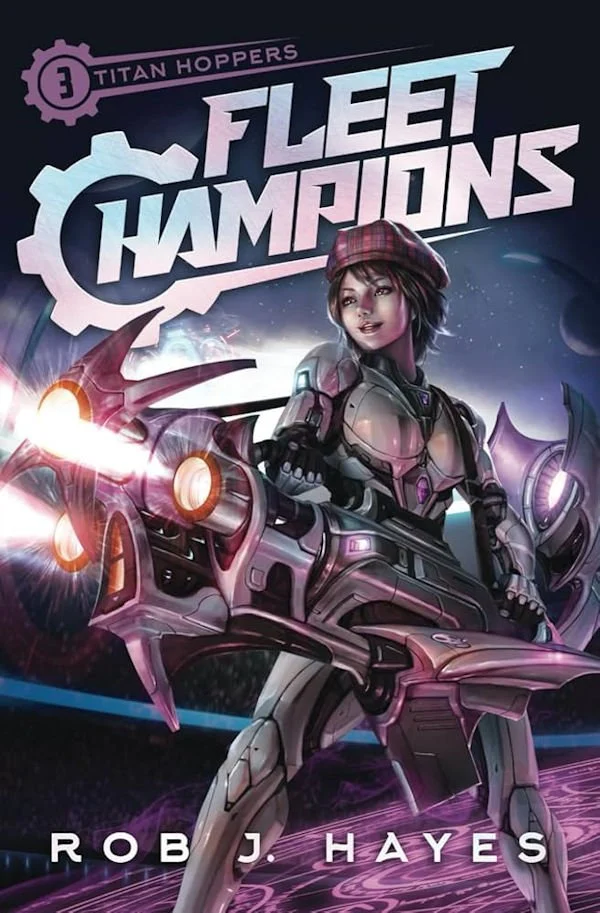
In the ever-evolving landscape of modern progression fantasy, few series have managed to bridge the gap between kinetic, power-based spectacle and profound character-driven drama as effectively as the current installment in the ongoing space-faring saga. With the recent release of Fleet Champions, the narrative has shifted from the survival-horror roots of the series’ inception toward a complex, high-stakes political and martial thriller. As the protagonist duo, Iro and Emil, navigate the fallout of their previous victories, they find themselves thrust into a crucible that threatens to redefine the very nature of their power—and their humanity.
The Crucible of Notoriety: Main Narrative Facts
Following their harrowing survival of the Spire and the successful opening of their Second Gates, Iro and Emil have been elevated to the status of "Heroes of the Fleet." Their images now serve as the public face of their people, plastered across the corridors of every ship within the Home Fleet. However, this sudden fame has become a double-edged sword.
The Raider Fleet, a persistent antagonist force that has long plagued the protagonists with resource theft and systemic violence, has seized upon the heroes’ newfound visibility. Escalating their aggression, the Raiders have issued a provocative demand: they seek nothing less than the ownership of the heroes’ specialized wing.
To avert an all-out, unwinnable war that would likely result in the annihilation of their people, the Home Fleet leadership has agreed to a dangerous compromise: a grand martial tournament. This spectacle, pitting the champions of the Hopper ships against the combatants of the Raider Fleet, is designed to settle the dispute through decisive, sanctioned violence. Both Iro and Emil are required to compete, transforming them from symbols of hope into gladiatorial pawns in a high-stakes diplomatic game. Looming over the entire proceedings is the enigmatic presence of the Black Cloaks—a mysterious faction whose clandestine interest in the tournament’s outcome suggests that the competition is merely a front for a much larger, more ominous agenda.
A Chronological Progression of the Conflict
The trajectory of the series has been marked by a clear escalation in scope and consequence. To understand the gravity of Fleet Champions, one must look at the timeline of the protagonists’ growth:
- The Spire Era: The series began as a classic survival-progression narrative. The focus was primarily on individual survival, the acquisition of baseline powers, and the immediate necessity of opening the first gates.
- The Breakthrough: With the opening of the Second Gates, Iro and Emil transitioned from survivors to combatants. This period established their dominance within the immediate fleet environment and brought them to the attention of wider, more dangerous powers.
- The Heroic Mandate: Following their ascent to "Fleet Champions," the narrative shifted from survival to public duty. The current timeline is defined by the tension between their individual desires and their obligation to the collective.
- The Tournament Arc: Fleet Champions centers entirely on the martial tournament. This is not merely a collection of fights; it represents the convergence of political maneuvering, personal moral decay, and the long-term mystery of the Titans—the architects of the current world order.
Beneath the Spectacle: Character Analysis and Supporting Data
While the marketing for Fleet Champions leans heavily into the "crash-boom" appeal of arena combat, the book’s true strength lies in its refusal to let the action exist in a vacuum. The progression here is lateral as much as it is vertical; characters are not just gaining power levels, they are questioning the cost of that strength.
The Duality of Iro
Iro, once the archetype of the noble hero, undergoes a significant internal crisis. The narrative explicitly explores the "darker edge" of his combat style. The book provides evidence that his rage is not merely a tool for victory, but a dangerous force with its own momentum. He struggles with the impulse to continue attacking even after a target has been neutralized. This creates a compelling tension: how much of Iro’s "heroic" exterior is a genuine personality trait, and how much is a carefully curated performance designed to keep his darker instincts at bay?
The Found Family Under Duress
The series has always relied on the trope of the "found family," but Fleet Champions subverts this by making those bonds difficult to maintain. The emotional toll of the tournament, combined with the external pressure from the Raiders, forces the crew to choose loyalty daily. It is a refreshing departure from narratives where loyalty is a static given. Here, loyalty is a resource that must be replenished through sacrifice, communication, and occasionally, painful confrontation.
The "Sideways" Approach to Progression
One of the most notable aspects of the series is its rejection of the "power-up" grind. Many progression fantasies fall into the trap of linear scaling—get bigger, hit harder, repeat. Fleet Champions dares to suggest that true strength is about finding an alternative approach.
When faced with obstacles that seem to demand a specific, conventional method of advancement, the protagonists refuse to conform to the "mould" set by their predecessors. This thematic choice resonates throughout the combat scenes; the characters often win not because they are inherently stronger than their opponents, but because they are more adaptable. They are redefining what it means to be a "champion," moving away from raw power and toward strategic innovation and self-actualization.
Implications for the Future of the Series
The conclusion of Fleet Champions leaves the reader in a state of profound uncertainty. By opting for a finale that is both "brutal and open," the author has signaled that the safety of the status quo is over.
The Mystery of the Titans
Throughout the arena combat, the shadow of the Titans remains. The unanswered questions regarding their nature, their disappearance, and the true purpose of the fleets act as a narrative anchor. Every win in the tournament feels like a pyrrhic victory because the reader—and the characters—know that the real game is being played on a board much larger than the arena floor.
The Consequence of Escalation
The shift toward a darker, more emotionally charged narrative has deep implications for future installments. The "cost of power" is now a permanent fixture in the story. If the first book was about the possibility of strength, and this book is about the consequence of it, the next logical step for the series is a total dismantling of the current power structures.
A New Standard for the Genre
Fleet Champions is not merely an entertaining addition to a popular series; it is a critical pivot point. It addresses the common criticisms of the progression fantasy genre—namely, the lack of character depth and the focus on superficial gains—by rooting every combat encounter in the psyche of the protagonists.
The inclusion of the Black Cloaks as an looming, unchecked variable adds a layer of dread that elevates the tournament from a mere sport to a desperate survival tactic. The narrative structure, which balances high-octane action with quiet, devastating moments of reflection, proves that the author is interested in the long-term health of the story rather than short-term reader gratification.
In summary, Fleet Champions succeeds because it is willing to be uncomfortable. It refuses to let Iro and Emil remain the static heroes of the first act. Instead, it forces them to grow, to bleed, and to question the morality of their own ascent. For fans of the genre, this book serves as a masterclass in how to maintain the momentum of a series while simultaneously deepening its thematic resonance. As the final pages turn, the reader is left with a sense of loss, but also a fierce, stubborn thread of hope—a testament to the series’ ability to balance darkness with the resilient human (or near-human) spirit. The "Fleet" may be Champions in name, but their true test has only just begun.


 Nana Muazin
 Raul Delapena Setiawan