

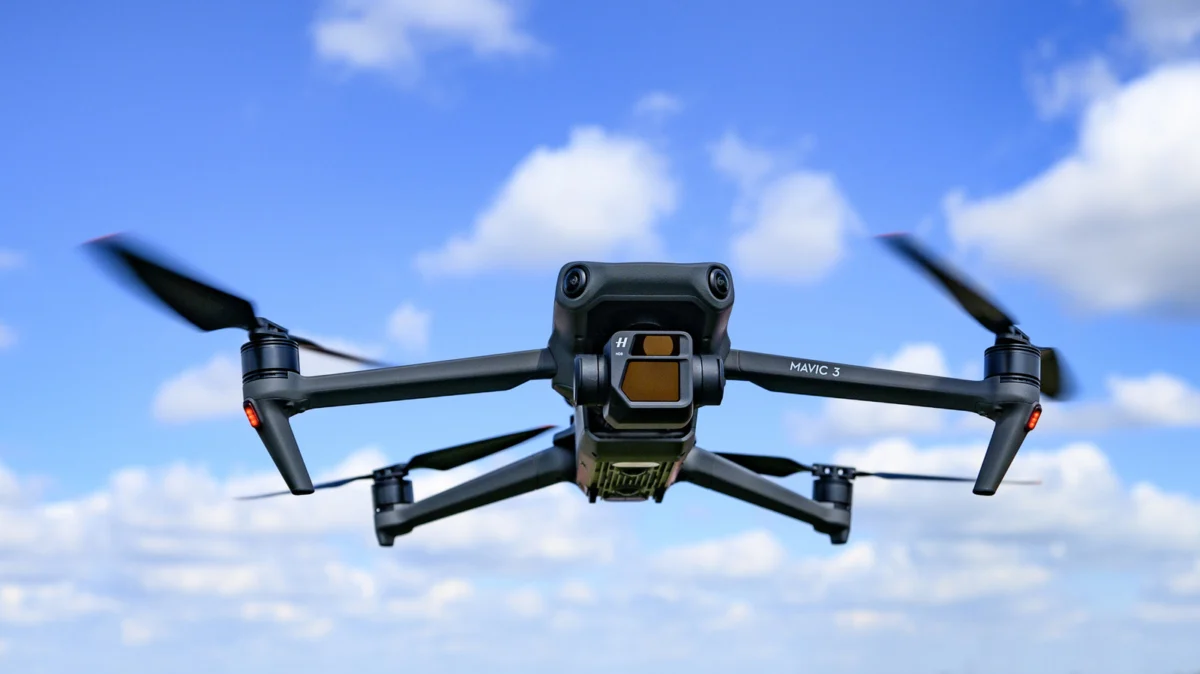
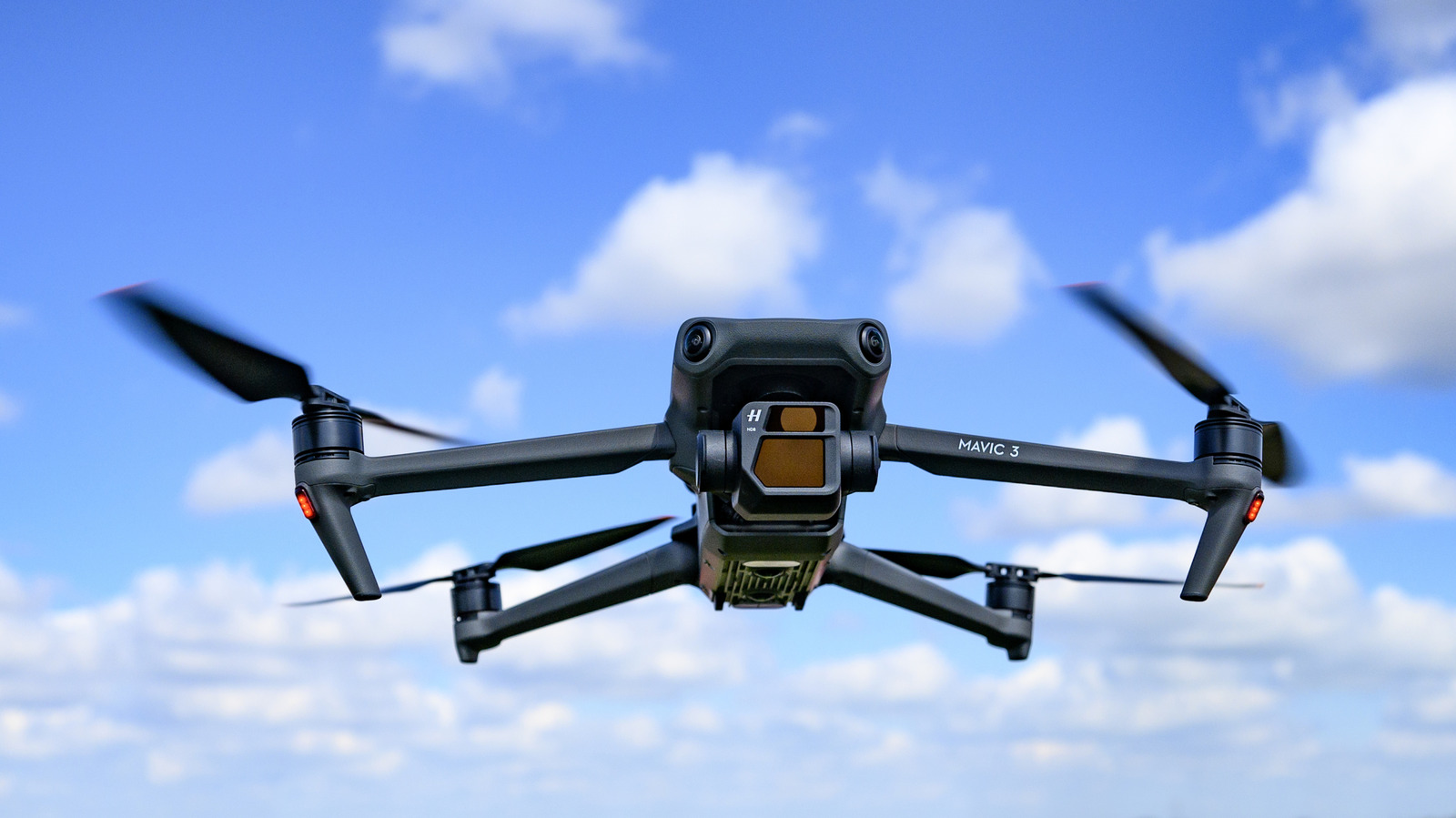
The Federal Communications Commission (FCC) has launched a significant regulatory offensive, signaling its intent to prohibit the importation, marketing, and sale of products from a group of companies suspected of operating as conduits for DJI-branded hardware. This latest maneuver marks a sharp escalation in the U.S. government’s ongoing effort to restrict Chinese-made drone technology, targeting not just the primary manufacturer, but the "shell" entities accused of bypassing federal trade and security restrictions.
The agency’s move targets specific companies—including Cogito, Fikaxo, Lyno Dynamics, Skyhigh Tech, Spatial Hover, SZ Knowact, WaveGo, Xtra, and XAG—which the FCC contends are selling rebranded, re-shelled versions of legacy DJI products. By doing so, these firms are allegedly circumventing the national security protocols established by the U.S. government to safeguard critical infrastructure and sensitive data.
The Chronology of an Escalating Conflict
The current standoff is the latest chapter in a multi-year effort by the U.S. government to mitigate perceived risks associated with foreign-made drone technology.
- December 2025: The FCC formally expanded its "Covered List," a designation reserved for communications equipment and services that pose an "unacceptable risk" to U.S. national security. This update effectively banned the import and sale of new foreign-made drones and critical components, with DJI—the global market leader in civilian drones—bearing the brunt of the policy.
- October 2025: In a pivotal move, the commission voted to grant itself the authority to retroactively ban devices from companies listed on the Covered List. This legislative maneuver provided the legal foundation for the current proposal, allowing the FCC to move beyond blocking future products and target existing hardware already in the market.
- July 2026: Recognizing that some manufacturers were attempting to bypass the ban through "white-labeling" or re-shelling existing technology, the FCC issued a series of inquiries to several tech firms. When these companies failed to adequately respond to requests for clarification regarding their supply chains and manufacturing ties to DJI, the FCC moved to impose $25,000 fines on each entity for evading regulatory oversight.
- Present Day: The FCC has transitioned from administrative fines to a full-scale prohibition proposal. The agency is now actively seeking public input as it prepares to apply its retroactive banning power for the first time, specifically targeting the re-shelled iterations of DJI hardware.
Understanding the "Re-shelling" Strategy
The core of the FCC’s complaint lies in the accusation of "re-shelling." In the context of consumer electronics, this refers to the practice of taking core hardware—internal components, flight controllers, and software—from a banned manufacturer and placing them inside a new, generic chassis. By applying a new brand name, packaging, and marketing materials, these firms attempt to market the products as distinct, "non-restricted" devices.
The FCC’s investigation suggests that the companies in question—such as Skyhigh Tech and Xtra—are not merely selling generic products, but are effectively functioning as front organizations. These firms allegedly maintain the fundamental security vulnerabilities associated with original DJI hardware, including potential data transmission to foreign servers and opaque firmware updates. By attempting to mask the origin of these products, the FCC argues that these companies are deliberately undermining U.S. efforts to protect its domestic airspace and sensitive data ecosystems.
Official Responses and Stakeholder Perspectives
The industry response to these developments has been sharply polarized.
The DJI Stance
DJI has remained consistent in its rejection of the allegations, framing the FCC’s actions as a form of "technological protectionism" rather than a legitimate security measure. In statements provided to media outlets, the company has emphasized that its data security protocols are robust and that the concerns raised by U.S. regulators lack empirical evidence.
"Concerns about our data security have not been grounded in evidence and instead reflect protectionism, contrary to the principles of an open market," a DJI spokesperson stated. The company maintains that its hardware is used globally for essential services, from search and rescue operations to infrastructure inspection, and that the ban disrupts vital workflows without providing a commensurate security benefit.
The FCC’s Regulatory Rationale
For the FCC, the issue is not merely one of economics, but of national security. The agency’s documentation emphasizes that the "Covered List" is a preventative tool. By preventing these products from entering the U.S. supply chain, the FCC aims to reduce the risk of foreign intelligence entities gaining access to proprietary U.S. data or gaining the ability to compromise critical infrastructure through drone-based surveillance. The commission has expressed frustration with the lack of transparency from the implicated firms, noting that evasion of inquiries is, in itself, a violation of the spirit of the agency’s oversight authority.
The Technical and Legal Implications
The proposal to ban re-shelled equipment carries profound implications for both the tech industry and the regulatory landscape.
A Precedent for Retroactive Enforcement
By moving to exercise its retroactive banning power, the FCC is signaling a shift toward a more aggressive, enforcement-heavy posture. Historically, regulatory bans in the tech sector have been forward-looking—applying only to future product cycles. By targeting "previously authorized equipment," the FCC is effectively stating that the national security risk is so significant that it outweighs the disruption caused to existing product inventories and the supply chain. This could create significant financial liabilities for distributors and retailers who are currently holding stock from the flagged manufacturers.
Supply Chain Transparency
The move also places a higher burden of proof on manufacturers and distributors. If the FCC succeeds in this enforcement, it will likely lead to more stringent "Know Your Supplier" (KYS) protocols across the electronics sector. Companies selling drones and cameras in the U.S. may soon be required to provide granular documentation proving that their internal components are not derived from restricted entities, fundamentally altering how small-to-medium tech firms source their hardware.
Public Consultation and Next Steps
The FCC has opened a 30-day window for public comment. This period is critical, as the agency is specifically asking for "specific evidence" regarding the link between the suspected firms and DJI. This suggests that while the FCC has formed a strong hypothesis based on technical inspections and supply chain analysis, they are looking for third-party verification—potentially from cybersecurity firms, forensic engineers, or whistleblowers—to solidify the legal basis for the final order.
Broader Context: The U.S.-China Tech Decoupling
The crackdown on re-shelled drones is a microcosm of a larger, systemic decoupling of the U.S. and Chinese technology sectors. As the U.S. government expresses growing alarm over the integration of foreign-made components into its communications infrastructure, the "Covered List" has become an increasingly potent weapon.
Critics of this approach argue that broad-spectrum bans and the targeting of smaller distributors could stifle innovation and increase costs for U.S. consumers who rely on these products for hobbies, filmmaking, and commercial applications. Conversely, supporters argue that in an era of digital warfare, the cost of allowing potentially insecure hardware to proliferate is simply too high.
Conclusion
As the 30-day comment period progresses, the industry remains in a state of high alert. The FCC’s move against the nine identified firms is a clear warning that the agency is no longer satisfied with superficial compliance. Whether this move leads to a broader, industry-wide purge of re-branded tech remains to be seen. However, one thing is certain: the era of anonymous or white-labeled drone hardware operating in the United States is rapidly coming to an end.
For the companies involved, the choice is stark: provide the transparency required by the FCC or face a permanent exit from the world’s largest consumer technology market. For the rest of the industry, the FCC’s message is clear—if a product is functionally equivalent to a banned item, it will be treated as one.











