Pevita Pearce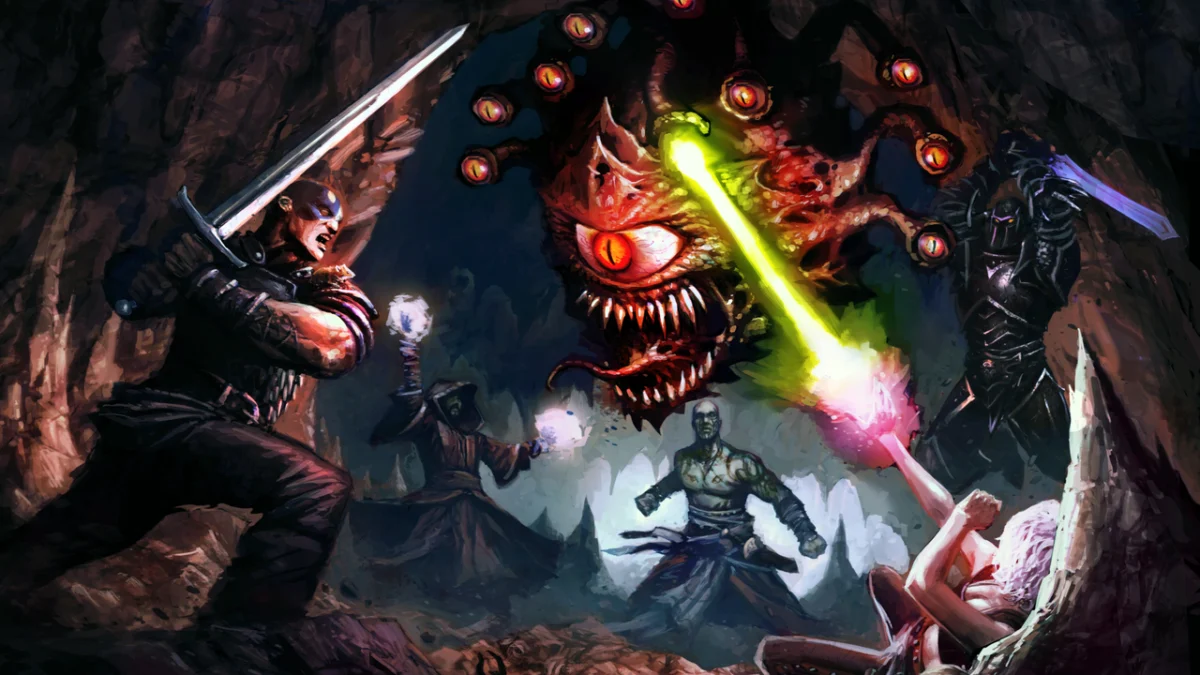
The CRPG landscape is currently witnessing a historic resurgence, bookended by the monumental success of Larian Studios’ Baldur’s Gate 3 and the recent, tantalizing confirmation that the original Baldur’s Gate titles are in the early stages of a full-scale remake. With Wizards of the Coast reportedly bringing back original co-lead designers to shepherd the project, the community is buzzing with speculation. While purists argue for a faithful, high-definition coat of paint, a growing chorus of players—and industry observers—are calling for a more radical transformation: the transition from Real-Time-with-Pause (RTWP) to a dedicated turn-based combat system.
The Foundations of a Classic: A Chronology of Legend
To understand the gravity of these remakes, one must first look at the pedigree of the franchise. In 1998, BioWare released Baldur’s Gate, a title that single-handedly revitalized the computer role-playing game genre. Built upon the Advanced Dungeons & Dragons 2nd Edition ruleset, it utilized the Infinity Engine to present a pre-rendered, isometric world that felt both vast and lived-in.
The sequel, Baldur’s Gate 2: Shadows of Amn (2000), remains a gold standard for narrative depth, character writing, and scope. Together, these games defined the "Golden Age" of CRPGs. When Beamdog later released the Enhanced Editions in the 2010s, they provided modern compatibility and minor quality-of-life improvements, but the core mechanics—the frantic, often chaotic RTWP combat—remained untouched.
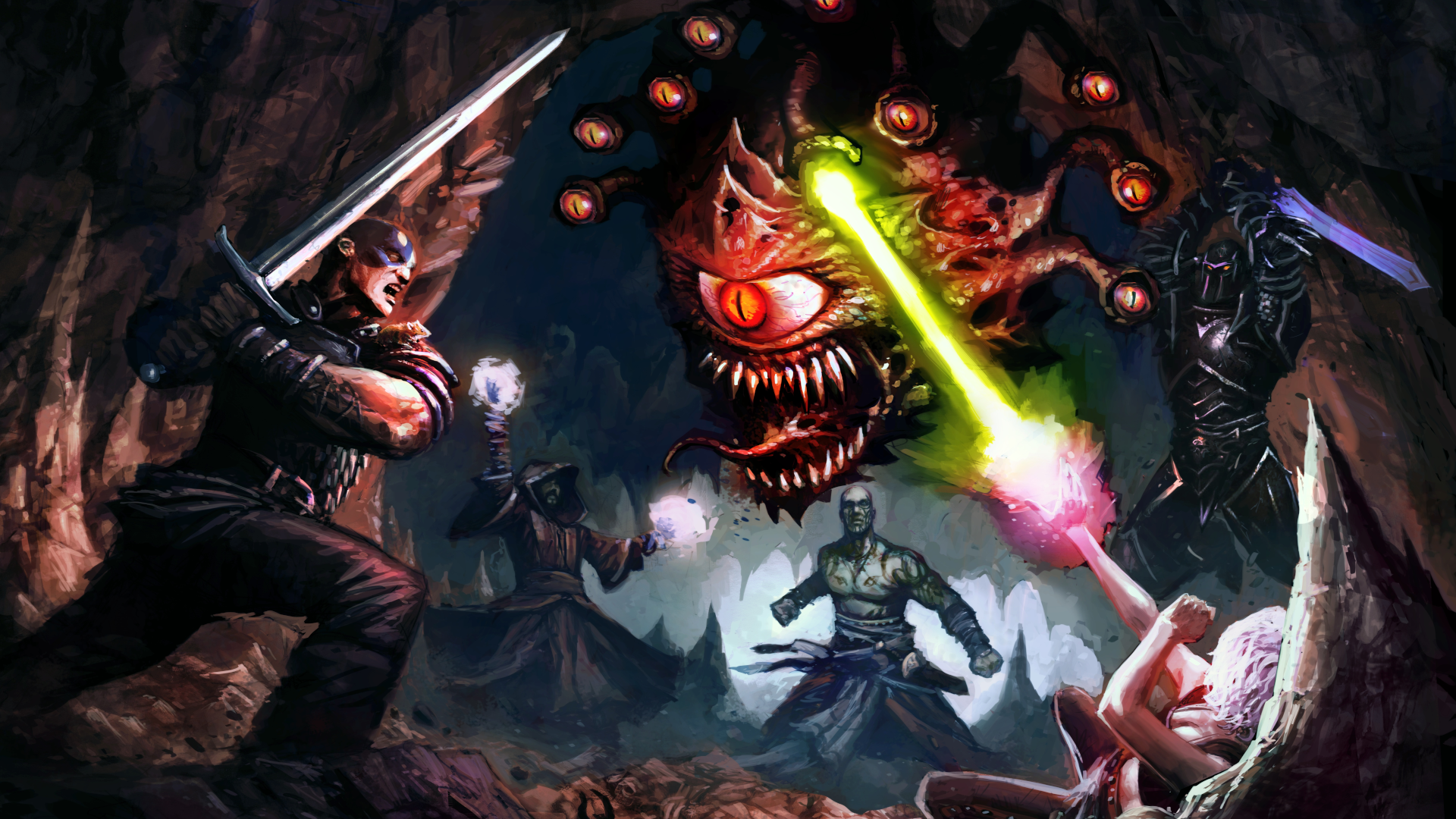
Now, as we stand on the precipice of a new era, the industry is looking at a "next-gen" revival. Bringing back key creative talent from the original team suggests a deep respect for the source material, but the central question remains: How does a developer modernize a quarter-century-old experience without alienating the legacy audience?
The Great Divide: RTWP vs. Turn-Based
For decades, the debate between real-time and turn-based combat has been the primary fault line in the RPG community. The original Baldur’s Gate games relied on a simulation of tabletop rules forced into a real-time environment. Players would set "Auto-Pause" triggers to manage the chaos, stopping the game every time a spell was cast or a health threshold was breached.
However, the industry has shifted. The immense success of Baldur’s Gate 3 has proven that modern audiences not only tolerate but crave the deliberate, methodical pace of turn-based combat. In a recent survey of players, a staggering 75% expressed a preference for turn-based mechanics over the traditional RTWP format.
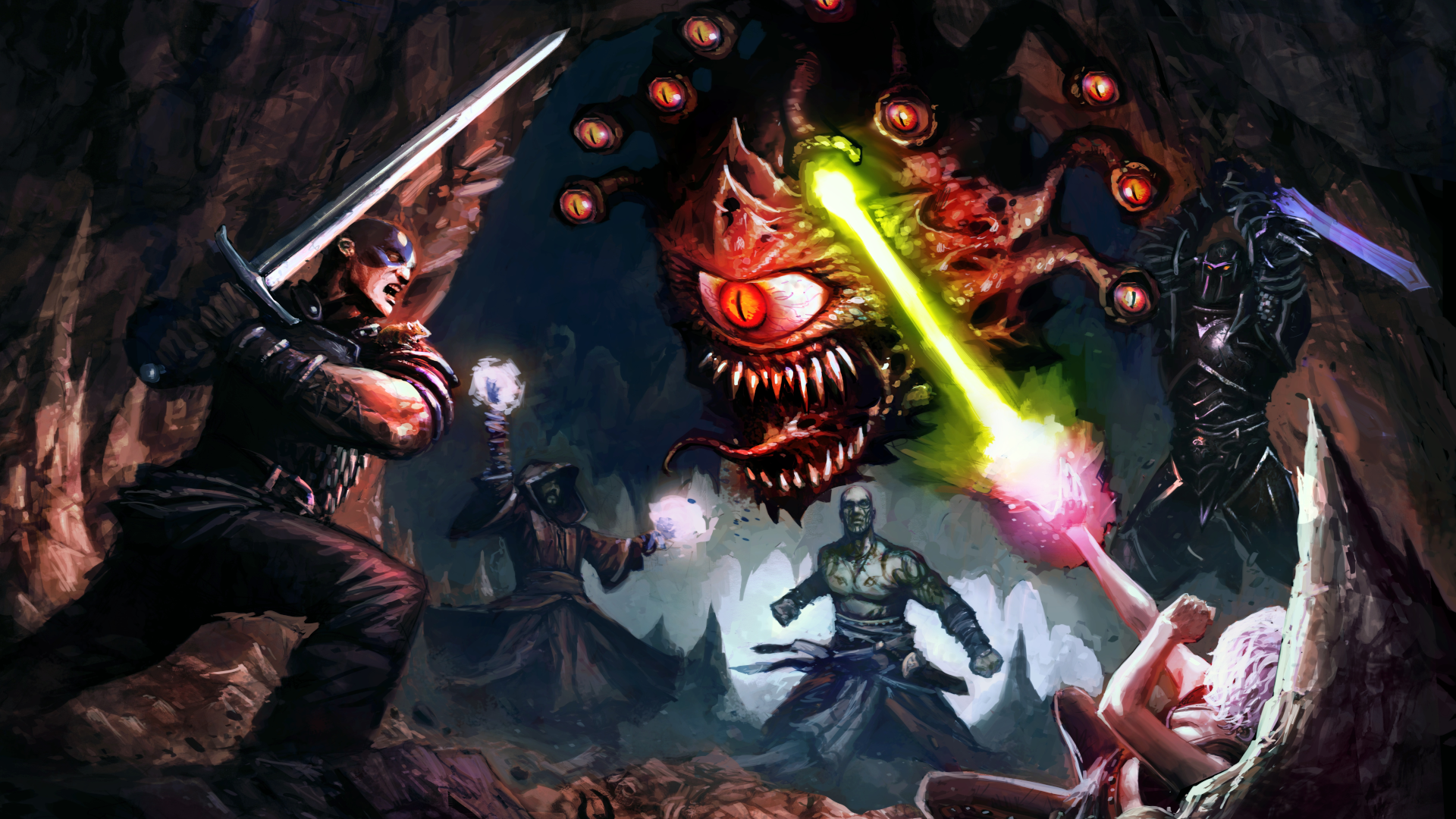
This is not merely a matter of player preference; it is a matter of mechanical translation. The Dungeons & Dragons ruleset—regardless of whether it is 2nd Edition or 5th—is fundamentally designed as a turn-based system. When compressed into real-time, the nuance of positioning, environmental interaction, and resource management is often sacrificed for the sake of kinetic flow.
The Case for a Tactical Makeover
If the upcoming remakes are to justify their existence, they must offer more than just aesthetic fidelity. A "prettified" version of the original game is a nostalgia play; a tactical reimagining is an evolution.
Environmental Puzzles and Tactical Depth
One of the defining features of modern turn-based RPGs is the "verticality" and interactivity of combat arenas. In Baldur’s Gate 3, a fight is not just a damage race; it is a puzzle. Players can shove enemies off cliffs, ignite grease spills, or drop chandeliers on unsuspecting foes. This level of environmental agency is stifled in the chaotic, high-speed environment of RTWP, where the game often feels like a blur of overlapping spell effects and frantic clicks. By moving to a turn-based system, developers would allow players the space to breathe, analyze the terrain, and execute creative, D&D-inspired strategies.

Authentic D&D Representation
At its heart, Baldur’s Gate is a love letter to the tabletop experience. In tabletop D&D, every action is a choice. You don’t just "attack"; you choose your weapon, your movement, your target, and your reaction. A turn-based system allows the digital game to mirror this complexity. It turns every encounter into a critical moment, where the weight of a single decision—such as choosing to cast Hold Person or Magic Missile—is felt by the player.
Implications for the Legacy Audience
Of course, the "purist" argument cannot be ignored. Real-time-with-pause has a storied history, and for many, it is synonymous with the Baldur’s Gate identity. However, it is vital to remember that the originals and their Enhanced Editions are not going anywhere. They remain accessible, functional, and perfectly playable.
The goal of a remake should not be to replace the past, but to offer a fresh perspective that respects the core spirit of the work while embracing the technological and design advancements of the current era. A turn-based mode would not necessarily be a "betrayal"; it would be an expansion of the game’s accessibility.
Balancing Risks and Rewards
The challenge for the developers lies in the balance. There is a fine line between a "modernized experience" and "unnecessary meddling." Fans would rightfully revolt if the team attempted to soften the harsh edges of the narrative, such as the genuine terror of an encounter with a Beholder, or if they tried to inject modern, lighter tones into the gothic, high-fantasy weight of the original script.
The narrative, the character arcs of icons like Jaheira or Minsc, and the legendary villainy of Jon Irenicus must remain untouched. The change should be limited to the interface of interaction—the combat—rather than the substance of the story.
The Road Ahead
We are currently in a transition period for the franchise. The rumors regarding the involvement of original designers provide a sense of security that the soul of Baldur’s Gate will remain intact. However, the industry is also at a turning point. If these remakes are to be considered definitive versions for the next generation, they must be willing to take "big swings."
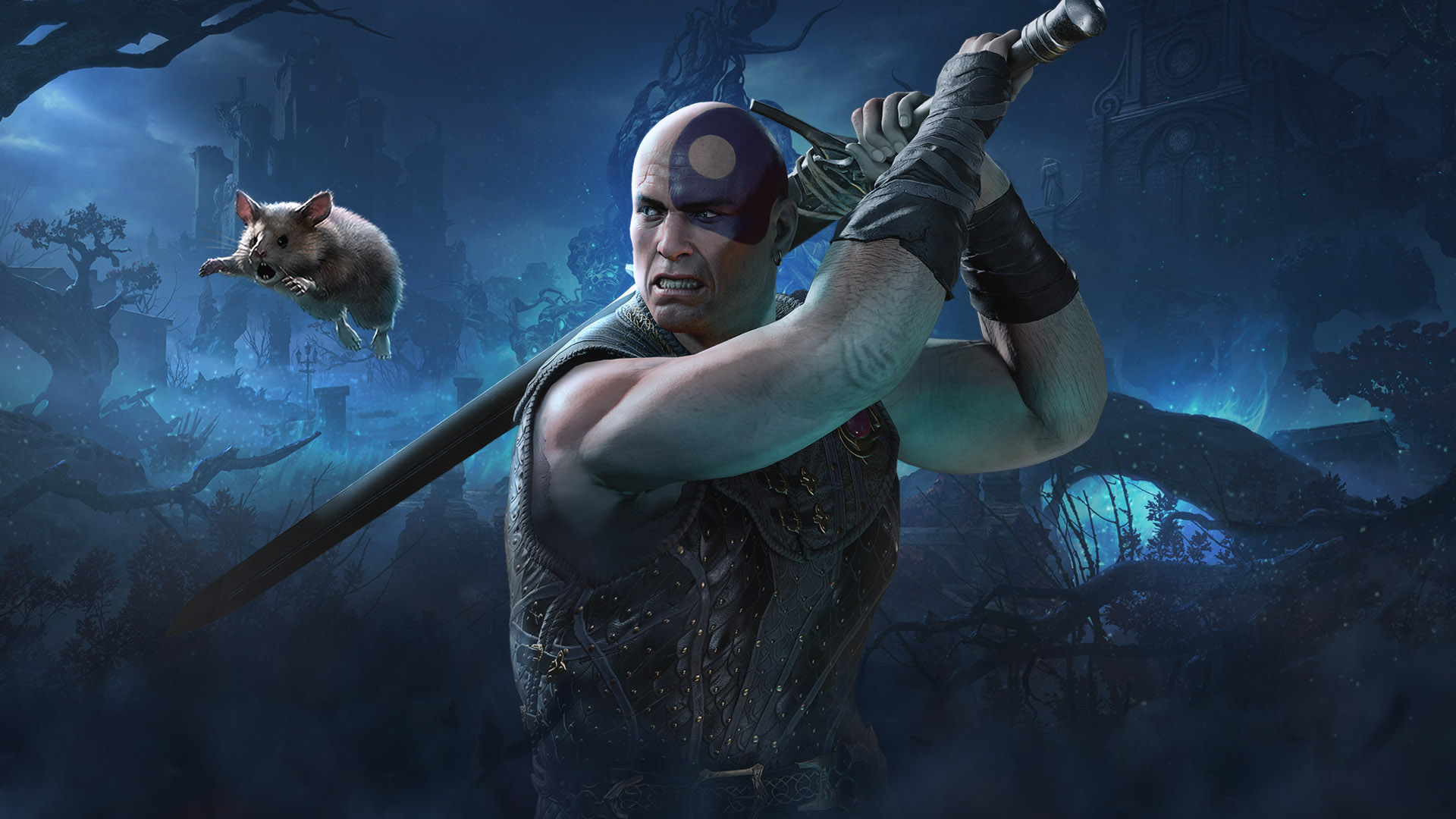
Playing it safe with a 1:1 graphical update would be a missed opportunity. The original games were pioneers that defined what an RPG could be; the remakes should aspire to do the same. By adopting a turn-based system, the developers have the potential to make these timeless stories more accessible, more tactical, and more authentically "Dungeons & Dragons" than ever before.
For the veteran who played the original on floppy disks in 1998, a turn-based remake offers a chance to experience their favorite adventure through a new, more deliberate lens. For the newcomer, it provides a gateway into the legend that is far less daunting than the clunky, archaic UI of the 90s. Ultimately, a bold, turn-based evolution is not just the preferred choice of the majority—it is the most respectful way to honor a classic by ensuring it remains relevant for the next twenty-five years.


 Asro
Asro
 Muslim