Jia Lissa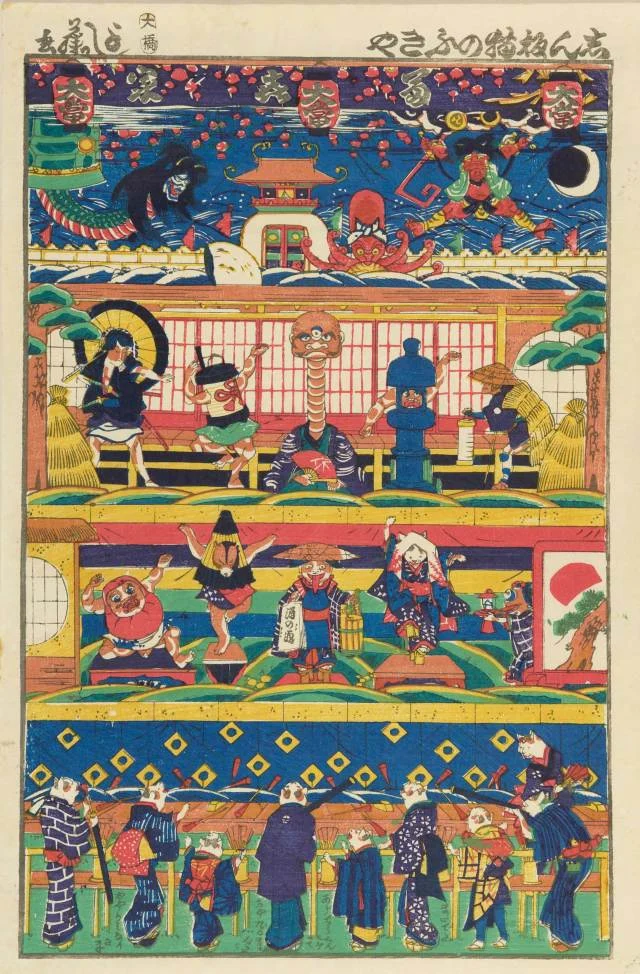
For those who believe that high art must always be austere, somber, or strictly reverent, a visit to Tokyo’s Ota Memorial Museum of Art this summer will prove to be a refreshing subversion of expectations. Nestled in the heart of the capital’s most vibrant fashion district, the museum—renowned for its world-class collection of ukiyo-e—is set to host an exhibition that peels back the curtain on the playful, the grotesque, and the downright bizarre side of Edo-period creativity.
Titled "Animals & Monsters: Cute, Scary, and a Little Weird," the exhibition invites visitors to explore the imaginative boundaries of traditional Japanese woodblock printing. Far from the typical landscapes and stoic portraits associated with the genre, this collection highlights the wit, irony, and surrealist tendencies of master artists from 200 years ago.
Main Facts: The Intersection of History and Humor
The exhibition, which runs from June 23 to August 23, features a meticulously curated selection of 140 individual works. Notably, approximately 20 percent of these pieces are making their debut as part of the museum’s permanent collection, offering even seasoned ukiyo-e enthusiasts a reason to revisit the gallery.
The exhibition is strategically divided into two distinct parts, ensuring that the visual narrative remains fresh for returning visitors. Part I will run from June 23 to July 20, followed by a transition period, with Part II concluding the exhibition from July 25 to August 23. This biannual rotation ensures that the museum can display a wider array of sensitive prints while maintaining the integrity of the fragile paper artifacts.
Located just steps from the Tokyo Metro Meiji-Jingumae Station and a short walk from JR Harajuku Station, the Ota Memorial Museum of Art provides an accessible cultural oasis. While the area is famous for its avant-garde street fashion and global retail chains, the museum offers a unique bridge between the historical artistic traditions of Japan and the contemporary love for "kawaii" (cute) and "yokai" (supernatural) culture.
A Chronological Journey into the Grotesque and the Cute
The history of ukiyo-e is often taught through the lens of the "Floating World"—the transient pleasure-seeking culture of Edo-period Japan. However, this exhibition challenges the narrative that these artists were always focused on the idealized beauty of the geisha or the heroic deeds of the samurai.
The Evolution of Anthropomorphism
The exhibition showcases how, in the 18th and 19th centuries, artists began to project human emotions and social structures onto the animal kingdom. This was not merely for children’s entertainment; it was often a veiled social commentary.
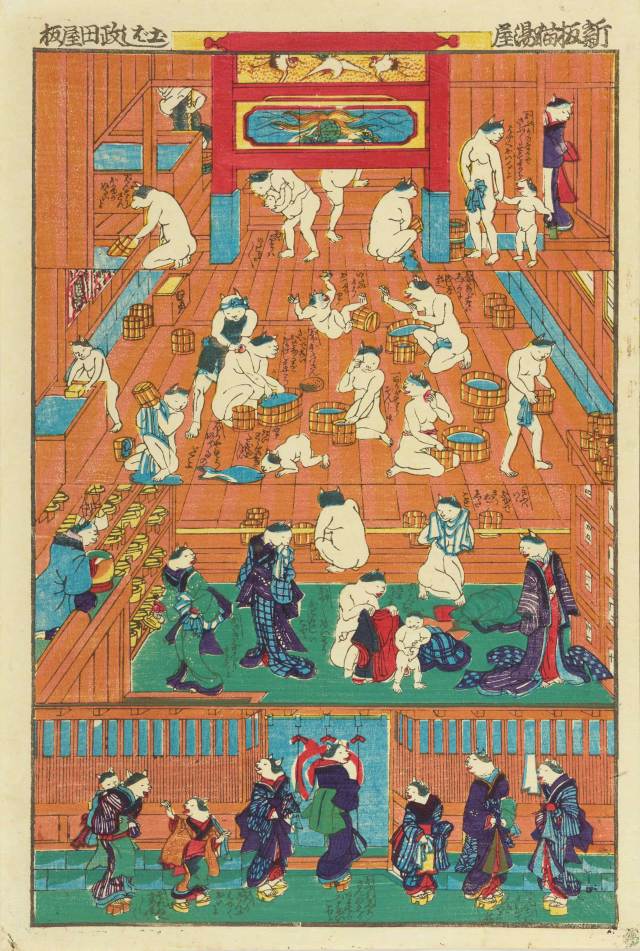
- Part I: The Domesticated Surreal: Early pieces in the exhibition focus on the "Cats in Daily Life" theme. Visitors will encounter prints depicting felines in human settings, such as public bathhouses, mimicking the daily routines of Edo citizens. These works serve as both a historical record of social customs and a comedic window into the artistic imagination of the era.
- Part II: The Supernatural Rager: As the exhibition progresses into its second phase, the tone shifts toward the supernatural. A highlight includes works by Yoshifuji Utagawa, where domestic animals interact with yokai—the diverse spirits of Japanese folklore. These prints, such as "Cats’ Blowdart Stand," depict these creatures engaging in chaotic, late-night revelry, showcasing a level of whimsical storytelling that feels surprisingly modern.
Supporting Data: Examining the "Weird"
The curators of the Ota Memorial Museum have categorized the works not by artist or era, but by their emotional impact on the viewer. The "Cute, Scary, and a Little Weird" framework allows for a thematic exploration of the collection.
The "Potato" Mystery and Other Enigmas
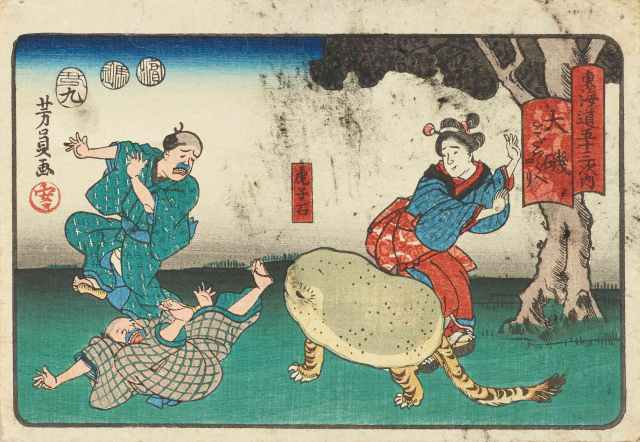
One of the exhibition’s most talked-about pieces is a print from Yoshikazu Utagawa’s Fifty-three Stations of the Tokaido series. The image features several figures appearing visibly terrified by what looks like a potato with legs and a tail. Upon closer inspection, art historians have identified the creature as a "stone tiger," though the context remains a subject of intense academic and fan debate. It serves as a prime example of the "weird" factor—an image that is simultaneously hilarious, confusing, and historically significant.
The Zodiac Chimera
Perhaps the most bizarre inclusion is a print by Yoshitora Utagawa titled Twelve Animal Signs of Oriental Zodiac Gathering to Form One Animal. This print depicts a single, chimeric beast comprised of all twelve zodiac animals. The artist’s attempt to synthesize these disparate creatures into one physical form highlights a fascinating era of experimental illustration that predates modern surrealism by decades.
Kabuki-Faced Fish
Closing the exhibition is a series of prints by Yoshiiku Ochiai, which features goldfish adorned with the unmistakable, dramatic features of Kabuki actors. The interplay between the human theatricality of the Kabuki stage and the aquatic, cold-eyed nature of the goldfish creates an unsettling, memorable experience. It taps into a uniquely Japanese fascination with the uncanny—a theme that continues to permeate modern Japanese media, from horror films to anime.
Official Responses and Curatorial Intent
The Ota Memorial Museum of Art has emphasized that this exhibition is designed to lower the barrier to entry for those who feel intimidated by traditional art galleries. By focusing on the humor and strangeness of the Edo period, the museum aims to demonstrate that ukiyo-e was the "pop culture" of its time—accessible, satirical, and deeply ingrained in the daily life of the common people.
In a recent press release, museum representatives noted that the inclusion of new, previously unexhibited works is a direct response to the public’s growing interest in "yokai" culture. The exhibition is intended to be a family-friendly affair, though the museum notes that the "scary" elements—particularly the grotesque imagery of the monsters—are authentic to the period and may leave a lasting impression on younger visitors.
Implications: The Legacy of "Weird" in Japanese Art
The "Animals & Monsters" exhibition does more than provide a summer distraction; it contextualizes why modern Japanese pop culture—ranging from the designs of Pokémon to the unsettling imagery of Junji Ito’s horror manga—looks the way it does. The roots of these visual tropes are firmly planted in the woodblock prints of the 1800s.
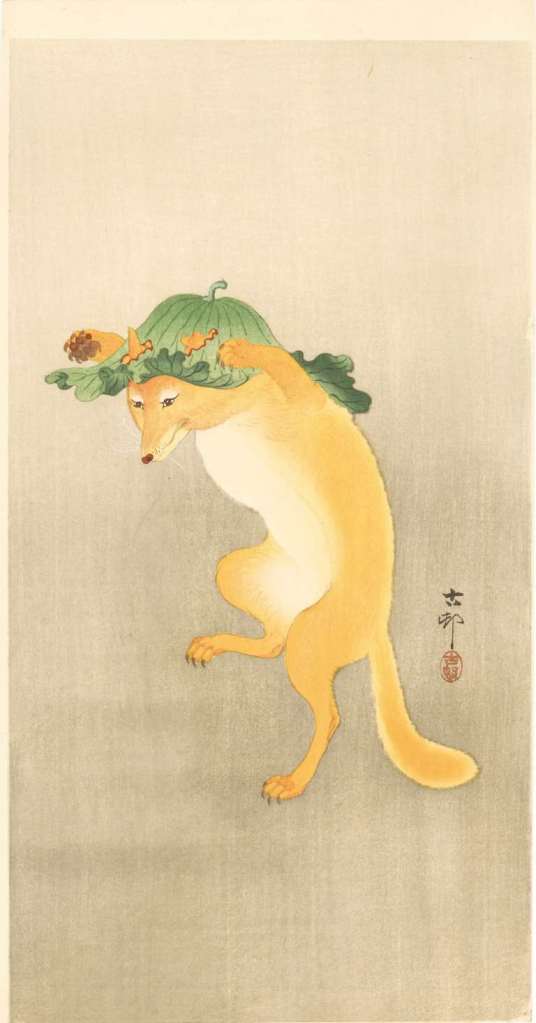
By hosting this exhibition in Harajuku, the museum is effectively linking the past to the present. Visitors walking out of the museum and onto the streets of Takeshita-dori will likely find themselves viewing the vibrant, sometimes bizarre street fashion with a new perspective. The "cabbage couture" worn by the fox in Koson Ohara’s Dancing Fox feels like an ancestor to the experimental street style that characterizes modern Harajuku.
Practical Information for Visitors
- Admission: 1,200 yen for adults, 800 yen for students (high school/university). Junior high students and younger enter free.
- Payment Policy: Note that the museum operates on a cash-only basis.
- Operating Hours: 10:30 a.m. to 5:30 p.m. daily. Last entry is strictly at 5:00 p.m.
- Closures: The museum will be closed on several dates in late June, July, and August (June 29, July 6, July 13, July 21-24, July 27, August 3, August 10, and August 17).
For those traveling to Tokyo, this exhibition offers a rare opportunity to witness the lighter, more eccentric side of Japanese art history. Whether you are an art historian looking for fresh archival material or a casual tourist searching for an offbeat activity, "Animals & Monsters" promises a curated experience that is as educational as it is entertaining. In a world that often demands we take things too seriously, the Ota Memorial Museum of Art provides a necessary, and delightfully weird, reprieve.


 Neng Nana
 Asro
Asro