Rifan Muazin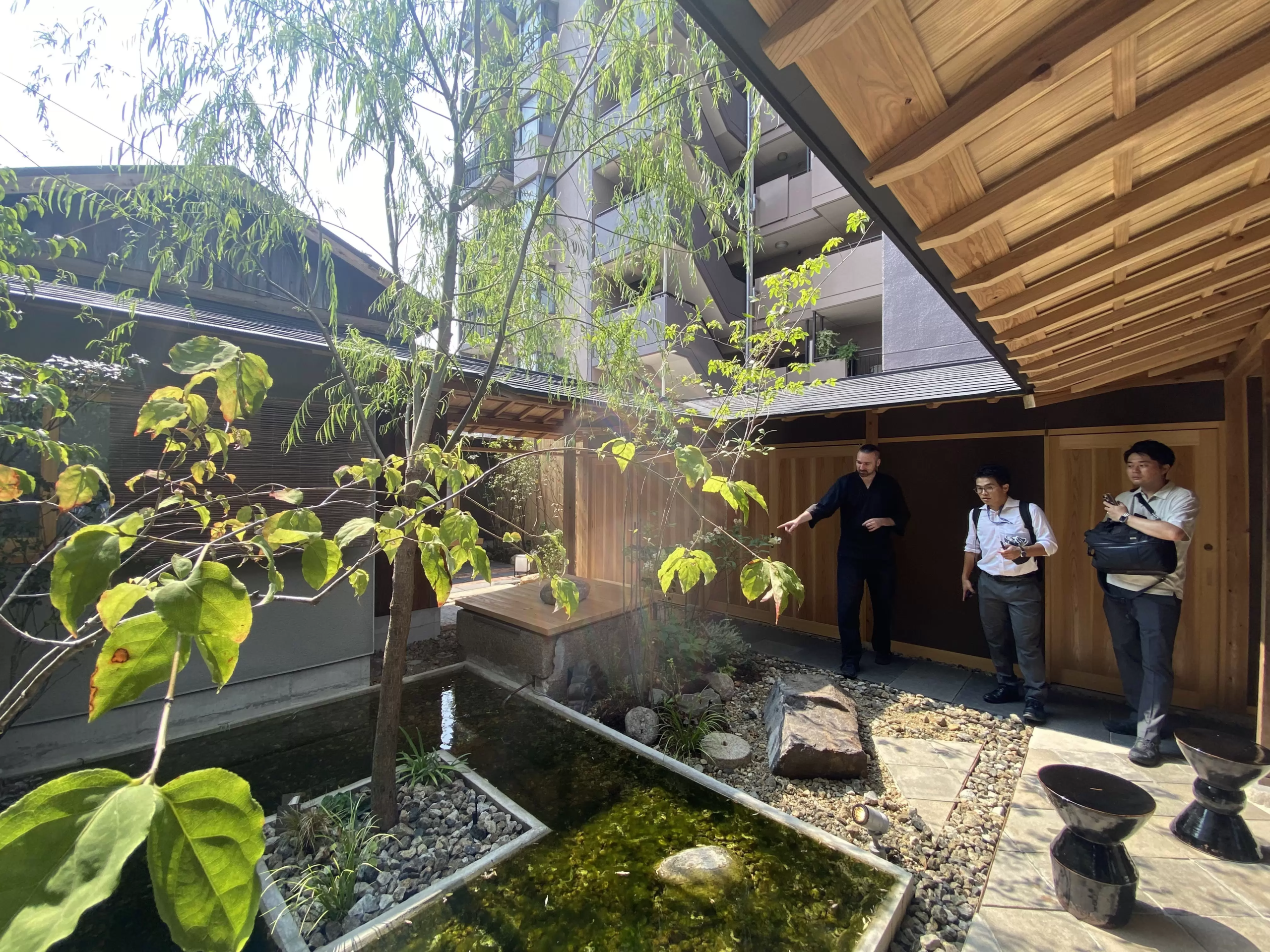
In the historic city of Sakai, Osaka—a region synonymous with the evolution of Japanese steel—a unique cultural bridge is being built between the past and the present. For centuries, Sakai has served as the epicenter of Japan’s knife-making prowess, producing blades that are not merely tools, but extensions of a chef’s hand. Today, this tradition is being preserved and shared with the world through an immersive, hands-on guided tour led by Eric Chevalier, a French-born blacksmith who has dedicated his life to mastering the intense, high-stakes art of Japanese forging.
Main Facts: The Art of the Sakai Blade
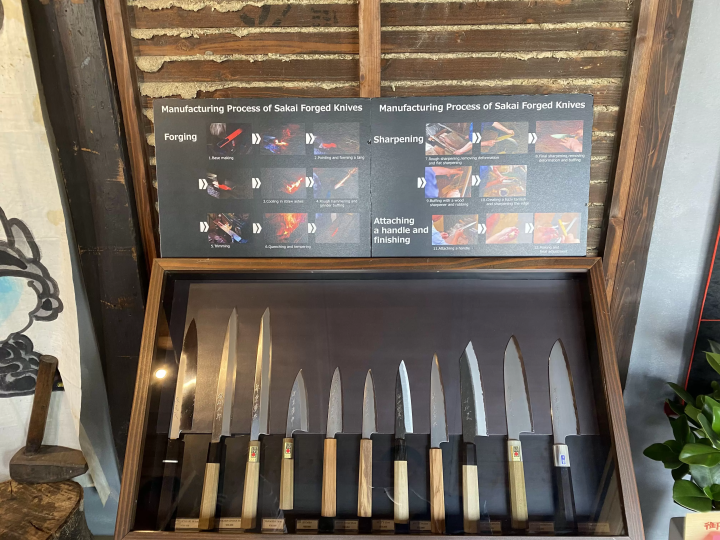
Sakai’s reputation for excellence is built on a specific, time-honored metallurgical technique: the bonding of soft, resilient iron with high-carbon steel. This marriage of metals, achieved through meticulous heating and folding, creates a blade that is simultaneously durable and razor-sharp. It is a process that demands not just physical strength, but an intuitive understanding of heat, rhythm, and tension.
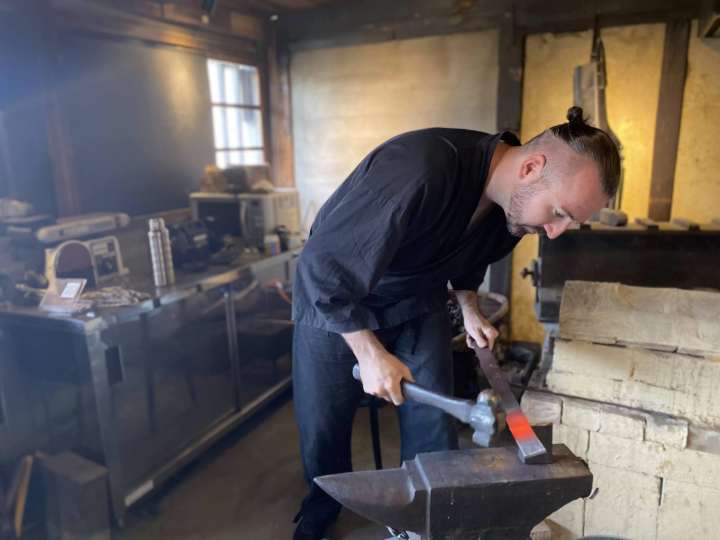
Recognized officially as a "Traditional Craft of Japan," Sakai forged blades are the gold standard for professional chefs worldwide. The craft is defined by the "forging" process, where raw iron is heated in a furnace and hammered repeatedly. This is not factory production; it is a labor-intensive ritual where every strike of the hammer is a calculated decision. The temperature of the furnace, the duration of the heating, and the angle of the strike are all variables that determine the soul of the final product.
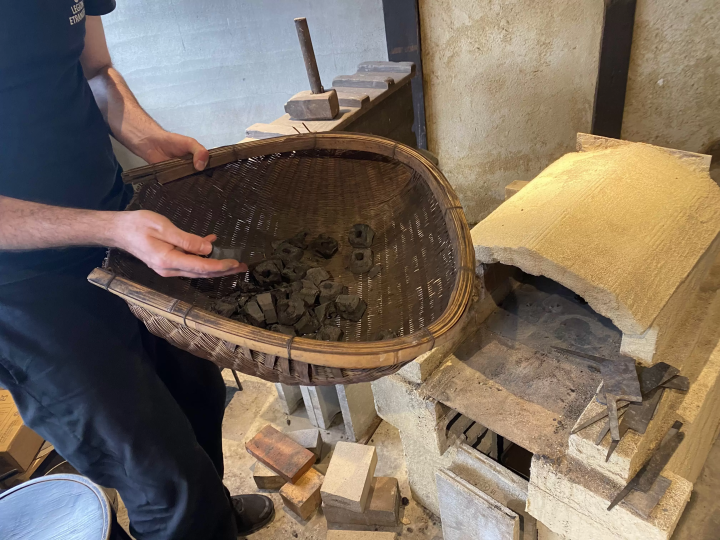
The guided tour, currently available for international visitors, provides an intimate look at this world. Participants do not simply observe; they are invited to step into the workshop—a space where the air is thick with the scent of charcoal and the history of the Edo period—to handle the tools themselves.
Chronology: From France to the Heart of Osaka
The story of how a French blacksmith became one of the most prominent ambassadors of Japanese cutlery is a testament to the universal language of craftsmanship.
- 2012: Eric Chevalier, captivated by the nuance of the Japanese language and the depth of its cultural heritage, arrives in Japan.
- 2012–2017: Chevalier enters a rigorous apprenticeship at "Sasuke," a long-established ironworks in Sakai. Here, he learns the sacred and technical elements of traditional Japanese blacksmithing.
- 2015: In recognition of his technical proficiency and his dedication to preserving an endangered craft, the French government awards Chevalier the "Rising Star" honor, cementing his status as a master in his own right.
- Post-Apprenticeship: Chevalier transitions into a role as an overseas market development coordinator at the Sakai City Industrial Promotion Center. He begins to synthesize his background in blacksmithing with his passion for education, moving into a role that bridges the gap between local artisans and the global market.
- Present Day: Chevalier leads guided tours and lectures, using his trilingual fluency (English, French, and Japanese) to explain the intricacies of Sakai cutlery to a global audience.
Supporting Data: The Mechanics of the Workshop
The tour offers a granular view of the technical specifications required to produce a world-class blade. The workshop itself is a laboratory of tradition.
The Science of Fire
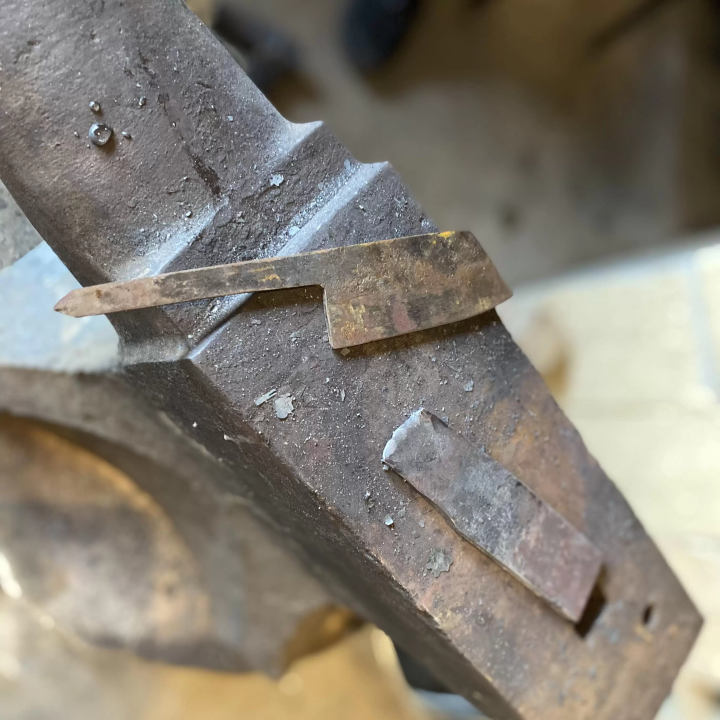
A standout feature of the experience is the use of Binchotan charcoal. Unlike modern gas-fueled furnaces, Binchotan provides a cleaner, more stable heat source. The charcoal is hollow-centered, allowing the blacksmith to manipulate airflow and maintain a precise, consistent temperature.
The Human Element
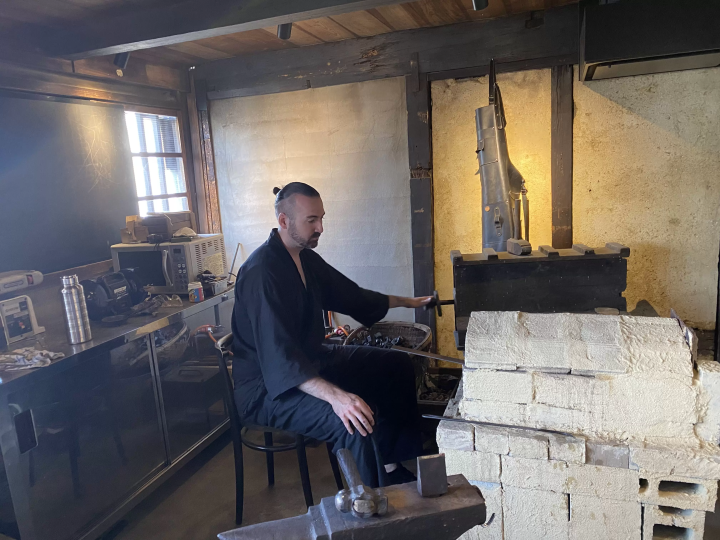
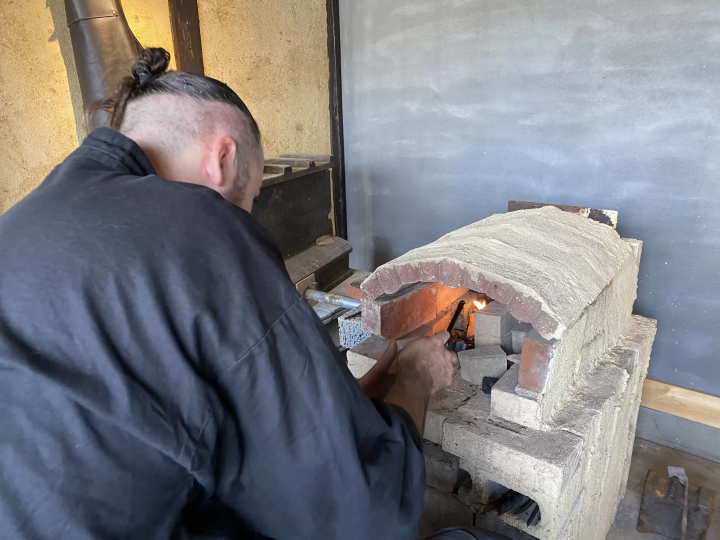
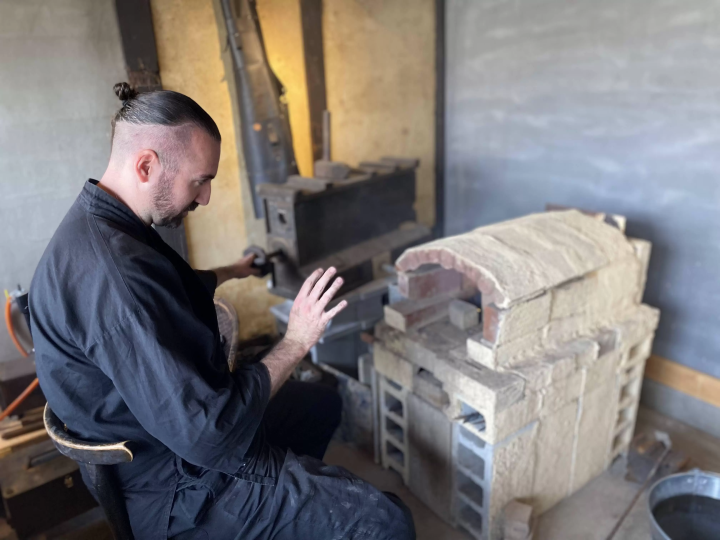
One of the most profound aspects of the tour is the use of manually operated bellows. While industrial machinery has largely replaced human effort in commercial settings, Chevalier insists on traditional manual bellows to nurture the fire. This is not a matter of inconvenience; it is a matter of control. By manually pumping air, the blacksmith feels the "pulse" of the furnace, adjusting the heat with a sensitivity that an automated machine cannot replicate.
Tour Specifications
- Duration: 60 to 90 minutes of intensive exposure.
- Capacity: Accommodates groups from 1 to 20 people.
- Pricing: Starts at 25,300 yen (tax included) per group, with rates varying based on the language requirements.
- Accessibility: Fully accessible to non-Japanese speakers through Chevalier’s fluency in English and French.
The Immersive Experience: A Sensory Journey
The tour is structured as a chronological narrative of the blacksmith’s day. It begins with the ignition of the furnace—a moment that visitors describe as the "opening act." As the Binchotan charcoal catches, the workshop fills with a rhythmic crackling sound.
Once the temperature hits the critical threshold—often exceeding 800 degrees Celsius—the metal is introduced. The subsequent forging process is the core of the tour. Guests are given the chance to swing the hammer. Under the guidance of a master, they strike the glowing iron, feeling the resistance and the weight of the metal. This sensory feedback—the heat on the skin, the vibration of the anvil, the visual transformation of the steel—is designed to leave participants with a visceral respect for the labor that goes into a professional-grade kitchen knife.
Implications: Preserving Heritage in a Modern World
The significance of Chevalier’s work extends far beyond the production of knives. In an age of mass-produced, laser-cut steel, the survival of Sakai’s traditional forging techniques is a cultural necessity. By bringing international visitors into these historic workshops, the tour serves as an essential economic and cultural lifeline.
Educational Value
The tour is not merely a demonstration; it is a masterclass in sustainability and maintenance. Chevalier provides detailed insights into how to choose, sharpen, and maintain kitchen knives. By teaching the consumer how to care for a tool, he ensures that the legacy of the blacksmith continues in the kitchens of the visitors, long after they have left Japan.
Cultural Preservation
The integration of the experience within a renovated Edo-period merchant building emphasizes the holistic nature of the craft. The tour includes a walk through the facility’s garden, where Chevalier explains the Japanese aesthetics of space and landscape. This reinforces the idea that blacksmithing does not exist in a vacuum; it is part of a broader Japanese philosophy that values harmony, precision, and longevity.
Official Responses and Accessibility
The initiative is supported by the local industrial promotion bodies in Sakai, which have recognized the value of "industrial tourism." By opening the doors to private workshops and offering high-level, multilingual commentary, the program effectively markets Sakai not just as a destination for sightseeing, but as a center of high-end manufacturing.
For those interested in participating, the booking process is streamlined to accommodate international demand. Reservations are managed through the Bokun platform, and inquiries regarding customized or group schedules can be made via a dedicated contact form. Whether you are a professional chef seeking to understand the tools of your trade or a casual traveler looking for a profound, authentic Japanese experience, this tour offers a rare window into a 600-year-old world that is as sharp and enduring as the blades it produces.
For more information or to secure your place in the workshop, interested parties are encouraged to reach out to the project coordinators at [email protected] or visit the official booking portal.


 Neng Nana
 Asro
Asro