Raul Delapena Setiawan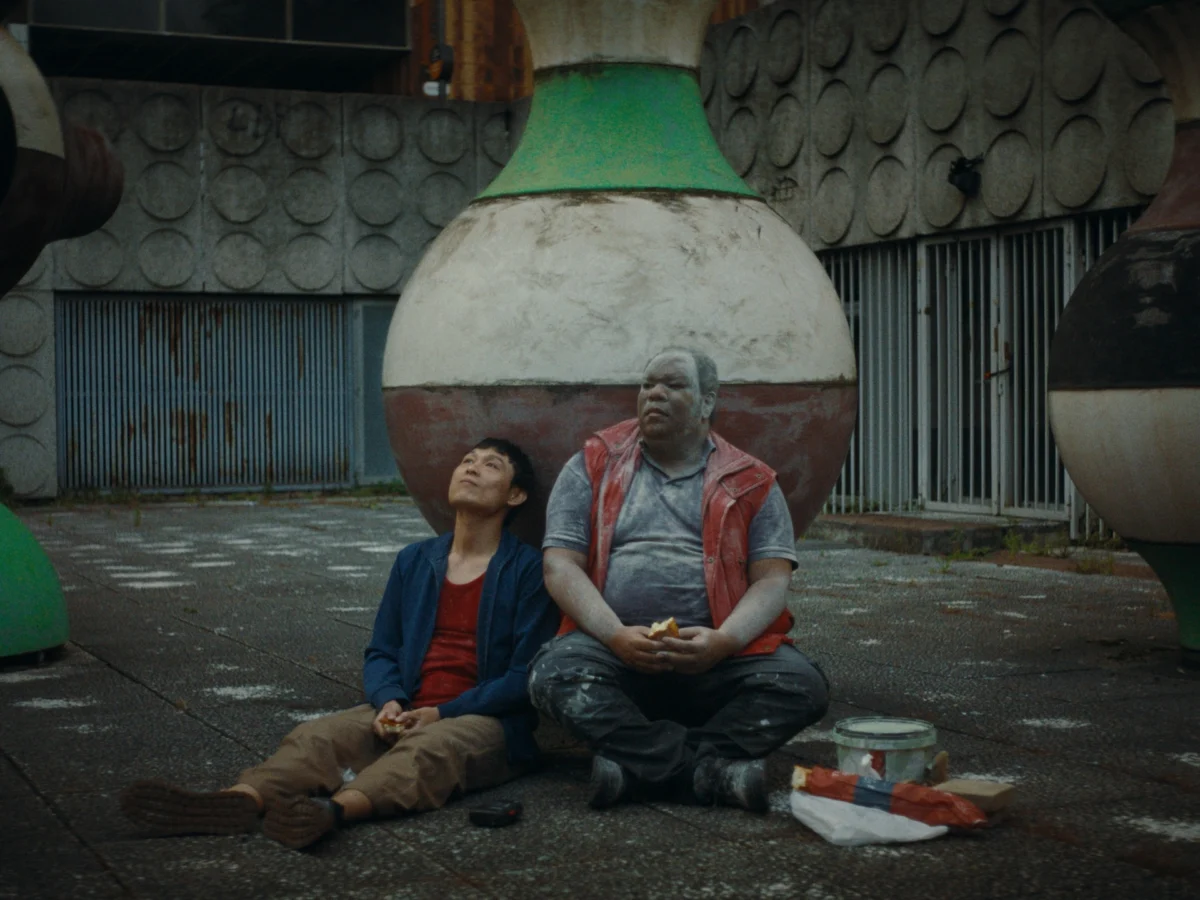
The 60th Karlovy Vary International Film Festival (KVIFF), scheduled to run from July 3–11, 2026, stands as a pillar of cultural resilience in an increasingly volatile global film market. While major festival circuits from Berlin to Toronto and Sundance have grappled with the precarious intersection of tightening corporate budgets, changing audience behaviors, and post-pandemic economic shifts, Karlovy Vary remains an outlier. Under the steady stewardship of artistic director Karel Och and chairman of the board Kryštof Mucha, the festival enters its milestone 60th year with its financial foundation secure and its influence in the Central and Eastern European landscape firmly cemented.
Positioned strategically in the summer calendar—nestled neatly between the glitz of Cannes and the industry-heavy prestige of Venice—Karlovy Vary has evolved into a vital nexus for both established auteurs and emerging voices. With 40 films featured across its primary competitive sections and an extensive slate of special screenings, the festival has become a critical barometer for the year’s most compelling international cinema.
The Strategic Importance of the KVIFF Calendar
For international distributors and independent filmmakers, the timing of the Karlovy Vary International Film Festival is far from incidental. By occupying the early July slot, the festival offers a unique "second chance" for high-caliber projects that may have been overlooked during the frenetic selection process of the Cannes Film Festival. Furthermore, it serves as a sophisticated testing ground for films that are nearing completion but require the professional polish and audience engagement that only a festival premiere can provide.
Winning a top prize at KVIFF—most notably the coveted Crystal Globe—has become a significant marker of quality that can drastically improve a film’s trajectory in the global marketplace. As festivals worldwide face existential questions regarding their relevance in a streaming-dominated era, the enduring popularity of KVIFF suggests that the physical, communal experience of cinema remains a powerful commodity, provided the curation is as sharp as that which Och and his team have cultivated over the last decade.

A Competitive Landscape: The 2026 Selections
This year’s program is a robust mix of ambition and diversity, featuring 15 first-time directors competing alongside seasoned veterans. The selection committee has curated a list that traverses the globe, ensuring that the festival remains a truly international experience.
The Crystal Globe Competition
The flagship section, the Crystal Globe Competition, remains the heart of the festival. The 2026 lineup is characterized by a mix of intense human drama, political commentary, and bold formal experimentation.
- "3 Weeks After" (3 nedelje posle): Directed by Miroslav Terzić, this Serbia-Bulgaria co-production promises to explore the regional complexities of Eastern Europe.
- "Black Money for White Nights" (Cherni pari za beli noshti): A highly anticipated world premiere from Bulgarian masters Kristina Grozeva and Petar Valchanov.
- "Chica Checa": Šimon Holý’s latest project, a Czech-French-Slovak collaboration that marks one of the most anticipated local premieres.
- "Five Years, Four Months" (Cinco años, cuatro meses): A trans-continental effort by Esteban Hoyos García and Juan Miguel Gelacio Ramírez, linking the narrative sensibilities of Colombia and the USA.
- "Behind the Rain" (Detrás de la lluvia): Legendary director Valeria Sarmiento brings a Chilean perspective to the competition.
- "The Guest" (Gæsten): Mads Mengel’s Danish feature explores themes of isolation and intrusion.
- "A Happy Family": Directed by Jan-Eric Mack, this Swiss production arrives with significant buzz.
- "Hijamat": Nader Saeivar’s German production continues the festival’s tradition of platforming voices that grapple with displacement and identity.
- "The Lion at My Back": A multi-national production (Cyprus, Luxembourg, Greece) helmed by Tonia Mishiali.
- "Pipes": Karim Kassem’s Lebanese drama, bringing a vital Middle Eastern narrative to the Czech stage.
- "Only Beautiful Things to Look At" (Prameň): Ivan Ostrochovský’s Slovak-Czech-Hungarian effort promises to be a visual standout.
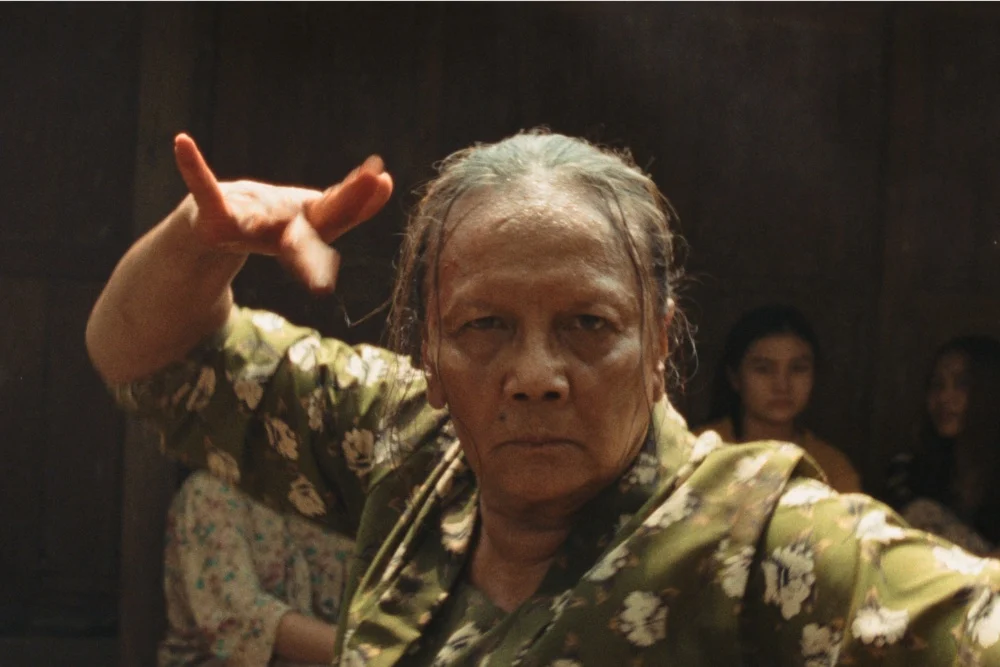
- "Fruit Gathering" (Thit-thee Khu): Aung Phyoe’s Myanmar-France-Czech production offers a unique Southeast Asian perspective.
The Proxima Competition
The Proxima competition remains the festival’s laboratory for the avant-garde and the experimental. This year’s selections, such as Isabelle Tollenaere’s "Paris Paris" and the Indian production "The Ink-Stained Hand and the Missing Thumb," underscore the festival’s commitment to pushing the boundaries of traditional filmmaking. The inclusion of works like Giovanni C. Lorusso’s "Homo Sive Natura" and Shuntaro Uchida’s "Incinerator" (Shokyakuro) demonstrates a willingness to engage with high-concept, challenging material that demands active participation from the viewer.
The Jury: A Convergence of Global Expertise
The credibility of any film festival rests heavily on the caliber of its jury, and the 2026 edition of KVIFF has assembled a panel of industry heavyweights who bring a balance of critical theory and practical production experience.

The Crystal Globe Jury includes:
- Justin Chang: Renowned critic for The New Yorker, known for his incisive analysis of contemporary cinema.
- Amanda Nell Eu: The visionary director of "Tiger Stripes," representing the new wave of Southeast Asian cinema.
- Pavel Rejholec: A cornerstone of the Czech film industry, bringing technical expertise in sound and production.
- Nadia Turincev: A powerhouse producer with deep roots in international co-productions.
- Eskil Vogt: A two-time Oscar-nominated screenwriter, celebrated for his collaborative work with Joachim Trier.
The Proxima Jury features:
- Estrella Araiza: General Director of the Guadalajara International Film Festival (FICG).
- Dirk Decker: A German producer known for his commitment to independent storytelling.
- Jakub Felcman: A vital figure in the Czech cultural scene, spanning roles from critic to creative producer.
- Devika Girish: Editor of Film Comment, representing the cutting edge of global film journalism.
- Marija Kavtaradze: A Lithuanian director/screenwriter who brings a distinct auteurist perspective.
Implications for the Future of Film Festivals
The success of the 60th Karlovy Vary International Film Festival serves as a critical case study for the industry. While other festivals are forced to retrench, KVIFF’s ability to thrive points to the importance of institutional stability and a clear, unwavering vision. By avoiding the temptation to over-expand and instead focusing on a curated, high-quality program, the festival has maintained the trust of its sponsors and the loyalty of its audience.
Moreover, the emphasis on a wide geographical spread—from Lebanon and Myanmar to Chile and the Czech Republic—reinforces KVIFF’s position as a truly global event. It is not merely a European festival; it is a platform for the "global village" of cinema. As the industry faces the dual pressures of the streaming era and the "eventization" of theatrical releases, festivals like Karlovy Vary offer a sanctuary where the medium of film is celebrated not just as content, but as a rigorous, transformative art form.

Looking Toward the Future
As the festival prepares to open its doors this July, the mood is one of guarded optimism. The 60th anniversary is not just a celebration of the past, but a forward-looking statement of intent. The inclusion of special screenings, such as Mark Cousins’ "The Story of Documentary Film – 1980s" and the documentary work of Helena Třeštíková, indicates a desire to contextualize the current moment within the broader history of the medium.
For the participants, this year’s festival is more than a professional gathering; it is a lifeline. In a year marked by uncertainty, the 60th Karlovy Vary International Film Festival offers the stability, the community, and the platform that filmmakers need to bring their stories to the world. As the lights dim in the historic theaters of Karlovy Vary, the global film community will once again be reminded that even in an age of digital transformation, the heartbeat of cinema remains loud, clear, and very much alive in the Czech Republic.

 Asro
Asro
 Nana Wu