

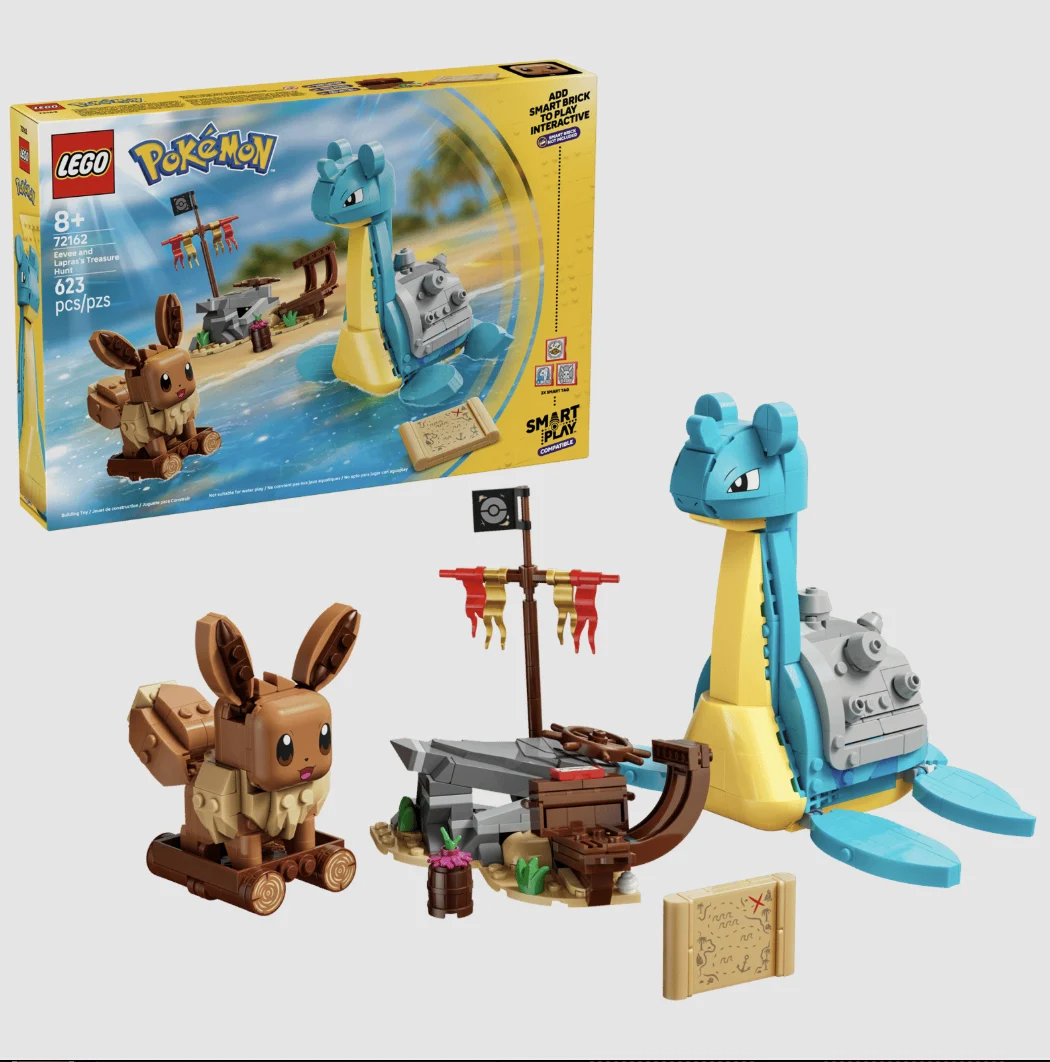
In a landmark collaboration that promises to redefine how fans interact with their favorite pocket monsters, Lego, The Pokémon Company International, and Nintendo have officially announced the upcoming launch of the Lego Pokémon Smart Play line. Set to debut on August 1, 2026, this new series marks a significant evolution in the partnership between the world’s most iconic toy manufacturer and the gaming titan. Moving beyond static, display-oriented builds, these sets introduce sophisticated electronic integration, allowing fans to bring their Pokémon builds to life through motion, sound, and interactive gameplay.
The Core Concept: Bringing Pokémon to Life
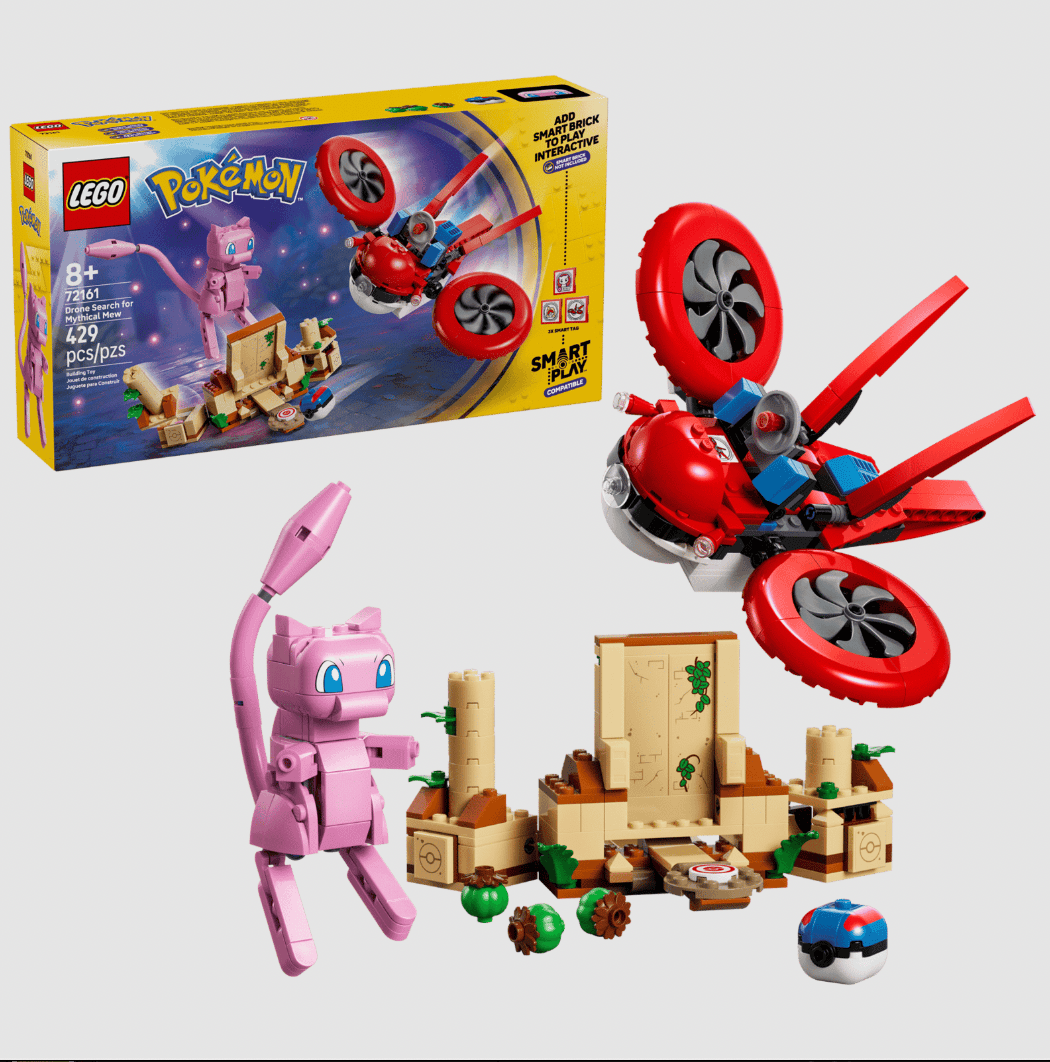
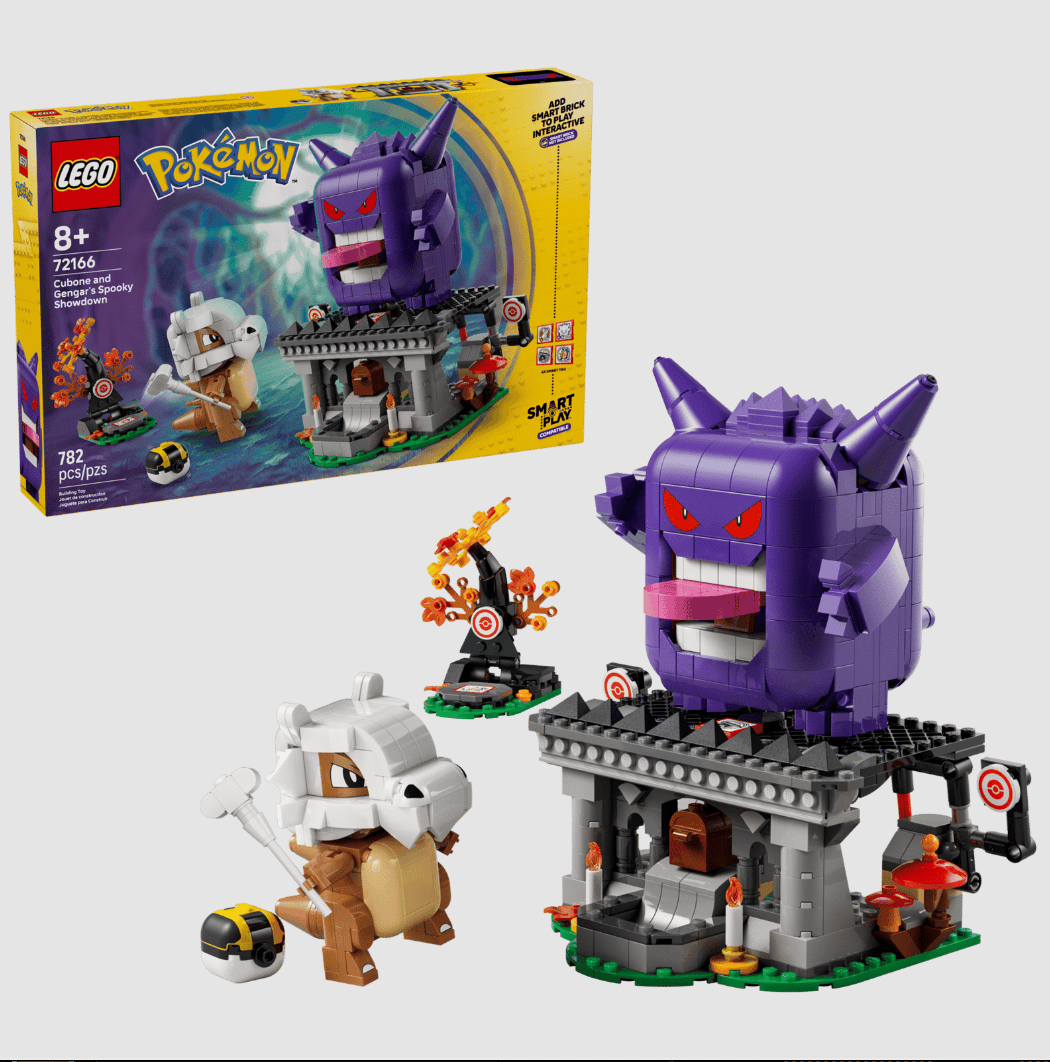
The essence of the Smart Play line lies in its electronic-based interactivity. Unlike traditional Lego sets that remain stationary once constructed, the Smart Play series utilizes a specialized ecosystem of components—specifically "Smart bricks," "Smart tags," and a proprietary "Smart Play charger."
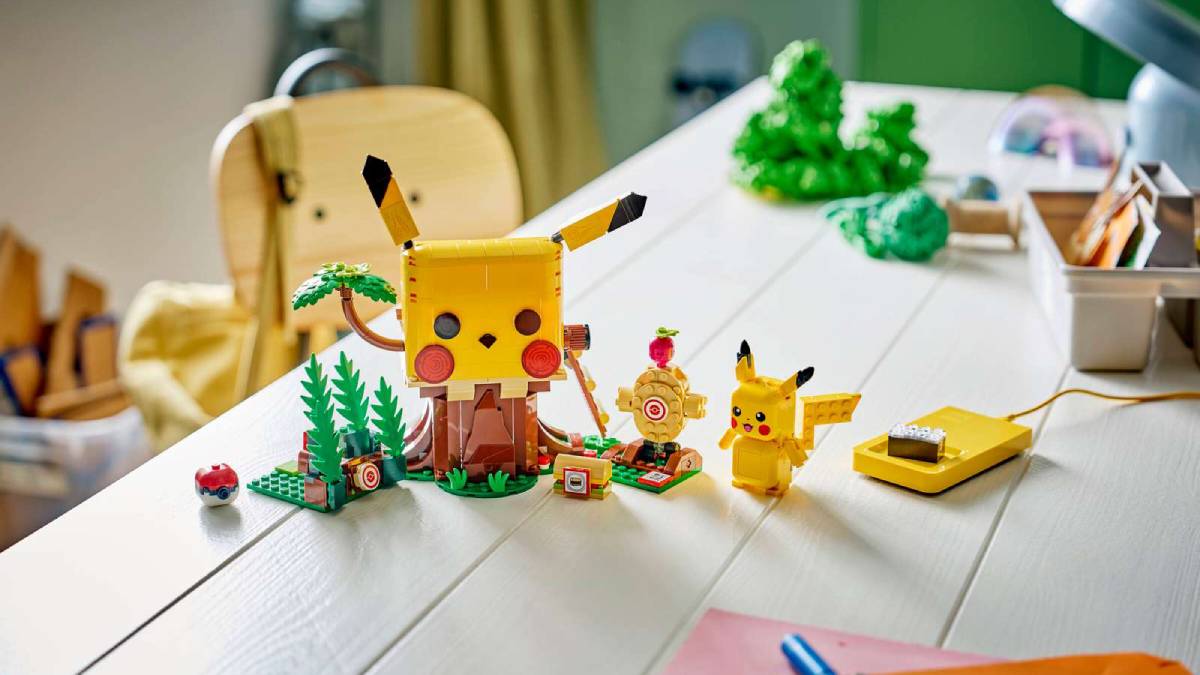
These elements allow the built Pokémon figures to react to their environment. When a user moves a figure or interacts with specific in-game items, the electronics trigger programmed responses, simulating behaviors and reactions familiar to long-time fans of the video game and anime series. This transition from static model to "living" character represents a massive technological leap, effectively blurring the lines between traditional construction toys and modern, interactive digital gaming.
Chronology: From Static Builds to Interactive Ecosystems
The path to this announcement has been a steady progression of innovation. For years, the Lego-Pokémon relationship was defined by smaller, static character models. Builds like the fan-favorite Eevee and Pikachu sets focused primarily on aesthetic fidelity—creating high-quality, poseable figures that served as excellent desktop display pieces for collectors.
However, the market shifted as fans demanded more engagement. Drawing inspiration from the highly successful Lego Super Mario series—which introduced modular level-building and responsive electronic figures—Lego and The Pokémon Company began exploring how to apply that "level-play" philosophy to the world of Kanto and beyond.
- 2023–2025: Initial experimentation with posable, non-electronic models.
- Early 2026: Development of the "Smart Play" ecosystem, focusing on compatibility between disparate sets.
- June 2, 2026: Official global unveiling of the Smart Play line, showcasing the initial 12-set rollout.
- August 1, 2026: Scheduled global retail release date.
The Flagship Experience: All-in-One Starter Sets
At the heart of the launch are two "all-in-one" sets designed to serve as the entry point for the Smart Play ecosystem. These bundles are comprehensive, providing everything a new user needs to begin their journey.
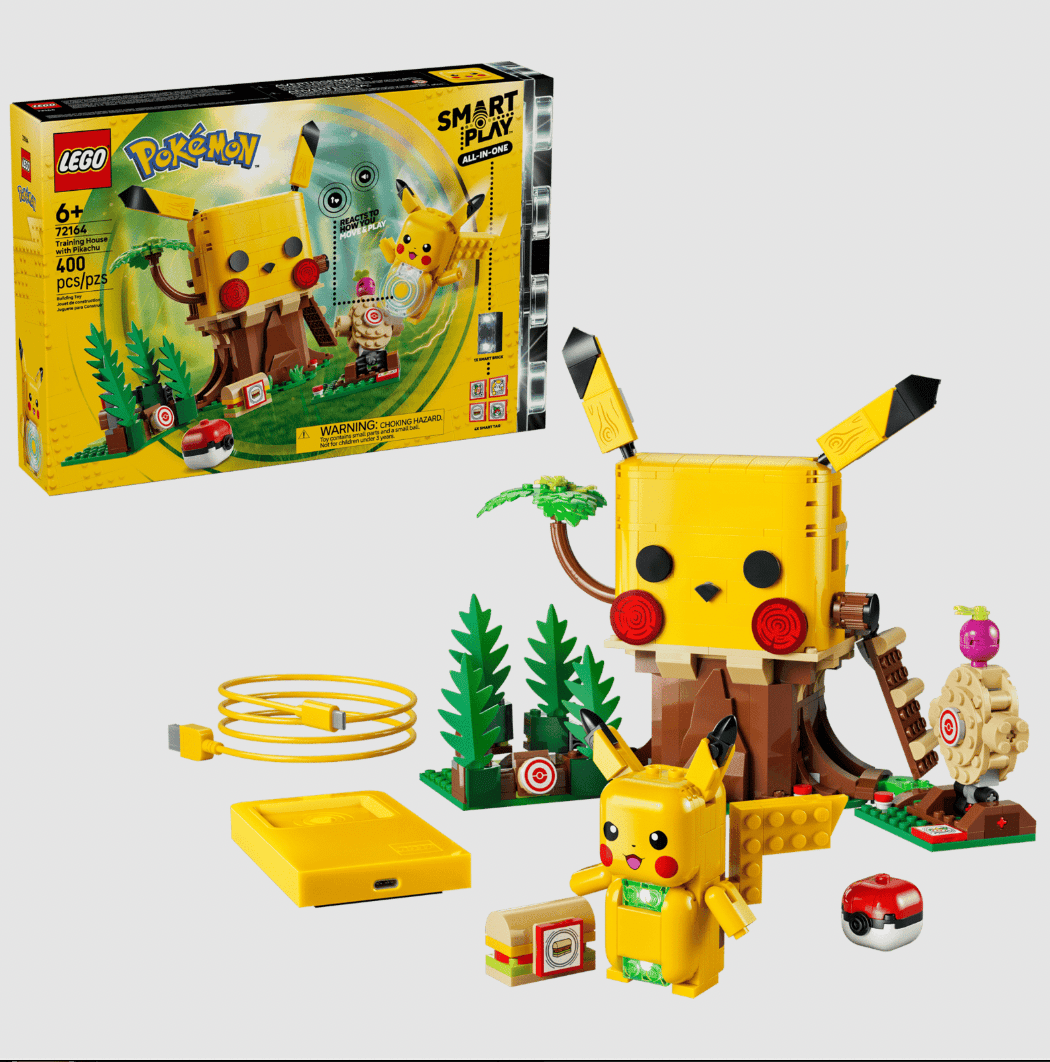
1. Training House with Pikachu ($69.99)
This set serves as the foundational experience. It provides the core technology—the Smart Play charger, two Smart bricks, and four Smart tags—alongside a buildable training facility. The inclusion of Pikachu, the franchise’s global mascot, ensures that the initial "hook" is both nostalgic and functional. The Smart tags allow Pikachu to interact with training equipment, providing feedback via the Smart bricks when the trainer successfully completes a mini-game or training drill.
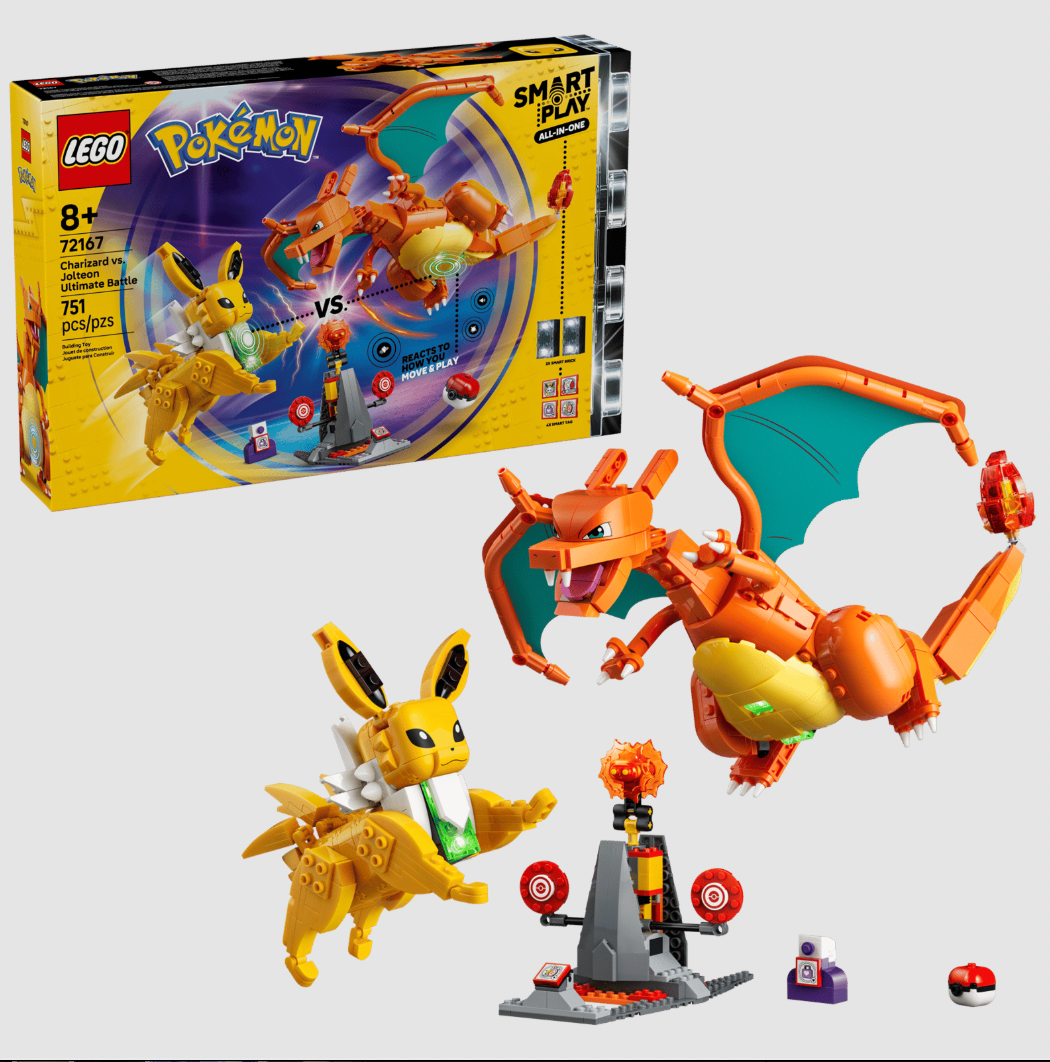
2. Charizard vs. Jolteon: Ultimate Battle ($119.99)
A more robust offering, this set is aimed at the competitive collector. It provides a more complex building experience and features two iconic Pokémon. The "Ultimate Battle" set leverages the full capability of the Smart Play electronics, allowing for dynamic, action-oriented play where the two figures can "react" to each other’s presence through proximity sensors and specific Smart tag triggers. It is the definitive set for fans looking to explore the full depth of the system’s programming.
Supporting Data: The Compatibility Ecosystem
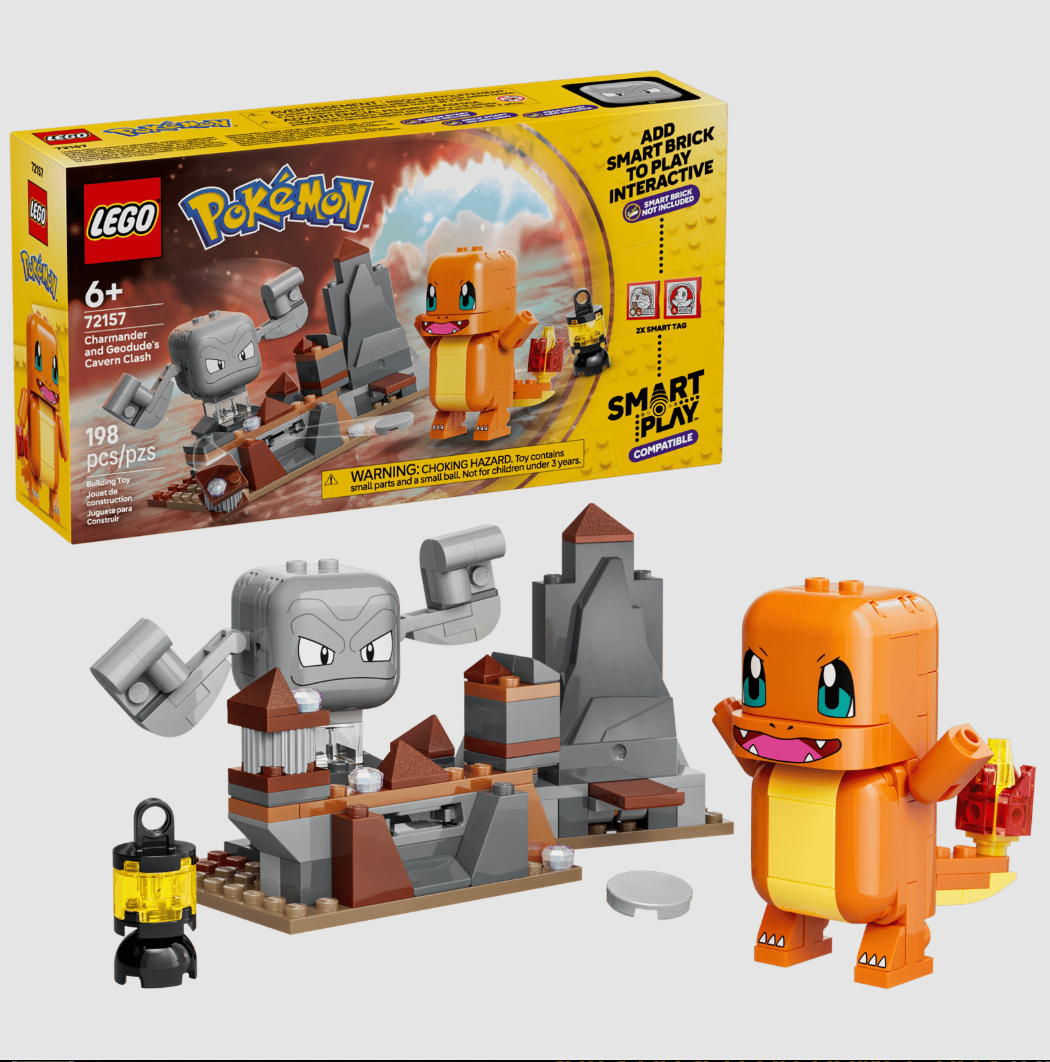
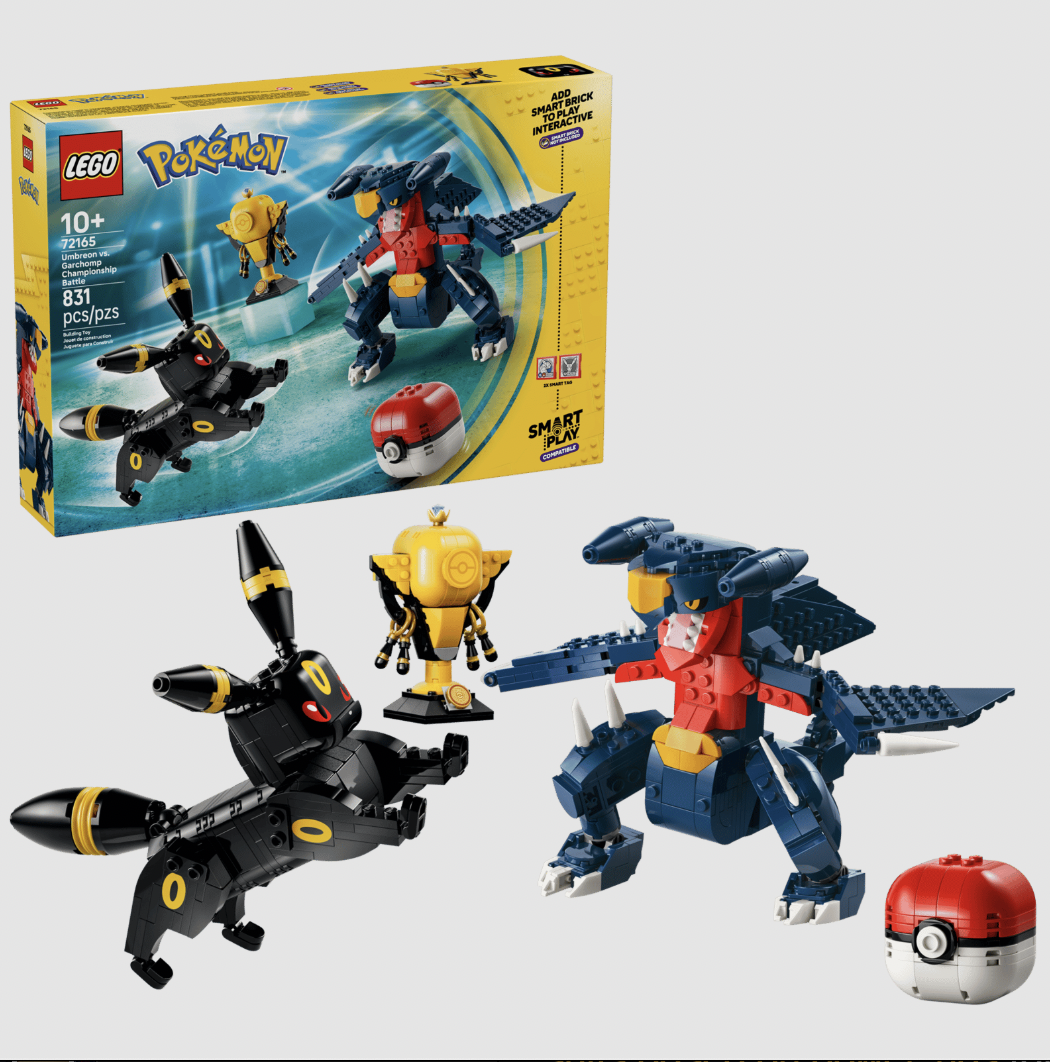
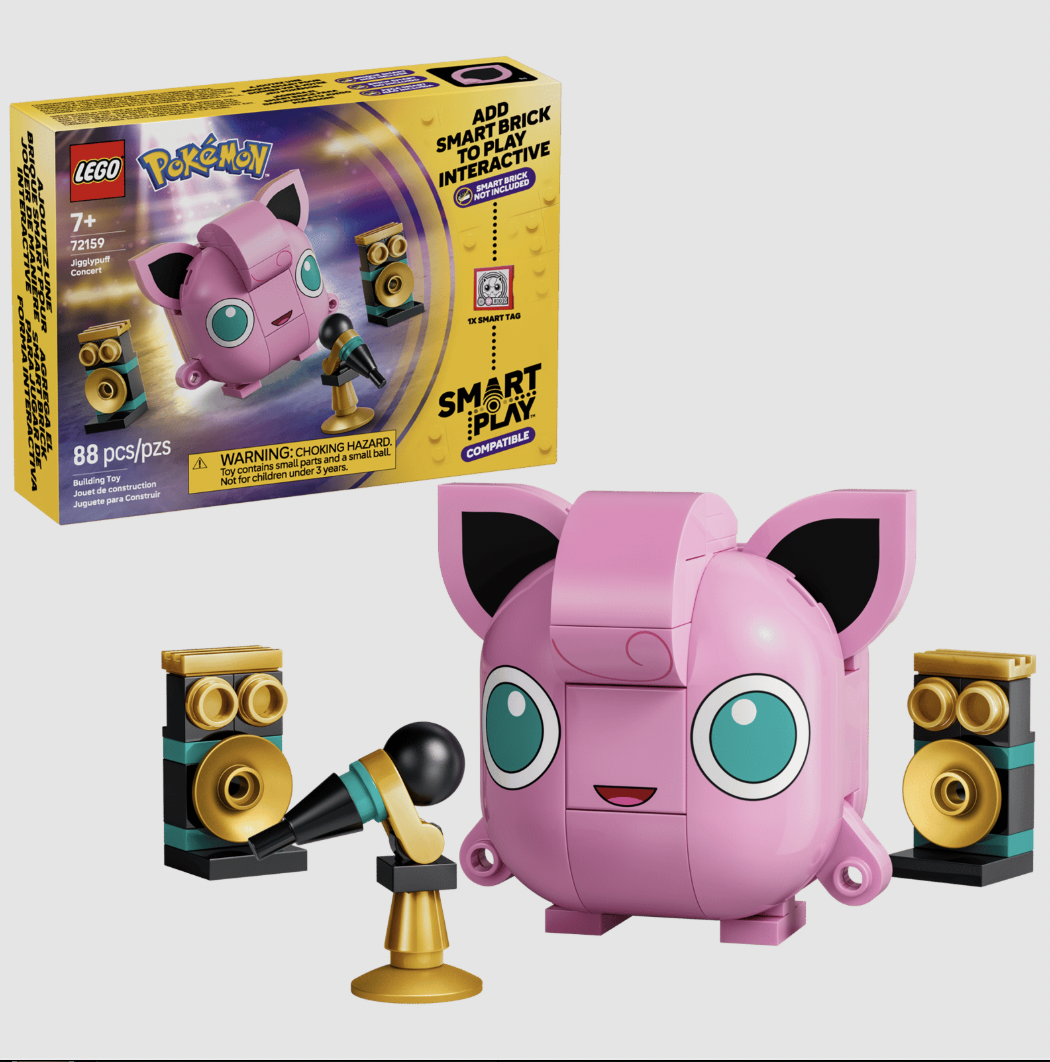
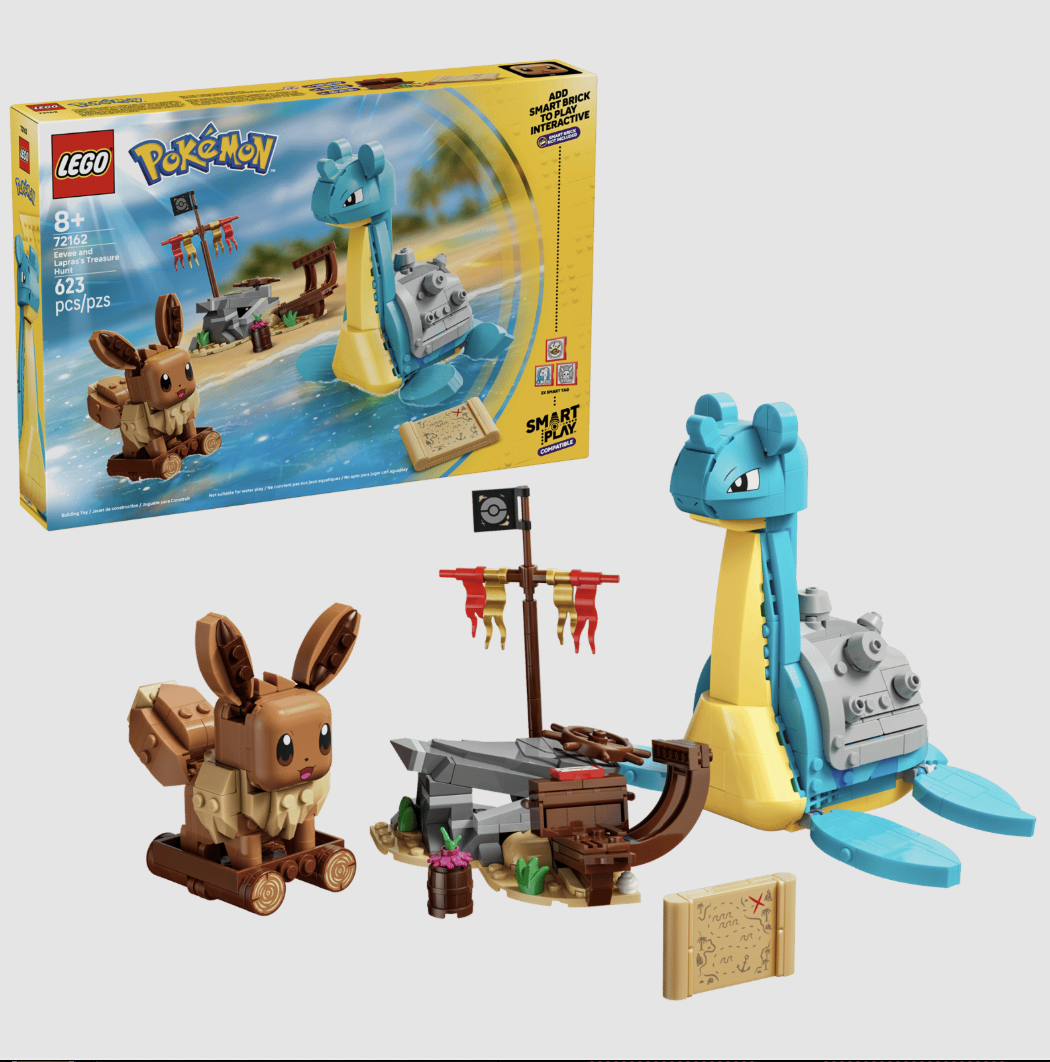
While the two flagship sets provide the necessary hardware, the remaining 10 sets in the launch lineup act as "expansion" content. These sets do not include the charger or central Smart bricks, but they are fully compatible with the broader system. By integrating these sets into a larger display, players can expand their "Smart" environment, adding new characters and unique Smart tags that unlock different reactions and gameplay variations.
The pricing strategy for the launch is clearly segmented to appeal to both casual buyers and hardcore enthusiasts:
- Starter/Flagship Sets: $69.99 – $119.99 (Essential for the electronic functionality).
- Expansion/Character Sets: Various price points, designed for gradual collection and ecosystem growth.
The list of additional sets (to be unveiled in full detail closer to the August launch) follows a strategy similar to the Super Mario power-up suit expansions, where each character adds a layer of complexity to the overall "game."
Official Responses and Strategic Intent
Representatives from The Pokémon Company International have emphasized that the goal of the Smart Play line is to "foster active, imaginative play." By moving away from purely aesthetic builds, the companies hope to tap into a younger demographic that expects their toys to be as dynamic as their digital gaming experiences.
"Lego has always been about creativity, but with the Smart Play line, we are adding a layer of agency," noted a spokesperson during the reveal. "We aren’t just telling the user how to build a Pokémon; we are giving them the tools to interact with it."
Nintendo’s involvement, though secondary to the physical engineering, is crucial for the "flavor" of the sets. The software-side logic, which dictates how the Smart bricks interpret data, carries the distinct "feel" of a Nintendo product—intuitive, responsive, and polished.
Implications for the Toy and Gaming Industries
The introduction of the Lego Pokémon Smart Play line carries several significant implications for the future of the toy industry:
1. The Death of the "Static" Collectible
While traditional display models will always have a place in the market, the success of interactive sets like Lego Super Mario and now Pokémon suggests that the future of licensed toys lies in "phygital" (physical-digital) integration. Consumers are increasingly valuing toys that offer a "second life" through electronic engagement.
2. The Power of "Ecosystem" Marketing
By separating the "Smart" hardware from the character sets, Lego is effectively creating a platform. Much like the "Games as a Service" model in video games, the Smart Play sets encourage long-term investment. A customer who buys the $69.99 Training House is now a "stakeholder" in the ecosystem; they are significantly more likely to purchase additional expansion sets to maximize the value of their existing charger and smart bricks.
3. Cross-Generational Appeal
The Pokémon franchise has a unique ability to bridge generations, with a player base that spans from elementary school children to adults in their 30s and 40s. These Smart Play sets are engineered to satisfy both groups: children enjoy the active, game-like mechanics, while adult collectors appreciate the technical complexity and the premium nature of the electronic components.
Looking Ahead to August 1
As the clock ticks down toward the August 1, 2026, release, anticipation is building. With pre-orders already active via multiple major retailers and the official Pokémon Center website, the initial production runs are expected to move quickly.
The success of this launch will likely dictate the future of the partnership. Should the Smart Play sets meet sales projections, it is highly probable that we will see further expansion into other legendary Pokémon, different regions of the Pokémon world, and perhaps even more complex electronic integration in the years to follow. For now, the message is clear: the future of building is not just about stacking bricks—it’s about bringing those bricks to life.












No comments yet. Be the first to join the conversation!