Dwi Wanna
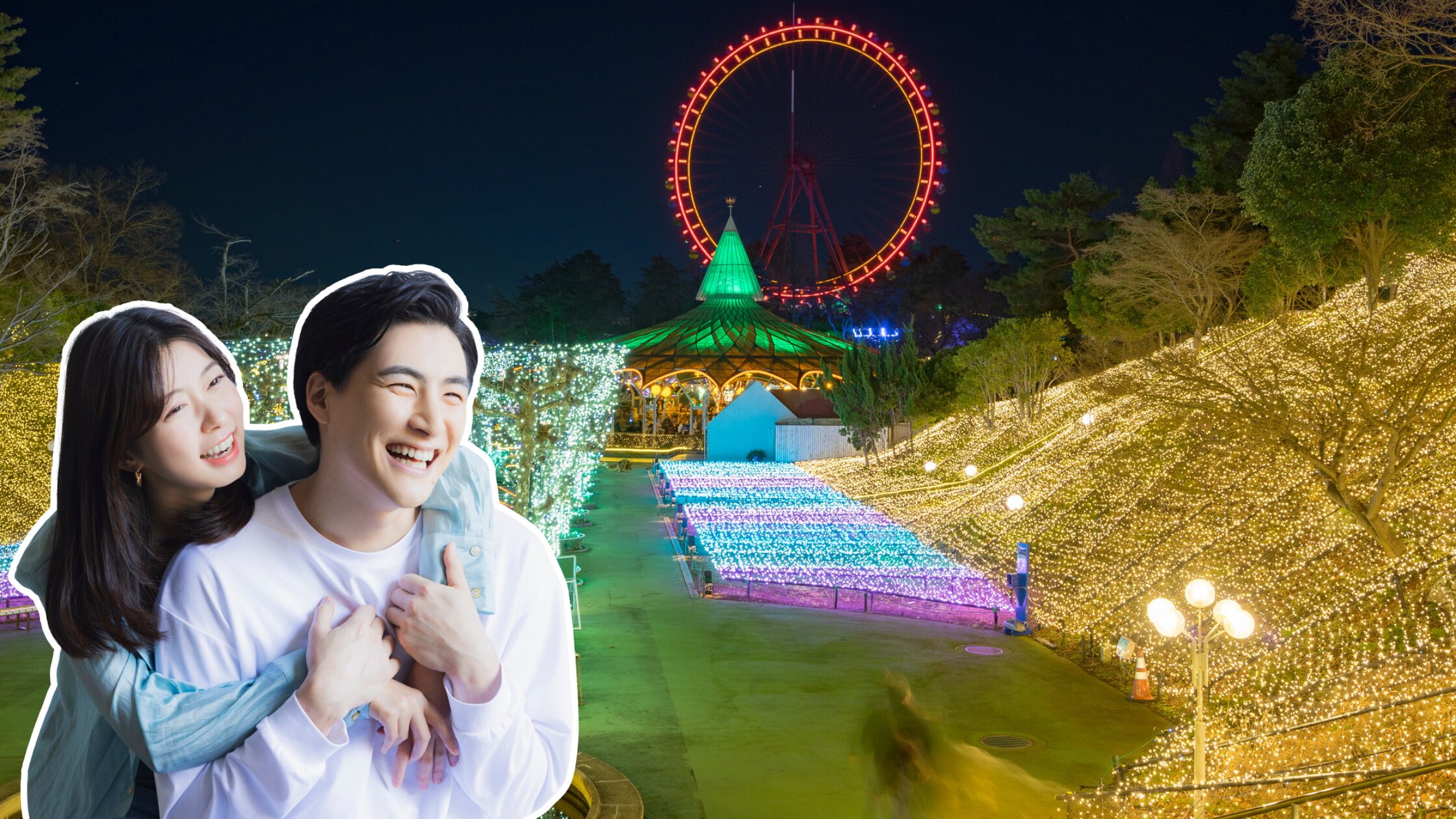
In the neon-lit heart of Saitama Prefecture, a revolution in modern romance is taking place, one roller coaster ride at a time. On May 9, 2026, the Seibuen Amusement Park—a venue usually filled with the shrieks of children and the hum of machinery—played host to a different kind of intensity. Approximately 4,000 single men and women descended upon the park for “Seibuen Night,” a colossal, high-stakes social experiment designed to combat one of the most pressing crises in contemporary Japan: the dwindling enthusiasm for marriage and the pervasive fatigue surrounding traditional dating culture.
While Japan’s digital dating landscape continues to grow in terms of raw revenue, the human cost of the "marriage hunt" (konkatsu) has reached a breaking point. With a significant portion of the nation’s youth reporting that the process of finding a partner has become demoralizing and exhausting, innovative event organizers are betting that a return to visceral, face-to-face interaction is the key to rekindling romantic ambition.
The Mechanics of Seibuen Night: Where Rules Foster Connection
The event, hosted by the Toyama-based firm Baumkuchen, represents a departure from the sterile nature of smartphone-based matchmaking. Participants, all aged 20 or older, were treated to an evening of complimentary beverages and full access to the park’s attractions. However, the core of the event lay in its ingenious, albeit slightly forced, social engineering.
The most critical rule of the evening was a barrier to entry for the park’s thrill rides: one could only board an attraction if accompanied by a member of the opposite sex. This simple mandate served as a powerful catalyst, effectively dismantling the "wallflower effect" that often plagues large-scale mixers. By removing the burden of initiating a conversation from scratch, the requirement to find a partner to ride a coaster acted as a social "grease," turning potentially awkward strangers into immediate teammates.
To further lower the barrier to interaction, organizers introduced the "Miracle Trump Game." Each participant was issued half of a playing card upon entry, tasking them with roaming the park to find the person holding the corresponding half. The first 30 successful matches were awarded prizes, providing a low-stakes, gamified incentive for attendees to break the ice. By the end of the night, the park was transformed from a collection of isolated individuals into a buzzing network of temporary duos and groups, all united by the common pursuit of the next ride or a matching card.
The Economics of Romance: A Price Tag on Potential
The financial structure of the event sparked significant debate on social media platforms like X. Men were charged ¥7,000 (approximately $44 USD), while women were charged ¥4,000 ($25 USD).
Critics argued that the pricing disparity places an undue financial burden on men, potentially discouraging those who fear the "sunk cost" of a failed interaction. Some detractors noted that if a man spends the entry fee and fails to secure a connection, the financial sting could serve as a further deterrent against future attempts at konkatsu. Conversely, proponents of the event point out that when factoring in the cost of unlimited ride passes and an open-bar environment, the price is competitive with—if not cheaper than—a typical night out in Tokyo.
Chronology of a Growing Trend
The rise of the "amusement park group date" is not a sudden phenomenon, but rather the maturation of a strategy that began over a decade ago.
- 2012: Baumkuchen hosts its first small-scale nighttime amusement park rental in Toyama Prefecture. The concept was simple: rent a park after hours to provide a safe, contained, and fun space for singles to interact.
- Mid-2020s: As the pandemic forced a reliance on digital communication, a post-pandemic "rebound" occurred. The desire for in-person, tactile experiences surged, causing companies like Baumkuchen to scale up significantly.
- May 2026: The Seibuen Night event draws a record-breaking 4,000 attendees, marking a turning point in the popularity of these large-scale "mega-mixers."
- Ongoing: Competitors like Linkbal, the operator of the popular "machicon JAPAN" platform, have replicated the model. To date, similar events have been held at 17 locations nationwide, including major venues like Tokyo Joypolis and Hirakata Park in Osaka.
The Data: Why Digital Isn’t Enough
The success of these events is framed against a backdrop of paradoxical data. According to the "Matching App White Paper 2026," the Japanese dating app market is thriving, reaching a staggering ¥109 billion ($680 million USD) this year. Despite this, the effectiveness of these apps in leading to long-term commitments remains under fire.
A survey by the Mobile Marketing Data Labo revealed that for the vast majority of Japanese people, workplace and school connections—traditional, organic methods of meeting—remain the most successful avenues for romantic pairing, accounting for 44.5% of relationships. Dating apps are often seen as a secondary option, favored by those in their 20s but frequently tainted by concerns over "marriage scams," infidelity, and the repetitive, robotic nature of swiping.
The "time-performance" (or taipa) culture that dominates Japan has extended into the dating world. Many young people complain that dating apps feel like a conveyor belt, where hours are spent in endless, repetitive messaging that rarely culminates in a real-world date. When 80% of young survey respondents claim that the hunt for a marriage partner has left them "exhausted," it becomes clear that the convenience of an app is being outweighed by the psychological fatigue of the process.
Social Media Reactions: A Mirror of National Anxiety
The discourse surrounding these events on X highlights the deep-seated anxieties of a generation struggling to balance societal expectations with personal comfort.
Supporters of the Seibuen model often praise it as a proactive solution to the national birth rate crisis. As one user noted, "If we want to fix the birth rate, we need to fund and facilitate these kinds of high-volume social opportunities." Another frequent observation is that these events provide a "safe harbor" for men. In an era where interactions between genders are often viewed through a lens of extreme caution, the structured, gamified environment of an amusement park offers a space where, as one user pointed out, "a man can talk to a woman without the immediate fear of being labeled a creep."
However, the cynicism remains. Some users argue that such events are merely "Band-Aid solutions" that do not address the structural economic issues preventing young people from marrying. The disparity in pricing, the reliance on gimmicks like playing cards, and the sheer scale of the events lead some to feel that the "romance" is being commodified and manufactured to an artificial degree.
Implications for the Future of Japanese Social Life
The trend toward large-scale, offline social events indicates that Japan is in a period of "dating recalibration." The novelty of the digital age has worn off, and a significant portion of the population is expressing a hunger for the unpredictability and excitement of in-person social dynamics.
Companies like Baumkuchen and Linkbal have identified a crucial gap in the market: the need for "low-stakes, high-impact" environments. By forcing participants into situations where they must cooperate—whether it is finding a card-matching partner or agreeing on which roller coaster to ride—they are creating a framework that encourages organic human interaction while stripping away the pressure of the "date" itself.
Whether these amusement park events will successfully boost marriage rates is yet to be determined. However, their proliferation suggests that the future of Japanese dating may not lie in better algorithms or more sophisticated AI matchmakers, but in a return to the basics of human interaction. When the screen is turned off and the roller coaster begins to climb, the artificial barriers of modern life seem to fade, leaving space for the one thing that no app has ever truly mastered: the spontaneity of a real-world connection.
As the sun sets over Saitama and the lights of the amusement park flicker to life, thousands of young Japanese are finding that sometimes, the best way to move forward in life is to grab a stranger’s hand, buckle up, and prepare for the ride.


 Neng Nana
 Asro
Asro