Laily UPN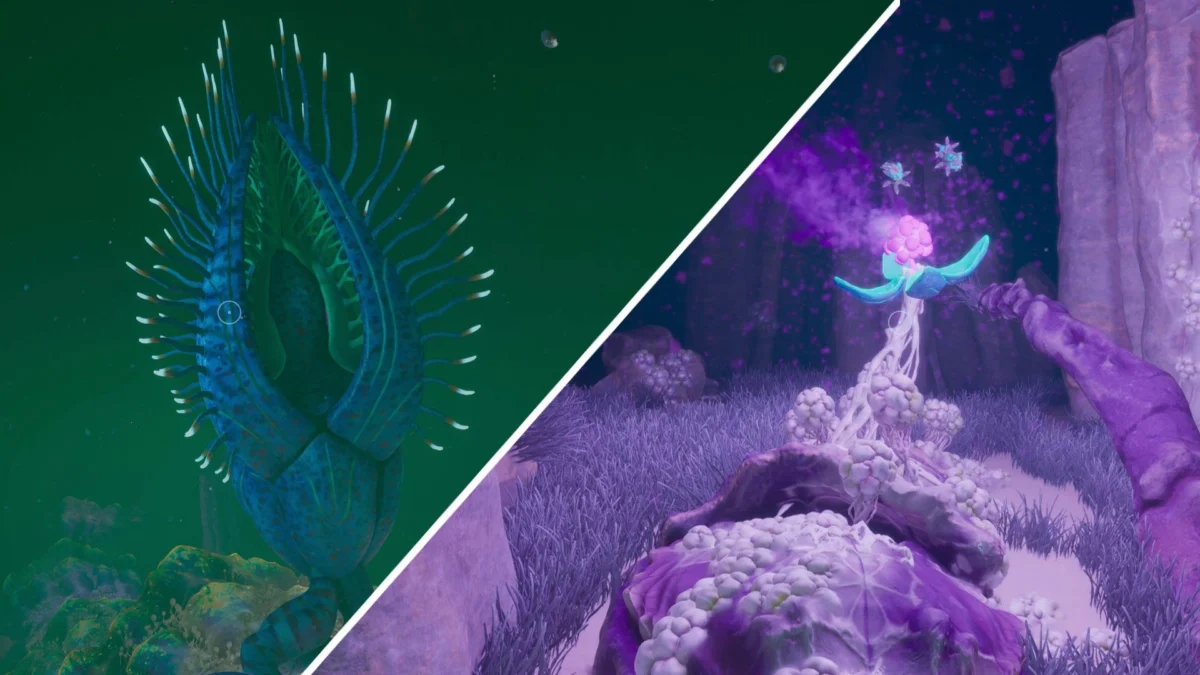
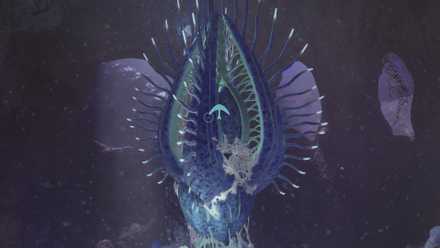
Surviving the alien depths of the planet Proteus in Subnautica 2 requires more than just basic resource gathering and oxygen management. As players delve deeper into the game’s campaign, the mechanics of survival shift from mere persistence to active biological restoration. Central to this progression is the "Angel Comb," a vital alien life form that serves as a gateway to essential environmental Adaptations.
For players currently navigating the Early Access build, interacting with these organisms is not as simple as a touch-based initiation. Several Angel Combs have fallen victim to a parasitic infection, requiring the player to act as an aquatic surgeon. By utilizing advanced resonance technology, you can cleanse these organisms and unlock the "Axum Vision," a crucial tool for deciphering ancient alien communications.
The Significance of the Angel Comb
The Angel Comb is not merely a biological curiosity; it is a foundational pillar of player progression. Throughout the Subnautica 2 campaign, players are tasked with seeking out these entities to acquire "Adaptations"—specialized, semi-permanent physiological upgrades that allow the human body to withstand the crushing, hostile conditions of Proteus.
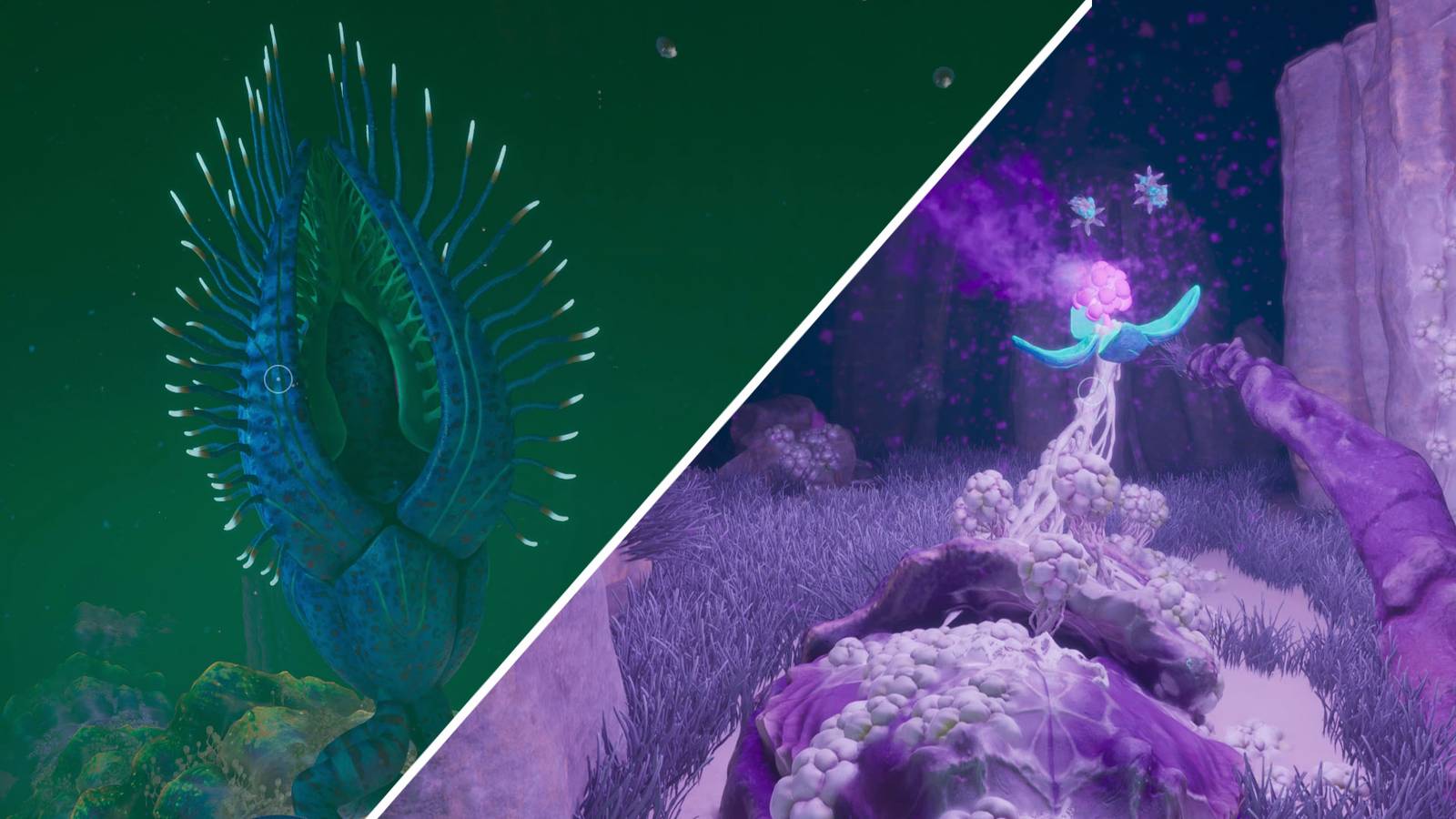
The first, and perhaps most vital, adaptation typically granted by the Angel Comb is pressure tolerance. Without this, the player is limited to shallow waters; with it, the depths of the ocean become accessible. Subsequent adaptations allow for more efficient metabolism, enabling the consumption of local fauna without digestive distress, as well as increased heat tolerance for navigating geothermal vents.
However, in the current build, two specific Angel Combs are suffering from a debilitating, white-hued infestation. These impurities block the organism’s natural functions, effectively locking away the next tier of the campaign. To resolve this, players must employ the Sonic Resonator—an upgrade for the Feedback Resonator tool—to systematically purge the infection.
Essential Preparation: The Sonic Resonator
Before attempting to cleanse an infected Angel Comb, players must ensure their equipment is up to the task. Attempting to clear the infestation with standard tools will prove ineffective. You must craft the Sonic Resonator upgrade for your Feedback Resonator.

The crafting process for this upgrade requires specific rare components found throughout the biomes surrounding the primary research stations. Players are encouraged to thoroughly explore the wreckage sites and mineral-rich cavern systems to locate the necessary schematics. Once the upgrade is installed, the Feedback Resonator gains the ability to emit high-frequency pulses capable of shattering the hardened, parasitic growth surrounding the Angel Comb.
Chronology of the Cleansing Process
The process of curing the Angel Comb beneath the Power Plant is a multi-stage operation. It requires traversing dangerous depths and managing oxygen levels while hunting for specific nodes of infection.
Phase 1: The Observatory Approach (Infection #1)
Starting from the primary Angel Comb location, head west toward the Observatory. This area features a sprawling, complex cave system. The infection here manifests as two distinct bulbs attached to the root structures. Use the Sonic Resonator to shatter these bulbs, which will cause the infection to recede from the primary root system.
Phase 2: The Descending Roots (Infection #2)
Returning to the central Angel Comb, follow the primary root system heading south. Players will need to dive to a depth of approximately 310 meters. At this depth, you will encounter a smaller, juvenile Angel Comb surrounded by white, calcified infection pods. There are three primary clusters here: two hidden behind the nearby rock pillars and one located directly beneath the coral-infested alien platform. Precision is key; ensure all three are fully resonated to progress.
Phase 3: The Alterra Wreckage (Infection #3)
The third site is the most dangerous. Located to the east of the Angel Comb, players must descend to 320 meters, just south of the Metal Farms. Here, a section of an abandoned Alterra starship has been lodged into the seafloor. PDA logs suggest that the crash site was deliberately manipulated to conceal the presence of the infection.
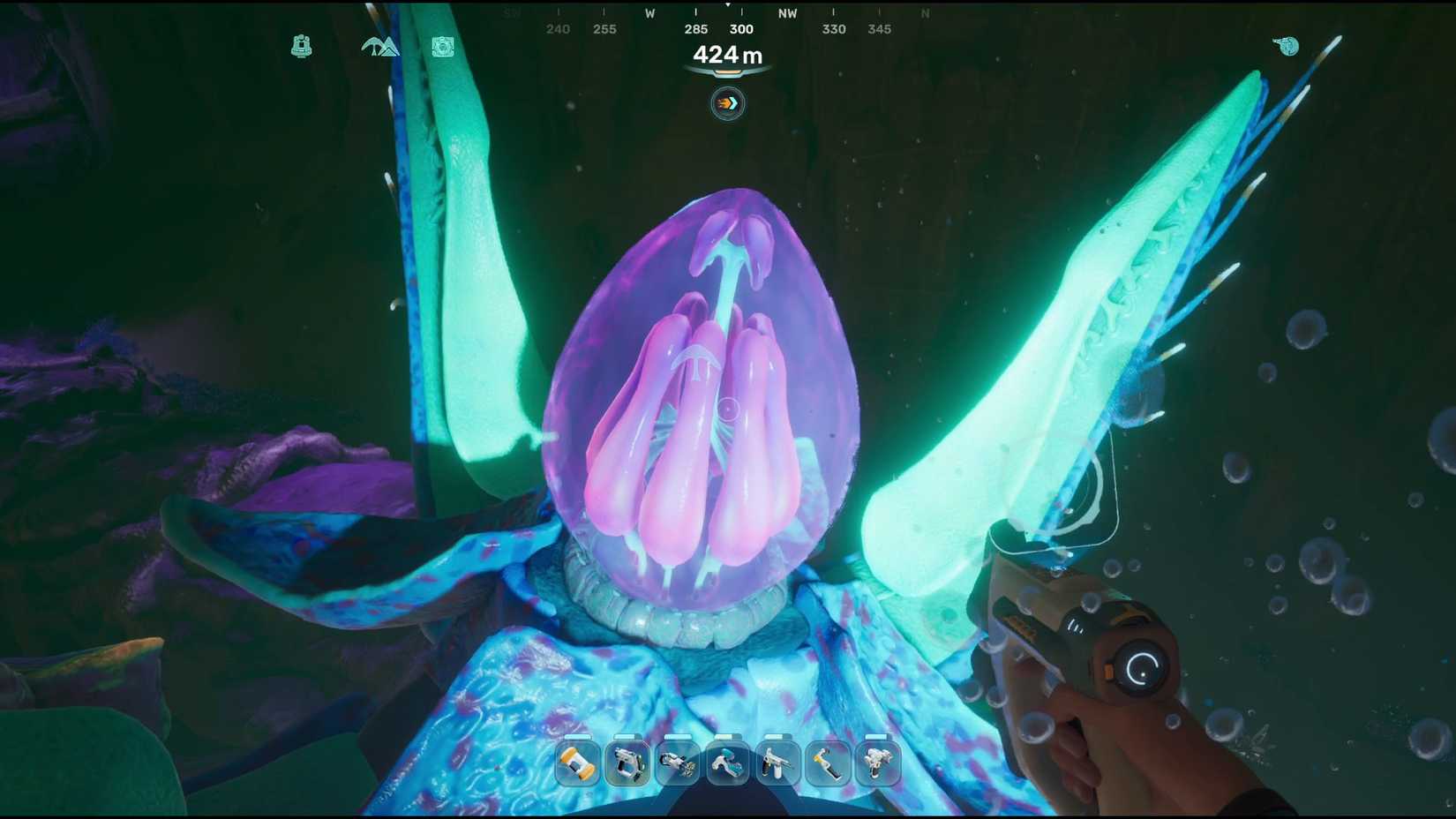
To clear this site, you must enter the wreckage using your Feedback Resonator to clear debris. Inside, a deep pit leads to a network of vines infested with the growth. Blasting these away is necessary to clear the blockage affecting the Angel Comb’s primary node.
Final Phase: The Purification
Once the three external sites are cleared, the final step takes place at the main Angel Comb site itself. Two remaining nodes—one in the east-southeast corner and one to the northeast—must be purged. Once the final infection is destroyed, the Angel Comb will pulse with a bioluminescent glow and open its central chamber, granting you the Axum Vision adaptation.
Supporting Data: Why Axum Vision Matters
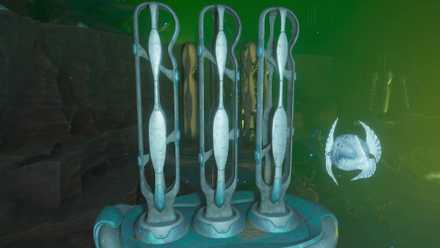
The Axum Vision is the linchpin for the mid-game experience in Subnautica 2. By granting the player the ability to decode alien linguistic patterns, it effectively translates the cryptic symbols found on tablets and environmental interfaces throughout the Power Plant.
Without this adaptation, the Power Plant remains a tomb of unreadable data. Once activated, however, players can restore power to the station, which in turn unlocks the deeper, more dangerous sections of the Proteus ocean floor. This transition is essential for players looking to advance beyond the current Early Access limitations.
Developer Context: Unknown Worlds and the Evolution of Survival
Unknown Worlds Entertainment, the developers behind the Subnautica franchise, have emphasized that the inclusion of "living tools"—such as the Angel Comb—is a design choice meant to deepen the connection between the player and the ecosystem of Proteus.
In a recent dev-blog, the team noted that they wanted to move away from purely mechanical upgrades. By requiring the player to "heal" the environment to progress, the narrative reinforces the idea that the protagonist is not just an explorer, but a participant in the planetary cycle. The use of the Sonic Resonator is intended to feel less like combat and more like industrial maintenance, keeping the game’s core identity as a survival-exploration title intact.
Implications for Future Gameplay
The current state of Subnautica 2—specifically in its Early Access version—suggests that the reliance on Angel Combs will only grow as the map expands. As players move toward the full release, it is expected that more complex, multi-layered "healing" puzzles will be introduced.
The requirement to visit sites like the Metal Farms and the Alterra wreckage indicates that the game’s lore is deeply tied to these ecological restoration tasks. Players should prepare for future updates by hoarding crafting components and upgrading their oxygen tanks and pressure modules, as the depths required to reach these infected sites are likely to increase.
Tips for Success:
- Manage Oxygen: The 310–320 meter dives are significantly deeper than standard early-game exploration. Always carry a spare tank.
- Scan Everything: The infection bulbs have unique biological signatures. Scanning them before destroying them provides valuable data entries in your PDA that explain the origin of the parasite.
- Navigation: The underwater environment on Proteus is prone to shifting. Use beacons to mark the locations of the three infection sites, as it is very easy to lose your bearings in the dark, cavernous zones near the Power Plant.
Conclusion
The path to understanding the mysteries of Proteus is paved with these delicate, biological interactions. Cleansing the Angel Comb is a rite of passage for any survivor in Subnautica 2. By mastering the Sonic Resonator and successfully navigating the perilous depths of the Power Plant, you not only unlock the language of an ancient civilization but also ensure your own survival in one of the most hostile, beautiful, and rewarding environments in modern gaming. As you prepare for the next stage of the journey—the Metal Farms—remember that on this planet, the environment is not your enemy; it is a puzzle waiting to be solved.


 Asro
Asro
 Muslim