For three decades, the Mortal Kombat franchise has occupied a unique, blood-soaked niche in the intersection of gaming and cinema. Since its arcade debut in 1992, the property has undergone a volatile evolution, transitioning from the campy, high-octane spectacle of the 1990s to the gritty, high-budget reboot era of the 2020s. As we approach the highly anticipated release of Mortal Kombat II in 2025, it is time to look back at the history, the misses, the hits, and the cultural legacy of the tournament that defined a generation of action cinema.
The 1995 Original: Setting the Standard
In 1995, the concept of a "good" video game movie was almost nonexistent. Hollywood viewed gaming properties as ephemeral cash-grabs, typically resulting in critical disasters. Enter Paul W.S. Anderson, a then-30-year-old British director who had only a single feature film, Shopping, under his belt. With a modest budget of $18 million, Anderson was tasked with adapting a game defined by its digitized gore and over-the-top character designs.
Defying all expectations, Mortal Kombat opened to a staggering $23 million during its debut weekend, dethroning David Fincher’s Seven from the top spot. It wasn’t just a financial success; it was a stylistic triumph. Anderson leaned into the aesthetic of the arcade game, utilizing vibrant color palettes and a pulse-pounding soundtrack that would become synonymous with the franchise. The film’s success served as the blueprint for Anderson’s future career, including the multi-billion dollar Resident Evil franchise. To this day, the 1995 Mortal Kombat is cited by critics and fans alike as the gold standard for how to translate joystick mechanics into cinematic language.
The Dark Era: The Annihilation Disaster
If 1995 was the peak, 1997 was the abyss. Mortal Kombat: Annihilation arrived two years later with a rush-job production schedule that proved fatal. John R. Leonetti, who served as cinematographer on the original, took the director’s chair, but the film struggled under the weight of a disjointed script and a deluge of fan-service cameos that lacked narrative cohesion.
With the departure of key stars like Christopher Lambert—who had brought a charismatic, dry wit to the role of Lord Raiden—the sequel faced immediate backlash. The film earned $51 million worldwide against a $30 million budget, a performance that cooled studio interest in the property for over two decades. Annihilation became a cultural punchline, a cautionary tale of "too much, too soon," and a stark reminder that a franchise is only as strong as its core characters.
The Reboot Era: A New Generation of Fighters
After twenty-four years of dormancy, New Line Cinema and Warner Bros. sought to resurrect the brand for a modern audience. Directed by commercial veteran Simon McQuoid and produced by horror maestro James Wan, the 2021 Mortal Kombat reboot was designed to modernize the mythology.
The film introduced an original protagonist, Cole Young, played by Lewis Tan. The choice to center the film around an outsider rather than established icons like Liu Kang was a controversial decision that sparked intense debate within the fanbase. Despite this, the film grossed over $80 million worldwide, proving that the hunger for the franchise’s visceral combat had not waned. The production team focused heavily on practical effects and high-level fight choreography, highlighted by the performance of Joe Taslim as the formidable Sub-Zero. Taslim, an Indonesian martial arts star known for his work in The Raid, brought a level of intensity to the screen that reminded audiences why they fell in love with the series in the first place.
The Sound of Violence: The Immortals and "Techno Syndrome"
One cannot discuss the cinematic history of Mortal Kombat without acknowledging its sonic footprint. The theme song, "Techno Syndrome," composed by The Immortals (Olivier Adams and Praga Khan), is arguably one of the most recognizable tracks in movie history.
Originally commissioned for a 1994 promotional album, the track was essentially a collection of samples and aggressive techno beats that captured the frantic energy of the arcade experience. The iconic shout—"MORTAL KOMBAT!"—was pulled directly from the game’s digitized audio files. When the 1995 film opened with a remix of this track, it cemented the identity of the franchise. It is a testament to the song’s power that it was brought back for the 2021 reboot, signaling to long-time fans that while the cast and visual style might change, the spirit of the tournament remains constant.
Casting Choices and Character Legacies
The evolution of Mortal Kombat is also a history of its actors. Robin Shou’s portrayal of Liu Kang in the 1990s remains the definitive version for many; his ability to choreograph his own fight scenes added an authentic martial arts credibility that was rare in Western cinema at the time.
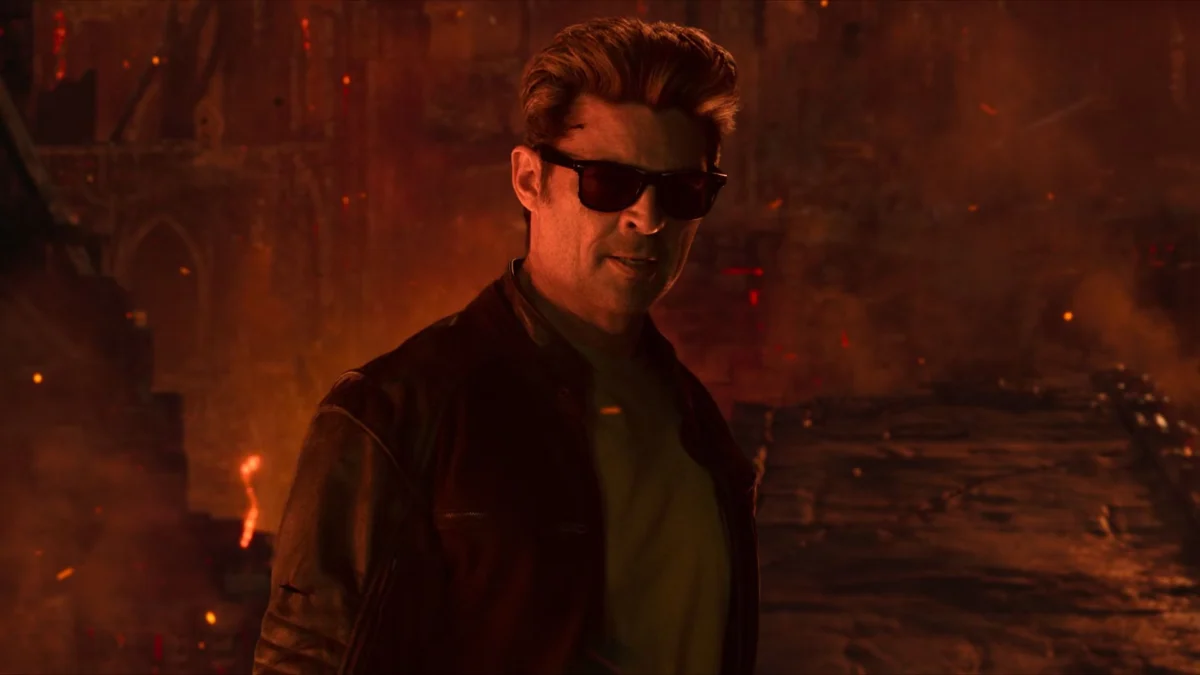
In contrast, the 2021 reboot leaned into international talent, utilizing the global appeal of stars like Joe Taslim and Hiroyuki Sanada. These casting choices signaled a shift in the industry, prioritizing performers with legitimate combat backgrounds to elevate the film’s action sequences. The upcoming Mortal Kombat II continues this trend, with the addition of Karl Urban as Johnny Cage. Urban’s casting represents a pivot toward a more balanced tone—injecting the brash, comedic bravado of the classic Johnny Cage character into a world that has otherwise been treated with high-stakes seriousness.
Looking Ahead: Mortal Kombat II (2025)
As we look toward the October 2025 release of Mortal Kombat II, the stakes have never been higher. The sequel aims to resolve the primary criticism of the 2021 reboot: the lack of an actual tournament. By finally bringing the Outworld competition to the big screen, McQuoid and his team have the opportunity to deliver the definitive Mortal Kombat experience.
The official response from the studio and the creative team suggests a doubling down on the lore. With characters like Johnny Cage finally entering the fold, the film is expected to strike a delicate balance between the dark, supernatural horror of the games and the campy, high-action fun that made the 1995 version a cult classic.
Implications for the Future of Game Adaptations
The journey of Mortal Kombat reflects the broader evolution of Hollywood’s approach to intellectual property. In the 90s, gaming adaptations were viewed as low-art, destined for the bargain bin. Today, they are the backbone of the theatrical industry. The success of Mortal Kombat serves as a case study: it shows that audiences are willing to embrace a property’s inherent absurdity, provided the filmmakers treat the source material with respect and, most importantly, deliver on the promise of the game’s core mechanics—the "Finish Him" moments, the supernatural powers, and the high-stakes, brutal tournament structure.
As we await the next round, one thing remains certain: Mortal Kombat has proven it is as resilient as its characters. Whether it is being rebooted, reimagined, or continued, the "Tournament of Earthrealm" is far from over. It has survived critical panning, massive budget shifts, and the transition from practical effects to digital spectacle. It is a franchise that has learned from its history, corrected its course, and, in the words of its most iconic line, is always ready to "Test Your Might."
The upcoming 2025 installment is more than just another sequel; it is the culmination of thirty years of trial and error, aiming to be the most faithful and ambitious adaptation yet. For fans who have been following the series since the early 90s, and for those who joined with the recent reboot, the anticipation is palpable. The arena is being prepared, the combatants are being selected, and the stage is set for a new, blood-spattered chapter in cinematic history.