

There is a distinct, rhythmic allure to the professional kitchen—a place where the chaotic clatter of metal on metal transforms into a symphony of culinary precision. While many of us consider ourselves competent home cooks, capable of preparing a comforting bowl of fried rice or a soft-scrambled omurice on a quiet Tuesday evening, there remains a vast, almost mystical divide between domestic cooking and the mastery of a seasoned professional.
In Japan, this divide is frequently bridged by chefs who treat simple, humble ingredients with a level of reverence usually reserved for fine dining. From the delicate, velvet-smooth omelets at Yokohama’s Red Brick Warehouse to the searing, high-heat alchemy found in the cramped kitchens of Tokyo’s specialty eateries, the country has cultivated a culture where speed, technique, and flavor are inextricably linked.
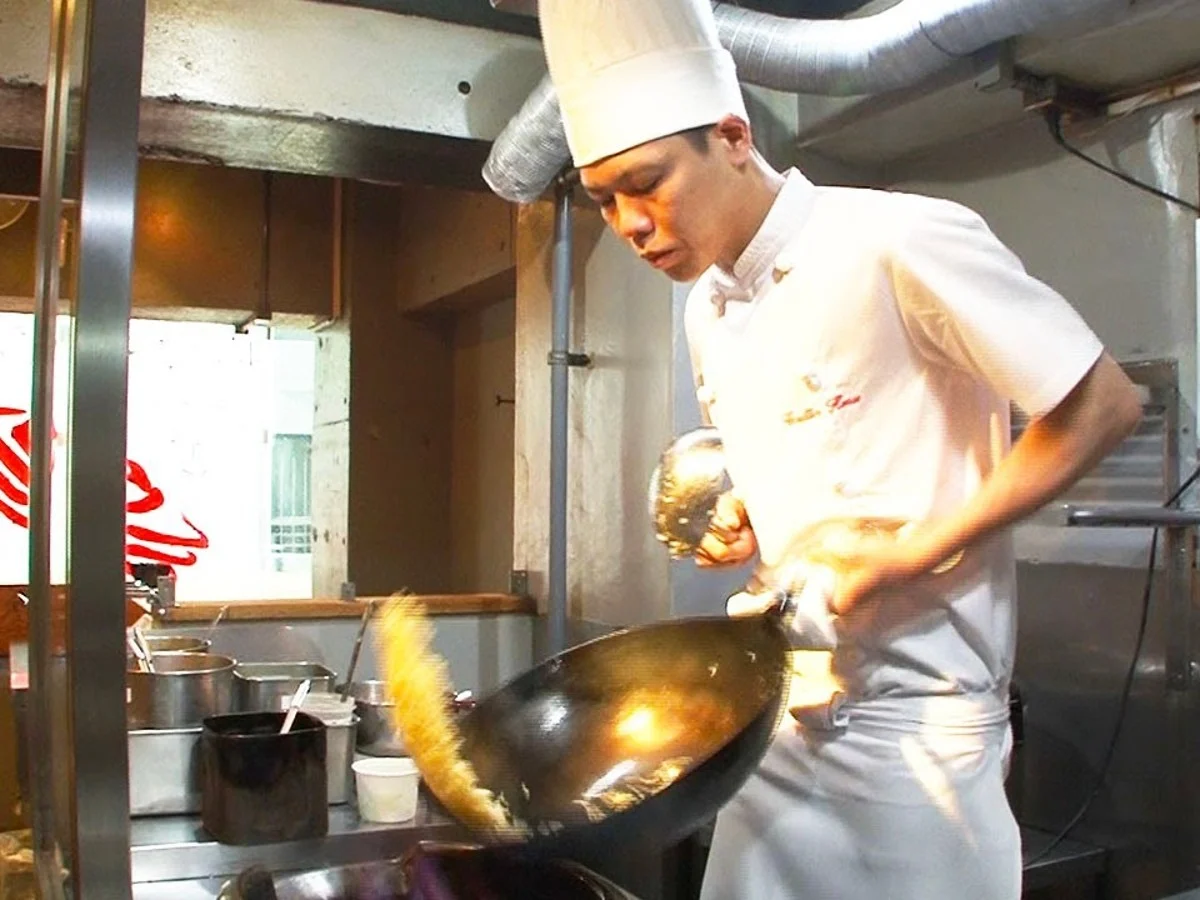
Currently, all eyes in the culinary world—and across the digital landscape—are fixed on the Shibuya branch of Kani Chahan no Mise (Crab Fried Rice Restaurant). Here, Takumi Murakami, a chef whose dexterity behind a wok has earned him the moniker "the God of Fried Rice," is redefining what it means to prepare a meal in under a minute.
The Main Event: A Masterclass in Efficiency
The phenomenon centers on a viral video segment originally featured on the TV Tokyo program Uchimura no tsuboru douga. In the footage, viewers are granted an intimate, bird’s-eye view of Murakami at his station. The environment is utilitarian: a roaring gas range, a seasoned, well-worn wok, and a mise-en-place of fresh, high-quality crab meat, scallions, eggs, and perfectly parboiled rice.
Within the span of approximately 50 seconds, Murakami executes a sequence of movements that seem almost choreographed. He initiates the process with a dramatic flare of flame, tossing the rice with an effortless flick of the wrist that ensures every grain is kissed by the heat without becoming soggy. He incorporates the crab, the seasoning, and the egg with surgical precision, moving with a fluidity that suggests the wok is an extension of his own arm.
The result is not merely a plate of food; it is a testament to the power of repetition and refined technique. The internet has responded with overwhelming awe, with comments ranging from "This is the work of a god" to "His technique is beyond compare." It is a rare moment where a viral video captures not just a spectacle, but a genuine display of professional excellence.
Chronology of a Culinary Sensation
To understand how Murakami became an internet icon, one must look at the evolution of Japanese "specialty shops." In recent years, the Japanese dining scene has pivoted toward hyper-specialization. Rather than offering an expansive menu, establishments like Kani Chahan no Mise focus on perfecting a singular dish.
- The Foundation: For years, Kani Chahan no Mise has operated as a staple for lunch-goers and office workers in the busy Shibuya district. The restaurant built its reputation on consistency—the ability to serve the same high-quality crab fried rice regardless of the time of day.
- The Media Discovery: The Japanese television industry, particularly variety programs like Uchimura no tsuboru douga, frequently highlights "hidden masters" of daily life. The production team recognized that the rhythmic, high-octane nature of Murakami’s cooking was "video-genic," making it a perfect candidate for social media circulation.
- The Viral Tipping Point: Upon the broadcast of the segment, clips began appearing on YouTube and X (formerly Twitter). The raw, unedited nature of the cooking—no fancy camera angles or dramatic music—allowed the raw skill to shine through.
- The Current Status: Today, the Shibuya location has seen a measurable uptick in foot traffic. Tourists and locals alike now visit the restaurant with the express intent of witnessing the "God of Fried Rice" in action, transforming a routine lunch spot into a destination for culinary voyeurs.
Supporting Data: The Physics of the Perfect Stir-Fry
What exactly makes Murakami’s fried rice superior? While the speed is the primary draw, the underlying science of the dish is what keeps customers returning.
In traditional Chinese and Japanese stir-fry, the "Wok Hei"—or "breath of the wok"—is the ultimate goal. This refers to the distinct, smoky aroma imparted by the interaction between high heat, oil, and the surface of a carbon steel wok.
- Temperature Regulation: Murakami maintains a constant, intense flame. By keeping the wok in constant motion, he prevents the rice from burning while ensuring that the egg coats each grain, creating a "golden fried rice" effect.
- Moisture Control: One of the most common pitfalls in fried rice is excess moisture, which leads to clumping. By using high-heat evaporation, Murakami ensures the final dish is light, fluffy, and distinct in texture.
- The 50-Second Threshold: The 50-second window is not just a gimmick; it is an optimization of the Maillard reaction. By cooking the dish quickly, the ingredients retain their structural integrity. The crab remains tender rather than rubbery, and the scallions retain their crunch and vibrant color.
Official Responses and Culinary Philosophy
In interviews following his sudden surge in popularity, Murakami remains characteristically humble. When asked about his technique, he emphasizes the importance of the "customer experience." In his view, the speed is not just about showing off; it is about respecting the customer’s time.
"When a customer walks into a busy district like Shibuya, they are looking for a meal that is both satisfying and efficient," Murakami noted in a brief comment to the restaurant’s management. "My goal is to provide a dish that tastes as though it were made over an hour, but delivered in the time it takes to catch a train."
The management at Kani Chahan no Mise has expressed pride in their chef’s accomplishment, noting that Murakami’s training regimen is rigorous. New staff members are required to spend months perfecting the "toss" before they are ever allowed to cook for a customer. This commitment to internal standards is what separates a "fried rice shop" from a destination restaurant.
Implications: The Future of "Fast" Food
The viral success of Takumi Murakami has broader implications for the global restaurant industry. In an age where automated cooking machines and robotic chefs are being touted as the future of the industry, Murakami serves as a powerful reminder of the human element.
The "Human Touch" Economy
As automation threatens to standardize dining, consumers are increasingly seeking out "authentic" experiences. There is a psychological comfort in watching a human master a craft. The success of this video suggests that there is a burgeoning market for "Performance Cooking"—where the preparation of the meal is as valuable to the customer as the consumption of it.
The Rise of Specialty Chains
The success of Kani Chahan no Mise reinforces the business model of hyper-specialization. By focusing on a single ingredient—in this case, crab—a restaurant can streamline its supply chain, reduce food waste, and achieve a level of consistency that a generalist restaurant cannot match. This model is likely to see further growth as urban dining costs rise and customers demand higher value for their money.
Culinary Tourism
Finally, this incident highlights the power of the "micro-influencer" effect in the culinary world. A small, unassuming restaurant in a side street of Tokyo can become a global landmark overnight thanks to a single, high-quality video. For the travel industry, this underscores a shifting trend: modern travelers are not just looking for monuments and museums; they are looking for "procedural art"—the sight of a craftsman at the top of their game.
Conclusion: A Legacy in the Making
As the steam rises from the wok and the signature crab fried rice is plated with a swift, final flourish, one cannot help but admire the dedication required to perform at this level. Takumi Murakami is not just cooking; he is preserving a tradition of excellence that values the marriage of speed and quality.
For those planning a visit to Shibuya, the Crab Fried Rice Restaurant offers a rare glimpse into a vanishing world of human-centric craftsmanship. You may not be able to replicate his speed or his technique in your own kitchen, but you can certainly appreciate the result. In the high-stakes, fast-paced world of Tokyo dining, Murakami stands as a reminder that even the simplest of dishes can be elevated to the level of art, provided you have the right hands at the helm of the wok.
If you find yourself in the heart of the city, stop by the Shibuya location. You’ll be treated to a meal that is, in every sense of the word, god-tier. Just be prepared: at this speed, your order will be ready before you’ve even had a chance to settle into your seat.












No comments yet. Be the first to join the conversation!